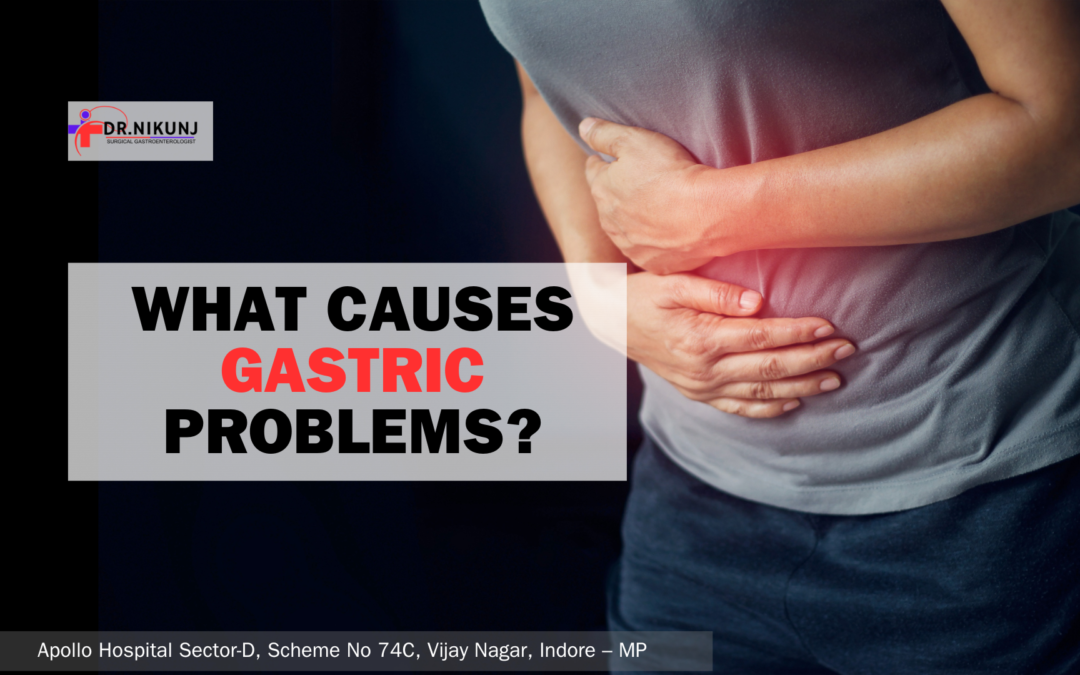
Gastric problems, often referred to as gastrointestinal or digestive issues, encompass a wide range of symptoms and conditions that affect the stomach and intestines. These issues can cause significant discomfort and impact daily life. Understanding the root causes of gastric problems is essential for effective management and prevention. This article delves into the various factors that contribute to gastric problems and offers insights into how to address them.
Introduction
Gastric problems are common and can range from mild discomfort to severe conditions requiring medical intervention. The gastrointestinal tract is a complex system that is susceptible to various disruptions, leading to symptoms like bloating, gas, indigestion, and more severe issues such as ulcers and gastroesophageal reflux disease (GERD). Identifying the causes of these problems is the first step toward finding relief and improving digestive health.
Dietary Causes of Gastric Problems
Diet plays a significant role in the health of the digestive system. What we eat and how we eat can directly impact our gastrointestinal health, leading to various gastric problems.
Spicy and Fatty Foods
Spicy and fatty foods are common culprits behind gastric discomfort. These foods can irritate the stomach lining and slow down digestion, leading to symptoms such as heartburn, indigestion, and bloating.
Overeating
Consuming large meals can overwhelm the digestive system, causing it to work harder and slower. Overeating can lead to symptoms such as bloating, gas, and indigestion.
Low Fiber Intake
A diet low in fiber can lead to constipation and other digestive issues. Fiber is essential for regular bowel movements and helps maintain a healthy digestive tract.
Carbonated Beverages
Carbonated drinks, such as soda, can introduce excess gas into the digestive system, causing bloating and discomfort. Additionally, the high sugar content in these beverages can exacerbate symptoms.
Food Intolerances and Allergies
Food intolerances, such as lactose intolerance, and food allergies can cause significant gastric distress. Symptoms can include bloating, gas, diarrhea, and stomach pain.
Lifestyle Factors Contributing to Gastric Problems
Lifestyle choices also play a crucial role in the development of gastric problems. Factors such as stress, physical activity, and habits can influence digestive health.
Stress and Anxiety
Stress and anxiety can have a profound impact on the digestive system. The gut-brain connection means that emotional stress can lead to physical symptoms such as stomach pain, diarrhea, and nausea.
Lack of Exercise
A sedentary lifestyle can slow down the digestive process, leading to issues such as constipation and bloating. Regular physical activity helps stimulate the intestines and promotes healthy digestion.
Smoking and Alcohol Consumption
Smoking and excessive alcohol consumption can irritate the stomach lining and lead to inflammation. These habits can increase the risk of developing gastric problems such as ulcers and GERD.
Inadequate Hydration
Dehydration can lead to constipation and other digestive issues. Drinking enough water is essential for maintaining healthy digestion and preventing gastric problems.
Medical Conditions Associated with Gastric Problems
Several medical conditions can cause or exacerbate gastric problems. Understanding these conditions can help in managing symptoms and seeking appropriate treatment.
Gastroesophageal Reflux Disease (GERD)
GERD is a chronic condition where stomach acid flows back into the esophagus, causing heartburn and other symptoms. It can lead to inflammation and damage to the esophageal lining.
Peptic Ulcers
Peptic ulcers are sores that develop on the lining of the stomach, small intestine, or esophagus. They can cause severe stomach pain, bloating, and indigestion.
Irritable Bowel Syndrome (IBS)
IBS is a common disorder that affects the large intestine. Symptoms include cramping, abdominal pain, bloating, gas, and diarrhea or constipation.
Inflammatory Bowel Disease (IBD)
IBD, including Crohn’s disease and ulcerative colitis, involves chronic inflammation of the digestive tract. It can cause severe abdominal pain, diarrhea, and weight loss.
Gallstones
Gallstones are hardened deposits of digestive fluid that can form in the gallbladder. They can block the bile ducts and cause severe pain, nausea, and vomiting.
Celiac Disease
Celiac disease is an autoimmune disorder where ingestion of gluten leads to damage in the small intestine. Symptoms include diarrhea, bloating, gas, and malnutrition.
Medications and Gastric Problems
Certain medications can cause or worsen gastric problems. Being aware of these can help in managing side effects and seeking alternatives if necessary.
Nonsteroidal Anti-Inflammatory Drugs (NSAIDs)
NSAIDs, such as ibuprofen and aspirin, can irritate the stomach lining and lead to ulcers and gastrointestinal bleeding.
Antibiotics
Antibiotics can disrupt the natural balance of bacteria in the gut, leading to symptoms such as diarrhea and abdominal pain.
Acid Suppressants
Medications that suppress stomach acid, such as proton pump inhibitors (PPIs), can lead to digestive issues if used long-term, including nutrient malabsorption and increased risk of infections.
Environmental and Genetic Factors
Environmental and genetic factors can also influence the development of gastric problems. Understanding these can provide insights into prevention and management strategies.
Genetic Predisposition
A family history of digestive disorders, such as IBD or celiac disease, can increase the likelihood of developing similar conditions.
Environmental Toxins
Exposure to environmental toxins, such as pollutants and chemicals, can disrupt the digestive system and lead to gastric problems.
Infections
Infections caused by bacteria, viruses, or parasites can lead to gastrointestinal symptoms. Helicobacter pylori, for example, is a bacterium that can cause peptic ulcers and gastritis.
Prevention and Management of Gastric Problems
Preventing and managing gastric problems involves a combination of dietary changes, lifestyle modifications, and medical interventions.
Healthy Diet
Maintaining a balanced diet rich in fiber, fruits, vegetables, and lean proteins can promote healthy digestion and prevent gastric problems.
Regular Exercise
Incorporating regular physical activity into your routine can help stimulate digestion and prevent issues such as constipation and bloating.
Stress Management
Practicing stress management techniques, such as yoga, meditation, and deep breathing exercises, can help reduce the impact of stress on the digestive system.
Adequate Hydration
Drinking plenty of water throughout the day is essential for maintaining healthy digestion and preventing constipation.
Limiting Alcohol and Tobacco Use
Reducing or eliminating alcohol and tobacco use can significantly improve digestive health and reduce the risk of gastric problems.
Medication Management
Discussing medication side effects with your doctor and exploring alternatives can help manage and prevent medication-induced gastric problems.
When to Seek Medical Help
While many gastric problems can be managed with lifestyle and dietary changes, some symptoms warrant medical attention. It’s important to know when to seek help to prevent complications.
Persistent Pain
Persistent or severe abdominal pain should be evaluated by a healthcare professional to rule out serious conditions.
Unexplained Weight Loss
Unexplained weight loss accompanied by digestive symptoms can indicate a more serious underlying condition and should be investigated.
Chronic Diarrhea or Constipation
Chronic changes in bowel habits, such as diarrhea or constipation, can signal a digestive disorder that requires medical attention.
Blood in Stool
The presence of blood in stool is a serious symptom that requires immediate medical evaluation.
FAQs
What are the most common dietary causes of gastric problems?
Common dietary causes include spicy and fatty foods, overeating, low fiber intake, carbonated beverages, and food intolerances or allergies.
How does stress contribute to gastric problems?
Stress can disrupt the normal function of the digestive system, leading to symptoms such as stomach pain, diarrhea, and nausea due to the gut-brain connection.
What medical conditions are commonly associated with gastric problems?
Conditions such as GERD, peptic ulcers, IBS, IBD, gallstones, and celiac disease are commonly associated with gastric problems.
Can medications cause gastric problems?
Yes, medications such as NSAIDs, antibiotics, and acid suppressants can cause or worsen gastric problems by irritating the stomach lining or disrupting gut bacteria.
How can I prevent gastric problems through diet?
Eating a balanced diet rich in fiber, avoiding trigger foods, staying hydrated, and practicing mindful eating can help prevent gastric problems.
When should I seek medical help for gastric problems?
Seek medical help if you experience persistent pain, unexplained weight loss, chronic diarrhea or constipation, or blood in your stool.
Conclusion
Gastric problems are multifaceted and can arise from various dietary, lifestyle, medical, environmental, and genetic factors. Understanding these causes can help in effectively managing and preventing digestive issues. By making informed dietary choices, adopting a healthy lifestyle, managing stress, and seeking medical advice when necessary, you can maintain optimal digestive health and improve your quality of life.
What is a Gastric Problem?
Gastric problems, often referred to as gastrointestinal or digestive issues, encompass a wide range of conditions affecting the stomach and intestines. These problems can cause significant discomfort and impact daily life, often leading to symptoms such as bloating, gas, indigestion, and more severe conditions like ulcers and gastroesophageal reflux disease (GERD). Understanding what gastric problems are, their causes, and how to manage them is crucial for maintaining good digestive health.
Introduction
The digestive system is a complex network responsible for breaking down food, absorbing nutrients, and expelling waste. When this system is disrupted, it can lead to a variety of gastric problems. These issues can range from mild and temporary to chronic and severe, requiring medical intervention. This article explores what constitutes a gastric problem, common symptoms, underlying causes, and strategies for management and prevention.
Understanding Gastric Problems
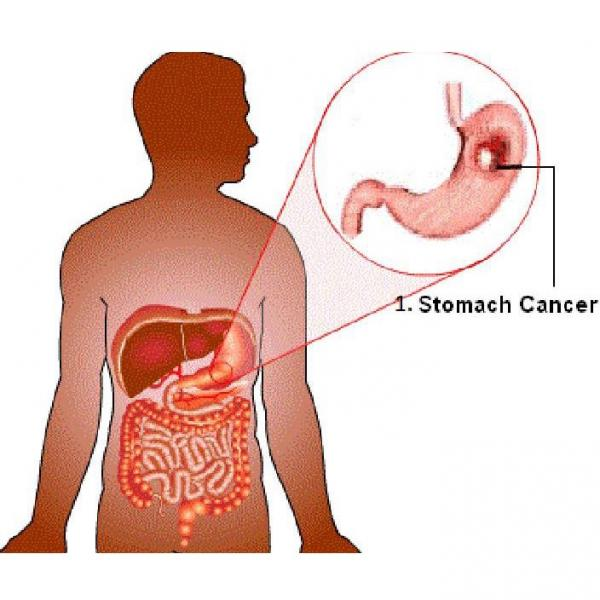
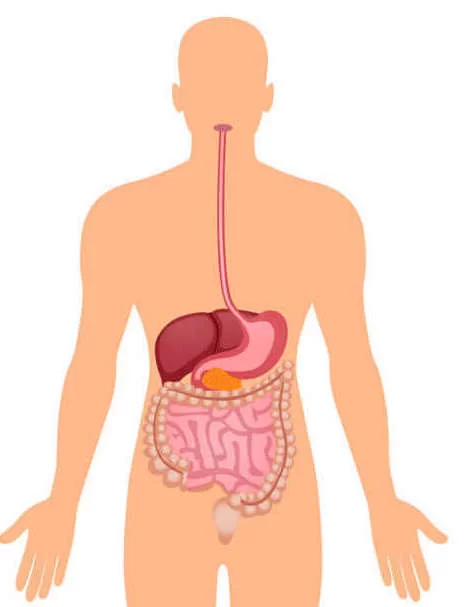
Gastric problems refer to any disorders or discomforts that occur in the gastrointestinal (GI) tract. The GI tract includes the stomach, intestines, and other parts of the digestive system. Problems can arise from various factors, including diet, lifestyle, infections, and underlying medical conditions.
Common Symptoms
The symptoms of gastric problems can vary widely depending on the underlying cause. However, some common symptoms include:
Bloating: A feeling of fullness and swelling in the abdomen.
Gas: Excessive flatulence or burping.
Indigestion: Discomfort or pain in the stomach after eating.
Heartburn: A burning sensation in the chest, often related to acid reflux.
Constipation: Difficulty in passing stools or infrequent bowel movements.
Diarrhea: Loose, watery stools occurring more frequently than usual.
Nausea and Vomiting: A feeling of sickness in the stomach that can lead to vomiting.
Abdominal Pain: Pain or cramping in the stomach area.
Types of Gastric Problems
Gastric problems can be classified into several types based on the area of the digestive system affected and the nature of the issue. Some common types include:
Gastroesophageal Reflux Disease (GERD): A chronic condition where stomach acid flows back into the esophagus, causing heartburn and irritation.
Peptic Ulcers: Sores that develop on the lining of the stomach, small intestine, or esophagus due to excessive stomach acid or infection.
Irritable Bowel Syndrome (IBS): A disorder affecting the large intestine, characterized by cramping, abdominal pain, bloating, gas, and diarrhea or constipation.
Inflammatory Bowel Disease (IBD): Chronic inflammation of the digestive tract, including conditions like Crohn’s disease and ulcerative colitis.
Gallstones: Hardened deposits that form in the gallbladder and can block the bile ducts, causing pain and digestive issues.
Celiac Disease: An autoimmune disorder where ingestion of gluten leads to damage in the small intestine.
Causes of Gastric Problems
Gastric problems can arise from a multitude of causes, often involving a combination of dietary, lifestyle, and medical factors.
Dietary Factors
Diet plays a crucial role in digestive health. Certain foods and eating habits can contribute to gastric problems.
Spicy and Fatty Foods: These can irritate the stomach lining and slow down digestion, leading to heartburn and indigestion.
Overeating: Consuming large meals can overwhelm the digestive system, causing bloating and discomfort.
Low Fiber Intake: A lack of dietary fiber can lead to constipation and other digestive issues.
Carbonated Beverages: These can introduce excess gas into the digestive system, causing bloating and gas.
Food Intolerances and Allergies: Intolerances (e.g., lactose intolerance) and allergies can cause symptoms like bloating, gas, and diarrhea.
Lifestyle Factors
Lifestyle choices also significantly impact digestive health.
Stress and Anxiety: Emotional stress can disrupt the digestive system, leading to symptoms like stomach pain, diarrhea, and nausea.
Lack of Exercise: A sedentary lifestyle can slow down digestion, leading to constipation and bloating.
Smoking and Alcohol Consumption: These habits can irritate the stomach lining and increase the risk of ulcers and GERD.
Inadequate Hydration: Dehydration can cause constipation and other digestive issues.
Medical Conditions
Several medical conditions are associated with gastric problems.
GERD: Caused by the backflow of stomach acid into the esophagus.
Peptic Ulcers: Often caused by H. pylori infection or long-term use of NSAIDs.
IBS and IBD: Chronic conditions affecting the intestines.
Gallstones: Can block the bile ducts and cause severe pain.
Celiac Disease: Triggered by gluten ingestion, leading to intestinal damage.
Medications
Certain medications can cause or exacerbate gastric problems.
NSAIDs: These can irritate the stomach lining and lead to ulcers and gastrointestinal bleeding.
Antibiotics: Can disrupt the balance of gut bacteria, causing diarrhea and abdominal pain.
Acid Suppressants: Long-term use can lead to nutrient malabsorption and increased risk of infections.
Environmental and Genetic Factors
Genetic Predisposition: A family history of digestive disorders can increase the risk.
Environmental Toxins: Exposure to pollutants and chemicals can disrupt digestive health.
Infections: Bacterial, viral, or parasitic infections can cause gastrointestinal symptoms.
Management and Prevention of Gastric Problems
Effective management and prevention of gastric problems involve a combination of dietary changes, lifestyle modifications, and medical interventions.
Dietary Changes
Balanced Diet: Eat a diet rich in fiber, fruits, vegetables, and lean proteins.
Avoid Trigger Foods: Identify and avoid foods that cause symptoms.
Hydration: Drink plenty of water to aid digestion and prevent constipation.
Lifestyle Modifications
Regular Exercise: Helps stimulate digestion and prevent constipation.
Stress Management: Practice stress-reducing techniques like yoga and meditation.
Limit Alcohol and Tobacco: Reducing or eliminating these can improve digestive health.
Medical Interventions
Medications: Use medications as prescribed by a doctor to manage symptoms and underlying conditions.
Regular Check-ups: Regular medical check-ups can help detect and manage digestive issues early.
When to Seek Medical Help
Persistent Pain: Severe or persistent abdominal pain should be evaluated by a healthcare professional.
Unexplained Weight Loss: Accompanied by digestive symptoms, this warrants medical attention.
Chronic Diarrhea or Constipation: Ongoing changes in bowel habits need evaluation.
Blood in Stool: Requires immediate medical evaluation.
FAQs
What are gastric problems?
Gastric problems refer to a range of conditions affecting the stomach and intestines, causing symptoms like bloating, gas, indigestion, and more severe issues such as ulcers and GERD.
What are common symptoms of gastric problems?
Common symptoms include bloating, gas, indigestion, heartburn, constipation, diarrhea, nausea, vomiting, and abdominal pain.
Can stress cause gastric problems?
Yes, stress and anxiety can disrupt the digestive system, leading to symptoms like stomach pain, diarrhea, and nausea due to the gut-brain connection.
What dietary changes can help prevent gastric problems?
Eating a balanced diet rich in fiber, avoiding trigger foods, staying hydrated, and practicing mindful eating can help prevent gastric problems.
When should I seek medical help for gastric problems?
Seek medical help if you experience persistent pain, unexplained weight loss, chronic diarrhea or constipation, or blood in your stool.
Conclusion
Gastric problems encompass a wide range of conditions that can significantly impact daily life. By understanding the causes and symptoms of these issues, individuals can take proactive steps to manage and prevent them. A combination of healthy dietary choices, lifestyle modifications, and appropriate medical interventions can help maintain optimal digestive health and improve overall well-being.
Meet Your Doctor
The Best Laparoscopic Surgeon in Indore
Dr. Nikunj Jain is a renowned Gastro & Minimal Access Laparoscopic Surgeon.
He is a Surgical Gastroenterologist, Consultant Surgeon at Apollo Hospital, Indore having expertise in laparoscopic, Laser, and Robotic Surgery.
You can be confident that with Dr. Nikunj Jain your well-being is in the capable hands of a highly-skilled Minimally Invasive Laparoscopic & Robotic Surgeon. Dr. Nikunj Jain strives to treat his patients with an honest, straightforward, and caring nature in a safe and comfortable environment.
Dr. Nikunj Jain has been awarded Dr. B. Ramamurthi National Gold Medal by National Board of Examination.
Email your reports
drnikunjjain@gmail.com
Call Now to book Appointment
+91-97114-59697
Head Quarter Building
3rd Floor, Satya Sai Square, Vijay Nagar, Indore – MP
Understanding the early warning signs of appendicitis can be crucial in preventing serious health complications. Appendicitis is a condition where the appendix, a small pouch attached to the large intestine, becomes inflamed and filled with pus. If left untreated, it can lead to a ruptured appendix, causing widespread infection and even death. Therefore, recognizing the symptoms early and seeking prompt medical attention is vital.
Introduction
Appendicitis is a common and urgent medical condition that requires immediate attention. The symptoms can often be mistaken for other ailments, making it challenging to diagnose without professional medical evaluation. In this article, we will explore the various warning signs of appendicitis, the importance of early detection, and the steps you should take if you suspect you or someone else may have appendicitis.
The Initial Symptoms of Appendicitis
The early stages of appendicitis often present subtle symptoms that may be easily overlooked. However, these initial signs are crucial indicators that should not be ignored. One of the first symptoms is a sudden pain around the navel that gradually shifts to the lower right side of the abdomen. This pain typically intensifies over time and becomes more severe and constant.
Abdominal Pain
The hallmark of appendicitis is abdominal pain. It usually starts around the belly button and then moves to the lower right abdomen. The pain can be described as sharp, dull, or aching and tends to worsen with movement, coughing, or sneezing. This shifting pain is a critical symptom that differentiates appendicitis from other abdominal issues.
Loss of Appetite
A sudden loss of appetite is another common early sign of appendicitis. The inflammation and pain can lead to nausea and a general feeling of being unwell, making it difficult to eat.
Nausea and Vomiting
Nausea and vomiting often accompany the onset of appendicitis. These symptoms can occur shortly after the abdominal pain begins and may persist as the condition progresses.
Low-Grade Fever
As the body attempts to fight off the infection, a low-grade fever (between 99°F and 100.5°F) may develop. This mild fever is another indication that something is wrong and requires attention.
Progressing Symptoms of Appendicitis
As appendicitis progresses, the symptoms become more pronounced and severe. Recognizing these warning signs can prompt timely medical intervention, preventing complications.
Intensified Abdominal Pain
The abdominal pain associated with appendicitis typically intensifies and becomes localized in the lower right quadrant of the abdomen. This pain is often described as severe and persistent, making it difficult to stand, walk, or perform daily activities.
Rebound Tenderness
Rebound tenderness is a specific symptom where pressing on the abdomen causes pain that worsens upon releasing the pressure. This is a classic sign of peritonitis, which occurs when the appendix ruptures, leading to inflammation of the abdominal lining.
Inability to Pass Gas
Many patients with appendicitis experience difficulty passing gas or having bowel movements. This can lead to a feeling of bloating and abdominal distension.
Diarrhea or Constipation
Changes in bowel habits, such as diarrhea or constipation, can also occur with appendicitis. These symptoms, combined with severe abdominal pain, should raise concerns.
Late-Stage Symptoms and Complications
If appendicitis is not treated promptly, it can lead to severe complications, including a ruptured appendix. The signs of a ruptured appendix are more alarming and indicate an urgent need for medical attention.
High Fever
A high fever (above 101°F) suggests that the infection has spread, possibly due to a ruptured appendix. This fever is often accompanied by chills and a rapid heart rate.
Severe Abdominal Swelling
Abdominal swelling and rigidity indicate widespread infection and inflammation in the abdominal cavity. This condition, known as peritonitis, can be life-threatening if not treated immediately.
Sepsis
Sepsis is a severe and potentially fatal response to infection. Symptoms include a high fever, rapid breathing, confusion, and low blood pressure. Sepsis requires immediate medical intervention.
Abscess Formation
An abscess may form around the appendix if it ruptures, leading to a collection of pus that can cause severe pain and fever. Treatment often involves draining the abscess and administering antibiotics.
Diagnosis and Treatment of Appendicitis
Diagnosing appendicitis typically involves a combination of physical examinations, imaging tests, and blood tests. A thorough evaluation by a healthcare professional is necessary to confirm the diagnosis and determine the appropriate treatment.
Physical Examination
During a physical examination, a doctor will check for signs of tenderness in the lower right abdomen, rebound tenderness, and rigidity. These signs help differentiate appendicitis from other abdominal conditions.
Imaging Tests
Imaging tests such as an abdominal ultrasound, CT scan, or MRI can provide detailed images of the appendix and help identify inflammation or rupture. These tests are crucial for confirming the diagnosis.
Blood Tests
Blood tests can reveal elevated white blood cell counts, indicating an infection. This, combined with other symptoms and imaging results, supports the diagnosis of appendicitis.
Surgical Intervention
The primary treatment for appendicitis is surgical removal of the appendix, known as an appendectomy. This can be performed using traditional open surgery or minimally invasive laparoscopic surgery. Prompt surgery reduces the risk of complications and leads to a quicker recovery.
Antibiotic Therapy
In some cases, especially when the appendix has not ruptured, antibiotics may be administered to reduce infection and inflammation. However, surgery remains the definitive treatment.
Recovery and Post-Surgery Care
Recovering from an appendectomy typically involves a hospital stay of a few days, followed by several weeks of at-home recovery. Post-surgery care focuses on managing pain, preventing infection, and gradually returning to normal activities.
Pain Management
Pain management is crucial during the initial recovery phase. Doctors may prescribe pain relievers to help manage discomfort. Patients are advised to avoid strenuous activities and heavy lifting for several weeks.
Preventing Infection
Preventing infection involves keeping the surgical site clean and dry. Patients should follow their doctor’s instructions for wound care and attend follow-up appointments to monitor healing.
Gradual Return to Normal Activities
Gradually resuming normal activities is essential for a full recovery. Patients should start with light activities and slowly increase their level of activity as tolerated. It’s important to listen to the body and avoid pushing too hard too soon.
FAQs
What are the common early warning signs of appendicitis?
Common early warning signs of appendicitis include sudden abdominal pain that starts around the navel and shifts to the lower right abdomen, loss of appetite, nausea, vomiting, and a low-grade fever.
How does the abdominal pain associated with appendicitis differ from other types of pain?
The abdominal pain of appendicitis typically starts near the navel and then moves to the lower right side of the abdomen. It becomes more severe and constant over time, and worsens with movement, coughing, or sneezing.
Can appendicitis cause changes in bowel habits?
Yes, appendicitis can cause changes in bowel habits, such as constipation or diarrhea. Patients may also have difficulty passing gas.
What should I do if I suspect I have appendicitis?
If you suspect you have appendicitis, seek immediate medical attention. Early diagnosis and treatment are crucial to prevent complications, such as a ruptured appendix.
How is appendicitis diagnosed?
Appendicitis is diagnosed through a combination of physical examinations, imaging tests (such as ultrasound, CT scan, or MRI), and blood tests to check for signs of infection.
What is the treatment for appendicitis?
The primary treatment for appendicitis is surgical removal of the appendix (appendectomy). In some cases, antibiotics may be used to treat infection and inflammation, but surgery is usually necessary to prevent complications.
Conclusion
Recognizing the warning signs of appendicitis can be life-saving. Early symptoms such as abdominal pain, nausea, vomiting, and loss of appetite should prompt immediate medical evaluation. As the condition progresses, symptoms become more severe, necessitating urgent medical intervention to avoid complications like a ruptured appendix and peritonitis. Understanding these signs and seeking timely treatment is essential for a full recovery. Stay informed and vigilant, and consult a healthcare professional if you suspect appendicitis.
What is Appendix?
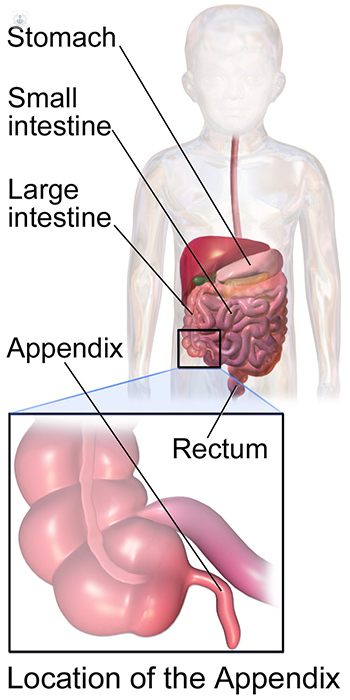
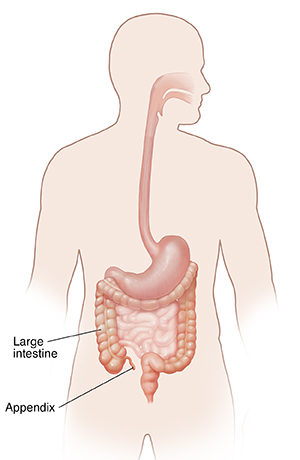
The appendix is a small, tube-like organ attached to the large intestine. Its exact function is not entirely clear, but it is believed to play a role in the immune system. Understanding the appendix’s structure, location, and potential health problems can help you appreciate its significance in the human body.
Introduction
The human body is a complex system of organs and tissues working in harmony to maintain health and functionality. Among these organs is the appendix, a small, finger-shaped pouch connected to the large intestine. While often associated with the painful condition known as appendicitis, the appendix has long intrigued scientists and medical professionals due to its seemingly mysterious function. In this article, we will delve into the anatomy of the appendix, its possible roles in the body, and the common health issues associated with it.
Anatomy of the Appendix
The appendix, also known as the vermiform appendix, is a narrow, worm-like tube measuring about 3 to 4 inches in length. It is located in the lower right abdomen, at the junction where the small intestine meets the large intestine (cecum). Despite its small size, the appendix can cause significant health problems if it becomes inflamed or infected.
Location and Structure
Situated in the lower right quadrant of the abdomen, the appendix is attached to the cecum, the beginning of the large intestine. Its structure is tubular, with a hollow interior that can become blocked, leading to inflammation. The walls of the appendix contain lymphatic tissue, which suggests a possible role in the immune system.
Variability in Position
While the appendix is generally found in the lower right abdomen, its exact position can vary among individuals. In some cases, the appendix may be located behind the colon or extend into the pelvis, which can influence the presentation of symptoms during appendicitis.
Potential Functions of the Appendix
Historically considered a vestigial organ with no significant function, recent research suggests that the appendix may have important roles, particularly related to the immune system and gut health.
Immune System Support
The appendix contains a high concentration of lymphoid tissue, which is crucial for the body’s immune response. This tissue helps produce and store white blood cells, aiding in the detection and elimination of pathogens.
Gut Microbiome Reservoir
Another theory proposes that the appendix serves as a safe haven for beneficial gut bacteria. During episodes of gastrointestinal illness, when harmful bacteria may dominate, the appendix can help repopulate the gut with healthy bacteria, supporting recovery and maintaining digestive health.
Evolutionary Perspective
From an evolutionary standpoint, the appendix may have had a more pronounced role in ancestral diets, which were rich in cellulose. Over time, as human diets evolved and the need for cellulose digestion decreased, the appendix’s role diminished, leading to its current status as a debated organ in terms of functionality.
Common Health Issues Related to the Appendix
While the appendix may play supportive roles in the body, it is more commonly known for the health issues it can cause, particularly appendicitis, a medical emergency that requires prompt treatment.
Appendicitis
Appendicitis is the inflammation of the appendix, often caused by a blockage within the organ. Symptoms typically include severe abdominal pain, nausea, vomiting, and fever. If left untreated, appendicitis can lead to a ruptured appendix, causing a potentially life-threatening infection known as peritonitis.
Causes of Appendicitis
The exact cause of appendicitis is not always clear, but it can be triggered by a blockage due to fecal matter, foreign bodies, or even infections that cause swelling of the lymphatic tissue within the appendix.
Symptoms of Appendicitis
Abdominal Pain: Starting around the navel and moving to the lower right abdomen.
Nausea and Vomiting: Often accompanying the onset of pain.
Loss of Appetite: A common early symptom.
Fever: Usually low-grade but can escalate as the condition worsens.
Diagnosis and Treatment
Diagnosing appendicitis involves a combination of physical examinations, imaging tests (such as ultrasound or CT scan), and blood tests to detect infection. Treatment typically involves surgical removal of the appendix (appendectomy), which can be performed through traditional open surgery or minimally invasive laparoscopic surgery.
Appendiceal Tumors
Though rare, tumors can develop in the appendix. These can be benign or malignant, and their presence often goes unnoticed until symptoms arise or they are discovered during imaging for other conditions.
Appendix and Inflammatory Bowel Disease (IBD)
Research has shown a possible link between the removal of the appendix and a reduced risk of certain inflammatory bowel diseases, such as ulcerative colitis. The relationship between the appendix and IBD is still under investigation, with ongoing studies exploring the immunological implications.
Prevention and Management of Appendix-Related Issues
While there is no definitive way to prevent appendicitis or other appendix-related issues, maintaining overall gut health and seeking prompt medical attention for abdominal pain can mitigate risks and improve outcomes.
Healthy Lifestyle Choices
Adopting a diet rich in fiber, staying hydrated, and engaging in regular physical activity can support overall digestive health and potentially reduce the risk of appendix-related problems.
Recognizing Early Symptoms
Being aware of the early signs of appendicitis and seeking immediate medical care can prevent complications. Early intervention is key to effective treatment and recovery.
FAQs
What is the main function of the appendix?
The exact function of the appendix is not entirely clear, but it is believed to play a role in the immune system and act as a reservoir for beneficial gut bacteria.
Where is the appendix located?
The appendix is located in the lower right abdomen, attached to the cecum at the junction of the small and large intestines.
Can you live without an appendix?
Yes, you can live without an appendix. If it becomes inflamed or infected, surgical removal (appendectomy) is typically performed without long-term health consequences.
What causes appendicitis?
Appendicitis is often caused by a blockage within the appendix, which can result from fecal matter, foreign bodies, or infections. This blockage leads to inflammation and infection.
How is appendicitis diagnosed?
Appendicitis is diagnosed through physical examinations, imaging tests (such as ultrasound or CT scan), and blood tests to detect signs of infection.
Is appendicitis common in children?
Yes, appendicitis can occur in children and is one of the most common causes of emergency abdominal surgery in pediatric patients. The symptoms can be similar to those in adults but may be harder to recognize in younger children.
Conclusion
The appendix, though often regarded as a vestigial organ, plays a more complex role than previously understood. From supporting the immune system to maintaining gut health, this small organ’s potential functions are fascinating and worthy of further study. However, the primary concern for most people is the risk of appendicitis, a serious condition that requires prompt medical attention. By understanding the appendix’s anatomy, possible functions, and associated health issues, we can better appreciate its significance and respond effectively to any related health concerns.
Meet Your Doctor
The Best Laparoscopic Surgeon in Indore
Dr. Nikunj Jain is a renowned Gastro & Minimal Access Laparoscopic Surgeon.
He is a Surgical Gastroenterologist, Consultant Surgeon at Apollo Hospital, Indore having expertise in laparoscopic, Laser, and Robotic Surgery.
You can be confident that with Dr. Nikunj Jain your well-being is in the capable hands of a highly-skilled Minimally Invasive Laparoscopic & Robotic Surgeon. Dr. Nikunj Jain strives to treat his patients with an honest, straightforward, and caring nature in a safe and comfortable environment.
Dr. Nikunj Jain has been awarded Dr. B. Ramamurthi National Gold Medal by National Board of Examination.
Call Now to book Appointment
+91-97114-59697
Head Quarter Building
3rd Floor, Satya Sai Square, Vijay Nagar, Indore – MP
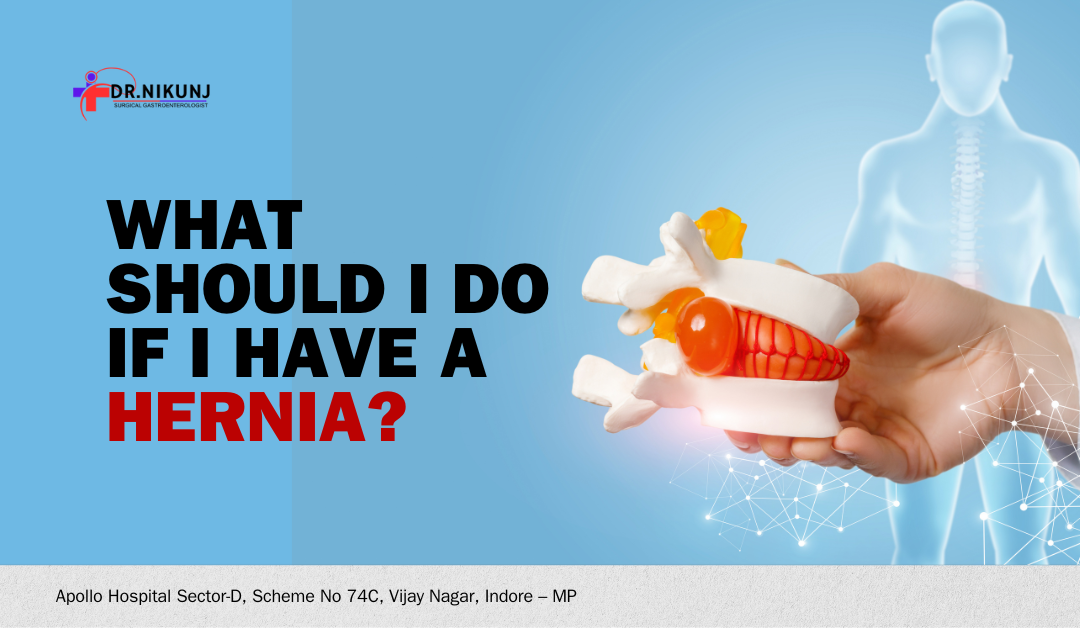
Living with a hernia can be challenging, but understanding your condition and taking appropriate steps can greatly improve your quality of life. In this comprehensive guide, we will delve into what a hernia is, its common types, symptoms, and most importantly, what you should do if you suspect you have one. Let’s explore the world of hernias in simple language, using examples to help you navigate through this medical journey.
Understanding Hernias
A hernia occurs when an organ or tissue protrudes through a weakened spot in the surrounding muscle or connective tissue. Picture it like a tire bulging through a weakened area in the sidewall – that’s essentially what happens with a hernia in your body. Hernias can happen in various parts of the body, with the most common types being inguinal (groin), femoral, umbilical, and hiatal hernias.
Common Types of Hernias:
Inguinal Hernia:
Example: Imagine a small part of your intestine pushing through a weakened area in your abdominal wall, creating a noticeable bulge in the groin region.
Femoral Hernia:
Example: Picture the same scenario as an inguinal hernia, but this time the bulge occurs lower down in the thigh.
Umbilical Hernia:
Example: Think of a small part of your intestine pushing through the abdominal wall near your belly button, causing a visible lump.
Hiatal Hernia:
Example: Envision a portion of your stomach sliding through the diaphragm into the chest cavity, leading to symptoms like acid reflux.
Signs and Symptoms
Identifying a hernia involves recognizing its characteristic signs and symptoms. While each type of hernia may manifest differently, some common indicators include:
Visible Bulge:
Example: If you notice a lump or swelling in your abdomen, especially when you cough or strain, it could be a sign of a hernia.
Pain or Discomfort:
Example: You might experience aching or burning sensations around the bulging area, particularly during physical activities.
Feeling of Heaviness:
Example: Imagine a constant sensation of pressure or heaviness in your abdomen, as if something is weighing you down.
Digestive Issues:
Example: With a hiatal hernia, you may encounter symptoms like acid reflux, chest pain, or difficulty swallowing.
Seeking Medical Attention
If you suspect you have a hernia, it’s crucial to consult with a healthcare professional. They will conduct a thorough examination, possibly using imaging tests like ultrasound or MRI, to confirm the diagnosis. Remember, self-diagnosis can be risky, so it’s best to rely on the expertise of medical professionals.
Why Prompt Medical Attention Matters:
Example: Just as you wouldn’t ignore a warning light on your car’s dashboard, addressing a hernia early can prevent complications like strangulation, where blood flow to the herniated tissue gets cut off, leading to a medical emergency.
Treatment Options
Treatment for hernias varies depending on the severity and type. In some cases, lifestyle changes may be sufficient, while others might require surgical intervention. Let’s explore different scenarios:
Watchful Waiting:
Example: Your doctor may recommend monitoring the hernia, making lifestyle changes, and avoiding activities that exacerbate the symptoms. This approach is common for small, asymptomatic hernias.
Lifestyle Modifications:
Example: If you have a hernia due to obesity, your doctor might advise weight loss through a combination of dietary changes and regular exercise to alleviate symptoms.
Use of Supportive Devices:
Example: In certain situations, wearing a supportive belt or truss might be recommended to provide external support to the weakened area and reduce discomfort.
Surgical Repair:
Example: For larger or symptomatic hernias, surgery may be necessary. Modern techniques, such as laparoscopic or robotic surgery, have made hernia repairs less invasive with quicker recovery times.
Postoperative Care and Recovery
Recovering from hernia surgery involves following specific guidelines to ensure a smooth healing process. Your healthcare provider will provide detailed instructions, but here are some general tips:
Rest and Gradual Activity:
Example: Think of your body as a car after a tune-up – it needs time to adjust. Gradually resume activities, avoiding heavy lifting or strenuous exercises until your doctor gives the green light.
Healthy Diet:
Example: Consider your postoperative diet as high-quality fuel for your car. Eating nutritious foods can aid in the healing process and prevent complications.
Monitoring for Recurrence:
Example: Regular check-ups with your healthcare provider are akin to routine maintenance for your car. These appointments help catch any potential issues early on.
Conclusion
Dealing with a hernia involves a combination of awareness, timely medical intervention, and lifestyle adjustments. By understanding the nature of hernias, recognizing their symptoms, and seeking appropriate medical care, you can take charge of your health and work towards a smoother recovery. Remember, just as you would address any issues with your car promptly, prioritizing your well-being is key to living a healthy and fulfilling life.
Meet Your Doctor
The Best Laparoscopic Surgeon in Indore
Dr. Nikunj Jain is a renowned Gastro & Minimal Access Laparoscopic Surgeon.
He is a Surgical Gastroenterologist, Consultant Surgeon at Apollo Hospital, Indore having expertise in laparoscopic, Laser, and Robotic Surgery.
You can be confident that with Dr. Nikunj Jain your well-being is in the capable hands of a highly-skilled Minimally Invasive Laparoscopic & Robotic Surgeon. Dr. Nikunj Jain strives to treat his patients with an honest, straightforward, and caring nature in a safe and comfortable environment.
Dr. Nikunj Jain has been awarded Dr. B. Ramamurthi National Gold Medal by National Board of Examination.
drnikunjjain@gmail.com
Email your reports
+91-97114-59697
Call Now to book Appointment
Head Quarter Building
3rd Floor, Satya Sai Square, Vijay Nagar, Indore – MP
Piles, also known as hemorrhoids, are a common medical condition that affects millions of people worldwide. While they can cause discomfort and inconvenience, it’s entirely possible to lead a normal life with proper management and lifestyle adjustments. In this blog post, we’ll explore what piles are, their symptoms, and practical tips on how to live a normal life while dealing with this condition.
Understanding Piles
Hemorrhoids are swollen blood vessels in the rectum and anus that can cause pain, itching, and bleeding. They can be internal or external, and their severity varies from person to person. Common causes include straining during bowel movements, obesity, and a sedentary lifestyle. It’s important to note that piles are not a life-threatening condition but can significantly impact one’s quality of life.
Symptoms
Pain and Discomfort
Internal piles may cause discomfort and pain, especially during bowel movements.
External piles can be painful, itchy, and may cause swelling around the anus.
Bleeding
Bright red blood during bowel movements is a common symptom of piles.
Changes in Bowel Habits
Constipation or diarrhea can exacerbate pile symptoms.
Living a Normal Life with Piles
Dietary Modifications
Increase fiber intake: Consuming high-fiber foods like fruits, vegetables, and whole grains can soften stools, making them easier to pass.
Stay hydrated: Drinking plenty of water helps prevent constipation, a common trigger for piles.
Regular Exercise
Engage in regular physical activity to promote healthy bowel movements and reduce the risk of constipation.
Maintain Good Hygiene
Clean the anal area gently with water after bowel movements.
Avoid using harsh soaps or wipes that may irritate the affected area.
Over-the-Counter Medications: Topical creams and ointments containing ingredients like witch hazel or hydrocortisone can provide relief from itching and discomfort.
Sitz Baths: Soaking the affected area in warm water for 15-20 minutes several times a day can help alleviate pain and reduce swelling.
Avoid Straining: Practice good bowel habits by not straining during bowel movements. Take your time and avoid sitting on the toilet for extended periods.
Medical Intervention: In severe cases, a healthcare professional may recommend procedures like rubber band ligation, sclerotherapy, or surgical removal.
Psychological Support: Seek support from friends, family, or a counselor to cope with the emotional aspects of living with piles.
Conclusion
Living a normal life with piles is absolutely possible with the right combination of lifestyle changes, dietary modifications, and, if necessary, medical intervention. By adopting a proactive approach to managing symptoms and making healthy choices, individuals can minimize the impact of piles on their day-to-day lives. It’s crucial to consult with a healthcare professional for personalized advice and treatment options based on the severity of the condition. Remember, piles are a common ailment, and with the right strategies, you can maintain a good quality of life.
Meet Your Doctor
The Best Laparoscopic Surgeon in Indore
Dr. Nikunj Jain is a renowned Gastro & Minimal Access Laparoscopic Surgeon.
He is a Surgical Gastroenterologist, Consultant Surgeon at Apollo Hospital, Indore having expertise in laparoscopic, Laser, and Robotic Surgery.
You can be confident that with Dr. Nikunj Jain your well-being is in the capable hands of a highly-skilled Minimally Invasive Laparoscopic & Robotic Surgeon. Dr. Nikunj Jain strives to treat his patients with an honest, straightforward, and caring nature in a safe and comfortable environment.
Dr. Nikunj Jain has been awarded Dr. B. Ramamurthi National Gold Medal by National Board of Examination.
drnikunjjain@gmail.com
Email your reports
+91-97114-59697
Call Now to book Appointment
Head Quarter Building
3rd Floor, Satya Sai Square, Vijay Nagar, Indore – MP
Hernias are a common medical condition that occurs when an organ or tissue protrudes through a weak spot in the surrounding muscle or connective tissue. This can lead to discomfort, pain, and in severe cases, complications that may require surgical intervention. In this comprehensive guide, we will explore What is the best treatment for Hernia? available for hernias, ranging from conservative approaches to surgical procedures.
Conservative Management
Watchful Waiting: In some cases, particularly with small, asymptomatic hernias, healthcare professionals may recommend a watchful waiting approach. This involves monitoring the hernia for any changes and addressing symptoms as they arise.
Lifestyle Modifications: Lifestyle changes, such as maintaining a healthy weight, avoiding heavy lifting, and adopting proper body mechanics, can help manage hernia symptoms and prevent further strain on weakened muscles.
Supportive Devices: The use of abdominal binders or trusses may be suggested to provide support to the affected area, especially during physical activities. However, these are typically not considered a long-term solution.
Medical Interventions
Medications: Over-the-counter pain relievers, such as acetaminophen or ibuprofen, may be recommended to alleviate pain and inflammation associated with hernias.
Physical Therapy: Physical therapy exercises can strengthen the muscles around the hernia, potentially reducing symptoms and preventing further protrusion. A qualified physical therapist can design a customized exercise program tailored to the individual’s needs.
Surgical Options
Herniorrhaphy: Herniorrhaphy is a traditional surgical procedure involving the placement of sutures to repair the weakened muscle or tissue. This approach is effective for many patients and may be performed using open or laparoscopic techniques.
Hernioplasty: Hernioplasty involves reinforcing the weakened area with mesh, which can be synthetic or biological. This technique is often favored for its lower recurrence rates and faster recovery times compared to herniorrhaphy.
Laparoscopic Repair: Minimally invasive laparoscopic procedures involve making small incisions and using a camera and specialized tools to repair the hernia. This approach typically results in less postoperative pain and a quicker return to normal activities.
Considerations and Risks
Patient-Specific Factors: The choice of treatment depends on various factors, including the patient’s age, overall health, the size and type of hernia, and individual preferences.
Potential Risks: While surgical interventions are generally safe, they carry inherent risks such as infection, bleeding, and reactions to anesthesia. It is crucial for patients to discuss these risks with their healthcare provider.
Conclusion
The optimal treatment for hernia depends on individual circumstances, and a collaborative decision-making process between patients and healthcare professionals is essential. Conservative management may be suitable for some, while surgical options offer effective solutions for others. Seeking timely medical advice and exploring various treatment modalities will help individuals make informed decisions to manage and alleviate hernia symptoms effectively.
Meet Your Doctor
The Best Laparoscopic Surgeon in Indore
Dr. Nikunj Jain is a renowned Gastro & Minimal Access Laparoscopic Surgeon.
He is a Surgical Gastroenterologist, Consultant Surgeon at Apollo Hospital, Indore having expertise in laparoscopic, Laser, and Robotic Surgery.
You can be confident that with Dr. Nikunj Jain your well-being is in the capable hands of a highly-skilled Minimally Invasive Laparoscopic & Robotic Surgeon. Dr. Nikunj Jain strives to treat his patients with an honest, straightforward, and caring nature in a safe and comfortable environment.
Dr. Nikunj Jain has been awarded Dr. B. Ramamurthi National Gold Medal by National Board of Examination.
drnikunjjain@gmail.com
Email your reports
+91-97114-59697
Call Now to book Appointment
Head Quarter Building
3rd Floor, Satya Sai Square, Vijay Nagar, Indore – MP