Bariatric surgery, often referred to as weight loss surgery, is a significant medical procedure designed to help individuals struggling with severe obesity achieve substantial and lasting weight loss. It involves making changes to the digestive system to limit food intake, absorption, or both, thereby facilitating weight reduction. This type of surgery is typically recommended when diet and exercise have failed to yield significant results, and the individual is facing serious health issues related to obesity, such as diabetes, hypertension, and sleep apnea. Top Bariatric Surgeon in Indore for Effective Weight Loss
Types of Bariatric Surgery
There are several types of bariatric surgery, each with its unique approach and benefits:
Gastric Bypass: This procedure creates a small stomach pouch and reroutes the intestines, leading to reduced food intake and nutrient absorption.
Sleeve Gastrectomy: Involves removing a portion of the stomach, reducing its size significantly and limiting food intake.
Adjustable Gastric Banding: Places a band around the upper part of the stomach to create a small pouch, restricting food intake.
Biliopancreatic Diversion with Duodenal Switch: Combines a sleeve gastrectomy with an intestinal bypass, resulting in substantial weight loss and reduced nutrient absorption.
Why Choose Bariatric Surgery?
Opting for bariatric surgery is a significant decision influenced by various factors. It’s particularly considered when traditional weight loss methods have not been successful, and obesity-related health conditions are present. The surgery not only aids in weight loss but also improves overall health, enhances quality of life, and increases life expectancy. For many, it’s a transformative procedure that offers a new lease on life, helping them regain control over their health and well-being.
Benefits of Bariatric Surgery
Bariatric surgery offers a wide array of benefits that extend far beyond mere weight loss. This transformative procedure not only helps individuals achieve a healthier body weight but also significantly improves overall health, enhances quality of life, and reduces the risk of serious medical conditions. As we delve into the detailed benefits of bariatric surgery, it’s important to recognize how these advantages contribute to long-term well-being and longevity.
Significant Weight Loss
One of the most immediate and noticeable benefits of bariatric surgery is significant weight loss. Patients typically lose 50-70% of their excess body weight within the first two years post-surgery. This drastic reduction in weight alleviates the physical burden on the body, making everyday activities more manageable and enjoyable.
Improvement in Obesity-Related Conditions
Obesity is often accompanied by a host of medical conditions that can significantly impair quality of life. Bariatric surgery can lead to remarkable improvements in these conditions, including:
Type 2 Diabetes Remission
One of the most profound benefits of bariatric surgery is its impact on type 2 diabetes. Many patients experience complete remission of diabetes following surgery. This means that their blood sugar levels return to normal, and they no longer need to take diabetes medications. This effect is particularly strong in procedures like gastric bypass and sleeve gastrectomy.
Cardiovascular Health
Bariatric surgery has been shown to greatly improve cardiovascular health. By reducing body weight and improving metabolic health, the risk of heart disease, hypertension, and stroke decreases significantly. Patients often see reductions in blood pressure, cholesterol levels, and inflammation, all of which contribute to a healthier heart.
Reduced Risk of Cancer
Obesity is a known risk factor for several types of cancer, including breast, colon, and pancreatic cancer. Weight loss achieved through bariatric surgery has been associated with a reduced risk of developing these cancers. The exact mechanisms are still being studied, but it is believed that reductions in inflammation and hormonal changes play a role.
Enhanced Mobility and Joint Health
Carrying excess weight puts tremendous strain on the joints, leading to conditions like osteoarthritis. Bariatric surgery can alleviate this pressure, resulting in reduced pain and improved mobility. Patients often find it easier to engage in physical activities, which further supports weight loss and overall health.
Mental Health and Quality of Life
The psychological benefits of bariatric surgery are significant. Many patients experience improvements in self-esteem, body image, and overall mental health. The positive changes in physical appearance and health can lead to a better quality of life and greater satisfaction with oneself. Moreover, the reduction in obesity-related stigma can also improve social interactions and mental well-being.
Improved Fertility and Pregnancy Outcomes
For women of childbearing age, bariatric surgery can improve fertility and lead to healthier pregnancies. Obesity is often linked to polycystic ovary syndrome (PCOS) and other fertility issues. Weight loss post-surgery can restore regular menstrual cycles and increase the likelihood of conception. Additionally, pregnancies following bariatric surgery tend to have fewer complications compared to those in obese women.
Longer Life Expectancy
Numerous studies have shown that bariatric surgery can significantly increase life expectancy. By reducing the risk of life-threatening conditions such as heart disease, diabetes, and cancer, patients can enjoy a longer, healthier life. This extension in life expectancy underscores the profound impact that weight loss surgery can have on overall longevity.
Increased Energy Levels
Weight loss from bariatric surgery often leads to increased energy levels. Patients find that they have more stamina and endurance, making it easier to engage in physical activities and daily tasks. This boost in energy can contribute to a more active and fulfilling lifestyle.
Better Sleep and Reduced Sleep Apnea
Obesity is a major risk factor for sleep apnea, a condition characterized by disrupted breathing during sleep. Bariatric surgery can alleviate sleep apnea symptoms, leading to better sleep quality and overall health. Improved sleep contributes to higher energy levels and better cognitive function during the day.
Social and Psychological Benefits
The social and psychological benefits of bariatric surgery should not be underestimated. Weight loss can lead to improved social interactions, as patients often feel more confident and less self-conscious about their appearance. This can enhance relationships, social opportunities, and overall mental health.
Long-Term Health Monitoring and Maintenance
While the initial weight loss is a significant benefit, long-term success requires ongoing health monitoring and maintenance. Regular follow-ups with healthcare providers ensure that patients continue to manage their weight and health effectively. This includes nutritional counseling, exercise plans, and support groups to help maintain lifestyle changes.
Bariatric surgery offers a comprehensive array of benefits that go beyond weight loss to encompass overall health improvement and enhanced quality of life. From the remission of type 2 diabetes and improved cardiovascular health to increased mobility and better mental well-being, the advantages are both profound and far-reaching. For those struggling with severe obesity and related health issues, bariatric surgery can be a life-changing procedure, offering a new path to health, vitality, and longevity. By committing to the necessary lifestyle changes and ongoing medical support, patients can maximize the benefits of bariatric surgery and enjoy a healthier, happier life.
Risks and Considerations
Bariatric surgery, while offering substantial benefits for weight loss and health improvement, also comes with a set of risks and considerations. Understanding these potential complications and preparing for them is essential for anyone considering this transformative procedure. This comprehensive guide explores the various risks associated with different types of bariatric surgery, nutritional challenges, psychological impacts, and the necessary lifestyle changes to ensure long-term success.
General Surgical Risks
Like any major surgery, bariatric procedures carry general surgical risks. These include:
Infections: Post-operative infections can occur at the incision sites or internally, necessitating prompt medical attention and treatment.
Blood Clots: There’s a risk of developing blood clots in the legs (deep vein thrombosis) or lungs (pulmonary embolism) following surgery.
Adverse Reactions to Anesthesia: Some patients may experience complications related to anesthesia, including allergic reactions or respiratory issues.
Procedure-Specific Risks
Different types of bariatric surgery come with their own specific risks. Understanding these can help you make an informed decision about which procedure is best for you.
Gastric Bypass Risks
Gastric bypass surgery, one of the most common bariatric procedures, involves creating a small stomach pouch and rerouting the intestines. Potential risks include:
Dumping Syndrome: Rapid emptying of stomach contents into the small intestine, causing nausea, vomiting, diarrhea, and dizziness.
Nutritional Deficiencies: Due to the altered digestive process, patients may suffer from deficiencies in vitamins and minerals.
Stomal Stenosis: Narrowing of the connection between the stomach pouch and the small intestine, which can lead to nausea and vomiting.
Sleeve Gastrectomy Risks
Sleeve gastrectomy involves removing a large portion of the stomach, leaving a sleeve-shaped section. Risks include:
Staple Line Leaks: Leaks from the stapled area of the stomach can lead to infections and require further surgical intervention.
Gastroesophageal Reflux Disease (GERD): Some patients may develop or experience worsening of GERD symptoms post-surgery.
Nutritional Deficiencies: Similar to gastric bypass, there is a risk of deficiencies in essential nutrients.
Adjustable Gastric Banding Risks
This procedure involves placing an adjustable band around the upper part of the stomach to create a small pouch. Risks include:
Band Slippage: The band can slip out of place, causing pain, vomiting, and the need for additional surgery.
Erosion: The band can erode into the stomach over time, leading to complications.
Port Problems: Issues with the port used to adjust the band can lead to infection or the need for revision surgery.
Biliopancreatic Diversion with Duodenal Switch Risks
This complex procedure combines a sleeve gastrectomy with an intestinal bypass. Risks include:
Severe Nutritional Deficiencies: This procedure carries a higher risk of deficiencies in proteins, vitamins, and minerals.
Intestinal Obstruction: There is a risk of developing blockages in the intestines post-surgery.
Dumping Syndrome: Similar to gastric bypass, patients may experience dumping syndrome.
Nutritional Deficiencies and Management
Nutritional deficiencies are a common concern after bariatric surgery due to reduced food intake and absorption. Managing these deficiencies is crucial for long-term health.
Common Nutritional Deficiencies
Patients may experience deficiencies in:
Iron: Leading to anemia, fatigue, and weakness.
Vitamin B12: Causing anemia, nerve damage, and cognitive issues.
Calcium and Vitamin D: Resulting in weakened bones and increased risk of fractures.
Folate: Essential for DNA synthesis and repair, with deficiencies leading to anemia and neurological problems.
Supplements and Diet Adjustments
To manage these deficiencies, patients are often required to take lifelong vitamin and mineral supplements. A diet rich in nutrients, guided by a dietitian, is also crucial. Regular blood tests help monitor nutrient levels and adjust supplements as needed.
Potential Complications
Understanding both short-term and long-term complications is essential for anyone considering bariatric surgery.
Short-Term Complications
Short-term complications can occur within the first few weeks post-surgery and include:
Infections: At the incision sites or internally, requiring antibiotics or further surgery.
Bleeding: Internal bleeding may require medical intervention.
Anastomotic Leaks: Leaks at the surgical connection points in the digestive tract, necessitating immediate medical attention.
Long-Term Complications
Long-term complications can arise months or even years after surgery and include:
Hernias: Incisional hernias can occur at the surgical site, requiring additional surgery.
Malnutrition: Chronic nutritional deficiencies can lead to severe health problems if not managed properly.
Gallstones: Rapid weight loss can increase the risk of gallstones, sometimes necessitating gallbladder removal.
Psychological Considerations
The psychological impact of bariatric surgery is significant and multifaceted.
Emotional Adjustment
Post-surgery, patients must adapt to their new body image and relationship with food. This can be challenging and may lead to emotional stress or disorders such as depression and anxiety. Support from mental health professionals can be crucial during this transition.
Support Systems
Support systems, including counseling, support groups, and family support, play a vital role in the psychological well-being of bariatric surgery patients. These resources provide a platform for sharing experiences, challenges, and successes, helping patients stay motivated and emotionally balanced.
Lifestyle Changes Post-Surgery
Sustaining the benefits of bariatric surgery requires significant lifestyle changes, particularly in diet and physical activity.
Dietary Modifications
Post-surgery dietary guidelines are strict and require lifelong adherence. Patients must eat small, frequent meals and avoid high-calorie, sugary foods. Staying hydrated and prioritizing protein intake are also crucial for maintaining muscle mass and overall health.
Exercise Regimen
Regular physical activity is essential for weight maintenance and overall health. Patients are encouraged to engage in a mix of cardiovascular and strength-training exercises. Starting with gentle activities and gradually increasing intensity helps build stamina and muscle strength.
Long-Term Health Monitoring
Ongoing health monitoring is critical to manage potential complications and ensure long-term success.
Importance of Follow-Up Visits
Regular follow-up visits with the healthcare team allow for monitoring of weight loss progress, nutritional status, and overall health. These visits help identify and address any issues early on, ensuring patients stay on track with their health goals.
Managing Potential Health Issues
Proactive management of potential health issues, such as nutritional deficiencies or psychological challenges, is essential. This includes regular blood tests, mental health evaluations, and adjustments to diet and exercise plans as needed.
Patient Suitability and Pre-Surgery Evaluations
Not everyone is a suitable candidate for bariatric surgery. Comprehensive pre-surgery evaluations help determine patient suitability and prepare them for the procedure.
Medical Assessments
Medical assessments typically include a thorough review of the patient’s medical history, physical examinations, and diagnostic tests. These assessments help identify any underlying health conditions that could impact surgery or recovery.
Psychological Evaluations
Psychological evaluations assess the patient’s mental readiness for surgery and their ability to adhere to post-surgery lifestyle changes. Mental health support may be recommended to ensure patients are emotionally prepared for the journey ahead.
Bariatric surgery offers substantial benefits but also comes with significant risks and considerations. Understanding these risks, managing potential complications, and committing to necessary lifestyle changes are essential for long-term success. By working closely with a qualified healthcare team and staying informed about all aspects of the surgery and recovery process, patients can maximize the benefits and enjoy a healthier, more fulfilling life.
Finding the Right Bariatric Surgeon in Indore
Choosing the right bariatric surgeon is crucial for a successful outcome. In Indore, several highly qualified and experienced surgeons specialize in bariatric procedures. Here’s what to consider:
Qualifications and Certifications
Ensure your chosen surgeon is board-certified and has specialized training in bariatric surgery. Certifications from recognized bodies like the International Federation for the Surgery of Obesity and Metabolic Disorders (IFSO) indicate a high level of expertise and commitment to patient care.
Experience and Success Rates
Experience is a key factor in the success of bariatric surgery. Look for surgeons with a substantial track record of successful surgeries and low complication rates. Success rates can often be indicative of the surgeon’s skill and the quality of care provided.
Patient Reviews and Testimonials
Patient feedback can provide valuable insights into the surgeon’s capabilities and the overall patient experience. Look for testimonials that highlight successful outcomes, positive experiences, and supportive care. Online reviews and word-of-mouth recommendations can be particularly useful.
Consultation Process
A thorough consultation process is essential for understanding the procedure, risks, benefits, and post-surgery care. During the consultation, the surgeon should provide detailed information, answer all your questions, and help you set realistic expectations. This initial meeting is also an opportunity to gauge the surgeon’s communication style and patient rapport.
Pre-Surgery Preparations
Preparing for bariatric surgery involves several steps to ensure you are physically and mentally ready for the procedure and the lifestyle changes that follow.
Dietary Guidelines
Before surgery, you’ll need to follow specific dietary guidelines to shrink the liver and reduce surgical risks. This typically involves a high-protein, low-carbohydrate diet. Your surgeon or a dietitian will provide a tailored plan based on your needs.
Medical Assessments
Comprehensive medical assessments are conducted to evaluate your overall health and suitability for surgery. These may include blood tests, imaging studies, and evaluations by other specialists like cardiologists or endocrinologists.
Post-Surgery Care
Post-surgery care is critical for ensuring a smooth recovery and long-term success. This involves a combination of dietary management, physical activity, and regular follow-ups with your healthcare team.
Nutritional Plans
Post-surgery, you’ll need to adhere to a structured nutritional plan to ensure you get the necessary nutrients while maintaining weight loss. This typically includes small, frequent meals and lifelong vitamin and mineral supplements.
Exercise Recommendations
Physical activity is vital for maintaining weight loss and overall health. Your healthcare team will provide personalized exercise recommendations tailored to your fitness level and recovery progress.
Mental Health Support
Adjusting to life after bariatric surgery can be emotionally challenging. Mental health support, including counseling and support groups, can be beneficial in navigating these changes and maintaining long-term success.
Long-Term Health Monitoring
Regular follow-ups and health monitoring are essential to track your progress, address any complications, and adjust your care plan as needed. This includes routine check-ups, blood tests, and consultations with your surgeon and dietitian.
Insurance and Financing Options
Bariatric surgery can be a significant financial investment. Understanding your insurance coverage and exploring financing options is crucial. Many insurance plans cover bariatric surgery, but it’s essential to verify the specifics and ensure you meet the necessary criteria.
Common Myths about Bariatric Surgery
There are several misconceptions about bariatric surgery that need to be addressed:
Myth: Bariatric surgery is the easy way out.
Fact: It’s a major, life-changing procedure that requires significant commitment to lifestyle changes.
Myth: You can’t regain weight after bariatric surgery.
Fact: Without adherence to dietary and exercise guidelines, weight regain is possible.
Myth: Bariatric surgery is only for people who want to lose a small amount of weight.
Fact: It’s specifically for individuals with severe obesity and related health conditions.
Is Bariatric Surgery Right for You?
Determining if bariatric surgery is right for you involves assessing your health, weight loss goals, and readiness for the lifestyle changes required. It’s important to have a thorough discussion with your healthcare provider to weigh the benefits and risks.
Preparing for Your First Consultation
Preparing for your first consultation with a bariatric surgeon involves gathering your medical history, understanding your weight loss goals, and preparing a list of questions. Being well-prepared will help you make the most of this crucial meeting.
Questions to Ask Your Surgeon
During your consultation, consider asking the following questions:
What types of bariatric surgery do you perform?
What are the risks and benefits of each procedure?
What is your success rate and how do you define success?
What support is available post-surgery?
How will you help me manage any complications?
What to Expect on Surgery Day
On the day of your surgery, you can expect a series of pre-operative steps, including final medical assessments and anesthesia administration. The surgery itself will vary in duration depending on the type performed. Post-surgery, you’ll spend some time in recovery under close monitoring.
Recovery Timeline
Recovery timelines can vary, but most patients can expect to resume normal activities within a few weeks. During this time, it’s important to follow all post-operative instructions, including dietary guidelines and activity restrictions, to ensure proper healing.
Lifestyle Changes for Success
Long-term success after bariatric surgery depends on making sustainable lifestyle changes. This includes adhering to a
balanced diet, regular physical activity, and ongoing medical follow-ups. Mental and emotional support are also crucial in maintaining these changes.
Frequently Asked Questions
What is the average weight loss after bariatric surgery? Most patients lose 50-70% of their excess weight within the first two years post-surgery.
How long is the recovery period? Recovery times vary, but most patients can return to normal activities within 2-4 weeks.
Are there any long-term dietary restrictions? Yes, patients need to follow specific dietary guidelines to ensure they get the necessary nutrients and maintain weight loss.
Can bariatric surgery cure diabetes? Bariatric surgery can lead to significant improvements in type 2 diabetes, with many patients experiencing remission.
Is bariatric surgery covered by insurance? Many insurance plans cover bariatric surgery, but it’s essential to verify the specifics of your coverage.
What support is available post-surgery? Support includes regular follow-ups with your surgeon, nutritional counseling, mental health support, and support groups.
Conclusion
Choosing bariatric surgery is a profound decision that can significantly impact your health and quality of life. By understanding the different types of surgery, the benefits and risks, and how to select the right surgeon in Indore, you can make an informed choice. Remember, success depends on your commitment to the necessary lifestyle changes and ongoing support from your healthcare team. With the right guidance and dedication, bariatric surgery can be a transformative journey towards a healthier, happier you.
Meet Your Doctor
The Best Laparoscopic Surgeon in Indore
Dr. Nikunj Jain is a renowned Gastro & Minimal Access Laparoscopic Surgeon.
He is a Surgical Gastroenterologist, Consultant Surgeon at Apollo Hospital, Indore having expertise in laparoscopic, Laser, and Robotic Surgery.
You can be confident that with Dr. Nikunj Jain your well-being is in the capable hands of a highly-skilled Minimally Invasive Laparoscopic & Robotic Surgeon. Dr. Nikunj Jain strives to treat his patients with an honest, straightforward, and caring nature in a safe and comfortable environment.
Dr. Nikunj Jain has been awarded Dr. B. Ramamurthi National Gold Medal by National Board of Examination.
Email your reports
drnikunjjain@gmail.com
Call Now to book Appointment
+91-97114-59697
Head Quarter Building
3rd Floor, Satya Sai Square, Vijay Nagar, Indore – MP
Bowel habits refer to the regularity, consistency, and ease with which one has bowel movements. These habits vary significantly among individuals, with some experiencing daily movements while others may have them less frequently. Understanding what constitutes normal and abnormal bowel habits is crucial for recognizing when changes may indicate an underlying issue.
Normal vs. Abnormal Bowel Movements
A normal bowel movement typically occurs without straining and results in a soft, formed stool. Frequency can range from three times a day to three times a week. Abnormal bowel movements may involve diarrhea, constipation, changes in stool color or consistency, and discomfort during defecation. These variations can be a sign of temporary disturbances or more serious health concerns.
Common Causes of Changes in Bowel Habits
Dietary Changes
Diet plays a pivotal role in regulating bowel habits. Significant dietary changes, such as an increase or decrease in fiber intake, can profoundly impact bowel movements. High-fiber diets, which include plenty of fruits, vegetables, whole grains, and legumes, promote regular bowel movements by adding bulk to the stool and facilitating its passage through the intestines. Conversely, a diet low in fiber can lead to constipation, characterized by infrequent and difficult bowel movements.
Sudden dietary changes, such as adopting a high-protein or low-carbohydrate diet, can also cause shifts in bowel habits. Additionally, the consumption of artificial sweeteners, fatty foods, or dairy products may affect some individuals more than others, leading to diarrhea or constipation.
Stress and Anxiety
The brain and the gastrointestinal system are closely connected through a network known as the gut-brain axis. Stress and anxiety can significantly disrupt normal gastrointestinal function, leading to changes in bowel habits. When under stress, the body releases hormones and neurotransmitters that can alter gut motility and sensitivity, potentially resulting in symptoms like diarrhea, constipation, or a combination of both.
Chronic stress can exacerbate conditions such as Irritable Bowel Syndrome (IBS), a functional gastrointestinal disorder that affects bowel habits. Managing stress through techniques like mindfulness, yoga, and meditation can help mitigate these symptoms.
Medications
Many medications can influence bowel habits as a side effect. Antibiotics, for instance, can disrupt the balance of the gut microbiota, leading to diarrhea. Painkillers, particularly opioids, are well-known for causing constipation due to their effect on slowing down bowel motility.
Other medications, including antacids containing aluminum or calcium, antidepressants, iron supplements, and diuretics, can also impact bowel movements. It’s essential to discuss any changes in bowel habits with a healthcare provider when starting new medications.
Infections
Infections caused by bacteria, viruses, or parasites can lead to acute changes in bowel habits, most commonly resulting in diarrhea. Gastroenteritis, often referred to as the stomach flu, is a typical example caused by pathogens like norovirus or rotavirus.
Bacterial infections, such as those caused by E. coli, Salmonella, or Campylobacter, can also lead to significant gastrointestinal distress. Parasitic infections, like those from Giardia or Entamoeba histolytica, can cause prolonged diarrhea and require medical treatment.
Gastrointestinal Disorders
Several chronic gastrointestinal disorders are known to cause changes in bowel habits.
Irritable Bowel Syndrome (IBS): IBS is a functional disorder characterized by abdominal pain, bloating, and altered bowel habits, including diarrhea, constipation, or alternating between the two. The exact cause is unknown, but it is believed to involve a combination of genetic, environmental, and psychological factors.
Inflammatory Bowel Disease (IBD): IBD encompasses disorders such as Crohn’s disease and ulcerative colitis, which involve chronic inflammation of the gastrointestinal tract. Symptoms include persistent diarrhea, abdominal pain, and weight loss. IBD requires medical management to control inflammation and prevent complications.
Celiac Disease: This autoimmune disorder is triggered by the ingestion of gluten, leading to inflammation and damage in the small intestine. Symptoms include diarrhea, weight loss, and malnutrition. A strict gluten-free diet is essential for managing celiac disease.
Diverticulitis: This condition occurs when small pouches (diverticula) in the colon become inflamed or infected. Symptoms include abdominal pain, fever, and changes in bowel habits such as constipation or diarrhea. Treatment typically involves antibiotics, and severe cases may require surgery.
Hormonal Changes
Hormonal fluctuations can significantly impact bowel habits, particularly in women. Hormones like estrogen and progesterone influence gastrointestinal motility and sensitivity. During menstruation, pregnancy, and menopause, women often experience changes in bowel habits, ranging from constipation to diarrhea.
Thyroid disorders, such as hypothyroidism (underactive thyroid) and hyperthyroidism (overactive thyroid), can also affect bowel movements. Hypothyroidism typically slows down gastrointestinal motility, leading to constipation, while hyperthyroidism can increase motility, resulting in diarrhea.
Aging
As people age, changes in bowel habits become more common due to various factors. Reduced physical activity, dietary changes, and the natural slowing of gastrointestinal motility can contribute to constipation in older adults. Additionally, age-related medical conditions and medications used to treat them can impact bowel habits.
The weakening of the muscles involved in defecation and conditions like diverticulosis, which becomes more prevalent with age, can also influence bowel habits. Ensuring adequate fiber intake, hydration, and regular physical activity can help manage these changes.
Understanding the common causes of changes in bowel habits is crucial for identifying potential underlying issues and seeking appropriate treatment. Dietary changes, stress, medications, infections, gastrointestinal disorders, hormonal fluctuations, and aging all play significant roles in how the digestive system functions. Recognizing these factors and addressing them through lifestyle modifications, medical treatment, and stress management can help maintain healthy bowel habits and overall well-being.
Specific Conditions Affecting Bowel Habits
Irritable Bowel Syndrome (IBS)
IBS is a common functional gastrointestinal disorder that significantly impacts bowel habits. Characterized by symptoms such as abdominal pain, bloating, and altered bowel movements (including diarrhea, constipation, or both), IBS affects millions worldwide. The exact cause of IBS remains unclear, but it is believed to involve a combination of genetic, environmental, and psychological factors.
Symptoms and Subtypes
IBS can be categorized into several subtypes based on the predominant symptoms:
IBS with Constipation (IBS-C): Characterized by hard, lumpy stools and infrequent bowel movements.
IBS with Diarrhea (IBS-D): Characterized by loose, watery stools and frequent bowel movements.
IBS with Mixed Bowel Habits (IBS-M): Characterized by alternating episodes of constipation and diarrhea.
Management and Treatment
Managing IBS typically involves a multifaceted approach that includes dietary modifications, stress management, and medication. Common dietary changes include following a low FODMAP diet (reducing certain fermentable carbohydrates) and increasing fiber intake. Medications such as antispasmodics, laxatives, or antidiarrheals may be prescribed based on the predominant symptoms. Psychological therapies like cognitive-behavioral therapy (CBT) and hypnotherapy can also be effective in managing IBS symptoms.
Inflammatory Bowel Disease (IBD)
IBD is a term that encompasses chronic inflammatory conditions of the gastrointestinal tract, primarily Crohn’s disease and ulcerative colitis. Unlike IBS, which is a functional disorder, IBD involves structural damage to the intestinal lining.
Crohn’s Disease
Crohn’s disease can affect any part of the gastrointestinal tract, from the mouth to the anus, but most commonly affects the terminal ileum and the colon. Symptoms include persistent diarrhea, abdominal pain, fatigue, weight loss, and malnutrition.
Complications and Management
Complications of Crohn’s disease can include strictures (narrowing of the intestine), fistulas (abnormal connections between organs), and abscesses. Management typically involves anti-inflammatory medications, immunosuppressants, and biologic therapies to reduce inflammation and prevent flare-ups. Surgery may be necessary to address complications or when medical therapy is insufficient.
Ulcerative Colitis
Ulcerative colitis primarily affects the colon and rectum, causing continuous areas of inflammation and ulceration in the innermost lining of the colon. Symptoms include frequent diarrhea, often with blood or pus, abdominal pain, and urgency to defecate.
Complications and Management
Complications can include severe bleeding, perforated colon, and increased risk of colon cancer. Management of ulcerative colitis involves anti-inflammatory drugs, corticosteroids, immunosuppressants, and biologic agents. In severe cases, surgical removal of the colon (colectomy) may be necessary.
Celiac Disease
Celiac disease is an autoimmune disorder triggered by the ingestion of gluten, a protein found in wheat, barley, and rye. In individuals with celiac disease, gluten ingestion leads to an immune response that damages the small intestine’s lining, impairing nutrient absorption.
Symptoms and Diagnosis
Symptoms of celiac disease vary widely and can include diarrhea, weight loss, bloating, abdominal pain, and malnutrition. Some individuals may also experience non-gastrointestinal symptoms such as anemia, osteoporosis, skin rashes (dermatitis herpetiformis), and neurological issues.
Diagnosis typically involves serologic tests for specific antibodies (e.g., anti-tissue transglutaminase) and confirmatory intestinal biopsy showing villous atrophy. Genetic testing for HLA-DQ2 and HLA-DQ8 can also support the diagnosis.
Management
The cornerstone of managing celiac disease is a strict gluten-free diet, which involves avoiding all foods containing wheat, barley, and rye. Adhering to a gluten-free diet can help heal intestinal damage, alleviate symptoms, and prevent complications.
Diverticulitis
Diverticulitis occurs when small pouches (diverticula) that develop in the colon wall become inflamed or infected. This condition is part of a spectrum of diverticular disease, which also includes diverticulosis (the presence of diverticula without inflammation).
Symptoms and Diagnosis
Symptoms of diverticulitis include sudden onset of abdominal pain (usually in the lower left abdomen), fever, nausea, vomiting, and changes in bowel habits, such as constipation or diarrhea. Diagnosis often involves a combination of clinical evaluation, imaging studies (such as CT scan), and sometimes colonoscopy.
Management and Treatment
Treatment for mild diverticulitis typically involves antibiotics, dietary modifications (initially clear liquids followed by a gradual return to a high-fiber diet), and rest. Severe cases may require hospitalization, intravenous antibiotics, and surgery if complications such as abscesses, perforation, or bowel obstruction occur.
Colon Cancer
Colon cancer, or colorectal cancer, is a malignancy that arises from the lining of the colon or rectum. It is one of the most common cancers worldwide and can significantly affect bowel habits.
Symptoms and Risk Factors
Symptoms of colon cancer can include changes in bowel habits (such as diarrhea, constipation, or a change in stool consistency), rectal bleeding or blood in the stool, persistent abdominal discomfort, weakness or fatigue, and unexplained weight loss.
Risk factors for colon cancer include age (most cases occur in individuals over 50), family history, inherited genetic conditions (such as Lynch syndrome or familial adenomatous polyposis), inflammatory bowel disease, diet high in red or processed meats, smoking, and sedentary lifestyle.
Screening and Diagnosis
Regular screening for colon cancer is crucial for early detection and prevention. Screening methods include fecal occult blood test (FOBT), fecal immunochemical test (FIT), colonoscopy, and sigmoidoscopy. Diagnosis typically involves biopsy during colonoscopy and imaging studies to assess the extent of the disease.
Treatment
Treatment for colon cancer depends on the stage and may include surgery, chemotherapy, radiation therapy, and targeted therapies. Early-stage colon cancer is often curable with surgery alone, while more advanced cases may require a combination of treatments.
Understanding the specific conditions that can affect bowel habits is essential for recognizing symptoms, seeking timely medical evaluation, and receiving appropriate treatment. Conditions like IBS, IBD, celiac disease, diverticulitis, and colon cancer all have unique manifestations and management strategies. Maintaining a healthy lifestyle, staying informed about risk factors, and undergoing regular medical check-ups can help manage and prevent complications associated with these conditions.
Lifestyle Factors Influencing Bowel Habits
Physical Activity
Regular physical activity promotes healthy bowel function by stimulating intestinal motility. Sedentary lifestyles can lead to constipation, while even moderate exercise can help maintain regular bowel movements.
Hydration
Adequate hydration is crucial for preventing constipation. Water helps soften stool and promotes its passage through the intestines. Dehydration can lead to hard, dry stools that are difficult to pass.
Sleep Patterns
Sleep disturbances and irregular sleep patterns can affect bowel habits. The body’s natural circadian rhythms influence gastrointestinal function, and disruptions to these rhythms can lead to constipation or diarrhea.
Travel and Routine Disruptions
Travel and changes in daily routine can impact bowel habits. Factors such as altered diet, dehydration, and stress related to travel can cause temporary changes in bowel movements.
Diagnosing Changes in Bowel Habits
When to Seek Medical Attention
Persistent changes in bowel habits, especially when accompanied by symptoms such as blood in the stool, severe pain, or unexplained weight loss, warrant medical evaluation. Early diagnosis and treatment of underlying conditions are essential for effective management.
Diagnostic Tests and Procedures
Doctors may use a variety of tests to diagnose the cause of changes in bowel habits. These can include blood tests, stool tests, imaging studies (such as CT scans or MRI), and endoscopic procedures (such as colonoscopy or sigmoidoscopy). These tests help identify infections, inflammation, structural abnormalities, and other potential issues.
Treatments and Remedies
Dietary Modifications
Dietary changes can play a significant role in managing bowel habits. Increasing fiber intake, avoiding trigger foods, and incorporating probiotics can help regulate bowel movements. Keeping a food diary can help identify dietary factors that affect bowel habits.
Probiotics and Supplements
Probiotics, which are beneficial bacteria, can help restore balance to the gut microbiota and improve bowel function. Supplements such as fiber and magnesium can also support healthy bowel habits.
Medications
Medications may be necessary to treat underlying conditions affecting bowel habits. Laxatives, anti-diarrheal agents, and medications to reduce inflammation or manage pain may be prescribed based on the specific diagnosis.
Stress Management Techniques
Since stress and anxiety can impact bowel habits, incorporating stress management techniques is important. Practices such as mindfulness, meditation, yoga, and deep breathing exercises can help reduce stress and promote healthy gastrointestinal function.
Home Remedies
Home remedies for managing bowel habits include staying hydrated, eating a balanced diet, and engaging in regular physical activity. Warm baths, abdominal massages, and certain herbal teas (
such as peppermint or ginger tea) can also provide relief from symptoms.
Preventing Changes in Bowel Habits
Balanced Diet
A balanced diet rich in fiber, fruits, vegetables, and whole grains supports regular bowel movements. Avoiding processed foods, excessive caffeine, and alcohol can also help maintain healthy bowel habits.
Regular Exercise
Regular exercise promotes healthy digestion and prevents constipation. Activities such as walking, running, and yoga can stimulate intestinal motility and improve overall gastrointestinal health.
Adequate Hydration
Drinking plenty of water is essential for preventing constipation and maintaining regular bowel habits. Aim for at least eight glasses of water a day, and increase intake during physical activity or hot weather.
Routine Medical Check-ups
Regular medical check-ups and screenings can help detect and manage conditions that affect bowel habits. Early intervention can prevent complications and improve long-term outcomes.
Managing Chronic Bowel Issues
Long-Term Management Strategies
Long-term management of chronic bowel issues involves a combination of dietary changes, medications, and lifestyle modifications. Working closely with healthcare providers to develop a personalized management plan is essential for effective control of symptoms.
Coping Mechanisms
Developing coping mechanisms, such as relaxation techniques, support groups, and counseling, can help individuals manage the psychological impact of chronic bowel issues. Staying informed and proactive about one’s health can also alleviate anxiety related to symptoms.
Support Systems
Having a strong support system, including family, friends, and healthcare providers, is crucial for managing chronic bowel issues. Support groups, whether in-person or online, can provide valuable advice and emotional support.
Bowel Habits in Special Populations
Children and Infants
Children and infants can experience changes in bowel habits due to dietary changes, infections, and developmental factors. Ensuring a balanced diet, adequate hydration, and prompt medical attention for any concerning symptoms is important for maintaining healthy bowel habits in this population.
Elderly Individuals
The elderly may experience changes in bowel habits due to factors such as decreased physical activity, dietary changes, and medications. Regular medical check-ups and tailored treatment plans can help manage these changes effectively.
Pregnant Women
Pregnant women often experience changes in bowel habits due to hormonal fluctuations and physical changes. Increasing fiber intake, staying hydrated, and engaging in regular physical activity can help manage symptoms of constipation and maintain regular bowel movements.
Alternative and Complementary Therapies
Acupuncture
Acupuncture has been used to treat various gastrointestinal issues, including changes in bowel habits. This traditional Chinese medicine practice involves inserting thin needles into specific points on the body to promote balance and improve gut function.
Herbal Remedies
Herbal remedies, such as ginger, peppermint, and chamomile, can help alleviate symptoms of gastrointestinal distress. These can be consumed as teas, supplements, or extracts.
Yoga and Meditation
Yoga and meditation can help manage stress and promote healthy digestion. Certain yoga poses, such as twists and forward bends, can stimulate the digestive system and improve bowel function.
FAQs about Bowel Habits
What is considered a normal bowel habit? A normal bowel habit typically involves having a bowel movement anywhere from three times a day to three times a week, with stool that is soft and easy to pass without straining.
How often should I have a bowel movement? The frequency of bowel movements varies among individuals, but having a movement at least three times a week is generally considered normal. Consistency is more important than frequency.
Can stress really affect my bowel habits? Yes, stress can significantly impact bowel habits by altering gut motility and causing symptoms such as diarrhea or constipation.
Are changes in bowel habits always a sign of a serious condition? Not necessarily. Temporary changes can occur due to diet, stress, or minor infections. However, persistent changes, especially with other symptoms like pain or blood in the stool, should be evaluated by a doctor.
What foods should I eat to maintain regular bowel habits? Eating a diet rich in fiber, including fruits, vegetables, whole grains, and legumes, can help maintain regular bowel habits. Staying hydrated and limiting processed foods also supports healthy digestion.
How can I improve my bowel habits naturally? Improving bowel habits naturally involves eating a balanced diet, staying hydrated, exercising regularly, and managing stress. Incorporating probiotics and practicing good sleep hygiene can also help.
Conclusion
Changes in bowel habits can stem from a variety of causes, including dietary changes, stress, medications, infections, and medical conditions. Understanding these causes and implementing effective strategies for management and prevention can help maintain healthy bowel habits. Regular check-ups and open communication with healthcare providers are essential for addressing any concerns and ensuring long-term gastrointestinal health.
Meet Your Doctor
The Best Laparoscopic Surgeon in Indore
Dr. Nikunj Jain is a renowned Gastro & Minimal Access Laparoscopic Surgeon.
He is a Surgical Gastroenterologist, Consultant Surgeon at Apollo Hospital, Indore having expertise in laparoscopic, Laser, and Robotic Surgery.
You can be confident that with Dr. Nikunj Jain your well-being is in the capable hands of a highly-skilled Minimally Invasive Laparoscopic & Robotic Surgeon. Dr. Nikunj Jain strives to treat his patients with an honest, straightforward, and caring nature in a safe and comfortable environment.
Dr. Nikunj Jain has been awarded Dr. B. Ramamurthi National Gold Medal by National Board of Examination.
Email your reports
drnikunjjain@gmail.com
Call Now to book Appointment
+91-97114-59697
Head Quarter Building
3rd Floor, Satya Sai Square, Vijay Nagar, Indore – MP
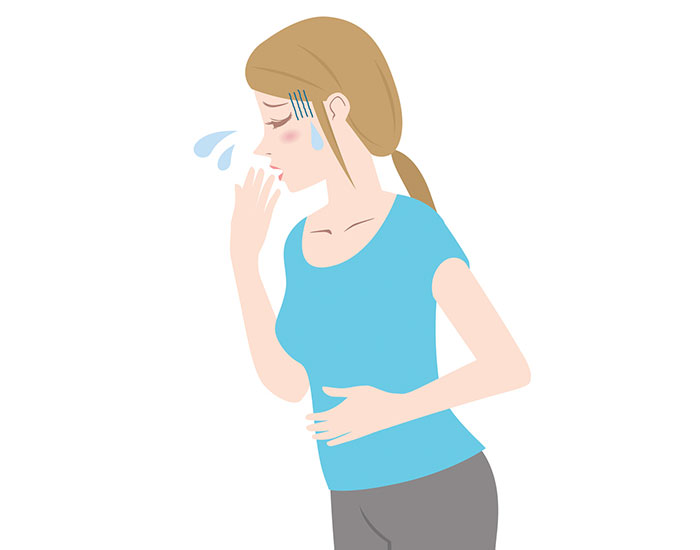
Nausea, an unsettling and often debilitating sensation, is that feeling of unease in the stomach which often precedes vomiting. This condition can significantly impact one’s quality of life, affecting daily activities and overall well-being. It isn’t a disease itself but a symptom of various underlying conditions, ranging from benign to severe.
Common Symptoms
Commonly, it is accompanied by other symptoms such as dizziness, sweating, increased saliva production, and an urge to vomit. These symptoms can vary in intensity and duration, sometimes leading to more severe complications like dehydration and weight loss if persistent. Nausea, the unsettling feeling of needing to vomit, is often accompanied by a variety of symptoms that can range from mild to severe. Understanding these symptoms in detail can help in identifying the underlying causes and determining the appropriate treatment.
Gastrointestinal Disturbances
One of the most immediate and direct symptoms accompanying nausea involves the gastrointestinal system. These disturbances can manifest as:
Abdominal Pain: Cramping or sharp pains in the stomach area can signal underlying digestive issues.
Bloating: An uncomfortable feeling of fullness and swelling in the abdomen, often due to excess gas or fluid.
Diarrhea: Frequent, loose, or watery stools that can accompany nausea, especially in cases of food poisoning or gastrointestinal infections.
Constipation: Difficulty in passing stools, leading to a buildup of waste in the intestines that can cause nausea.
Indigestion: Also known as dyspepsia, it includes discomfort or a burning feeling in the upper abdomen, often related to eating.
Neurological Symptoms
Nausea can also be accompanied by various neurological symptoms, reflecting the complex interaction between the brain and the digestive system:
Dizziness: A sensation of spinning or losing balance, often making it difficult to stand or walk steadily.
Lightheadedness: A feeling of faintness or about to pass out, which can precede or accompany nausea.
Headache: Pain or discomfort in the head, which can range from mild to severe and is often associated with migraines that also cause nausea.
Autonomic Nervous System Reactions
The body’s autonomic nervous system, which controls involuntary functions, often reacts strongly during episodes of nausea:
Sweating: Profuse sweating without physical exertion, often cold and clammy.
Salivation: Increased production of saliva, which can be a precursor to vomiting.
Flushing: Reddening of the skin, particularly on the face and neck, due to increased blood flow.
Behavioral and Emotional Symptoms
Nausea can affect an individual’s behavior and emotional state, contributing to a cycle of discomfort:
Anxiety: Feeling anxious or panicked, which can both cause and result from nausea.
Irritability: Increased sensitivity and irritability due to the ongoing discomfort.
Restlessness: Difficulty in staying still, often due to the discomfort of nausea.
Respiratory Symptoms
Although less common, some respiratory symptoms can accompany nausea, particularly in cases of severe distress:
Shortness of Breath: Difficulty in breathing or a feeling of not getting enough air.
Chest Tightness: A feeling of pressure or tightness in the chest, which can sometimes mimic more serious conditions like heart attacks.
Visual and Sensory Symptoms
Sensory disturbances can also occur with nausea, affecting vision and other senses:
Blurred Vision: Difficulty in seeing clearly, often linked to dizziness or migraines.
Sensitivity to Light and Sound: Increased sensitivity to bright lights or loud noises, which can exacerbate the feeling of nausea.
Vomiting
Vomiting, or the act of forcefully expelling the stomach’s contents through the mouth, is often the culmination of nausea. It can provide temporary relief but also lead to further complications if frequent:
Dry Heaving: The sensation of vomiting without expelling any contents, often after the stomach is empty.
Regurgitation: Bringing up swallowed food or liquid back up into the mouth.
Dehydration and Electrolyte Imbalance
Persistent nausea and vomiting can lead to dehydration and an imbalance of essential electrolytes, causing further symptoms:
Dry Mouth and Throat: A lack of saliva and moisture in the mouth and throat.
Dark Urine: Indicative of concentrated urine due to insufficient fluid intake.
Weakness and Fatigue: A general sense of tiredness and lack of energy due to dehydration and nutrient loss.
Understanding the Comprehensive Impact
Recognizing the array of symptoms that accompany nausea helps in pinpointing its underlying cause and implementing effective treatment strategies. While some symptoms are directly linked to gastrointestinal distress, others reflect broader systemic or neurological issues. Addressing these symptoms holistically can improve patient outcomes and enhance overall quality of life.
Causes of Nausea
Nausea can stem from a variety of sources, encompassing gastrointestinal, neurological, psychological, and other systemic factors. Understanding the detailed causes helps in identifying the most effective treatments and preventive measures. Here’s a comprehensive look at the diverse causes of nausea.
Gastrointestinal Issues
Gastrointestinal (GI) problems are among the most common causes of nausea. These issues affect the digestive tract and can range from temporary conditions to chronic illnesses.
Gastroenteritis: Often referred to as the stomach flu, this is an inflammation of the stomach and intestines caused by viral or bacterial infections. Symptoms include nausea, vomiting, diarrhea, and abdominal cramps.
Peptic Ulcers: Open sores that develop on the lining of the stomach, small intestine, or esophagus, often due to Helicobacter pylori infection or long-term use of NSAIDs (non-steroidal anti-inflammatory drugs). Nausea is a common symptom, especially after eating.
Gastroesophageal Reflux Disease (GERD): A chronic condition where stomach acid flows back into the esophagus, causing heartburn, nausea, and vomiting.
Irritable Bowel Syndrome (IBS): A functional GI disorder causing symptoms like cramping, abdominal pain, bloating, gas, diarrhea, and constipation, along with nausea.
Motion Sickness
Motion sickness occurs when there is a mismatch between the visual and vestibular systems. This conflict arises when the inner ear senses motion, but the eyes do not, or vice versa.
Traveling by Car, Plane, or Boat: The most common scenarios where motion sickness occurs, leading to nausea, vomiting, dizziness, and sweating.
Virtual Reality and Simulations: Increasingly, virtual reality environments or simulator rides can induce motion sickness in some individuals.
Pregnancy-Related Nausea
Hormonal changes during pregnancy, especially in the first trimester, can cause nausea and vomiting, commonly known as morning sickness.
Human Chorionic Gonadotropin (HCG): Elevated levels of HCG hormone are often associated with the onset of morning sickness.
Estrogen: Increased levels of estrogen during pregnancy can also contribute to nausea.
Medication Side Effects
Many medications can cause nausea as a side effect due to their effects on the stomach lining or the central nervous system.
Chemotherapy Drugs: Used in cancer treatment, these drugs often cause severe nausea and vomiting.
Antibiotics: Some antibiotics can irritate the stomach, leading to nausea.
Pain Relievers: Medications like NSAIDs and opioids can cause nausea, especially when taken on an empty stomach.
Psychological Factors
Emotional and psychological factors can significantly impact the digestive system, leading to nausea.
Anxiety and Stress: The body’s response to stress involves the release of adrenaline and other stress hormones, which can disrupt normal digestive processes and cause nausea.
Depression: Changes in appetite and digestive function associated with depression can also lead to nausea.
Food Poisoning
Foodborne illnesses result from consuming contaminated food or drinks. The pathogens involved can produce toxins that irritate the stomach and intestines.
Bacterial Infections: Common bacteria include Salmonella, E. coli, and Campylobacter.
Viral Infections: Norovirus and rotavirus are common viral causes of food poisoning.
Parasitic Infections: Parasites like Giardia and Cryptosporidium can also cause foodborne illness.
Chronic Illnesses
Several chronic conditions include nausea as a prominent symptom, requiring long-term management strategies.
Migraines: Severe headaches often accompanied by nausea and sensitivity to light and sound.
Diabetes: High blood sugar levels can lead to a condition called diabetic ketoacidosis, which includes nausea as a symptom.
Chronic Kidney Disease: Accumulation of waste products in the blood due to impaired kidney function can cause nausea.
Liver Disease: Conditions like hepatitis or liver cirrhosis affect the body’s ability to process toxins, leading to nausea.
Neurological Disorders
Certain neurological conditions can cause nausea by affecting the brain’s vomiting center or vestibular system.
Vestibular Disorders: Conditions like Meniere’s disease or vestibular neuritis affect the inner ear, leading to dizziness and nausea.
Brain Injuries: Concussions or other traumatic brain injuries can disrupt normal brain function, resulting in nausea.
Infections and Illnesses
Nausea is a common symptom of various infections and systemic illnesses.
Influenza (Flu): The flu virus often causes nausea, along with fever, aches, and fatigue.
Sepsis: A severe infection spreading throughout the body can cause nausea, among other serious symptoms.
Metabolic and Hormonal Imbalances
Disruptions in the body’s metabolic or hormonal balance can lead to nausea.
Hypoglycemia: Low blood sugar levels can cause symptoms like nausea, dizziness, and sweating.
Hyperthyroidism: An overactive thyroid can increase metabolism, leading to nausea and other symptoms like weight loss and anxiety.
Alcohol and Substance Use
Excessive alcohol consumption or withdrawal can cause nausea due to its irritating effects on the stomach lining and impact on the central nervous system.
Alcohol Intoxication: Drinking large amounts of alcohol can irritate the stomach and lead to nausea and vomiting.
Substance Withdrawal: Withdrawal from substances like alcohol or opioids can include nausea as a symptom.
Nausea is a multifaceted symptom with a wide range of causes. From gastrointestinal disturbances and motion sickness to psychological factors and chronic illnesses, understanding these causes in detail is crucial for effective diagnosis and treatment. Addressing the root cause of nausea is essential for alleviating this uncomfortable and often debilitating symptom, ensuring a better quality of life for those affected.
Diagnosing Nausea
Accurately diagnosing the cause of nausea is crucial for effective treatment and management. Since nausea can result from various underlying conditions, a thorough diagnostic process involving clinical evaluation, patient history, and specialized tests is essential. Here’s a detailed look at the steps and methods used in diagnosing nausea.
Clinical Evaluation
The first step in diagnosing nausea involves a detailed clinical evaluation by a healthcare professional. This includes a comprehensive medical history and a physical examination.
Medical History
Symptom Description: Patients are asked to describe their nausea, including its onset, duration, frequency, and severity. Specific details such as what triggers the nausea and any accompanying symptoms (e.g., vomiting, dizziness, abdominal pain) are crucial.
Diet and Lifestyle: Information about dietary habits, recent travel, medication use, and lifestyle factors (e.g., alcohol consumption, stress levels) helps in identifying potential causes.
Medical Conditions: A review of existing medical conditions, including chronic illnesses, recent infections, and any known allergies, provides context for understanding the nausea.
Physical Examination
Vital Signs: Checking vital signs like blood pressure, heart rate, temperature, and respiratory rate can indicate underlying conditions like infections or dehydration.
Abdominal Examination: Palpation and auscultation of the abdomen can reveal signs of gastrointestinal disorders, such as tenderness, distention, or abnormal bowel sounds.
Neurological Assessment: A neurological exam may be conducted if there are symptoms like dizziness, headaches, or changes in mental status, suggesting a possible central nervous system cause.
Laboratory Tests
Laboratory tests are often used to identify or rule out specific causes of nausea. These tests can include:
Blood Tests
Complete Blood Count (CBC): This test checks for signs of infection, anemia, or other blood disorders that could cause nausea.
Electrolyte Panel: Imbalances in electrolytes like sodium, potassium, and calcium can cause nausea and are assessed through this test.
Liver and Kidney Function Tests: These tests evaluate how well the liver and kidneys are working, as dysfunction in these organs can cause nausea.
Blood Glucose Levels: Measuring blood sugar levels helps in diagnosing conditions like diabetes or hypoglycemia, which can lead to nausea.
Thyroid Function Tests: Assessing thyroid hormone levels can help diagnose hyperthyroidism or hypothyroidism, both of which can cause nausea.
Urine Tests
Urinalysis: This test can detect signs of dehydration, infection, or metabolic conditions that might be causing nausea.
Pregnancy Test: For women of childbearing age, a pregnancy test is essential to determine if nausea is related to pregnancy.
Imaging Studies
Imaging studies help visualize internal structures and identify abnormalities that might cause nausea.
Ultrasound
Abdominal Ultrasound: This imaging test can detect gallstones, liver disease, kidney stones, and other abdominal issues.
Pelvic Ultrasound: For women, this test can help identify gynecological issues like ovarian cysts or ectopic pregnancies that might cause nausea.
CT Scan
Abdominal and Pelvic CT Scan: This more detailed imaging study can identify issues like appendicitis, bowel obstructions, or tumors.
Head CT Scan: If neurological symptoms accompany nausea, a head CT scan can help identify brain injuries, tumors, or other central nervous system issues.
MRI
Magnetic Resonance Imaging (MRI): MRI can provide detailed images of organs and tissues, helping diagnose conditions like brain disorders or spinal issues that might cause nausea.
Endoscopic Procedures
Endoscopic procedures allow direct visualization of the gastrointestinal tract and are useful in diagnosing GI-related causes of nausea.
Upper Endoscopy (EGD)
Esophagogastroduodenoscopy (EGD): This procedure involves inserting a flexible tube with a camera down the throat to examine the esophagus, stomach, and upper part of the small intestine. It can detect ulcers, inflammation, tumors, or other abnormalities.
Colonoscopy
Colonoscopy: This procedure involves inserting a flexible tube with a camera into the rectum to examine the colon. It helps diagnose conditions like colitis, diverticulosis, or colorectal cancer.
Specialized Tests
In some cases, specialized tests may be needed to pinpoint the cause of nausea.
Vestibular Function Tests
Electronystagmography (ENG): This test evaluates balance and eye movements to diagnose inner ear problems that might cause nausea and dizziness.
Rotational Chair Test: This test assesses the vestibular system’s function by measuring eye movements in response to controlled chair rotations.
Gastric Emptying Study
Gastric Emptying Scintigraphy: This test measures how quickly food leaves the stomach. It helps diagnose gastroparesis, a condition where the stomach empties too slowly, leading to nausea and vomiting.
Psychological Assessment
If psychological factors are suspected, a psychological assessment might be necessary.
Mental Health Evaluation
Stress and Anxiety Levels: Assessing stress and anxiety through questionnaires and interviews can help identify if these factors are contributing to nausea.
Depression Screening: Screening for depression using standardized tools can determine if depressive symptoms are linked to nausea.
When to See a Doctor
Persistent or severe nausea should not be ignored, as it can be a sign of a more serious underlying condition. It is advisable to seek medical attention if nausea:
Lasts for more than a few days without improvement.
Is accompanied by severe abdominal pain, chest pain, high fever, or severe headache.
Results in dehydration, characterized by dark urine, dizziness, or inability to keep fluids down.
Occurs with symptoms like blood in vomit, severe weight loss, or difficulty breathing.
Diagnosing nausea involves a comprehensive approach that includes a thorough clinical evaluation, laboratory tests, imaging studies, and specialized procedures. By identifying the root cause of nausea, healthcare professionals can develop targeted treatment plans to alleviate this discomforting symptom and improve the patient’s quality of life. Understanding when to seek medical help and what diagnostic tests might be involved can empower patients to take proactive steps in managing their health.
Treatments and Remedies
Over-the-Counter Medications
Antihistamines like dimenhydrinate and meclizine are commonly used to treat motion sickness-related nausea. Bismuth subsalicylate, found in medications like Pepto-Bismol, can help soothe stomach lining irritation and treat nausea caused by mild gastrointestinal distress.
Prescription Medications
For more severe or persistent nausea, doctors may prescribe medications like ondansetron, metoclopramide, or promethazine. These medications work by blocking signals in the brain that trigger nausea and vomiting.
Home Remedies
Home remedies can be effective for mild nausea. Ginger, in the form of tea, candies, or supplements, is a well-known remedy. Peppermint tea or oil can also provide relief. Staying hydrated, consuming small, frequent meals, and avoiding spicy or fatty foods can help manage symptoms.
Lifestyle Changes
Incorporating lifestyle changes can significantly reduce the frequency and severity of it. These include maintaining a balanced diet, regular exercise, and practicing relaxation techniques like yoga and meditation to manage stress.
Preventing Nausea
Dietary Adjustments
Eating a bland diet, avoiding strong odors, and opting for easy-to-digest foods can prevent it. Foods like bananas, rice, applesauce, and toast (the BRAT diet) are often recommended.
Hydration
Staying hydrated is crucial in preventing and managing it. Sipping on clear fluids like water, broth, or herbal teas can help keep it at bay.
Avoiding Triggers
Identifying and avoiding triggers, such as certain foods, strong smells, or stressful situations, can prevent it. Keeping a symptom diary can help pinpoint these triggers.
Stress Management
Effective stress management through techniques like deep breathing, progressive muscle relaxation, and mindfulness can reduce the incidence of nausea related to psychological factors.
Living with Chronic Nausea
Coping Strategies
Living with chronic nausea requires effective coping strategies. These may include dietary modifications, regular medical consultations, and incorporating relaxation techniques into daily routines.
Support Systems
Having a robust support system of family, friends, and healthcare providers is essential. Support groups, whether in-person or online, can provide valuable advice and emotional support.
Long-Term Management
Long-term management of chronic nausea involves a comprehensive approach that includes regular monitoring, medication adjustments, and lifestyle changes to maintain a good quality of life.
Nausea in Special Populations
Nausea in Children
Children are particularly susceptible to it from motion sickness, infections, and anxiety. Ensuring they stay hydrated and offering simple, bland foods can help manage their symptoms.
Nausea in the Elderly
Nausea in the elderly can be due to various factors, including medication side effects, chronic illnesses, or decreased mobility. Tailored treatment plans that consider their overall health and existing conditions are crucial.
Nausea in Cancer Patients
Cancer patients undergoing chemotherapy or radiation often experience it. Managing this involves anti-nausea medications, dietary changes, and complementary therapies like acupuncture.
Alternative and Complementary Therapies
Acupuncture
Acupuncture has been shown to reduce it, particularly in patients undergoing chemotherapy or experiencing chronic nausea. This ancient practice involves inserting thin needles into specific points on the body to balance energy flow.
Herbal Supplements
Herbal supplements like ginger, peppermint, and chamomile are popular natural remedies for it. These can be taken in various forms, such as teas, capsules, or extracts.
Aromatherapy
Aromatherapy using essential oils like peppermint, lemon, or lavender can help alleviate it. Inhaling these scents or using them in a diffuser can provide quick relief.
FAQs
How can I tell if my nausea is serious? Serious nausea is often accompanied by symptoms like severe pain, high fever, fainting, or persistent vomiting. If these symptoms occur, seek medical attention immediately.
What foods should I avoid if I feel nauseous? Avoid spicy, fatty, or greasy foods, as well as strong-smelling foods. Stick to bland, easy-to-digest foods like crackers, toast, and rice.
Can dehydration cause nausea? Yes, dehydration can lead to nausea. It’s essential to stay hydrated by drinking plenty of fluids throughout the day.
How is nausea related to migraines? Nausea is a common symptom of migraines, often due to changes in brain activity and blood flow. Managing migraines can help reduce nausea.
What are the best remedies for morning sickness? Ginger, vitamin B6 supplements, and small, frequent meals can help alleviate morning sickness. Staying hydrated and resting can also be beneficial.
How can I prevent it when traveling? To prevent travel-related nausea, try sitting in the front seat of a car, looking at the horizon, and avoiding reading or screen time. Taking antihistamines before travel can also help.
Conclusion
It, though common, can significantly impact daily life and overall well-being. Understanding its causes, recognizing symptoms, and exploring various treatments and preventive measures can help manage and alleviate this uncomfortable sensation. Whether through medical intervention, lifestyle changes, or alternative therapies, finding effective ways to combat it is essential for maintaining good health and a high quality of life.
Meet Your Doctor
The Best Laparoscopic Surgeon in Indore
Dr. Nikunj Jain is a renowned Gastro & Minimal Access Laparoscopic Surgeon.
He is a Surgical Gastroenterologist, Consultant Surgeon at Apollo Hospital, Indore having expertise in laparoscopic, Laser, and Robotic Surgery.
You can be confident that with Dr. Nikunj Jain your well-being is in the capable hands of a highly-skilled Minimally Invasive Laparoscopic & Robotic Surgeon. Dr. Nikunj Jain strives to treat his patients with an honest, straightforward, and caring nature in a safe and comfortable environment.
Dr. Nikunj Jain has been awarded Dr. B. Ramamurthi National Gold Medal by National Board of Examination.
Email your reports
drnikunjjain@gmail.com
Call Now to book Appointment
+91-97114-59697
Head Quarter Building
3rd Floor, Satya Sai Square, Vijay Nagar, Indore – MP
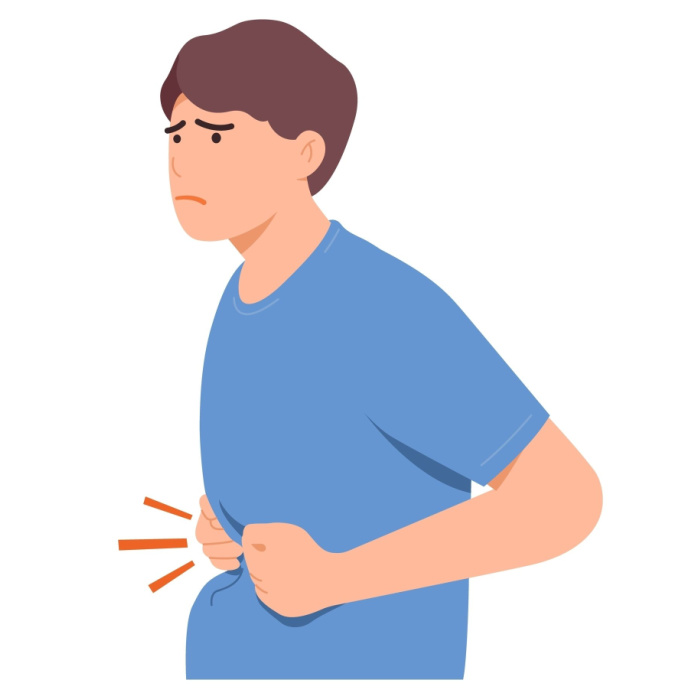
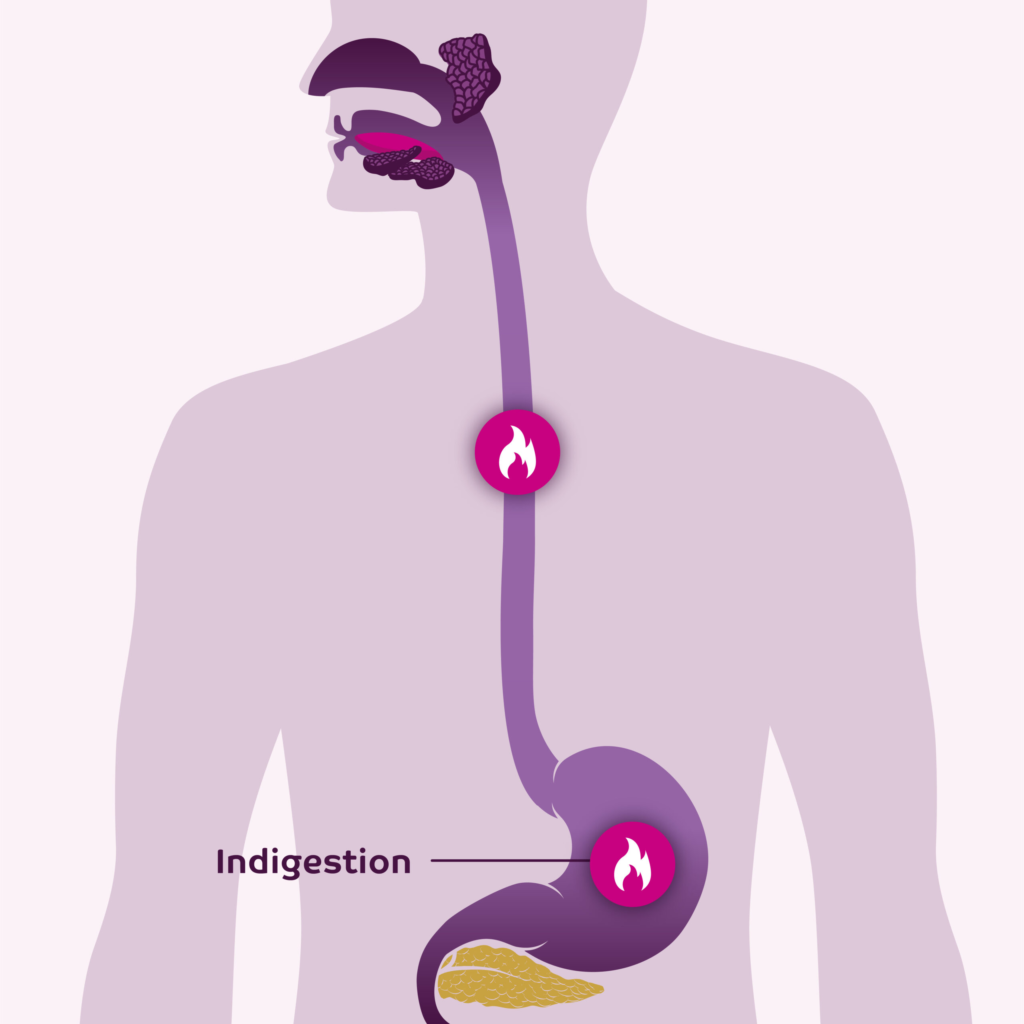
Indigestion, also known as dyspepsia, is a common issue affecting millions of people worldwide. Characterized by discomfort or pain in the upper abdomen, indigestion can interfere with daily activities and overall well-being. Understanding the causes and remedies for indigestion is crucial for finding relief and maintaining good digestive health.
Introduction
Indigestion is a term used to describe a range of digestive issues, from mild discomfort to severe pain in the upper abdomen. This condition can occur after eating certain foods, drinking beverages, or due to stress. Symptoms often include bloating, belching, nausea, and a burning sensation in the stomach. By identifying the underlying causes and implementing effective relief tips, individuals can manage and prevent indigestion, leading to a more comfortable and healthier life.
Common Causes of Indigestion
Indigestion, also known as dyspepsia, is a prevalent issue that many individuals encounter. Understanding its causes can help in managing and preventing the discomfort it brings. The reasons behind indigestion are multifaceted, involving dietary choices, lifestyle habits, and medical conditions. Here, we delve into these causes in detail.
Dietary Factors
Spicy and Fatty Foods
Spicy foods, often rich in capsaicin, can irritate the stomach lining, leading to discomfort and heartburn. Similarly, fatty foods slow down digestion because they take longer to break down. This delayed digestion can cause the stomach to feel heavy and bloated, often resulting in indigestion.
Caffeinated and Carbonated Drinks
Caffeine stimulates the production of stomach acid, which can exacerbate symptoms of indigestion. Carbonated beverages introduce excess air into the digestive system, leading to bloating and discomfort. Both caffeine and carbonation can weaken the lower esophageal sphincter, allowing stomach acid to reflux into the esophagus.
Overeating
Consuming large meals overwhelms the stomach’s ability to produce sufficient digestive enzymes. This can cause food to remain in the stomach longer, leading to bloating and discomfort. Overeating also increases the pressure on the stomach, contributing to acid reflux and indigestion.
Alcohol Consumption
Alcohol irritates the stomach lining and increases acid production. It also relaxes the lower esophageal sphincter, making it easier for stomach acid to travel back into the esophagus, causing heartburn and indigestion.
Lifestyle Habits
Eating Too Quickly
Eating rapidly can lead to swallowing air along with food, which contributes to bloating and indigestion. It also prevents thorough chewing, meaning larger food particles reach the stomach, requiring more digestive effort and increasing the risk of discomfort.
Smoking
Nicotine in cigarettes relaxes the lower esophageal sphincter, allowing stomach acid to reflux into the esophagus. Smoking also reduces the production of bicarbonate, a substance that helps neutralize stomach acid, thus increasing the risk of indigestion.
Lack of Physical Activity
A sedentary lifestyle can slow down the digestive process, making it more likely for food to stay in the stomach longer. Physical activity helps stimulate the digestive tract, promoting regular bowel movements and reducing the risk of indigestion.
Medical Conditions
Gastroesophageal Reflux Disease (GERD)
GERD is a chronic condition where stomach acid frequently flows back into the esophagus, irritating its lining. This backward flow of acid can cause persistent heartburn and indigestion. GERD often requires medical treatment and lifestyle adjustments to manage effectively.
Peptic Ulcers
Peptic ulcers are sores that develop on the lining of the stomach or the first part of the small intestine. They are often caused by an infection with Helicobacter pylori or prolonged use of nonsteroidal anti-inflammatory drugs (NSAIDs). Ulcers can cause a burning sensation and pain in the stomach, leading to indigestion.
Gallstones
Gallstones are hardened deposits that can form in the gallbladder. When these stones block the bile ducts, they can cause severe pain and digestive issues, including indigestion. Gallstones often require medical intervention, such as medication or surgery, to remove or dissolve them.
Helicobacter Pylori Infection
This bacterium can cause chronic inflammation of the stomach lining, leading to peptic ulcers and increased acid production. The presence of H. pylori in the stomach can disrupt normal digestive processes, causing symptoms of indigestion.
Other Contributing Factors
Stress and Anxiety
Emotional stress and anxiety can impact the digestive system, leading to symptoms such as indigestion. Stress can increase stomach acid production and alter gut motility, causing discomfort and bloating.
Medications
Certain medications can irritate the stomach lining or relax the lower esophageal sphincter, contributing to indigestion. Common culprits include NSAIDs, antibiotics, and medications for high blood pressure or heart conditions.
Pregnancy
During pregnancy, hormonal changes and the growing uterus can put pressure on the stomach, leading to indigestion. Additionally, increased levels of progesterone relax the lower esophageal sphincter, making acid reflux more likely.
Indigestion is a multifactorial condition with a wide range of causes. By understanding these causes, individuals can take proactive steps to manage and prevent indigestion. Whether through dietary adjustments, lifestyle changes, or medical interventions, addressing the underlying factors of indigestion can lead to significant improvements in digestive health and overall well-being.
Effective Indigestion Relief Tips
Indigestion, a common digestive issue characterized by discomfort or pain in the upper abdomen, can significantly impact daily life. Fortunately, there are various strategies to alleviate symptoms and promote better digestive health. This detailed guide explores effective indigestion relief tips, encompassing dietary adjustments, medications, natural remedies, and lifestyle changes.
Dietary Adjustments
Eat Smaller, More Frequent Meals: Large meals can overwhelm your digestive system, leading to indigestion. Opt for smaller, more frequent meals throughout the day. This approach helps maintain steady energy levels and reduces the burden on your stomach.
Chew Food Thoroughly: Chewing food properly is essential for digestion. It breaks down food particles into smaller pieces, making it easier for your stomach to process. Thorough chewing also mixes food with saliva, which contains digestive enzymes that begin breaking down carbohydrates.
Avoid Trigger Foods: Identify and avoid foods that trigger your indigestion. Common culprits include spicy, fatty, and acidic foods. Keeping a food diary can help you pinpoint specific items that cause discomfort.
Stay Hydrated: Drinking plenty of water aids digestion by helping dissolve nutrients and move them smoothly through your digestive tract. Aim for at least eight glasses of water a day, but avoid drinking large amounts during meals as this can dilute digestive juices.
Limit Caffeine and Alcohol: Caffeine and alcohol can irritate the stomach lining and increase acid production. Limiting or avoiding these beverages can help reduce indigestion symptoms. Opt for herbal teas or water instead.
Over-the-Counter Medications
Antacids: Antacids neutralize stomach acid and provide quick relief from heartburn and indigestion. They are available in various forms, including tablets, liquids, and chewables. Common ingredients include calcium carbonate, magnesium hydroxide, and aluminum hydroxide.
H2 Blockers: H2 blockers reduce the amount of acid your stomach produces. They are useful for treating chronic indigestion and providing longer-lasting relief than antacids. Common H2 blockers include ranitidine, famotidine, and cimetidine.
Proton Pump Inhibitors (PPIs): PPIs are stronger acid reducers that block the enzyme in the stomach wall responsible for producing acid. They provide long-lasting relief and are often used to treat severe indigestion or GERD. Examples include omeprazole, esomeprazole, and lansoprazole.
Natural Remedies
Ginger: Ginger is renowned for its digestive properties. It helps stimulate saliva, bile, and gastric juices, aiding in digestion. You can consume ginger in various forms, such as fresh ginger root, ginger tea, or ginger supplements.
Peppermint: Peppermint has antispasmodic properties that help relax the muscles of the gastrointestinal tract. Peppermint oil capsules or peppermint tea can be effective in relieving symptoms of indigestion, particularly those associated with IBS.
Chamomile Tea: Chamomile tea is known for its calming effects and can help soothe the digestive tract. Drinking a cup of chamomile tea after meals can reduce inflammation and ease digestive discomfort.
Probiotics: Probiotics are beneficial bacteria that promote a healthy gut flora. They can be found in yogurt, fermented foods, or as supplements. Probiotics help balance the gut microbiota, improving digestion and reducing symptoms of indigestion.
Lifestyle Changes
Exercise Regularly: Regular physical activity promotes digestion by stimulating intestinal contractions, helping move food through your digestive system. Aim for at least 30 minutes of moderate exercise, such as walking, swimming, or cycling, most days of the week.
Avoid Lying Down After Eating: Lying down immediately after eating can lead to acid reflux and indigestion. Wait at least two to three hours before lying down or going to bed to allow your food to digest properly.
Manage Stress: Stress can negatively impact your digestive health, leading to symptoms like indigestion. Incorporate stress-reducing techniques into your routine, such as yoga, meditation, deep breathing exercises, or mindfulness practices.
Quit Smoking: Smoking weakens the lower esophageal sphincter, increasing the risk of acid reflux and indigestion. Quitting smoking can significantly improve your digestive health and overall well-being.
Wear Loose-Fitting Clothing: Tight clothing, especially around the waist, can put pressure on your stomach and contribute to indigestion. Opt for loose-fitting garments to reduce this pressure and improve comfort.
Indigestion can be a bothersome and uncomfortable condition, but with the right strategies, it is manageable. By making dietary adjustments, using over-the-counter medications, incorporating natural remedies, and adopting healthy lifestyle habits, you can effectively relieve indigestion and promote better digestive health. If symptoms persist or worsen, seek medical advice to ensure there are no underlying serious conditions. Prioritizing your digestive health will lead to improved overall well-being and a more comfortable daily life.
When to Seek Medical Attention
Indigestion is a common issue that many people experience occasionally. While it is usually manageable with lifestyle changes and over-the-counter remedies, there are times when indigestion could indicate a more serious underlying condition. Recognizing when to seek medical attention is crucial for your health and well-being. This detailed guide outlines the symptoms and scenarios that necessitate professional medical evaluation.
Unexplained Weight Loss
Unexplained weight loss is a significant red flag that warrants medical attention. If you notice a sudden, unintentional loss of weight without changes to your diet or exercise routine, it could be a sign of an underlying condition such as:
Cancer: Stomach, pancreatic, or esophageal cancers can cause unexplained weight loss.
Chronic infections: Persistent infections, such as tuberculosis, can lead to weight loss.
Malabsorption syndromes: Conditions like celiac disease or Crohn’s disease affect the body’s ability to absorb nutrients, leading to weight loss.
Severe or Prolonged Abdominal Pain
Experiencing severe or prolonged abdominal pain should never be ignored. This type of pain can indicate serious conditions, including:
Gastroesophageal reflux disease (GERD): Chronic acid reflux can cause persistent pain and discomfort.
Peptic ulcers: These are sores on the stomach lining or the first part of the small intestine, often caused by Helicobacter pylori infection or long-term use of NSAIDs.
Gallstones: Hardened deposits in the gallbladder that can block bile ducts and cause severe pain.
Pancreatitis: Inflammation of the pancreas, often causing severe pain that radiates to the back.
Difficulty Swallowing
Difficulty swallowing, known as dysphagia, is a serious symptom that requires immediate medical evaluation. It can result from:
Esophageal stricture: Narrowing of the esophagus due to inflammation or scar tissue.
Esophageal cancer: A malignancy in the esophagus can obstruct the passage of food.
Neurological disorders: Conditions like Parkinson’s disease or stroke can affect the muscles involved in swallowing.
Persistent Vomiting or Diarrhea
Vomiting and diarrhea are symptoms that can quickly lead to dehydration and electrolyte imbalances. Persistent or severe episodes need medical attention for the following reasons:
Infections: Bacterial, viral, or parasitic infections can cause prolonged vomiting and diarrhea.
Inflammatory bowel disease (IBD): Chronic conditions like Crohn’s disease and ulcerative colitis can cause ongoing gastrointestinal distress.
Food poisoning: Severe cases can result in prolonged symptoms requiring medical intervention.
Black, Tarry Stools or Blood in the Stool
The presence of black, tarry stools (melena) or visible blood in the stool is a serious sign of gastrointestinal bleeding. Possible causes include:
Peptic ulcers: Bleeding ulcers can cause dark, tarry stools.
Gastrointestinal tumors: Both benign and malignant tumors can bleed.
Diverticulosis: Small pouches in the colon can become inflamed or infected, leading to bleeding.
Other Concerning Symptoms
In addition to the above symptoms, other signs that indicate a need for medical evaluation include:
Severe chest pain: Chest pain that radiates to the arm, neck, or jaw, especially if accompanied by shortness of breath, sweating, or dizziness, could indicate a heart attack.
Jaundice: Yellowing of the skin and eyes can signal liver or gallbladder issues.
Persistent fatigue: Extreme tiredness that doesn’t improve with rest can be a sign of underlying health issues like anemia or chronic disease.
Risk Factors and Pre-existing Conditions
Certain individuals are at higher risk for serious complications related to indigestion and should be more vigilant about seeking medical care. These include:
Older adults: Age increases the risk of gastrointestinal cancers and other serious conditions.
People with a history of gastrointestinal disorders: Individuals with a history of ulcers, GERD, or inflammatory bowel disease should be cautious.
Individuals with chronic diseases: Those with diabetes, heart disease, or other chronic conditions should seek medical advice if indigestion symptoms persist.
Preparing for Your Doctor’s Visit
When seeking medical attention for indigestion, it’s helpful to be prepared. Consider the following tips:
Keep a symptom diary: Track your symptoms, including when they occur, their severity, and any potential triggers.
List your medications: Provide your doctor with a list of all medications, including over-the-counter drugs and supplements.
Note dietary habits: Record what you eat and drink, as well as any changes to your diet.
Prepare questions: Write down any questions or concerns you have about your symptoms and treatment options.
While indigestion is often a minor inconvenience, persistent or severe symptoms should not be ignored. Recognizing the warning signs that indicate a need for medical attention is crucial for early diagnosis and treatment of potentially serious conditions. By staying informed and proactive about your digestive health, you can ensure timely intervention and better outcomes for your overall well-being.
FAQs
What are the main symptoms of indigestion?
Indigestion symptoms include discomfort or pain in the upper abdomen, bloating, belching, nausea, and a burning sensation in the stomach.
Can stress cause indigestion?
Yes, stress can affect your digestive system, leading to symptoms like indigestion. Managing stress through relaxation techniques can help alleviate these symptoms.
What foods should I avoid to prevent indigestion?
Avoid spicy, fatty, and acidic foods, as well as caffeinated and carbonated beverages. Eating smaller, more frequent meals can also help prevent indigestion.
Are there any natural remedies for indigestion?
Yes, ginger, peppermint, and chamomile tea are effective natural remedies for indigestion. These can soothe the stomach and promote better digestion.
When should I see a doctor for indigestion?
Seek medical attention if you experience severe or persistent symptoms, unexplained weight loss, difficulty swallowing, or blood in your stool.
Can lifestyle changes help with indigestion?
Yes, adopting healthy lifestyle habits such as regular exercise, avoiding large meals before bedtime, managing stress, and quitting smoking can significantly reduce indigestion symptoms.
Conclusion
Indigestion can be a bothersome condition, but with the right strategies, it is manageable. By understanding the common causes and implementing effective relief tips, individuals can improve their digestive health and overall well-being. If symptoms persist or worsen, consulting a healthcare professional is crucial to rule out any underlying medical conditions.
Meet Your Doctor
The Best Laparoscopic Surgeon in Indore
Dr. Nikunj Jain is a renowned Gastro & Minimal Access Laparoscopic Surgeon.
He is a Surgical Gastroenterologist, Consultant Surgeon at Apollo Hospital, Indore having expertise in laparoscopic, Laser, and Robotic Surgery.
You can be confident that with Dr. Nikunj Jain your well-being is in the capable hands of a highly-skilled Minimally Invasive Laparoscopic & Robotic Surgeon. Dr. Nikunj Jain strives to treat his patients with an honest, straightforward, and caring nature in a safe and comfortable environment.
Dr. Nikunj Jain has been awarded Dr. B. Ramamurthi National Gold Medal by National Board of Examination.
Email your reports
drnikunjjain@gmail.com
Call Now to book Appointment
+91-97114-59697
Head Quarter Building
3rd Floor, Satya Sai Square, Vijay Nagar, Indore – MP
Abdominal pain is a prevalent issue that can vary from mild discomfort to severe agony, affecting people of all ages. It can be triggered by numerous factors, ranging from digestive disorders to infections and chronic illnesses. Understanding how to manage and alleviate abdominal pain is crucial for maintaining a good quality of life. This article explores various strategies and remedies to help reduce abdominal pain and enhance digestive health.
Introduction
Abdominal pain can disrupt daily activities and significantly impact overall well-being. Whether it’s a sharp, intermittent pain or a dull, persistent ache, identifying the cause is the first step towards effective relief. By understanding the different causes of abdominal pain and implementing appropriate measures, you can find substantial relief and improve your digestive health.
Identifying the Causes of Abdominal Pain
Understanding the root causes of abdominal pain is essential for choosing the right treatment approach. The pain can stem from various organs and systems within the abdomen, each requiring different management strategies.
Digestive Disorders
Common digestive disorders such as irritable bowel syndrome (IBS), gastroesophageal reflux disease (GERD), and peptic ulcers are significant contributors to abdominal pain. These conditions can cause symptoms like cramps, bloating, and burning sensations.
Infections
Infections like gastroenteritis, commonly known as stomach flu, can lead to severe abdominal pain. These are often accompanied by symptoms like diarrhea, vomiting, and fever.
Inflammatory Conditions
Chronic inflammatory conditions such as Crohn’s disease and ulcerative colitis cause ongoing abdominal pain due to inflammation in the digestive tract.
Food Intolerances and Allergies
Reactions to certain foods, such as lactose intolerance or gluten sensitivity, can cause abdominal pain, bloating, and gas.
Menstrual Cramps
Many women experience lower abdominal pain due to menstrual cramps, caused by uterine contractions during their menstrual cycle.
Constipation and Gas
Constipation and trapped gas are common sources of abdominal pain, often resulting from dietary choices, dehydration, or lack of physical activity.
Dietary Changes to Reduce Abdominal Pain
Abdominal pain is a prevalent issue that can vary from mild discomfort to severe agony, affecting people of all ages. It can be triggered by numerous factors, ranging from digestive disorders to infections and chronic illnesses. Understanding how to manage and alleviate abdominal pain is crucial for maintaining a good quality of life. This article explores various strategies and remedies to help reduce abdominal pain and enhance digestive health.
What you eat plays a significant role in managing abdominal pain. By making mindful dietary choices, you can alleviate symptoms and promote better digestive health.
Eating a Balanced Diet
A balanced diet rich in fiber, fruits, vegetables, lean proteins, and whole grains supports healthy digestion and can prevent abdominal pain. Fiber is particularly important as it helps regulate bowel movements and prevents constipation. Aim to include a variety of foods in your diet to ensure you’re getting a wide range of nutrients.
Fiber-Rich Foods: Foods high in fiber, such as whole grains, legumes, fruits, and vegetables, can help regulate digestion and prevent constipation, which is a common cause of abdominal pain.
Lean Proteins: Opt for lean proteins like chicken, fish, and plant-based proteins to avoid adding extra fat that can slow digestion and lead to discomfort.
Healthy Fats: Include healthy fats from sources like avocados, nuts, seeds, and olive oil. These fats can support overall digestive health without causing the irritation that saturated fats might.
Avoiding Trigger Foods
Identifying and avoiding foods that trigger abdominal pain is crucial. Common culprits include spicy foods, fatty foods, caffeine, and carbonated beverages.
Spicy Foods: Spicy foods can irritate the digestive tract and exacerbate symptoms of conditions like acid reflux and IBS. If you notice that spicy foods cause discomfort, try to limit or eliminate them from your diet.
Fatty Foods: Foods high in fat can be difficult to digest and may cause bloating and abdominal pain. Choose leaner options and avoid fried and greasy foods.
Caffeine: Caffeine can stimulate acid production in the stomach, leading to heartburn and abdominal pain. Limiting coffee, tea, and caffeinated sodas can help reduce these symptoms.
Carbonated Beverages: Carbonated drinks can cause gas and bloating, leading to discomfort. Opt for still water or herbal teas instead.
Staying Hydrated
Proper hydration is essential for digestion and preventing constipation. Aim to drink at least eight glasses of water a day to keep your digestive system functioning smoothly.
Water: Drinking plenty of water throughout the day helps maintain hydration and supports digestion. It also helps soften stool, making it easier to pass and preventing constipation.
Electrolyte Balance: In addition to water, consider drinks that help balance electrolytes, especially if you’re losing fluids due to vomiting or diarrhea.
Eating Smaller, Frequent Meals
Consuming smaller, more frequent meals can ease the burden on your digestive system and reduce the risk of abdominal pain and bloating.
Portion Control: Eating large meals can overwhelm the digestive system and cause discomfort. Smaller, more manageable portions allow for better digestion and nutrient absorption.
Frequent Eating: Instead of the traditional three large meals a day, try eating five to six smaller meals. This can help maintain a steady flow of nutrients and energy while avoiding the spikes and crashes that large meals might cause.
Incorporating Probiotics
Probiotics found in foods like yogurt and fermented products can help maintain a healthy gut microbiome, improving digestion and reducing discomfort.
Yogurt: Choose yogurt with live and active cultures to introduce beneficial bacteria into your gut. This can help balance the microbiome and improve digestion.
Fermented Foods: Foods like kefir, sauerkraut, kimchi, and miso are rich in probiotics. These foods can support gut health and reduce symptoms of indigestion and bloating.
Monitoring Food Intolerances
If you suspect that certain foods are causing abdominal pain, it may be helpful to keep a food diary to track what you eat and any symptoms you experience. This can help identify patterns and pinpoint specific triggers.
Lactose Intolerance: For those with lactose intolerance, dairy products can cause significant discomfort. Switching to lactose-free dairy alternatives or using lactase supplements can help manage symptoms.
Gluten Sensitivity: If gluten is a trigger, consider trying a gluten-free diet. Many gluten-free alternatives are available, including grains like rice and quinoa.
Slow and Mindful Eating
Eating too quickly can lead to swallowing air, which may cause gas and bloating. Practicing mindful eating by chewing slowly and savoring your food can improve digestion and reduce discomfort.
Chew Thoroughly: Chewing food thoroughly breaks it down into smaller pieces, making it easier for your digestive system to process.
Mindful Eating: Focus on your meal without distractions, such as watching TV or using your phone. This can help you eat more slowly and pay attention to your body’s hunger and fullness signals.
Dietary changes are a powerful tool in managing and reducing abdominal pain. By eating a balanced diet, avoiding trigger foods, staying hydrated, eating smaller and more frequent meals, incorporating probiotics, and monitoring food intolerances, you can support your digestive health and alleviate discomfort. Remember to listen to your body and make adjustments as needed. If abdominal pain persists, it is important to consult with a healthcare professional to rule out any underlying conditions and receive personalized advice.
Lifestyle Modifications to Alleviate Abdominal Pain
In addition to dietary changes, certain lifestyle modifications can significantly reduce abdominal pain.
Regular Physical Activity
Engaging in regular physical activity helps stimulate digestion and prevents issues like constipation and bloating. Aim for at least 30 minutes of moderate exercise most days of the week.
Managing Stress
Stress can exacerbate abdominal pain by affecting digestive processes. Techniques such as yoga, meditation, and deep breathing exercises can help manage stress and reduce pain.
Getting Adequate Sleep
Quality sleep is essential for overall health, including digestive health. Aim for 7-9 hours of sleep per night to help your body recover and function optimally.
Avoiding Smoking and Excessive Alcohol Consumption
Smoking and excessive alcohol intake can irritate the stomach lining and exacerbate abdominal pain. Reducing or eliminating these habits can significantly improve digestive health.
Practicing Good Posture
Maintaining good posture can aid digestion and reduce abdominal pain. Avoid slouching, especially after meals, to prevent discomfort.
Home Remedies for Immediate Relief
Several home remedies can provide quick relief from abdominal pain. These remedies are easy to implement and can help alleviate discomfort effectively.
Warm Compress
Applying a warm compress or heating pad to the abdomen can relax the muscles and reduce pain. Heat therapy is particularly effective for menstrual cramps and muscle spasms.
Herbal Teas
Certain herbal teas, such as peppermint, ginger, and chamomile, have soothing properties that can help relieve abdominal pain and reduce bloating.
Over-the-Counter Medications
Over-the-counter medications like antacids, anti-gas tablets, and pain relievers can provide quick relief from abdominal pain. However, they should be used sparingly and under the guidance of a healthcare professional.
Hydration and Electrolytes
Drinking plenty of water and replenishing electrolytes can help relieve pain caused by dehydration and digestive issues.
Gentle Exercise
Gentle exercises such as walking or yoga can help stimulate digestion and relieve gas and bloating.
Medical Treatments for Persistent Pain
If abdominal pain persists despite home remedies and lifestyle changes, it may be necessary to seek medical treatment. A healthcare professional can provide a thorough evaluation and recommend appropriate interventions.
Medications
Prescription medications, such as antispasmodics, acid reducers, and antibiotics, may be necessary to treat underlying conditions causing abdominal pain.
Physical Therapy
Physical therapy can help manage pain, especially if it is related to muscle tension or postural issues. Techniques such as abdominal massage and targeted exercises can provide relief.
Surgical Interventions
In some cases, surgical interventions may be required to treat conditions like gallstones, appendicitis, or hernias that cause abdominal pain.
Alternative Therapies
Alternative therapies such as acupuncture, chiropractic care, and biofeedback can also be effective in managing chronic abdominal pain.
When to Seek Medical Help
While many cases of abdominal pain can be managed at home, certain symptoms warrant immediate medical attention. Knowing when to seek help is crucial to prevent complications.
Severe Pain
Severe or persistent abdominal pain that does not improve with home remedies or over-the-counter medications should be evaluated by a healthcare professional.
Accompanying Symptoms
If abdominal pain is accompanied by symptoms such as fever, vomiting, jaundice, or blood in stool, seek medical attention promptly.
Unexplained Weight Loss
Unexplained weight loss along with abdominal pain can indicate a serious underlying condition and should be investigated.
Chronic Conditions
Individuals with chronic conditions such as IBD, GERD, or IBS should consult their healthcare provider if they experience changes in symptoms or increased pain.
FAQs
What are the most common causes of abdominal pain?
Common causes of abdominal pain include digestive disorders, infections, inflammatory conditions, food intolerances, menstrual cramps, constipation, and gas.
How can diet help reduce abdominal pain?
A balanced diet rich in fiber, fruits, vegetables, lean proteins, and whole grains supports healthy digestion and can prevent abdominal pain. Avoiding trigger foods and staying hydrated also helps.
What lifestyle changes can alleviate abdominal pain?
Regular physical activity, stress management, adequate sleep, avoiding smoking and excessive alcohol consumption, and maintaining good posture can alleviate abdominal pain.
What home remedies can provide quick relief from abdominal pain?
Home remedies such as warm compresses, herbal teas, over-the-counter medications, hydration, and gentle exercise can provide quick relief from abdominal pain.
When should I seek medical help for abdominal pain?
Seek medical help if you experience severe pain, accompanying symptoms like fever or blood in stool, unexplained weight loss, or if you have a chronic condition and notice changes in symptoms.
What medical treatments are available for persistent abdominal pain?
Medical treatments for persistent abdominal pain include prescription medications, physical therapy, surgical interventions, and alternative therapies like acupuncture and chiropractic care.
Conclusion
Abdominal pain can be distressing and disruptive, but with the right approach, it is possible to find relief and improve your digestive health. By understanding the causes, making dietary and lifestyle changes, utilizing home remedies, and knowing when to seek medical help, you can effectively manage and reduce abdominal pain. Stay proactive about your health and consult a healthcare professional if needed to ensure the best outcomes for your digestive well-being.
Abdominal pain, also known as stomach pain or belly pain, is a common complaint that can arise from a variety of conditions. It can range from a mild ache to severe pain and can occur in any part of the abdomen. This pain can be a symptom of a minor, temporary condition or a more serious underlying health issue. Understanding abdominal pain’s causes, types, and treatment options is crucial for effectively addressing it.
What is Abdominal Pain?
Abdominal pain is discomfort or pain that occurs in the area between the chest and the pelvis. It can affect multiple organs, including the stomach, liver, pancreas, intestines, kidneys, and gallbladder. The pain can be localized (confined to one area) or diffuse (spread throughout the abdomen). It can also vary in nature, being sharp, dull, crampy, or throbbing.
Types of Abdominal Pain
Acute Abdominal Pain
Acute abdominal pain comes on suddenly and is usually severe. It can be a sign of a serious condition that requires immediate medical attention, such as appendicitis or a perforated ulcer.
Chronic Abdominal Pain
Chronic abdominal pain persists for weeks or months and may be intermittent or continuous. Conditions such as irritable bowel syndrome (IBS), chronic pancreatitis, and peptic ulcers often cause chronic pain.
Referred Pain
Referred pain is pain that is felt in a different area than its source. For example, a problem in the lower abdomen might cause pain to be felt in the back.
Localized Pain
Localized pain is confined to one area of the abdomen. It is often related to an issue in a specific organ, such as the appendix, gallbladder, or stomach.
Generalized Pain
Generalized pain is spread throughout the abdomen. It can be caused by a wide range of conditions, including indigestion, gas, or a viral stomach infection.
Common Causes of Abdominal Pain
Abdominal pain can be caused by various factors, ranging from dietary choices to infections and chronic diseases. Some common causes include:
Digestive Issues
Indigestion: Often caused by overeating, eating too quickly, or consuming fatty or spicy foods.
Gas and Bloating: Caused by swallowing air or consuming gas-producing foods.
Constipation: Leads to discomfort and pain due to hard or infrequent stools.
Infections
Gastroenteritis: Commonly known as stomach flu, it is caused by viral or bacterial infections.
Urinary Tract Infections (UTIs): Can cause lower abdominal pain along with other symptoms like frequent urination and burning sensation.
Inflammatory Conditions
Appendicitis: Inflammation of the appendix, causing sharp pain in the lower right abdomen.
Diverticulitis: Inflammation of small pouches in the colon, causing pain and bloating.
Inflammatory Bowel Disease (IBD): Includes conditions like Crohn’s disease and ulcerative colitis, causing chronic inflammation and pain.
Gynecological Issues
Menstrual Cramps: Common in women during their menstrual cycle.
Endometriosis: A condition where tissue similar to the lining of the uterus grows outside it, causing pain.
Other Causes
Gallstones: Can block bile ducts, causing severe pain in the upper right abdomen.
Hernias: Occur when an organ pushes through a weak spot in the abdominal wall, causing pain.
Symptoms Associated with Abdominal Pain
Abdominal pain can be accompanied by various other symptoms, which can help in diagnosing the underlying cause. Common associated symptoms include:
Nausea and vomiting
Diarrhea or constipation
Bloating and gas
Fever and chills
Loss of appetite
Unintentional weight loss
Blood in stool or urine
Painful urination
Diagnosing Abdominal Pain
Diagnosing the cause of abdominal pain involves a thorough medical history, physical examination, and possibly additional tests. Doctors may ask about the pain’s onset, location, nature, and associated symptoms. Diagnostic tests may include:
Blood tests to check for infections or inflammation
Urinalysis to detect urinary tract infections
Imaging studies like X-rays, ultrasound, or CT scans to view the abdominal organs
Endoscopy to examine the digestive tract
Treatment Options for Abdominal Pain
Treatment for abdominal pain depends on its underlying cause. Common treatment approaches include:
Lifestyle and Dietary Changes
Eating smaller, more frequent meals
Avoiding trigger foods
Staying hydrated
Increasing fiber intake to prevent constipation
Medications
Antacids and acid reducers for indigestion and GERD
Antibiotics for bacterial infections
Pain relievers and anti-inflammatory drugs
Laxatives for constipation
Antispasmodics for conditions like IBS
Home Remedies
Applying a warm compress to the abdomen
Drinking herbal teas like peppermint or chamomile
Using over-the-counter remedies for gas and bloating
Medical and Surgical Interventions
Surgery for conditions like appendicitis, gallstones, or hernias
Endoscopic procedures for conditions like ulcers or IBD
Preventing Abdominal Pain
While not all abdominal pain can be prevented, certain lifestyle and dietary measures can reduce the risk:
Eating a balanced diet rich in fiber
Avoiding foods that cause gas or bloating
Staying hydrated
Exercising regularly
Managing stress through relaxation techniques
When to Seek Medical Attention
It is important to seek medical attention for abdominal pain if it is severe, persistent, or accompanied by alarming symptoms such as:
High fever
Severe vomiting or diarrhea
Blood in stool or urine
Unexplained weight loss
Inability to pass gas or have a bowel movement
Conclusion
Abdominal pain can range from a minor inconvenience to a serious medical issue. Understanding its potential causes, associated symptoms, and treatment options is essential for effective management. By making informed lifestyle choices, seeking timely medical advice, and following appropriate treatment plans, you can reduce the impact of abdominal pain on your life and maintain better digestive health.
Meet Your Doctor
The Best Laparoscopic Surgeon in Indore
Dr. Nikunj Jain is a renowned Gastro & Minimal Access Laparoscopic Surgeon.
He is a Surgical Gastroenterologist, Consultant Surgeon at Apollo Hospital, Indore having expertise in laparoscopic, Laser, and Robotic Surgery.
You can be confident that with Dr. Nikunj Jain your well-being is in the capable hands of a highly-skilled Minimally Invasive Laparoscopic & Robotic Surgeon. Dr. Nikunj Jain strives to treat his patients with an honest, straightforward, and caring nature in a safe and comfortable environment.
Dr. Nikunj Jain has been awarded Dr. B. Ramamurthi National Gold Medal by National Board of Examination.
Email your reports
drnikunjjain@gmail.com
Call Now to book Appointment
+91-97114-59697
Head Quarter Building
3rd Floor, Satya Sai Square, Vijay Nagar, Indore – MP