Indore has emerged as a prominent medical hub in Central India, offering advanced treatments in various specialties. If you are seeking top-notch care for hernia repair, finding the best laparoscopic hernia surgery doctors in Indore is crucial for a successful outcome. One name that stands out among the best is Dr. Nikunj Jain, renowned for his expertise in laparoscopic hernia surgery.
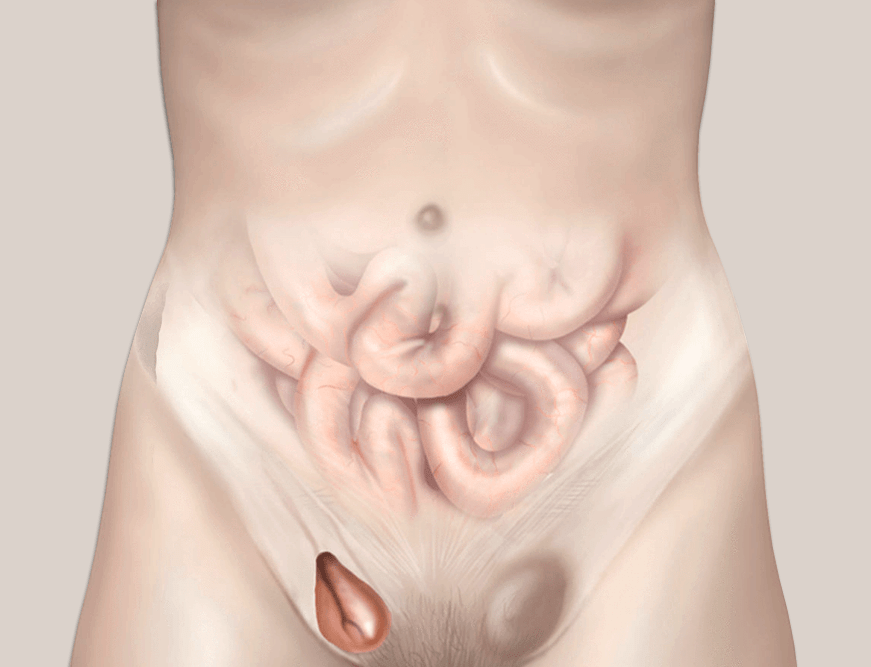
A hernia occurs when an organ pushes through the muscle or tissue that holds it in place. The condition can lead to discomfort, pain, and further complications if not treated effectively. Among the various treatment options available, laparoscopic hernia surgery has gained immense popularity for its minimally invasive approach, reduced pain, quicker recovery time, and fewer complications.
Finding the right surgeon for your hernia repair is crucial. Let’s explore why Indore is an excellent destination for hernia treatment and dive into the best laparoscopic hernia surgery doctors in Indore, with a spotlight on the highly recommended Dr. Nikunj Jain.
Table of Contents
Why Choose Laparoscopic Hernia Surgery?
Benefits of Laparoscopic Surgery
Laparoscopic hernia surgery is often preferred over traditional open surgery due to its minimally invasive nature. It uses small incisions, a camera (laparoscope), and specialized surgical tools, making it a more efficient and patient-friendly option. The benefits include:
Smaller Incisions: Leading to reduced scarring and less postoperative pain.
Shorter Hospital Stay: Faster recovery allows most patients to return home within a day or two.
Lower Risk of Infection: Smaller incisions reduce the risk of infections and complications.
Faster Recovery: Patients can resume normal activities much quicker than with open surgery.
Indore has witnessed rapid advancements in medical facilities, and several doctors have specialized in laparoscopic procedures, offering high-quality care for hernia patients. Laparoscopic hernia surgery in Indore is known for its affordability, skilled surgeons, and cutting-edge technology, ensuring patients receive the best possible treatment.
Who is the Best Laparoscopic Hernia Surgeon in Indore?
One name consistently recognized for providing exceptional care in laparoscopic hernia surgery is Dr. Nikunj Jain. His experience, commitment to excellence, and advanced surgical skills make him one of the top choices for patients looking for effective and minimally invasive hernia repair.
Meet Dr. Nikunj Jain: A Leading Laparoscopic Hernia Surgery Doctor in Indore
Dr. Nikunj Jain is a highly experienced and well-regarded surgeon specializing in laparoscopic and minimally invasive surgery. With a track record of successful hernia repairs, he stands out as one of the best laparoscopic hernia surgery doctors in Indore. His holistic approach to patient care, precision in surgical techniques, and compassionate demeanor have earned him a solid reputation in the medical community.
Why Choose Dr. Nikunj Jain for Hernia Treatment?
Extensive Experience: Dr. Jain brings years of experience in laparoscopic surgery, handling even complex hernia cases with ease.
Advanced Techniques: He employs the latest laparoscopic methods, ensuring a minimally invasive approach, faster recovery, and better outcomes for patients.
Patient-Centric Care: Personalized care is at the forefront of his practice, where each treatment is tailored to the patient’s specific needs and health conditions.
State-of-the-Art Facilities: Dr. Jain operates in leading hospitals equipped with modern technology for safe and effective surgeries.
Small Incisions: Tiny incisions are made near the affected area.
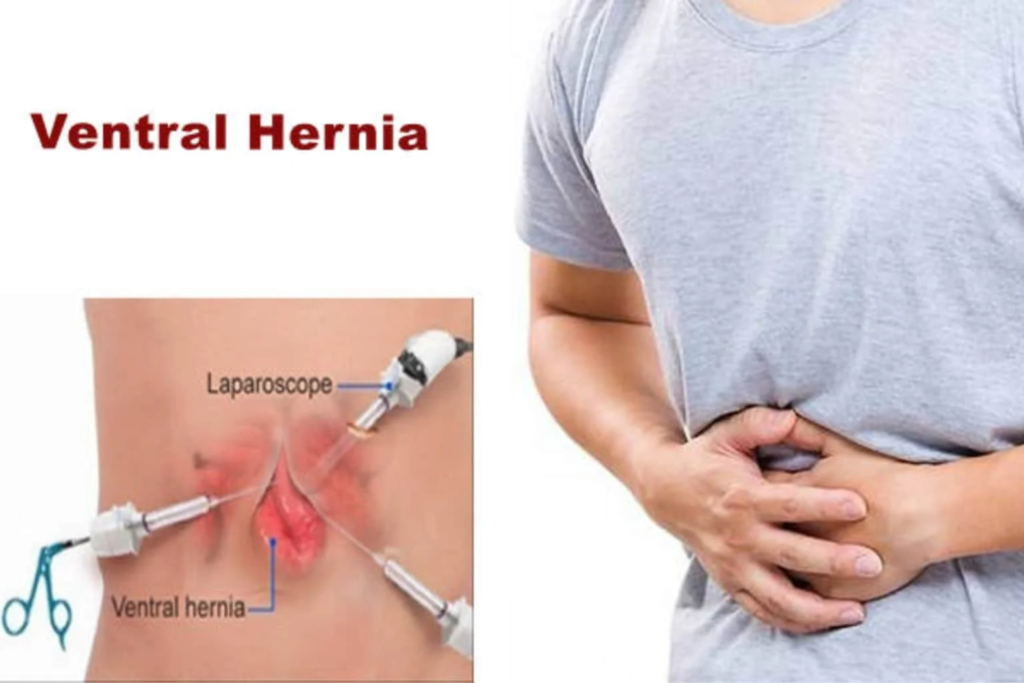
Insertion of Laparoscope: A laparoscope, a thin tube with a camera, is inserted to provide a magnified view of the inside of the abdomen.
Hernia Repair: Using specialized instruments, the surgeon repairs the hernia by pushing the protruding tissue back into place and reinforcing the weakened area with a mesh if needed.
Closure: The incisions are closed with minimal sutures or surgical glue.
The entire procedure takes less time than traditional open surgery and significantly reduces postoperative discomfort and recovery time.
What to Expect After Laparoscopic Hernia Surgery?
After a successful laparoscopic hernia surgery, patients in Indore can expect:
A shorter recovery period, often allowing them to resume light activities within a week.
Minimal postoperative pain, usually manageable with over-the-counter pain relievers.
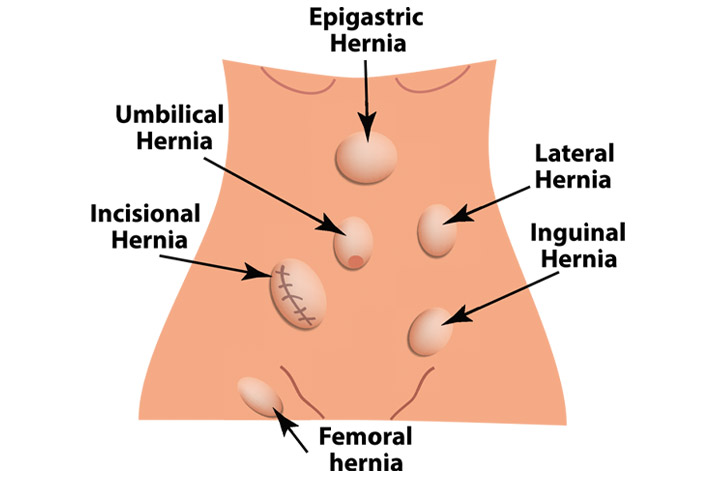
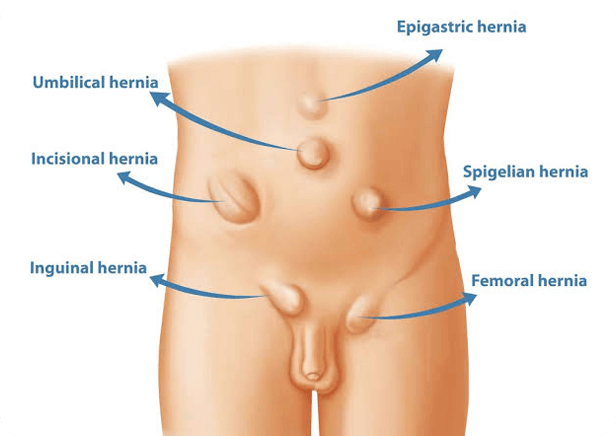
Laparoscopic surgery is suitable for different types of hernias, including:
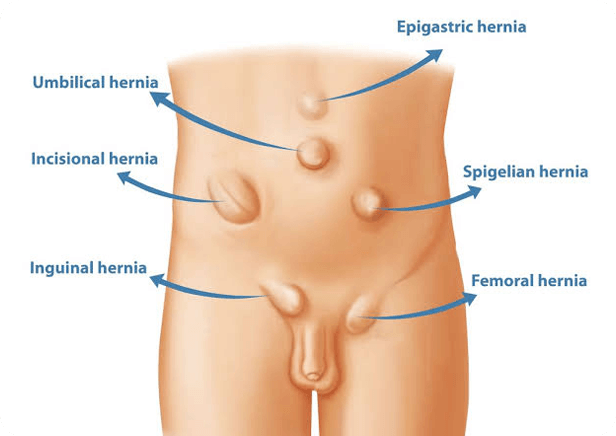
Inguinal Hernia: Occurs in the groin area and is the most common type.
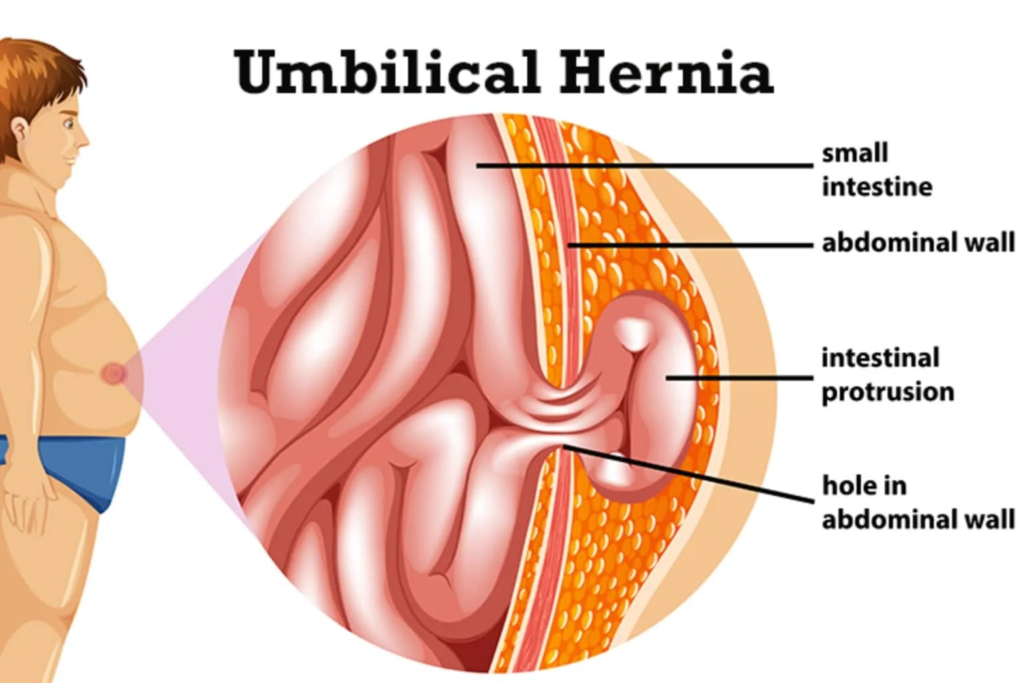
Umbilical Hernia: Happens near the navel.
Incisional Hernia: Appears at the site of a previous surgical incision.
Hiatal Hernia: Occurs when a part of the stomach protrudes through the diaphragm.
Not every hernia is best suited for laparoscopic repair. The decision is based on the patient’s condition, health history, and surgeon’s evaluation.
How to Choose the Best Laparoscopic Hernia Surgery Doctor in Indore
When choosing the best laparoscopic hernia surgery doctor in Indore, consider the following factors:
Experience and Expertise: Look for surgeons with a proven track record in laparoscopic procedures.
Hospital Affiliation: Choose doctors associated with reputed hospitals that offer advanced surgical facilities.
Patient Reviews and Testimonials: Patient feedback can provide insight into the surgeon’s skill, professionalism, and care approach.
Postoperative Support: The best surgeons ensure continued support and follow-up care post-surgery.
Dr. Nikunj Jain fits all these criteria, making him a preferred choice for many patients in Indore.
FAQs
Who is the best laparoscopic hernia surgeon in Indore? Dr. Nikunj Jain is considered one of the best laparoscopic hernia surgeons in Indore, with extensive experience and a commitment to patient care.
What is the cost of laparoscopic hernia surgery in Indore? The cost may vary depending on the type of hernia, hospital facilities, and the surgeon’s experience. Laparoscopic surgeries are generally cost-effective, and many hospitals in Indore offer competitive rates.
How long is the recovery time after laparoscopic hernia surgery? Recovery is usually quicker than open surgery, with most patients resuming normal activities within a week. Full recovery might take 2-4 weeks, depending on the patient’s overall health.
Is laparoscopic hernia surgery safe? Yes, laparoscopic hernia surgery is considered safe and effective, with a low risk of complications. Always consult with an experienced surgeon like Dr. Nikunj Jain to understand the risks and benefits.
How is laparoscopic surgery different from open surgery? Laparoscopic surgery is minimally invasive, involving small incisions and specialized instruments, resulting in less pain, quicker recovery, and reduced scarring compared to open surgery.
What types of hernias can be treated with laparoscopic surgery? Most common hernias, including inguinal, umbilical, and incisional hernias, can be treated with laparoscopic surgery. The suitability depends on the patient’s condition and the surgeon’s evaluation.
Conclusion
If you are seeking the best laparoscopic hernia surgery doctors in Indore, consider consulting Dr. Nikunj Jain, who is known for his exceptional surgical skills, compassionate care, and successful hernia repair procedures. With the advancement of laparoscopic techniques and the availability of top-tier medical facilities, hernia treatment in Indore offers patients a safe, efficient, and effective solution.
Don’t let hernia pain hinder your daily life; get the best treatment and lead a healthy, pain-free life.
Hernia surgery is a critical medical procedure that requires precise surgical expertise. Whether it’s an inguinal, femoral, umbilical, or incisional hernia, selecting the right surgeon is essential for a successful and quick recovery. For patients in Indore, finding the top laparoscopic surgeons for hernia surgery is even more important, as laparoscopic techniques offer minimally invasive treatment options that can significantly reduce recovery time and post-surgical discomfort. One name that stands out in this field is Dr. Nikunj Jain, an acclaimed laparoscopic surgeon known for his outstanding skills and patient care.
Table of Contents
Why Choose Laparoscopic Surgery for Hernia?
Laparoscopic hernia surgery, often known as keyhole surgery, is a modern approach to hernia treatment. Unlike open surgery, which involves larger incisions and more extended recovery periods, laparoscopic surgery is minimally invasive. Surgeons use small incisions, through which specialized instruments are inserted to repair the hernia. The advantages of choosing this surgical approach include:
Reduced Postoperative Pain: Smaller incisions result in less tissue damage.
Shorter Recovery Time: Patients can typically return to their daily activities faster.
Reduced Scarring: Due to small incisions, scarring is minimal.
Lower Risk of Infection: Less exposure during surgery minimizes the risk of infections.
Given these benefits, finding a top laparoscopic surgeon is essential for anyone in Indore considering hernia surgery.
Top Laparoscopic Surgeons for Hernia Surgery in Indore: Key Qualities to Look For
When seeking the best surgeon for hernia surgery in Indore, there are certain qualities and qualifications to consider:
Expertise and Experience: A surgeon’s experience in performing laparoscopic surgeries is a critical factor. The more experience they have, the more refined their techniques will be.
Patient-Centered Approach: The top surgeons not only focus on the technical aspects of surgery but also prioritize patient care, comfort, and satisfaction.
Successful Outcomes: A track record of successful surgeries and minimal post-operative complications is crucial.
Continued Education: Surgeons who stay updated with the latest advancements in laparoscopic surgery techniques ensure better treatment options for their patients.
Dr. Nikunj Jain: The Go-To Laparoscopic Surgeon for Hernia Surgery in Indore
When it comes to hernia surgery in Indore, Dr. Nikunj Jain has earned his place as one of the most reputable laparoscopic surgeons in the city. With his wealth of experience and patient-centered approach, Dr. Jain has become a preferred choice for many patients seeking safe and effective hernia treatments. Here’s what makes him stand out:
Vast Experience in Hernia Surgery: Dr. Nikunj Jain has performed numerous laparoscopic hernia repairs, making him one of the most experienced surgeons in the field. His expertise allows him to handle even the most complex cases with finesse.
Patient-Centric Care: Dr. Jain takes the time to understand each patient’s needs and concerns, ensuring a personalized approach to each surgery. From the initial consultation to post-surgery follow-ups, he ensures that his patients are well-informed and comfortable throughout the process.
Advanced Laparoscopic Techniques: Utilizing the latest technology and minimally invasive techniques, Dr. Jain focuses on reducing recovery time and enhancing surgical outcomes. His advanced skills in laparoscopic surgery have earned him accolades and recognition in the medical community.
Emphasis on Patient Education: Dr. Jain believes that patient education is vital for successful outcomes. He provides detailed explanations about the hernia condition, treatment options, and what patients can expect before, during, and after surgery.
What is a Hernia and Why Surgery is Necessary?
A hernia is a condition where an organ or fatty tissue pushes through a weak spot in the surrounding muscle or connective tissue. It can occur in different parts of the body, including the abdomen, groin, and umbilical area. Common symptoms include:
Pain or discomfort, especially when bending over, lifting, or coughing.
A visible bulge or lump in the affected area.
Weakness or pressure in the abdomen.
While not all hernias are immediately life-threatening, they typically do not go away on their own and can lead to serious complications if untreated. Hernia surgery is necessary to repair the weakened area, relieve symptoms, and prevent potential risks like obstruction or strangulation.
Different Types of Hernia Treated by Laparoscopic Surgeons in Indore
Indore’s top laparoscopic surgeons, including Dr. Nikunj Jain, are proficient in treating a variety of hernias, such as:
Inguinal Hernia: Occurs in the groin area and is one of the most common types.
Femoral Hernia: Less common but similar to an inguinal hernia, located just below the groin.
Umbilical Hernia: Occurs near the belly button and is often seen in infants but can affect adults too.
Incisional Hernia: Develops at the site of a previous surgical incision.
Hiatal Hernia: Part of the stomach pushes through the diaphragm into the chest cavity.
Each type requires a specific approach to repair, and laparoscopic techniques have become a preferred choice for their efficiency and reduced recovery times.
The Benefits of Choosing Dr. Nikunj Jain for Laparoscopic Hernia Surgery in Indore
If you’re considering hernia surgery, Dr. Nikunj Jain’s approach offers a range of benefits:
Personalized Care and Support: Dr. Jain ensures that each patient’s journey, from diagnosis to recovery, is tailored to their specific condition and lifestyle.
Minimally Invasive Techniques: Leveraging his extensive training in laparoscopic surgery, Dr. Jain ensures smaller incisions, less pain, and quicker recovery.
Comprehensive Pre- and Post-Operative Care: Dr. Jain believes that successful surgery extends beyond the operating room. His pre-surgery counseling and post-operative follow-ups ensure optimal patient outcomes.
Patient Testimonials: Real Stories of Successful Hernia Surgeries
Dr. Nikunj Jain’s patients have consistently praised his surgical skills, compassionate care, and effective treatments. Many have shared their experiences of undergoing hernia surgery, citing the minimal pain, rapid recovery, and excellent surgical outcomes as testaments to Dr. Jain’s expertise. The satisfaction and relief expressed by his patients highlight his standing as a top laparoscopic surgeon in Indore.
FAQs
Who is the top laparoscopic surgeon for hernia surgery in Indore? Dr. Nikunj Jain is highly regarded as one of the top laparoscopic surgeons in Indore for hernia surgery. His extensive experience and patient-centered approach make him a trusted name in the field.
What are the benefits of laparoscopic hernia surgery? Laparoscopic hernia surgery is minimally invasive, leading to smaller incisions, reduced pain, faster recovery, and minimal scarring compared to traditional open surgery.
Is laparoscopic surgery safe for all types of hernias? Laparoscopic surgery is suitable for most hernia types, but the choice depends on the hernia’s size, location, and the patient’s overall health. A consultation with a skilled surgeon like Dr. Nikunj Jain can determine the best approach.
How long does recovery take after laparoscopic hernia surgery? Recovery time varies, but most patients can resume light activities within a few days and return to their normal routines within 1-2 weeks, thanks to the minimally invasive nature of laparoscopic surgery.
What can I expect during a consultation with Dr. Nikunj Jain? During the consultation, Dr. Jain will evaluate your condition, discuss treatment options, and explain the surgical procedure, recovery process, and any potential risks or benefits.
Are there any risks associated with laparoscopic hernia surgery? As with any surgery, there are some risks involved, but they are minimal with laparoscopic techniques. Dr. Jain provides thorough pre-surgical assessments to mitigate potential risks and ensure a safe surgery.
Conclusion: Expert Care for Hernia Surgery in Indore
When it comes to hernia surgery in Indore, finding an expert laparoscopic surgeon is crucial for a successful treatment and speedy recovery. Dr. Nikunj Jain stands out as one of the city’s most accomplished surgeons, offering advanced laparoscopic procedures with personalized care. If you are considering hernia surgery, consulting with Dr. Jain can provide you with the peace of mind and expert care you need.
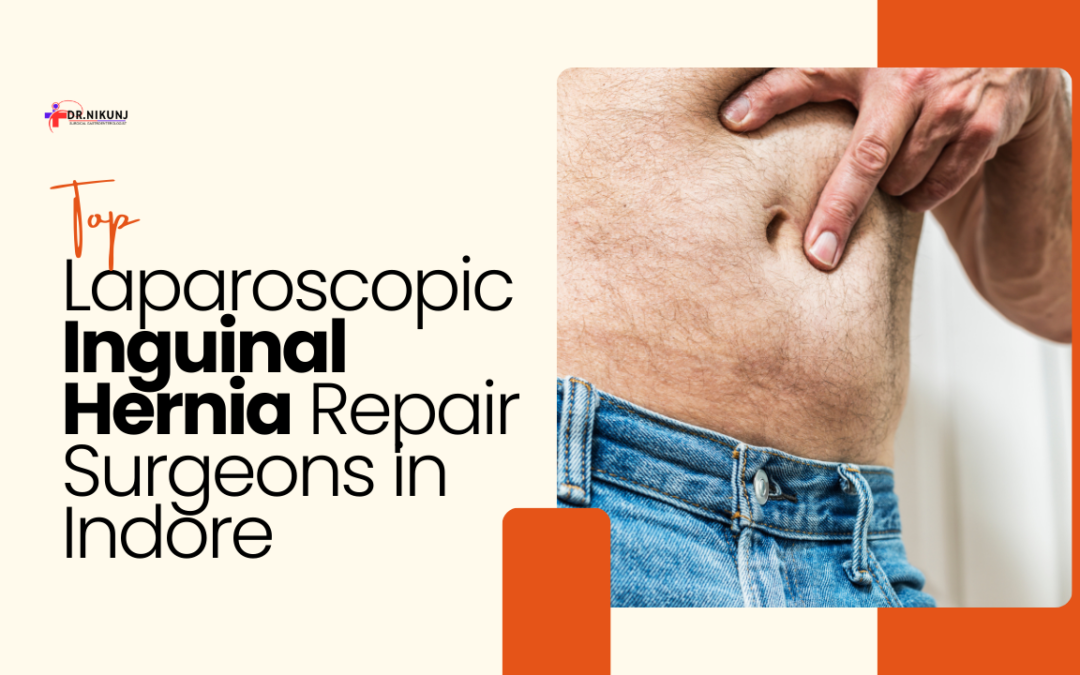
An inguinal hernia is a common yet often painful condition where soft tissue, typically part of the intestine, protrudes through a weak spot in the lower abdominal muscles. This can lead to discomfort, pain, and a visible bulge. Fortunately, advances in medical science have made treating this condition far more efficient and less invasive than ever before.
Laparoscopic inguinal hernia repair is a minimally invasive surgical procedure that is preferred over traditional open surgery for its quicker recovery time, minimal scarring, and reduced risk of complications. If you are in Indore and searching for the best surgeons who specialize in this procedure, this guide will help you make an informed choice.
One name that stands out among all is Dr. Nikunj Jain, who has earned a stellar reputation for his expertise in laparoscopic inguinal hernia repair in Indore. But there are also several other noteworthy surgeons you should know about.
Table of Contents
Dr. Nikunj Jain: Leading Laparoscopic Inguinal Hernia Repair Surgeon in Indore
When discussing the top laparoscopic inguinal hernia repair surgeons in Indore, Dr. Nikunj Jain’s name always comes up as one of the leading experts. With a remarkable track record of successful procedures, he is recognized for his patient-centered approach, state-of-the-art techniques, and meticulous surgical skills.
Credentials and Expertise
Dr. Jain holds an esteemed position in the medical field due to his vast experience in laparoscopic surgery.
He has specialized in minimally invasive procedures, offering patients quicker recovery and better post-operative experiences.
Dr. Jain’s approach is focused on the patient’s comfort, safety, and swift return to daily activities.
Approach to Laparoscopic Inguinal Hernia Repair
Thorough Diagnosis: Before the surgery, Dr. Jain conducts an in-depth evaluation of the patient to determine the severity and the best treatment options.
Advanced Surgical Techniques: Using the latest laparoscopic equipment, he ensures precise repair of the hernia with minimal trauma to surrounding tissues.
Post-Operative Care: After surgery, Dr. Jain provides comprehensive follow-ups to ensure a smooth recovery, guiding patients with personalized post-operative care plans.
How to Choose the Right Surgeon for Laparoscopic Inguinal Hernia Repair
Selecting the right surgeon is a critical decision when undergoing laparoscopic inguinal hernia repair. Here are some tips to help you make the right choice:
Experience and Specialization: Choose a surgeon who specializes in laparoscopic inguinal hernia repair and has ample experience in performing the procedure.
Patient Testimonials: Look for feedback and reviews from previous patients to gauge the surgeon’s reputation and care quality.
Communication and Comfort: It’s important to choose a surgeon with whom you feel comfortable discussing your concerns and who provides clear explanations of the procedure and recovery process.
Hospital Affiliations and Facilities: Ensure the surgeon is affiliated with reputable hospitals equipped with advanced technology for laparoscopic surgeries.
What to Expect from Laparoscopic Inguinal Hernia Repair Surgery
Pre-Operative Preparation
Before the surgery, your surgeon will guide you through the necessary preparations, including tests and assessments to ensure you are fit for the procedure.
The Procedure
Laparoscopic inguinal hernia repair involves the surgeon making small incisions in the abdomen through which a laparoscope (a tiny camera) and surgical instruments are inserted.
The hernia is repaired using mesh, which reinforces the weakened area, preventing future recurrence.
Post-Operative Care
Patients are usually able to go home the same day or after an overnight stay.
The recovery period is short, with most patients resuming their normal activities within a week.
Pain is generally minimal and can be managed with prescribed medications.
FAQs
What is the recovery time for laparoscopic inguinal hernia repair?
Most patients can resume light activities within a few days and return to regular activities within one to two weeks. However, complete recovery may take a few weeks.
Is laparoscopic hernia surgery painful?
Laparoscopic surgery is minimally invasive, leading to less pain than open surgery. Most discomfort can be managed with pain medications.
How successful is laparoscopic inguinal hernia repair?
The success rate of laparoscopic inguinal hernia repair is very high, with reduced chances of recurrence compared to traditional open surgery.
Why is Dr. Nikunj Jain considered the best surgeon for hernia repair in Indore?
Dr. Nikunj Jain is highly regarded for his extensive experience, personalized care, and mastery in laparoscopic techniques, leading to successful outcomes and satisfied patients.
How much does laparoscopic inguinal hernia repair cost in Indore?
The cost varies depending on the surgeon’s expertise, hospital facilities, and complexity of the case. It is recommended to consult directly with the chosen surgeon to get an accurate estimate.
Can all inguinal hernias be repaired laparoscopically?
While most inguinal hernias can be repaired using the laparoscopic approach, certain factors like size, recurrence, or patient health may influence the surgical method. Your surgeon will advise on the best approach based on your condition.
Conclusion
Choosing the right surgeon for laparoscopic inguinal hernia repair in Indore is a crucial step in ensuring a successful surgery and speedy recovery. With his extensive experience, compassionate care, and state-of-the-art techniques, Dr. Nikunj Jain stands out as one of the best surgeons for this procedure in the city. However, there are also other skilled professionals in Indore who offer excellent care and expertise.
If you or your loved one is suffering from an inguinal hernia and seeking a minimally invasive solution, consider consulting with one of these top surgeons to discuss your options and get on the path to a pain-free life.
In recent years, the medical field has undergone tremendous advancements, and one such innovation is the advanced 3D laparoscopic repair of hernia in Indore. As hernia surgeries have evolved, traditional open surgeries have been replaced by minimally invasive techniques that promise faster recovery, lesser pain, and higher success rates. If you’re considering hernia surgery or simply want to learn more about the groundbreaking 3D laparoscopic techniques available in Indore, this guide is for you.
Table of Contents
Understanding Hernia and Its Implications
A hernia occurs when an internal organ or tissue pushes through a weak spot in the muscle or surrounding tissue wall. This can cause discomfort, pain, and potential complications if left untreated. Traditionally, hernias have been repaired through open surgery, which involves a larger incision and a longer recovery period. However, modern surgical innovations have given rise to advanced techniques, such as 3D laparoscopic repair, that are reshaping the landscape of hernia treatment.
What is Advanced 3D Laparoscopic Repair of Hernia?
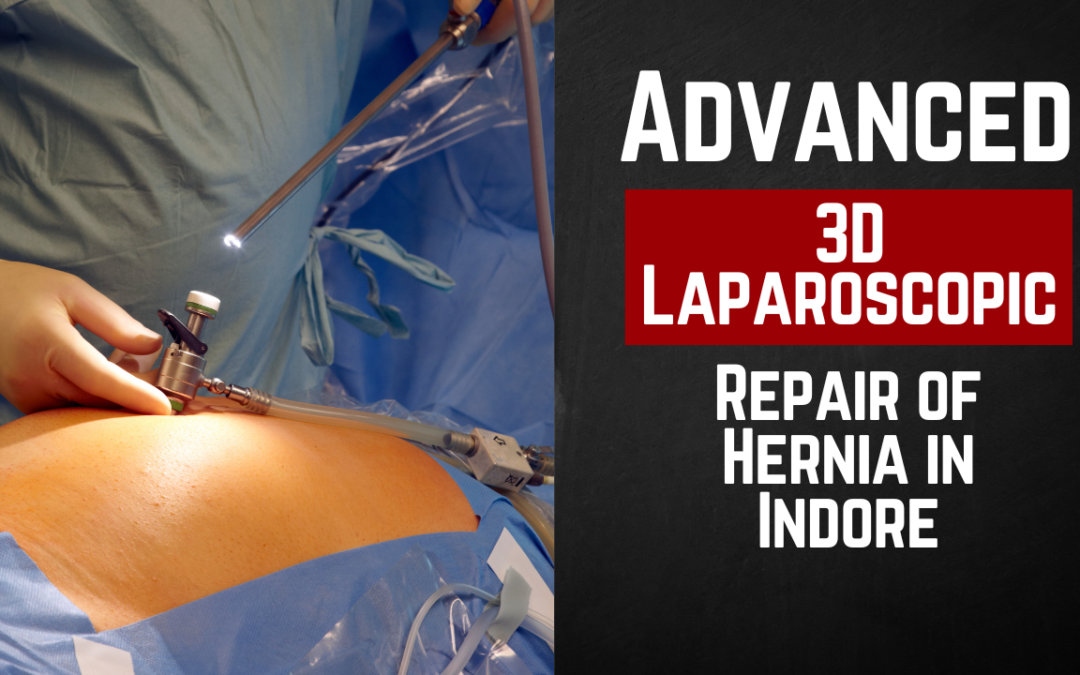
The advanced 3D laparoscopic repair of hernia is a minimally invasive surgical procedure where surgeons use a 3D camera and small instruments to repair the hernia. Unlike traditional laparoscopic surgery that utilizes 2D cameras, the 3D technology offers a more precise and detailed view of the affected area. This allows surgeons to navigate complex anatomical structures with better accuracy, making the procedure safer and more effective.
Why Choose 3D Laparoscopic Repair Over Traditional Surgery?
Enhanced Visualization: The 3D laparoscopic camera provides a clear, high-definition view of the internal organs, helping surgeons to identify and repair the hernia more accurately.
Minimally Invasive: Smaller incisions reduce scarring, post-operative pain, and recovery time, making it a preferred option for patients.
Quicker Recovery: Patients who undergo 3D laparoscopic hernia repair often experience a faster return to normal activities compared to traditional open surgery.
Reduced Complications: The detailed visualization and precision of the 3D laparoscopic technique minimize the chances of complications such as infection and recurrence.
How Does the 3D Laparoscopic Procedure Work?
During the 3D laparoscopic hernia repair, the surgeon makes small incisions near the hernia site and inserts a laparoscope – a thin tube equipped with a 3D camera. The camera projects a three-dimensional image on a screen, allowing the surgeon to see the hernia in great detail. Specialized instruments are then used to push the protruding tissue back into place and strengthen the weakened area using mesh or sutures.
3D Laparoscopic Repair vs. Traditional Laparoscopy
While both traditional laparoscopy and 3D laparoscopy involve minimally invasive techniques, the key difference lies in visualization. Traditional laparoscopy uses a 2D camera, which can limit depth perception and clarity. The 3D camera, however, offers a clearer and more accurate view, making the surgery more efficient. This technology is particularly advantageous in complex cases where detailed visualization is crucial.
Why Indore is Leading the Way in Advanced Hernia Repair
Indore has become a hub for advanced 3D laparoscopic hernia repair due to its world-class medical facilities, highly skilled surgeons, and cutting-edge technology. Patients seeking hernia treatment in Indore benefit from personalized care, state-of-the-art equipment, and cost-effective solutions.
The city’s medical professionals are well-trained in modern laparoscopic techniques, ensuring that patients receive high-quality care with minimal downtime. This makes Indore an ideal destination for those looking to undergo 3D laparoscopic hernia repair.
Benefits of Advanced 3D Laparoscopic Repair in Indore
Access to Expertise: Indore boasts some of the most skilled laparoscopic surgeons who specialize in 3D hernia repair, ensuring high success rates.
Modern Facilities: Hospitals in Indore are equipped with advanced surgical tools and 3D laparoscopy technology, providing comprehensive care.
Cost-Effective Treatment: Compared to other cities, the cost of 3D laparoscopic hernia repair in Indore is more affordable, without compromising on quality.
Quick Appointments and Surgery Scheduling: Patients in Indore can expect timely consultations, quicker scheduling of surgeries, and reduced waiting periods.
Who is a Suitable Candidate for 3D Laparoscopic Hernia Repair?
Most patients with hernias, including those with inguinal, umbilical, femoral, or ventral hernias, are suitable candidates for the 3D laparoscopic repair technique. However, a thorough evaluation by a specialist is necessary to determine eligibility. Patients who are experiencing severe pain, swelling, or complications due to a hernia should seek immediate medical attention.
The advent of 3D laparoscopic technology has significantly transformed hernia repair. As medical advancements continue to evolve, we can expect even more refined techniques that further improve surgical outcomes, reduce recovery time, and minimize risks. The future of hernia surgery is undoubtedly heading towards more sophisticated, minimally invasive approaches that provide safer and more efficient treatment.
Advanced 3D Laparoscopic Repair of Hernia in Indore: A Patient’s Perspective
Patients who have undergone 3D laparoscopic hernia repair in Indore often report high levels of satisfaction. The minimally invasive nature of the surgery, coupled with faster recovery and minimal scarring, enhances the overall patient experience. Most patients are able to resume their normal daily activities within a few weeks, with a marked improvement in quality of life.
Preparation and Aftercare for 3D Laparoscopic Hernia Repair
Pre-Surgery Preparation: Patients are usually required to undergo a physical examination, blood tests, and imaging tests like an ultrasound or CT scan. It’s also advised to fast for a certain period before the surgery.
Post-Surgery Care: After the 3D laparoscopic hernia repair, patients may experience mild pain or discomfort, which can be managed with prescribed medications. Regular follow-ups with the surgeon are crucial to monitor the healing process and ensure no complications arise.
Lifestyle Tips to Prevent Hernia Recurrence
Maintain a Healthy Weight: Excess body weight can put pressure on the abdomen, increasing the risk of a hernia.
Exercise Regularly: Strengthening core muscles can help support the abdominal wall and reduce the likelihood of a hernia.
Avoid Heavy Lifting: If you need to lift something heavy, use proper techniques and avoid straining.
Eat a High-Fiber Diet: Consuming fiber-rich foods prevents constipation, which can contribute to the development of a hernia.
Conclusion: Embracing the Future of Surgery with Advanced 3D Laparoscopic Repair
The advanced 3D laparoscopic repair of hernia in Indore represents the future of minimally invasive surgery. With better visualization, reduced complications, and faster recovery times, it’s a game-changer in the field of hernia treatment. If you or a loved one is dealing with a hernia, consulting a specialized surgeon in Indore for 3D laparoscopic repair can be a life-changing decision.
FAQs
What is the success rate of 3D laparoscopic hernia repair in Indore? The success rate of 3D laparoscopic hernia repair in Indore is high, with most patients experiencing successful outcomes and minimal complications.
Is 3D laparoscopic hernia repair safe? Yes, it is a safe and effective procedure, especially when performed by experienced surgeons. It offers reduced risks compared to traditional open surgery.
How long does the surgery take? The 3D laparoscopic hernia repair typically takes about 1-2 hours, depending on the complexity and type of hernia.
How soon can I return to work after the surgery? Most patients can return to light activities within a week and full activities, including work, within 2-3 weeks, based on their recovery and the surgeon’s advice.
Will there be any visible scars after 3D laparoscopic hernia repair? The incisions made during 3D laparoscopic surgery are small, resulting in minimal scarring that often fades over time.
Is hernia recurrence common after 3D laparoscopic repair? Hernia recurrence is rare with 3D laparoscopic repair, especially when the surgery is performed correctly and post-operative care is followed.
Gallstones are often called the “silent” stones because many people may not even know they have them until they cause discomfort. Understanding the symptoms of gallstones is crucial to identify and seek timely medical help. While gallstones can vary in size, their symptoms can range from mild to severe. But what exactly should you look for?
This comprehensive guide breaks down all you need to know about gallstone symptoms, how they manifest, and when to consult a doctor. Let’s dive in!
Table of Contents
What are Gallstones? Understanding the Basics
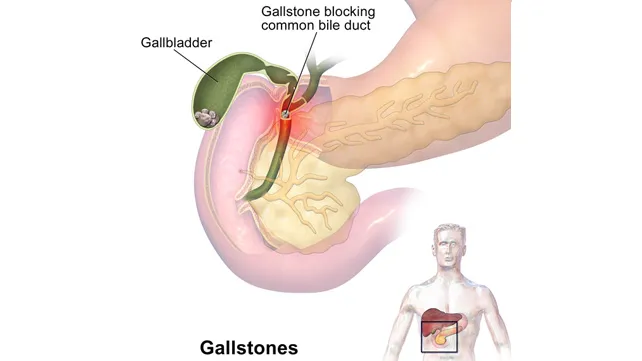
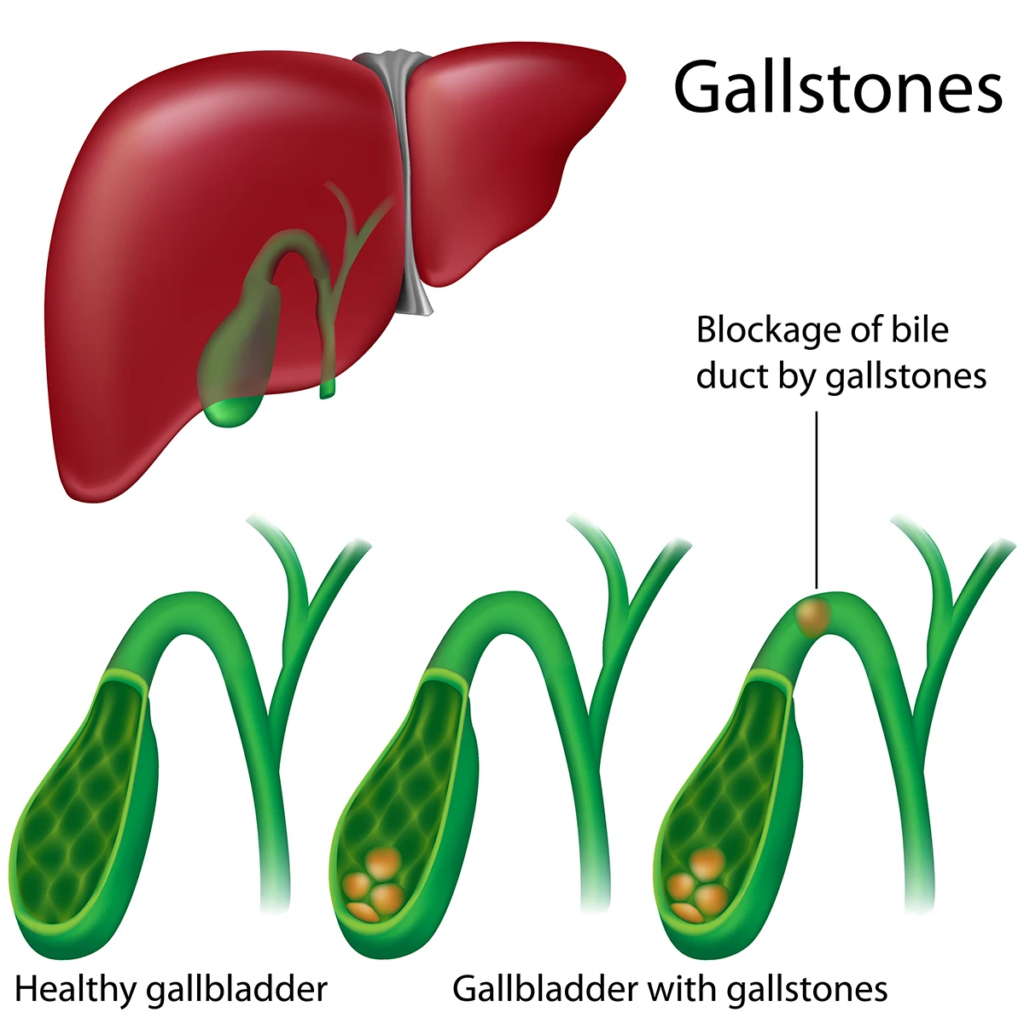
Before diving into the symptoms, it’s essential to understand what gallstones are. Gallstones are hardened deposits of digestive fluid that can form in your gallbladder — a small, pear-shaped organ on the right side of your abdomen, just beneath your liver. They vary in size and can be as small as a grain of sand or as large as a golf ball.
Gallstones primarily consist of cholesterol (cholesterol stones) or bilirubin (pigment stones). While they may not always cause symptoms, their presence can lead to significant discomfort and health complications when they obstruct bile ducts or irritate the gallbladder.
Why do Gallstones Cause Symptoms?
Gallstones can form and exist in the gallbladder for years without causing any issues. However, when a gallstone lodges in the bile ducts, it can cause blockages, leading to gallbladder attacks or biliary colic. When bile cannot flow properly, it results in pain and inflammation, leading to symptoms that vary depending on the stone’s size, location, and how it affects the body.
1. Pain in the Right Upper Abdomen or Back (Biliary Colic)
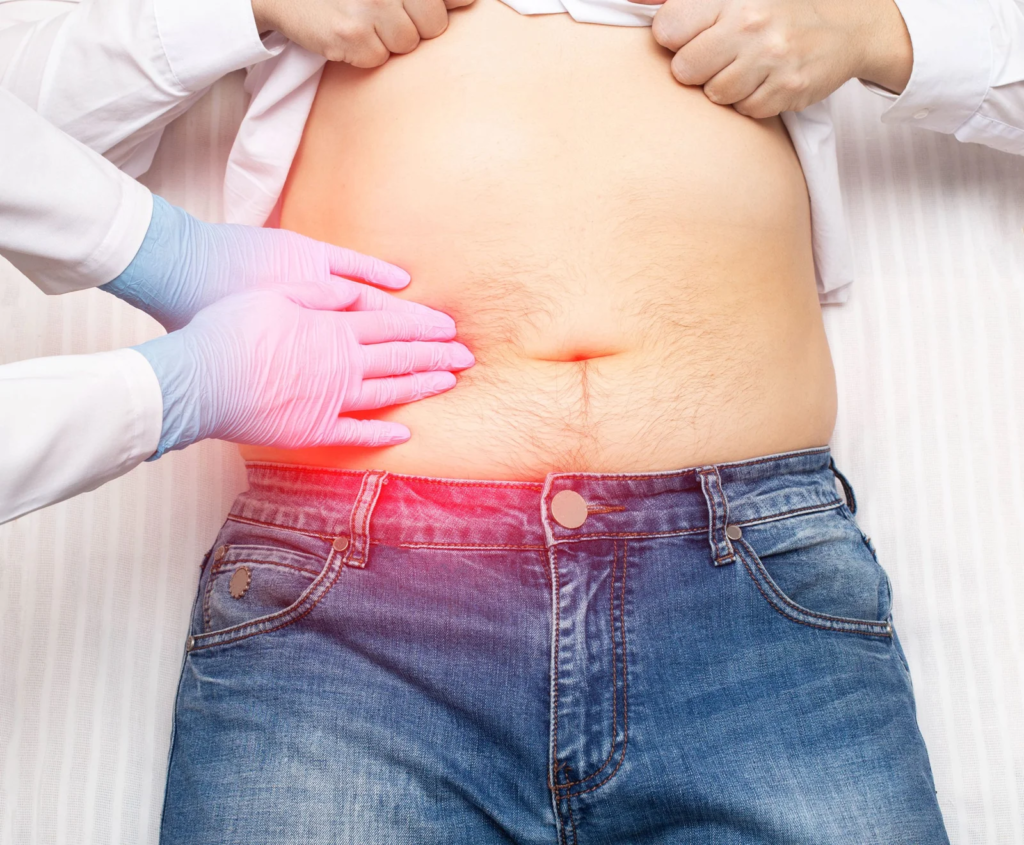
One of the most recognizable symptoms of gallstones is pain, particularly in the upper right side of the abdomen or the middle of the abdomen, just below the breastbone. This pain, known as biliary colic, can also radiate to the right shoulder or back. The pain:
Is sudden and intense
Can last from a few minutes to several hours
Often begins after eating fatty or greasy foods
May occur at night, disrupting sleep
This gallbladder pain arises when a gallstone temporarily blocks the bile ducts, causing the gallbladder to contract forcefully.
2. Nausea and Vomiting
Nausea and vomiting are common symptoms associated with gallstones. The disruption of the digestive process due to blocked bile flow can cause these uncomfortable sensations. People may also experience:
A feeling of being uncomfortably full after eating
Loss of appetite
A sensation of indigestion
3. Jaundice (Yellowing of the Skin and Eyes)
If a gallstone blocks the common bile duct, it can lead to jaundice. Jaundice occurs when the bile pigment bilirubin builds up in the bloodstream, causing yellowing of the skin and the whites of the eyes. This symptom indicates that a gallstone is lodged in a crucial part of the bile pathway, requiring immediate medical attention.
4. Fever and Chills
Fever and chills indicate an infection in the gallbladder or bile ducts. This condition, known as cholecystitis, is a serious complication and requires prompt medical treatment. Accompanying signs may include:
Abdominal tenderness
Worsening pain over time
5. Changes in Stool and Urine Color
Gallstones can lead to changes in stool and urine colors:
Clay-Colored Stool: Bile gives stool its brown color. When a gallstone blocks the bile duct, stool may become pale or clay-colored.
Dark Urine: The buildup of bilirubin in the bloodstream due to a blocked bile duct can cause the urine to appear dark, similar to tea or cola.
6. Digestive Disturbances
Gallstones can cause various digestive issues, including:
Bloating: A feeling of fullness or bloating in the abdomen, especially after eating
Gas and Belching: Excessive belching or gas, often after consuming fatty meals
Diarrhea: Loose stools or changes in bowel habits, sometimes accompanied by urgency
Gallstones do not always require immediate intervention, especially if they are asymptomatic. However, it’s essential to consult a healthcare provider if you experience any of the following symptoms:
Persistent pain lasting more than a few hours
Fever, chills, or signs of infection
Jaundice or yellowing of the skin and eyes
Severe nausea or vomiting
These symptoms may indicate a gallstone-related complication, such as acute cholecystitis (inflammation of the gallbladder), choledocholithiasis (stones in the common bile duct), or pancreatitis (inflammation of the pancreas).
How are Gallstones Diagnosed?
If a healthcare provider suspects you have gallstones, they may perform a series of diagnostic tests, such as:
Ultrasound: The most common imaging test for detecting gallstones
CT Scan: Provides detailed images of the gallbladder and surrounding organs
HIDA Scan: A nuclear imaging test to evaluate the function of the gallbladder
Blood Tests: To check for signs of infection, inflammation, or bile duct blockage
Certain triggers can prompt gallstone symptoms, especially after the consumption of certain types of food. The most common triggers include:
High-Fat Meals: Fatty, fried, or greasy foods often stimulate gallbladder contractions, triggering pain.
Overeating: Eating large meals, especially those high in fat, can exacerbate symptoms.
Rapid Weight Loss: Losing weight too quickly can lead to an increased risk of gallstones and symptom onset.
Fasting or Skipping Meals: Irregular eating patterns or prolonged fasting can cause bile to concentrate, increasing the risk of gallstone formation.
Complications of Gallstones: Recognizing Advanced Symptoms
If untreated, gallstones can lead to severe health issues. Some of these include:
Acute Cholecystitis
This is inflammation of the gallbladder, often resulting from a stone blocking the cystic duct. Symptoms include:
Persistent and severe right upper abdominal pain
Fever and chills
Tenderness over the gallbladder area
Choledocholithiasis
This occurs when gallstones move from the gallbladder into the common bile duct. Symptoms often mimic biliary colic but can lead to:
Jaundice
Severe abdominal pain
Pancreatitis if the stone blocks the pancreatic duct
Gallstone Pancreatitis
Gallstones can cause inflammation of the pancreas if they obstruct the pancreatic duct. Symptoms include:
Severe abdominal pain that radiates to the back
Nausea and vomiting
Fever
Cholangitis
This is a serious infection of the bile ducts caused by blockage due to gallstones. Symptoms, known as Charcot’s triad, include:
Fever with chills
Jaundice
Right upper quadrant abdominal pain
If any of these complications are suspected, it’s crucial to seek immediate medical attention as they can be life-threatening without prompt treatment.
Dietary and Lifestyle Factors Affecting Gallstone Symptoms
Diet and lifestyle play a significant role in both the development and management of gallstones. Here are some factors to consider:
Foods to Avoid if You Have Gallstones
Avoiding certain foods can reduce the frequency and intensity of symptoms. Foods to minimize include:
Fried and Fatty Foods: Fried chicken, French fries, and high-fat meats
High Cholesterol Foods: Processed meats, full-fat dairy, and baked goods
Sugary Foods and Beverages: Soft drinks, pastries, and candies
Foods That Help with Gallstones
Consuming a balanced diet rich in fiber and lean proteins can support gallbladder health. Some helpful foods include:
Fruits and Vegetables: Rich in fiber and antioxidants
Whole Grains: Oats, brown rice, and quinoa
Lean Proteins: Fish, poultry, and legumes
Exercise and Weight Management
Regular physical activity can prevent gallstones and alleviate symptoms. Maintaining a healthy weight and avoiding rapid weight loss can also lower your risk of developing gallstones.
Treatment Options for Gallstones
Watchful Waiting
If gallstones are asymptomatic, a “watch and wait” approach may be recommended. However, it’s crucial to monitor for any new or worsening symptoms.
Medications
Oral bile acid pills can help dissolve cholesterol gallstones, though this treatment is slow and only suitable for certain types of stones.
Surgical Options (Cholecystectomy)
The definitive treatment for symptomatic gallstones is a cholecystectomy, which is the surgical removal of the gallbladder. It is performed either as:
Laparoscopic Cholecystectomy: Minimally invasive, with faster recovery
Open Cholecystectomy: A more extensive procedure for complicated cases
Endoscopic Procedures
For stones in the bile duct, an **endoscopic retro
grade cholangiopancreatography (ERCP)** is often used to locate and remove the stones.
FAQs about Gallstones and Their Symptoms
What is the most common symptom of gallstones? The most common symptom of gallstones is pain in the upper right abdomen or the center of the abdomen, known as biliary colic.
Can gallstones go away on their own? While some gallstones may pass without causing symptoms, most do not dissolve on their own and may require medical intervention if symptomatic.
Can stress trigger gallstone symptoms? Stress does not directly cause gallstones but can affect digestion and exacerbate symptoms in those who already have gallstones.
How long does gallstone pain typically last? Gallstone pain can last from a few minutes to several hours. If the pain persists for more than a few hours or is accompanied by fever, chills, or jaundice, seek medical attention immediately.
Can gallstones cause heartburn or acid reflux? Yes, gallstones can cause symptoms similar to acid reflux or heartburn, such as indigestion and nausea, especially after consuming fatty meals.
Can diet changes prevent gallstone symptoms? A diet low in saturated fats and high in fiber can help reduce the risk of gallstone formation and may alleviate symptoms for those with existing gallstones.
Conclusion: Taking Action on Gallstone Symptoms
Recognizing and understanding the symptoms of gallstones is crucial for early diagnosis and proper treatment. If you experience persistent pain, jaundice, or digestive issues, it’s essential to consult a healthcare provider promptly. While many gallstones are asymptomatic, those that cause discomfort or complications often require intervention to ensure optimal health and well-being.
By paying attention to your symptoms, maintaining a healthy diet, and seeking timely medical advice, you can manage gallstones effectively and avoid potential complications.