
Pain in the right side of the abdomen is often linked to gallstones. Sometimes people get worried that they might have gallbladder cancer when they have repeated pain or unusual symptoms. Gallstones and gallbladder cancer are two different things even though they affect the same organ and can have similar symptoms. Gallstones are very common and are usually not cancerous but gallbladder cancer is not common and can be hard to find in its early stages.
Dr. Nikunj Jain, best gastro surgeon in Indore, says that if you have symptoms that keep coming or get worse you should see a doctor instead of trying to treat them at home.
Table of Contents
What Are Gallstones?
Gallstones are like rocks that form from the substances in bile. The gallbladder is an organ under the liver that stores bile to help with digestion.
Many people have gallstones and do not even know it because they do not feel any pain or symptoms. These are called gallstones and might not need any treatment. When a gallstone blocks the gallbladder or a bile duct that is when the problems start.
A gallstone attack can cause pain in the upper right or upper middle abdomen. The pain can also spread to the right shoulder. You might also feel vomit, have indigestion or feel bloated. If gallstones are not treated they can cause inflammation, infection or pancreatitis.
What Is Gallbladder Cancer?
Gallbladder cancer happens when abnormal cells grow out of control in the gallbladder. Gallbladder cancer might not cause any symptoms that you can notice. Sometimes it is only found after the gallbladder has been removed because of gallstones or another gallbladder problem.
Some symptoms of gallbladder cancer include pain in the abdomen that does not go away, jaundice, fever, nausea, vomiting, bloating or a lump in the abdomen. You might also lose weight without trying, have an appetite, itch, have dark urine or pale stools. These symptoms can also be caused by -cancerous conditions but you should still get them checked.
Do Gallstones Cause Gallbladder Cancer?
Gallstones are a risk factor for gallbladder cancer because long-term irritation and inflammation can affect the lining of the gallbladder. Having gallstones does not mean you have cancer or will get it.
The chance of getting gallbladder cancer if you have gallstones is still low and most people with gallstones never get gallbladder cancer.
You might need tests if your imaging shows a suspicious mass abnormal gallbladder wall thickening or a large polyp. Polyps that are one centimetre or bigger might need to be checked closely because they are more likely to be cancerous.
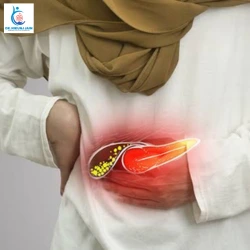
Gallstones vs Gallbladder Cancer: Key Differences
- Pain caused by gallstones usually comes and goes. It may begin suddenly, become severe and last from 30 minutes to a few hours.
- Gallstone pain commonly occurs after eating a fatty or heavy meal.
- Pain caused by gallbladder cancer may be more constant and can gradually become worse over time.
- Cancer-related pain may not follow a specific pattern and may or may not be associated with meals.
- Fever with abdominal pain may indicate gallbladder inflammation or infection caused by a blocked gallstone.
- Jaundice, which causes yellowing of the skin and eyes, can occur in both gallstones and gallbladder cancer when the flow of bile is blocked.
- Warning signs such as unexplained weight loss, loss of appetite, increasing weakness or a growing lump in the abdomen should not be ignored.
- Persistent or worsening symptoms should be evaluated by a doctor without delay.
When Should You Worry?
You should see a doctor if you have pain that keeps coming back, lasts for hours or gets worse over time. You should also get help if you have:
- Yellowing of the eyes or skin
- Urine or pale stools
- Nausea or vomiting that does not stop
- Fever or chills
- Weight loss without trying
- Less appetite
- A lump or swelling in the abdomen
If you have abdominal pain with a high fever, jaundice, confusion, fainting or repeated vomiting you should get emergency medical help. These signs can mean inflammation, infection or bile duct blockage.
How Are Gallstones and Gallbladder Cancer Diagnosed?
An abdominal ultrasound is often used to find gallstones and check the gallbladder. Blood tests can help find infection, inflammation or blockage in the gallbladder, liver, pancreas or bile ducts.
If an ultrasound finds something you might need a CT or MRI scan. These tests give detailed information about the gallbladder and surrounding organs.
Sometimes gallbladder cancer is only confirmed after the gallbladder has been removed and checked in a laboratory.
How Is the Treatment Different?
If you have gallstones that do not cause symptoms you might just need to watch them. If you have repeated pain, gallbladder inflammation, bile duct blockage or other complications you might need surgery to remove the gallbladder.
The treatment for gallbladder cancer depends on the stage, location and whether the tumour can be completely removed. Treatment can include surgery, chemotherapy, radiation therapy or a combination of these.
Most symptoms related to the gallbladder are caused by non-cancerous conditions like gallstones. If you have persistent abdominal pain, jaundice, weight loss without trying, fever or unusual imaging findings you should not ignore them. Dr. Nikunj Jain, best doctor for gallstones in Indore, provides evaluation and personalised treatment planning for patients with gallstones and other gallbladder conditions, in Indore. If you get diagnosed on time you can find out about complications, you can get the right treatment at the right time.
FAQ’s
Q1. What is the main difference between gallstones and gallbladder cancer?
Gallstones are hardened deposits that form inside the gallbladder, while gallbladder cancer occurs when abnormal cells grow uncontrollably in the gallbladder tissues.
Q2. Do gallstones always cause gallbladder cancer?
No. Gallstones are a risk factor, but the overall risk is low. Most people who have gallstones do not develop gallbladder cancer.
Q3. What are the common symptoms of gallstones?
Gallstones may cause sudden upper-right abdominal pain, nausea, vomiting, indigestion and pain that may spread towards the back or right shoulder.
Q4. What symptoms may indicate gallbladder cancer?
Persistent abdominal pain, jaundice, unexplained weight loss, reduced appetite, dark urine, pale stools or an abdominal lump may require further investigation.
Q5. Can gallstones be treated without surgery?
Gallstones that do not cause symptoms may only require regular monitoring. However, surgery may be recommended if they cause repeated pain, inflammation, infection, bile duct blockage or pancreatitis.
Q6. Can an ultrasound detect gallstones and gallbladder cancer?
Ultrasound is commonly used to detect gallstones and examine the gallbladder. Suspicious findings may require CT, MRI or additional tests.
Q7. Do all patients with gallstones need surgery?
No. Silent gallstones may not require treatment. Surgery may be recommended when stones cause repeated pain, inflammation, blockage or complications.
Q8. Can gallbladder cancer be detected during gallstone surgery?
Yes. Some cases are discovered when the removed gallbladder is examined after surgery performed for gallstones or another gallbladder condition.
Q9. Where can I receive gallstone treatment in Indore?
Patients can consult Dr. Nikunj Jain in Indore for diagnosis and personalised treatment of gallstones, gallbladder inflammation and related complications.
Q10. When is gallbladder pain considered an emergency?
Severe abdominal pain accompanied by high fever, jaundice, persistent vomiting, fainting or confusion requires urgent medical attention.