
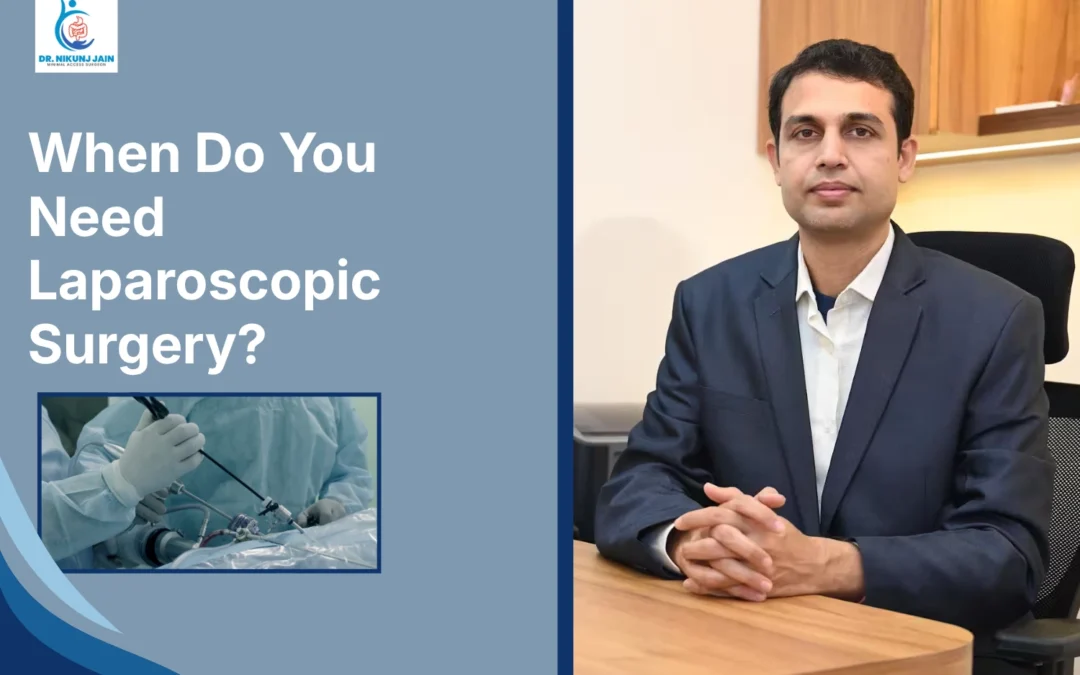
Surgery can sound scary, but many abdominal conditions can be treated safely with laparoscopic surgery, also known as keyhole or minimally invasive surgery. In this procedure, the surgeon makes a few small incisions and uses a tiny camera and special surgical instruments to perform the operation.
Dr. Nikunj Jain, best laparoscopic surgeon in Indore, says whether you need this surgery depends on your problem, symptoms, overall health and treatment needed. Laparoscopy can help find and fix some stomach issues.
Compared to open surgery this approach often means smaller cuts, less pain and a quicker recovery. Results can vary depending on the procedure and person.
Table of Contents
What Is Laparoscopic Surgery?
This surgery is done through cuts in the stomach. A thin tool with a camera called a laparoscope helps the surgeon see organs on a monitor. Other small tools are inserted through cuts to do the procedure. This technique is often used for stomach operations. It can help avoid a surgical cut.
When Might Laparoscopic Surgery Be Needed?
- Gallbladder Problems
If you have gallstones or repeated gallbladder attacks surgery might be suggested to remove the gallbladder. Laparoscopic cholecystectomy is often used for patients with gallstones.
Symptoms of gallbladder problems include stomach pain, nausea, vomiting or repeated discomfort. Your doctor might suggest tests before deciding on surgery.
- Hernia
A hernia happens when tissue or an organ pushes through a spot in the stomach wall. Some hernias cause swelling, discomfort or pain that gets worse when lifting, coughing or being active.
Hernias that need repair might be treated with open, laparoscopic or robotic surgery. This depends on the hernias location and size, previous treatment, the patient’s health and the surgeon’s assessment.
- Appendicitis
Appendicitis is inflammation of the appendix. It can cause stomach pain, nausea, vomiting or fever. Laparoscopy can help diagnose and treat appendicitis in some cases.
Appendicitis can become serious if complications develop. Sudden or worsening stomach pain should not be ignored.
- Weight Loss Surgery
For some people with obesity, lifestyle changes and medical treatment might not work. After a health check weight loss surgery might be considered.
Many weight loss procedures can be done laparoscopically. This approach might mean less pain, shorter hospital stays and a quicker return to work.
Persistent or Unexplained Abdominal Problems
- Sometimes people have stomach pain or symptoms that tests can’t explain.
- In some cases diagnostic laparoscopy lets the surgeon directly examine stomach organs.
- It might also be possible to treat a problem during the procedure.
However not every case of stomach pain needs laparoscopy. Your doctor will consider your symptoms, examination and test results before suggesting it.
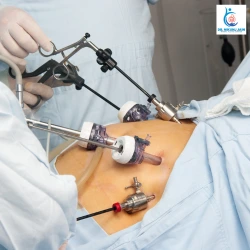
Why Is Laparoscopic Surgery Often Preferred?
Laparoscopic surgery has advantages. These include:
- No surgical cuts and scars
- Less pain in procedures
- Shorter hospital stays in some cases
- Faster return to activities
- Lower wound complication rates for certain operations
The exact benefits depend on the surgery type and the patients condition.
Is Laparoscopic Surgery Right for Everyone?
Laparoscopic surgery is commonly used to treat many abdominal conditions, but it may not be suitable for every patient. The choice of surgical approach depends on several factors, including the type and complexity of the condition, previous abdominal surgeries, overall health, and findings during the procedure.
In some cases, a surgery that begins laparoscopically may need to be converted to open surgery if the surgeon feels it is safer or necessary to complete the operation effectively.
Like any surgical procedure, laparoscopic surgery also carries certain risks, such as bleeding, infection, or injury to nearby organs and blood vessels. However, careful evaluation and proper surgical planning can help reduce these risks.
Conclusion
Laparoscopic surgery may be recommended when a condition cannot be effectively managed with medicines or other non-surgical treatments. Common conditions treated through laparoscopic techniques include gallbladder disease, hernia, appendicitis, and severe obesity requiring bariatric surgery.
If you are experiencing persistent abdominal symptoms or have been advised to consider surgery, a proper medical evaluation is important. Dr. Nikunj Jain can assess your condition and guide you on whether laparoscopic surgery or another treatment option may be more suitable for you.
FAQ’s
Q1. What is laparoscopic surgery?
Laparoscopic surgery is a minimally invasive technique in which a surgeon performs an operation through small incisions using a camera and specialised surgical instruments.
Q2. How do I know if I need laparoscopic surgery?
You may need it if you have a condition that requires surgical treatment and can safely be managed using a minimally invasive approach. Your surgeon will decide after examining you and reviewing your tests.
Q3. Which conditions can be treated with laparoscopic surgery?
Laparoscopy is commonly used for procedures involving conditions such as gallbladder disease, hernias and appendicitis, as well as selected bariatric and other abdominal operations.
Q4. Is laparoscopic surgery better than open surgery?
Neither method is best for every patient. Laparoscopic surgery can offer benefits such as smaller incisions and faster recovery for certain procedures, while open surgery may be safer or more suitable in other situations.
Q5. Can hernia surgery be done laparoscopically in Indore?
Yes, some hernias can be repaired laparoscopically. The appropriate technique depends on the type, size and location of the hernia, previous repairs and the patient’s overall condition.
Q6. What should I discuss with a laparoscopic surgeon before surgery?
Before surgery, discuss your symptoms, medical history, previous operations, current medications, test results, expected benefits, possible risks, recovery time, and whether laparoscopic surgery is the most suitable option for your condition.
Q7. How long does recovery take after laparoscopic surgery?
Recovery depends on the operation performed and your overall health. Many people return to routine activities sooner than after comparable open procedures, but your surgeon’s recovery instructions should always be followed.
Q8. Is laparoscopic surgery painful?
Some discomfort is expected after any surgery. However, smaller incisions used in laparoscopic procedures may result in less postoperative pain for certain operations compared with open surgery.
Q9. Can laparoscopic surgery turn into open surgery?
Yes. Sometimes a surgeon may need to convert a laparoscopic operation to open surgery if it becomes necessary for safety or to complete the procedure properly.
Q10. Where can I consult for laparoscopic surgery in Indore?
You can consult an experienced laparoscopic surgeon in Indore for a detailed examination, diagnosis and personalised discussion about the most suitable surgical approach.