
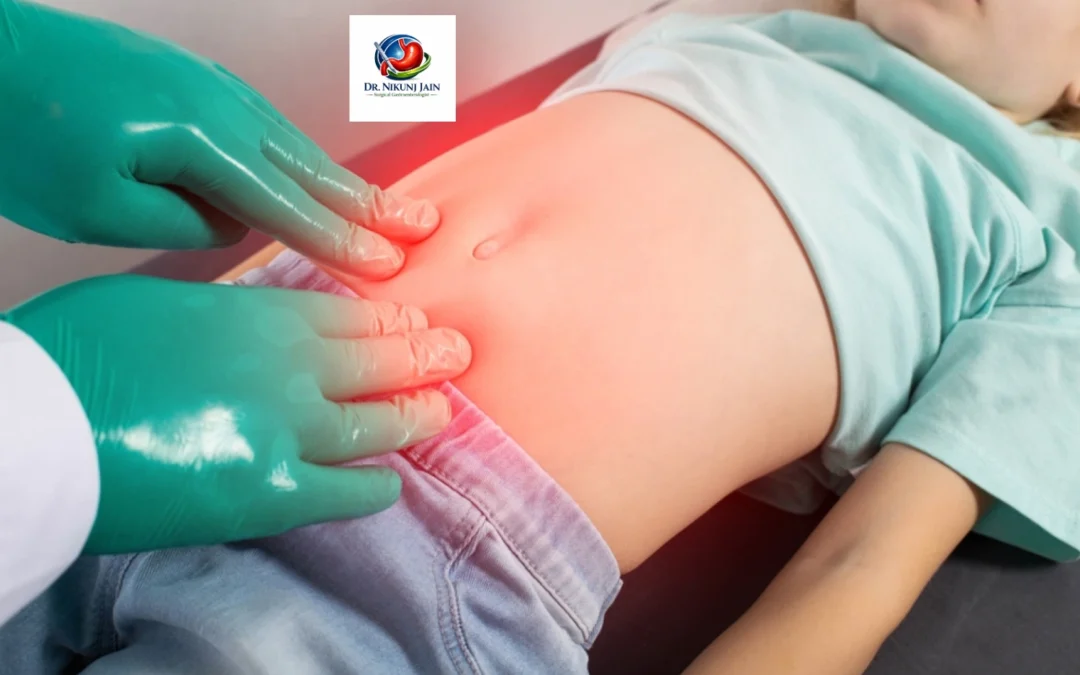
A hernia is a common medical condition that many people ignore in the early stages and understanding hernia is very important. However, delaying treatment can lead to serious complications. Understanding what a hernia is, its types, symptoms, risks, and modern treatment options can help patients make timely and informed decisions for their health. As a highly skilled laparoscopic GI surgeon in Indore, Dr. Nikunj Jain specializes in modern hernia repair methods that prioritize faster healing, reduced pain, and improved patient comfort.
Table of Contents
Understanding Hernia
A hernia occurs when an internal organ or tissue pushes through a weak spot in the surrounding muscle or connective tissue. It most commonly affects the abdominal wall but can occur in other areas as well. Hernias do not heal on their own and usually worsen over time if left untreated.
Common Types of Hernia
Hernias are classified based on their location and cause. Some of the most commonly seen types include:
- Inguinal Hernia: This is the most common type, especially in men. It occurs when part of the intestine or fat pushes through the lower abdominal wall into the groin area.
- Umbilical Hernia: Seen around the belly button, this type is common in infants but can also affect adults, particularly due to obesity or multiple pregnancies.
- Femoral Hernia: More common in women, this hernia appears just below the groin and has a higher risk of complications if untreated.
- Hiatal Hernia: In this condition, part of the stomach pushes upward into the chest through the diaphragm, often causing acid reflux and heartburn.
- Incisional Hernia: This can develop at the site of a previous surgical incision due to weakness in the abdominal wall.
Symptoms of Hernia
Symptoms may vary depending on the type and size of the hernia. Common signs include:
- A visible bulge in the abdomen or groin area
- Pain or discomfort while lifting, coughing, or standing for long periods
- A feeling of heaviness or pressure in the affected area
- Burning or aching sensation
- Acid reflux or chest discomfort (in hiatal hernia)
In some cases, hernias may be painless initially, which is why they are often ignored until complications arise.
Risks of Ignoring a Hernia
Leaving a hernia untreated can be dangerous. Over time, the hernia may increase in size and cause severe pain. One of the most serious complications is strangulation, where the blood supply to the trapped tissue is cut off. This is a medical emergency and requires immediate surgery.
Other risks include bowel obstruction, infection, and reduced quality of life due to persistent discomfort and activity limitations.
When Should You See a Doctor?
If you notice a bulge, persistent pain, or discomfort that worsens with activity, it is important to consult a specialist. Early diagnosis allows for planned and safer treatment, avoiding emergency situations.
Laparoscopic Treatment for Hernia
Surgery is the only permanent solution for a hernia. Today, laparoscopic hernia surgery is considered one of the most advanced and patient-friendly treatment options.
Laparoscopic surgery is a minimally invasive technique performed through small incisions using a camera and specialized instruments. A surgical mesh is often placed to strengthen the weakened area and reduce the chances of recurrence.
Benefits of Laparoscopic Hernia Surgery
- Smaller incisions and minimal scarring
- Less post-operative pain
- Faster recovery and return to daily activities
- Shorter hospital stay
- Lower risk of infection
Due to these advantages, laparoscopic repair is commonly recommended for suitable patients.
Recovery After Hernia Surgery
Most patients can resume light activities within a few days after surgery. Complete recovery typically takes a few weeks, depending on the type of hernia and the overall health of the patient. Following post-surgery guidelines, such as avoiding heavy lifting and maintaining a healthy weight, is essential for long-term success.
Conclusion
A hernia should never be ignored, even if the symptoms seem mild. Early evaluation and timely surgical treatment can prevent complications and help you return to a pain-free, active life. Choosing an experienced specialist and opting for modern minimally invasive techniques plays a key role in long-term success.
Dr. Nikunj Jain, Best Hernia Doctor in Indore, is known for his expertise in diagnosing and managing various types of hernias with advanced surgical techniques. With a patient-focused approach and emphasis on minimally invasive care, he ensures safe and effective outcomes.
If you or a loved one is experiencing symptoms of a hernia, consulting a qualified specialist at the right time can make all the difference.