Living with a hernia can quietly affect many parts of daily life. What may start as a small bulge or occasional discomfort can slowly turn into persistent pain, difficulty in movement and constant worry about worsening symptoms. Many people hesitate to seek treatment because the idea of surgery feels intimidating. Questions like “Will it be painful?”, “How long will recovery take?”, or “Is there a safer option?” often create anxiety.
According to Dr. Nikunj Jain, best laparoscopic surgeon in Indore, modern medical techniques now offer safer and more comfortable treatment options for hernia repair. Understanding the difference between open and laparoscopic hernia surgery can help people make a confident and informed decision about their health.
Understanding Hernia Surgery
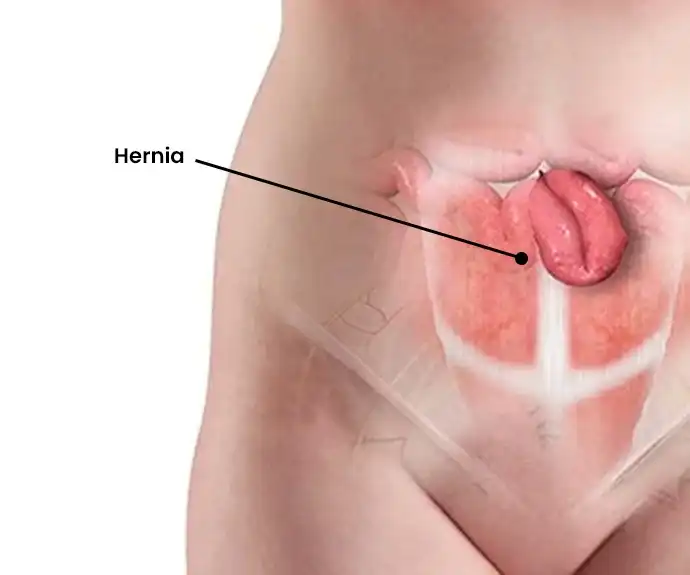
A hernia occurs when an internal organ or tissue pushes through a weak spot in the surrounding muscle or abdominal wall. Surgery is usually recommended because hernias do not heal on their own and may gradually become larger or more painful.
The goal of hernia surgery is simple: return the tissue to its correct position and strengthen the weakened area to prevent recurrence. Today, this repair can be done using two main approaches , open surgery and laparoscopic surgery.
What Is Open Hernia Surgery?
Open hernia surgery is the traditional and widely practiced method. In this procedure, the surgeon makes a small incision near the hernia site to access the affected area directly. The bulging tissue is placed back into its proper position and the weakened muscle wall is reinforced, often using a surgical mesh.
This technique has been used successfully for many years and is still considered a reliable option for many people. Open surgery is often recommended for larger hernias or in situations where laparoscopic surgery may not be suitable.
One advantage of this method is that it can sometimes be performed under local or regional anesthesia, depending on the patient’s condition. However, recovery may take slightly longer because the incision is larger compared to minimally invasive techniques.
What Is Laparoscopic Hernia Surgery?
Laparoscopic hernia surgery is a minimally invasive procedure that uses advanced technology. Instead of a single larger incision, the surgeon makes a few very small cuts in the abdomen. A tiny camera called a laparoscope is inserted through one of these openings, allowing the surgeon to view the internal area on a monitor.
Specialized surgical instruments are then used to repair the hernia and place mesh to strengthen the muscle wall. Because the incisions are smaller, laparoscopic surgery often results in less post-operative pain, minimal scarring and faster recovery for many people. People who undergo this procedure may also be able to return to their daily activities sooner compared to traditional surgery.
Open Surgery vs Laparoscopic Surgery
Aspect
Open Surgery
Laparoscopic Surgery
Procedure Method
A single larger incision is made near the hernia area to repair the tissue.
Several small incisions are made and a camera with surgical instruments is used.
Incision Size
Larger incision
Small keyhole incisions
Complex Hernias
Often preferred for large or complicated hernias.
Usually used for uncomplicated or bilateral hernias.
Suitability
Suitable for patients with certain medical conditions or previous abdominal surgeries.
Suitable for patients who are good candidates for minimally invasive procedures.
Recovery Time
Recovery may take slightly longer.
Faster recovery in many cases.
Pain & Scarring
May involve slightly more postoperative discomfort and a larger scar.
Generally less pain and minimal scarring due to small incisions.
Return to Normal Activities
Normal activities may take longer to resume.
People often return to daily activities sooner.
Hospital Stay
Sometimes requires a longer observation period.
Often shorter hospital stay.
Emotional Impact of Hernia Surgery
Beyond the physical discomfort, living with a hernia can affect a person’s confidence and peace of mind. Many people avoid exercise, lifting objects, or even simple daily activities due to fear of worsening the condition.
Surgery not only treats the physical problem but also restores a sense of freedom and comfort in everyday life. Once the hernia is repaired, people often feel relief from the constant worry that the condition might suddenly worsen.
Talking openly with a qualified hernia doctor in Indore like Dr. Nikunj Jain helps people understand the procedure and reduces the fear associated with surgery. When people know what to expect, the treatment journey becomes far less stressful.
Which Is Better: Open or Laparoscopic?
There is no universal answer because every patient’s condition is unique. The “better” option is the one that suits the patient’s health, lifestyle and the specific type of hernia.
In many cases, laparoscopic surgery offers faster recovery and less discomfort. However, open surgery continues to be a highly effective and trusted method in certain situations.
A detailed medical evaluation is essential to determine the most appropriate surgical approach.
Conclusion
Hernia surgery today is safer and more advanced than ever before. Whether the treatment involves open repair or laparoscopic techniques, the primary goal remains the same, restoring comfort, mobility and quality of life.
With proper diagnosis and guidance from experienced specialists like Dr. Nikunj Jain, laparoscopic surgeon in Indore, people can receive personalized treatment that ensures the best possible outcome and a smooth recovery journey.
Hernias can be a real hassle for those experiencing them, leading to pain, discomfort, and disruption to daily life. While they’re common, many people are unaware of what exactly a hernia is and how it can affect the body. This blog aims to demystify hernia hassles by discussing its causes, types, symptoms, and treatment options, helping you better understand this health condition.
What is a Hernia?
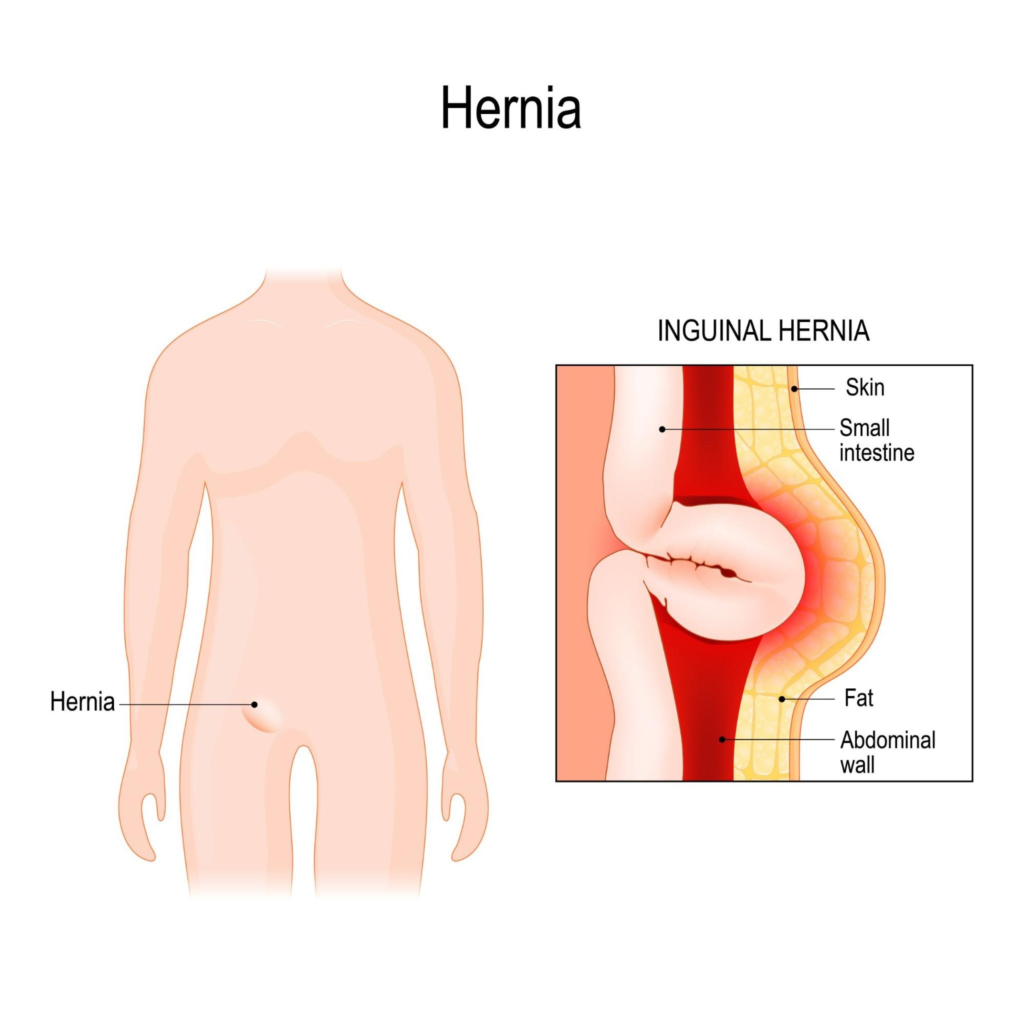
A hernia occurs when an internal organ or tissue pushes through a weak spot in the surrounding muscle or connective tissue. This protrusion often results in a noticeable bulge and may cause pain or discomfort, especially during activities like lifting, coughing, or bending. Hernias are most common in the abdomen but can also occur in the groin, upper thigh, and belly button areas.
Table of Contents
Types of Hernias and Their Hassles
1. Inguinal Hernia
The inguinal hernia is one of the most common types and occurs when tissue pushes through a weak spot in the abdominal muscles, usually near the groin. It’s more common in men and can cause a bulge, pain, and discomfort, particularly when lifting heavy objects or standing for long periods.
2. Femoral Hernia
Femoral hernias often occur in women and are located in the upper thigh near the groin. The hassles include pain around the groin area, especially when coughing, bending over, or lifting heavy items. They can be more dangerous than inguinal hernias because they have a higher risk of complications, such as strangulation (when the blood supply is cut off to the affected tissue).
3. Umbilical Hernia
An umbilical hernia happens when part of the intestine protrudes through the abdominal muscles near the belly button. It is more common in infants but can also affect adults, particularly women who have had multiple pregnancies. Hernia hassles in this case involve a visible bulge near the navel, discomfort, and sometimes pain, particularly when straining.
4. Hiatal Hernia
This type of hernia occurs when the stomach bulges through the diaphragm into the chest cavity. The hassles associated with a hiatal hernia include heartburn, acid reflux, and chest pain. These symptoms can be quite bothersome and may worsen after meals.
5. Incisional Hernia
Incisional hernias occur when the intestines push through the site of a previous surgical incision in the abdomen. The hassles include a noticeable bulge, discomfort, and pain around the incision site, especially during physical activity. They often develop after abdominal surgery and can be challenging to manage.
Understanding the causes of hernias can help in prevention and early detection. Here are some factors that contribute to the development of hernias:
Muscle Weakness: A primary cause of hernias is weak muscles or connective tissues, which can be congenital (present from birth) or acquired over time due to factors like aging or injury.
Straining and Heavy Lifting: Activities that put strain on the abdominal area, such as lifting heavy objects, can increase the risk of hernias.
Obesity: Excess body weight puts pressure on the abdominal wall and can lead to the formation of hernias.
Chronic Cough or Constipation: Persistent coughing or straining during bowel movements can weaken the abdominal muscles, making them more susceptible to hernias.
Pregnancy: Pregnancy stretches and weakens the abdominal muscles, which can lead to hernias, particularly umbilical hernias.
Hernias can be asymptomatic in some cases, but they often present with the following symptoms:
Bulge or Lump: A visible bulge or lump in the affected area, which may increase in size when standing, coughing, or straining.
Pain and Discomfort: Mild to severe pain or discomfort around the hernia site, which worsens with physical activity or lifting.
Burning or Aching Sensation: A burning, aching, or heavy feeling in the area of the hernia.
Digestive Issues: Hiatal hernias may cause heartburn, acid reflux, or difficulty swallowing.
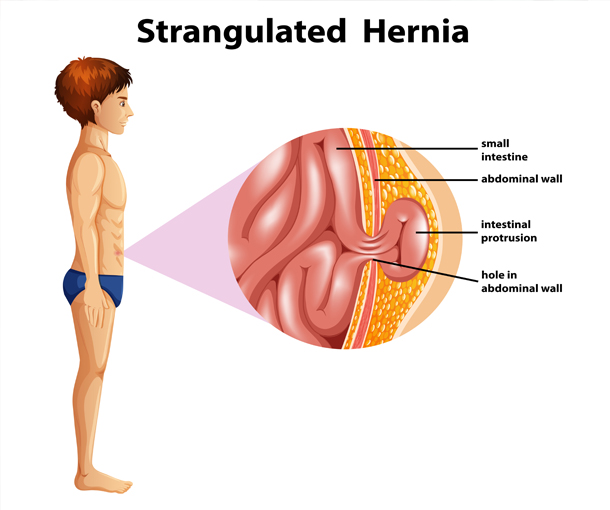
If left untreated, hernia hassles can lead to complications, including obstruction (when a portion of the intestine gets stuck) and strangulation (cutting off blood supply), both of which require immediate medical attention.
Diagnosing a Hernia
To diagnose a hernia, a healthcare provider will usually conduct a physical examination to identify any visible bulges or lumps. Additional diagnostic tests may include:
Ultrasound: Imaging to confirm the presence and type of hernia.
CT Scan or MRI: These advanced imaging techniques help in detecting hernias that are difficult to diagnose through a physical exam, such as hiatal hernias.
Endoscopy: For hiatal hernias, an endoscope may be used to view the inside of the stomach and esophagus.
The treatment of hernias depends on their type, size, and severity. Here are the main treatment options:
Watchful Waiting
For small, asymptomatic hernias, watchful waiting might be recommended. Regular monitoring helps ensure that the hernia does not worsen or lead to complications.
Lifestyle Modifications
Lifestyle changes, such as losing weight, avoiding heavy lifting, and managing chronic cough or constipation, can help manage hernia hassles and prevent worsening.
Medications
For hernias like hiatal hernias that cause acid reflux, medications to reduce stomach acid can help alleviate symptoms.
Hernia Surgery
The most effective treatment for hernias is surgical repair. There are two main types:
Open Hernia Repair: Involves a single incision over the hernia site to push the protruding tissue back into place and repair the muscle wall.
Laparoscopic Hernia Repair: A minimally invasive surgery using small incisions and a camera to guide the repair process. This method usually has a shorter recovery time and less postoperative pain.
Preventing Hernia Hassles
While not all hernias are preventable, certain steps can reduce the risk:
Maintain a Healthy Weight: Keeping a healthy weight reduces pressure on the abdominal muscles.
Lift Correctly: Use proper lifting techniques to prevent straining the abdominal area.
Strengthen Core Muscles: Regular exercise can help strengthen the abdominal muscles, providing better support.
Treat Chronic Cough and Constipation: Managing these conditions can reduce the strain on abdominal muscles.
Recovery After Hernia Surgery
Recovery from hernia surgery varies based on the type of surgery and the patient’s overall health. Typically, it includes:
Rest and Limited Activity: Rest is crucial for healing. Avoid heavy lifting and strenuous activities for several weeks.
Pain Management: Pain or discomfort is common after surgery and can be managed with prescribed medications.
Gradual Return to Normal Activities: Slowly reintroducing physical activities and exercises will help regain strength without straining the repaired area.
When to See a Doctor?
If you notice a bulge or lump in your abdomen or groin area, experience pain or discomfort, or have symptoms of a hiatal hernia like severe heartburn, it’s essential to see a healthcare professional. Early diagnosis and treatment can prevent hernia hassles from escalating into more severe health issues.
FAQs
What causes hernias to develop? Hernias can develop due to muscle weakness, strain from lifting heavy objects, obesity, chronic cough, constipation, or pregnancy.
Is surgery always necessary for hernias? Not always. Small, asymptomatic hernias may be monitored, but surgery is recommended if the hernia is large, causes pain, or has a risk of complications.
Can hernias go away on their own? No, hernias typically do not heal by themselves and may require treatment to prevent complications.
Are all hernia surgeries the same? No, there are different types of hernia surgeries, such as open repair and laparoscopic repair. The choice depends on the type of hernia and the patient’s condition.
What are the risks of not treating a hernia? Untreated hernias can lead to complications like bowel obstruction or strangulation, which require emergency surgery.
Can a hernia come back after surgery? Yes, there is a chance of recurrence, particularly if the abdominal muscles are weak, or if preventive measures are not followed after surgery.
Conclusion
Hernia hassles can be inconvenient and sometimes painful, but understanding the causes, symptoms, and treatment options can make managing this condition easier. If you suspect you have a hernia, seeking medical advice is crucial for proper diagnosis and treatment. With early intervention and proper care, you can reduce the impact of hernia hassles on your life and prevent complications.
Hernia is a common medical condition that occurs when an internal organ or tissue bulges through a weakened area in the surrounding muscles or tissues. It commonly occurs in the abdominal or groin area and can cause pain and discomfort. The treatment for hernia usually involves surgery, and the recovery process can vary depending on the type of hernia and the surgical procedure used. In this blog, we will discuss the recovery process from hernia surgery.
Types of Hernia Surgery:
The most common types of hernia surgery include open hernia repair and laparoscopic hernia repair. Open hernia repair involves making a larger incision in the affected area and repairing the weakened muscles or tissues. Laparoscopic hernia repair involves making several small incisions in the abdominal or groin area and repairing the hernia using specialized instruments and a tiny camera.
Recovery from Open Hernia Repair:
The recovery process from open hernia repair can take several weeks, and it is essential to follow the postoperative instructions provided by your surgeon to ensure a smooth recovery. Here are some of the things you can expect during your recovery:
1. Pain Management
You may experience some pain and discomfort in the affected area after the surgery. Your surgeon may prescribe pain medication to manage the pain. It is important to take the medication as prescribed and avoid over-the-counter pain medication, as they can interfere with the healing process.
2. Rest and Activity
It is essential to rest for the first few days after the surgery to allow your body to heal. Avoid strenuous activities, lifting heavy objects, and driving for at least two weeks after the surgery. Gradually increase your activity level as you feel comfortable.
3. Diet
It is important to eat a healthy and balanced diet to aid in the healing process. Avoid spicy, fatty, and greasy foods that may irritate the digestive system. Eat small, frequent meals to prevent nausea and vomiting.
4. Incision Care
Keep the incision site clean and dry to prevent infection. Your surgeon may recommend specific wound care instructions, including how to clean the incision and change dressings.
5. Follow-Up Visits
Your surgeon will schedule follow-up visits to monitor your recovery and ensure that the hernia has not returned.
Recovery from Laparoscopic Hernia Repair:
The recovery process from laparoscopic hernia repair is generally faster than open hernia repair. However, it is important to follow the postoperative instructions provided by your surgeon to ensure a smooth recovery. Here are some of the things you can expect during your recovery:
1. Pain Management
You may experience some pain and discomfort in the affected area after the surgery. Your surgeon may prescribe pain medication to manage the pain. It is important to take the medication as prescribed and avoid over-the-counter pain medication, as they can interfere with the healing process.
2. Rest and Activity
It is essential to rest for the first few days after the surgery to allow your body to heal. Avoid strenuous activities, lifting heavy objects, and driving for at least two weeks after the surgery. Gradually increase your activity level as you feel comfortable.
3. Diet
It is important to eat a healthy and balanced diet to aid in the healing process. Avoid spicy, fatty, and greasy foods that may irritate the digestive system. Eat small, frequent meals to prevent nausea and vomiting.
4. Incision Care
Keep the incision site clean and dry to prevent infection. Your surgeon may recommend specific wound care instructions, including how to clean the incision and change dressings.
5. Follow-Up Visits
Your surgeon will schedule follow-up visits to monitor your recovery and ensure that the hernia has not returned.