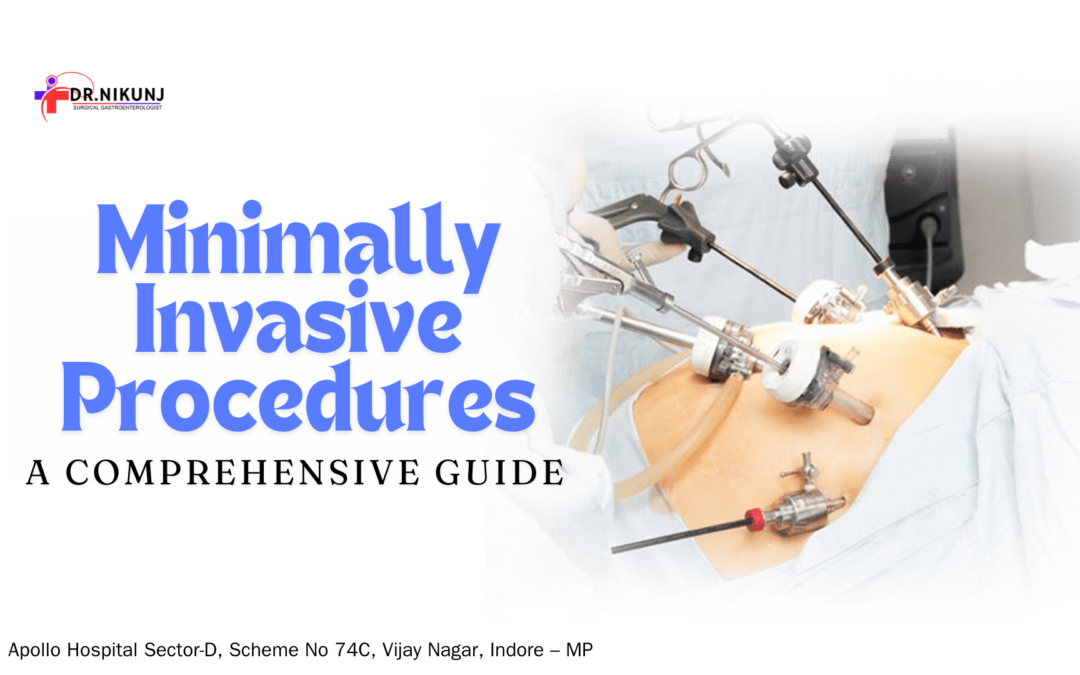
A Comprehensive Guide to Minimally Invasive Procedures

A Comprehensive Guide to Minimally Invasive Procedures

Minimally invasive procedures have transformed the landscape of modern medicine, offering patients safer and more efficient alternatives to traditional open surgeries. These advanced techniques reduce trauma to the body, speed up recovery times, and minimize complications. This article provides an in-depth exploration of minimally invasive procedures, including their types, benefits, preparation, recovery, and the latest advancements in the field.

What Are Minimally Invasive Procedures?

Minimally invasive procedures (MIPs) involve performing surgeries or diagnostic techniques through small incisions or natural body openings. These procedures use specialized instruments, cameras, and advanced technologies to treat various medical conditions with greater precision and less disruption to the body’s normal functions.

Types of Minimally Invasive Procedures

Minimally invasive procedures (MIPs) represent a significant advancement in medical science, providing alternatives to traditional open surgeries that come with numerous benefits such as reduced pain, faster recovery, and minimal scarring. This article delves into the various types of minimally invasive procedures, offering insights into how each type works, its applications, and the unique advantages it offers.

Laparoscopic Surgery

What is Laparoscopic Surgery?

Laparoscopic surgery is one of the most commonly performed minimally invasive procedures. It involves the use of a laparoscope—a thin, flexible tube equipped with a camera and light—inserted through small incisions in the abdomen. This allows surgeons to view the internal organs on a monitor and perform the surgery with precision.

Applications of Laparoscopic Surgery

Laparoscopic surgery is widely used for:

Gallbladder removal (cholecystectomy)

Hernia repair

Appendectomy

Gynecological procedures (e.g., hysterectomy, ovarian cyst removal)

Colorectal surgeries
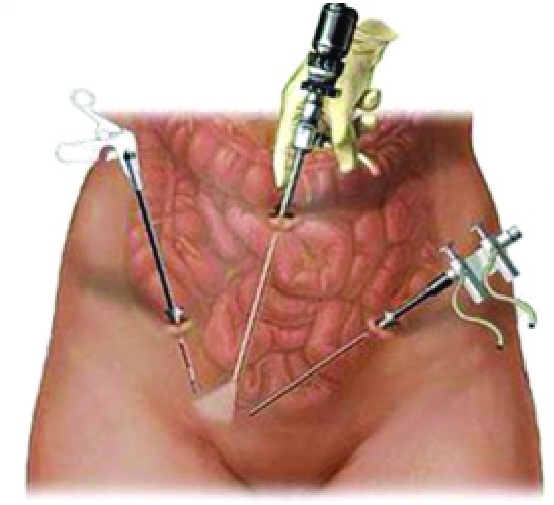
image 28

Benefits of Laparoscopic Surgery

Smaller incisions and minimal scarring

Reduced postoperative pain

Shorter hospital stays and faster recovery times

Lower risk of infections and complications

Endoscopic Procedures

What is Endoscopy?

Endoscopy involves the use of an endoscope—a flexible tube with a light and camera—inserted through natural openings such as the mouth, nose, or anus. This allows for the examination and treatment of internal organs without making large incisions.

Applications of Endoscopic Procedures

Endoscopy is used for:

Gastrointestinal investigations (e.g., gastroscopy, colonoscopy)

Respiratory system examinations (e.g., bronchoscopy)

Urinary tract examinations (e.g., cystoscopy)

Certain surgical procedures (e.g., endoscopic sinus surgery)

Benefits of Endoscopic Procedures

No external incisions required

Minimal discomfort and quick recovery

Effective for both diagnosis and treatment

Reduced risk of infection and complications

Robotic-Assisted Surgery

What is Robotic-Assisted Surgery?

Robotic-assisted surgery utilizes robotic systems controlled by surgeons to perform complex procedures with high precision. The robotic system translates the surgeon’s hand movements into smaller, precise movements of miniaturized instruments inside the body.

Applications of Robotic-Assisted Surgery

Robotic-assisted surgery is used for:

Prostatectomy (prostate removal)

Hysterectomy (uterus removal)

Cardiac surgery (e.g., mitral valve repair)

Colorectal surgery

Kidney surgery

Benefits of Robotic-Assisted Surgery

Enhanced precision and control

Reduced trauma to surrounding tissues

Smaller incisions and minimal scarring

Improved outcomes and quicker recovery

Interventional Radiology

What is Interventional Radiology?

Interventional radiology (IR) involves the use of imaging techniques such as X-rays, CT scans, or MRI to guide minimally invasive procedures. These techniques allow doctors to diagnose and treat conditions without the need for large surgical incisions.

Applications of Interventional Radiology

Interventional radiology is used for:

Angioplasty and stent placement

Embolization (blocking blood flow to tumors)

Biopsies

Drainage procedures (e.g., abscess drainage)

Radiofrequency ablation (cancer treatment)

Benefits of Interventional Radiology

Minimally invasive with small or no incisions

Reduced risk and shorter recovery times

Real-time imaging for precise treatment

Often performed on an outpatient basis

Percutaneous Procedures

What are Percutaneous Procedures?

Percutaneous procedures involve accessing internal organs or tissues through the skin using needles or catheters. These procedures are guided by imaging techniques to ensure accuracy and effectiveness.

Applications of Percutaneous Procedures

Percutaneous procedures are used for:

Kidney stone removal (percutaneous nephrolithotomy)

Liver biopsies

Tumor ablation

Central line placement

Percutaneous coronary intervention (angioplasty)

Benefits of Percutaneous Procedures

Minimally invasive with small punctures

Reduced recovery time and hospital stay

Lower risk of infection and complications

Effective for both diagnosis and treatment

Arthroscopic Surgery

What is Arthroscopic Surgery?

Arthroscopic surgery is a type of minimally invasive surgery used to diagnose and treat joint problems. It involves inserting a small camera (arthroscope) and surgical instruments into the joint through tiny incisions.

Applications of Arthroscopic Surgery

Arthroscopic surgery is used for:

Knee arthroscopy (e.g., meniscus repair, ACL reconstruction)

Shoulder arthroscopy (e.g., rotator cuff repair)

Hip arthroscopy (e.g., labral repair)

Wrist arthroscopy

Ankle arthroscopy

Benefits of Arthroscopic Surgery

Small incisions and minimal scarring

Reduced pain and faster recovery

Precise treatment of joint issues

Outpatient procedure with quick return to activities

Microsurgery

What is Microsurgery?

Microsurgery involves performing intricate surgical procedures using a microscope or high-powered magnifying lenses. This allows for the repair of small structures such as blood vessels, nerves, and lymphatic channels.

Applications of Microsurgery

Microsurgery is used for:

Reconstructive surgery (e.g., after trauma or cancer surgery)

Nerve repair and grafting

Free flap tissue transfer

Reattachment of severed fingers or limbs

Lymphatic surgery

Benefits of Microsurgery

High precision and accuracy

Improved outcomes for complex surgeries

Reduced damage to surrounding tissues

Enhanced healing and recovery

Cryosurgery

What is Cryosurgery?

Cryosurgery involves the use of extreme cold to destroy abnormal tissues, such as tumors or precancerous lesions. This technique uses liquid nitrogen or argon gas to freeze and eliminate targeted cells.

Applications of Cryosurgery

Cryosurgery is used for:

Skin lesions and tumors

Prostate cancer

Cervical dysplasia

Retinal tumors

Liver and kidney tumors

Benefits of Cryosurgery

Minimally invasive with small or no incisions

Effective for various types of tumors

Reduced pain and quick recovery

Can be performed on an outpatient basis

image 29

Minimally invasive procedures encompass a wide range of techniques that offer significant benefits over traditional open surgeries. From laparoscopic and endoscopic procedures to robotic-assisted and interventional radiology, these advanced methods provide effective treatment options with minimal trauma, faster recovery, and improved outcomes. As technology continues to evolve, the scope and efficacy of minimally invasive procedures will only continue to expand, offering patients even better solutions for their medical needs.

Benefits of Minimally Invasive Procedures

Minimally invasive procedures (MIPs) have significantly reshaped the medical landscape, providing patients with effective treatment options that come with a host of advantages. Unlike traditional open surgeries, MIPs involve smaller incisions, less trauma to the body, and quicker recovery times. This article delves into the numerous benefits of minimally invasive procedures, highlighting why they have become the preferred choice for many surgical interventions.

Reduced Pain and Discomfort

One of the most compelling benefits of minimally invasive procedures is the substantial reduction in pain and discomfort experienced by patients. Traditional open surgeries often involve large incisions that cut through muscle and other tissues, resulting in significant postoperative pain. In contrast, MIPs utilize small incisions or natural body openings, which minimizes tissue damage. As a result, patients generally report lower levels of pain and require less pain medication during their recovery.

Faster Recovery Times

Minimally invasive procedures typically offer much faster recovery times compared to their open surgery counterparts. The reduced trauma to the body means that healing occurs more quickly. Patients can often return to their normal activities and work within a few days to weeks, depending on the specific procedure and individual health. This quicker recovery not only enhances the patient’s quality of life but also reduces the economic impact associated with extended time off work.

Minimal Scarring

The cosmetic benefit of minimal scarring is another significant advantage of minimally invasive procedures. The small incisions used in MIPs result in tiny scars that are often barely noticeable. This is particularly important for surgeries involving visible parts of the body, as it helps maintain a more natural appearance post-surgery. For many patients, the aesthetic outcome is a key consideration, and minimally invasive techniques provide a favorable solution.

Lower Risk of Infection

Smaller incisions mean a lower risk of infection and other postoperative complications. Large surgical wounds can be more prone to infection, requiring intensive wound care and sometimes prolonged antibiotic treatment. Minimally invasive procedures reduce these risks, leading to safer outcomes and quicker discharge from the hospital. This is especially beneficial for patients with compromised immune systems or those undergoing procedures in potentially contaminated areas of the body.

Shorter Hospital Stays

Minimally invasive procedures often result in shorter hospital stays, with many patients being able to go home the same day or after just one or two nights. This not only improves patient comfort and satisfaction but also reduces healthcare costs. Hospitals benefit from increased bed availability, and patients enjoy the convenience and comfort of recovering in their own homes.

High Precision and Accuracy

Advanced imaging and surgical technologies used in minimally invasive procedures provide surgeons with enhanced precision and control. Techniques such as laparoscopy and robotic-assisted surgery offer magnified and detailed views of the surgical area, allowing for more accurate and targeted interventions. This high level of precision reduces the risk of damage to surrounding tissues and organs, leading to better overall outcomes.

Decreased Blood Loss

Minimally invasive procedures generally involve less blood loss than traditional open surgeries. The smaller incisions and careful surgical techniques help preserve blood vessels and minimize bleeding. This reduces the need for blood transfusions and lowers the risk of related complications, contributing to a safer surgical experience.

Improved Postoperative Mobility

Patients who undergo minimally invasive procedures often experience improved postoperative mobility. The smaller incisions and reduced pain facilitate early movement and ambulation, which is crucial for preventing complications such as blood clots and pneumonia. Early mobilization also supports quicker functional recovery and overall well-being.

Cost-Effectiveness

While the initial cost of minimally invasive procedures can be higher due to advanced technology and equipment, the overall cost-effectiveness is often greater. The shorter hospital stays, reduced need for postoperative care, and quicker return to work contribute to lower total healthcare costs. Additionally, the reduced risk of complications and reoperations further enhances the economic benefits.

Versatility in Treatment Options

Minimally invasive procedures are versatile and can be applied to a wide range of medical conditions across various specialties. From gallbladder removal and hernia repair to complex cardiac and neurological surgeries, MIPs provide effective treatment options for numerous ailments. This versatility makes them a valuable tool in modern medicine, offering patients safe and efficient alternatives to traditional surgery.

Patient Satisfaction

Overall, patient satisfaction is generally higher with minimally invasive procedures. The combination of less pain, quicker recovery, minimal scarring, and lower complication rates leads to positive patient experiences. Satisfied patients are more likely to comply with postoperative instructions and follow-up care, further contributing to successful outcomes.

The benefits of minimally invasive procedures are numerous and profound. From reduced pain and faster recovery to minimal scarring and lower risk of infection, MIPs offer significant advantages over traditional open surgeries. The high precision, cost-effectiveness, and versatility of these techniques make them an essential component of modern medical practice. As technology continues to advance, the scope and efficacy of minimally invasive procedures are likely to expand even further, offering patients even better outcomes and enhanced quality of life.

Preparing for Minimally Invasive Procedures

Pre-Operative Assessments

Patients must undergo several pre-operative assessments, including blood tests, imaging studies, and consultations with the surgical team. These evaluations ensure that the patient is in optimal health for the procedure and help the surgeon plan the best approach.

Dietary Restrictions

Depending on the type of procedure, patients may be advised to follow specific dietary restrictions. This often includes fasting for a certain period before the surgery to ensure an empty stomach, reducing the risk of complications during the procedure.

Medications

Patients should inform their doctors about all medications they are taking. Certain medications, such as blood thinners, may need to be adjusted or temporarily discontinued to reduce the risk of bleeding during the procedure.

Psychological Preparation

Mental and emotional preparation is crucial for any medical procedure. Patients should discuss their concerns and expectations with their healthcare provider and seek support from family and friends.

The Surgical Procedure

Anesthesia

Most minimally invasive procedures are performed under general anesthesia, ensuring the patient is completely unconscious and pain-free during the surgery. Some procedures may be done under local anesthesia with sedation, depending on the complexity and location of the operation.

Incisions and Insertion of Instruments

The surgeon makes small incisions or uses natural openings to insert specialized instruments and cameras. The exact number and size of the incisions depend on the specific procedure being performed.

Performing the Surgery

Using the visual guidance provided by the camera and the precise control of the instruments, the surgeon performs the necessary repairs or removals. The entire procedure is monitored on a screen, allowing for real-time adjustments and accuracy.

Closure

Once the surgery is complete, the instruments are removed, and the small incisions are closed with sutures, staples, or surgical glue. Patients are then moved to the recovery area for monitoring.

Post-Operative Care

Immediate Recovery

After the procedure, patients are monitored in the recovery room until they wake up from anesthesia. Vital signs are closely observed, and pain management is provided as needed.

Resumption of Activities

Patients are encouraged to start moving as soon as possible to promote circulation and prevent blood clots. Light activities can usually be resumed within a few days, with a gradual return to normal routines.

Diet and Nutrition

A healthy diet is essential for recovery. Patients are advised to start with light, easily digestible foods and gradually reintroduce regular meals. Staying hydrated is also crucial.

Follow-Up Appointments

Regular follow-up appointments with the surgical team are necessary to monitor healing and address any concerns. These visits often include physical examinations and possibly additional imaging tests.

Potential Complications

Common Complications

While minimally invasive procedures are generally safe, potential complications include infection, bleeding, and adverse reactions to anesthesia. Early detection and treatment of these issues are vital.

Specific Risks

Specific risks depend on the type of procedure but can include injury to internal organs, hernia formation at the incision sites, and complications related to the use of carbon dioxide gas to inflate the abdomen.

Managing Complications

Prompt medical attention is crucial if complications arise. Patients should be aware of signs such as severe pain, fever, excessive swelling, or unusual discharge from the incision sites and contact their healthcare provider immediately.

Advancements in Minimally Invasive Procedures

Enhanced Imaging Techniques

Advances in imaging technologies, such as 3D imaging and augmented reality, have significantly improved the precision of minimally invasive procedures. These technologies provide surgeons with detailed and accurate views of the operating area.

Robotics and Automation

The integration of robotics and automation in surgery has enhanced the capabilities of minimally invasive techniques. Robotic systems allow for greater precision, reduced hand tremors, and the ability to perform complex maneuvers.

Single-Port Surgery

Single-port surgery is an innovative approach where the entire procedure is performed through a single incision, usually at the navel. This technique further reduces scarring and recovery time.

Telemedicine and Remote Surgery

Telemedicine and remote surgery have opened new possibilities for minimally invasive procedures. Surgeons can now perform operations on patients located in different parts of the world, using advanced robotic systems and real-time communication.

Regenerative Medicine

Combining minimally invasive techniques with regenerative medicine, such as stem cell therapy and tissue engineering, has the potential to enhance healing and recovery, providing better outcomes for patients.

image 30

Frequently Asked Questions

What conditions can be treated with minimally invasive procedures?

Minimally invasive procedures can treat a wide range of conditions, including gallbladder disease, appendicitis, hernias, gastrointestinal issues, gynecological problems, urological conditions, and certain types of cancer.

How long does it take to recover from a minimally invasive procedure?

Recovery time varies depending on the specific procedure and the patient’s overall health. Generally, patients can return to normal activities within a few days to a few weeks.

Are there any dietary restrictions after a minimally invasive procedure?

Patients may need to start with a light diet and gradually return to regular foods. It’s important to follow the healthcare provider’s dietary recommendations to promote healing and avoid complications.

What are the potential risks of minimally invasive procedures?

Risks include infection, bleeding, injury to internal organs, hernia at the incision sites, and complications related to anesthesia. Most risks are minimized with proper surgical technique and post-operative care.

How can I choose the best surgeon for a minimally invasive procedure?

Researching surgeons’ qualifications, experience, and patient reviews can help in choosing the best surgeon. Consulting with multiple specialists and seeking second opinions can also be beneficial.

Is minimally invasive surgery suitable for everyone?

While minimally invasive surgery is suitable for many patients, it may not be recommended for those with certain medical conditions or those who have had multiple abdominal surgeries. A thorough evaluation by a surgeon is essential to determine suitability.

Conclusion

Minimally invasive procedures offer numerous benefits, including reduced pain, faster recovery, minimal scarring, and lower risk of complications. With continuous advancements in technology and techniques, these procedures have become the standard of care for many medical conditions. This comprehensive guide has covered the essential aspects of minimally invasive procedures, ensuring readers are well-informed and prepared for their medical journey.

Meet Your Doctor

Untitled design

The Best Laparoscopic Surgeon in Indore

Dr. Nikunj Jain is a renowned Gastro & Minimal Access Laparoscopic Surgeon.

He is a Surgical Gastroenterologist, Consultant Surgeon at Apollo Hospital, Indore having expertise in laparoscopic, Laser, and Robotic Surgery.

You can be confident that with Dr. Nikunj Jain your well-being is in the capable hands of a highly-skilled Minimally Invasive Laparoscopic & Robotic Surgeon. Dr. Nikunj Jain strives to treat his patients with an honest, straightforward, and caring nature in a safe and comfortable environment.

Dr. Nikunj Jain has been awarded Dr. B. Ramamurthi National Gold Medal by National Board of Examination.

Email your reports
drnikunjjain@gmail.com
Call Now to book Appointment

+91-97114-59697

Head Quarter Building

3rd Floor, Satya Sai Square, Vijay Nagar, Indore – MP

Apollo Hospital

Sector-D, Scheme No 74C, Vijay Nagar, Indore – MP

Read More –

Effective Indigestion Relief Tips to Ease Discomfort

Nausea: Effective Remedies for Quick Relief

Changes in Bowel Habits: Causes and Solutions

Exploring the Benefits of Laparoscopic Surgery

Laparoscopic surgery is a modern surgical technique that has revolutionized the healthcare industry. It has been adopted by many hospitals and medical centers as it offers a number of advantages over traditional open surgery. Laparoscopic surgery is minimally invasive and is performed through small incisions made in the abdomen. This type of surgery requires specialized tools and instruments and is often used to diagnose and treat a variety of conditions. In this article, we will explore the benefits of laparoscopic surgery and why it is becoming a popular choice for many patients.

The biggest advantage of laparoscopic surgery is that it is far less invasive than traditional open surgery. The incisions used for this type of procedure are much smaller and are made with specialized tools and instruments. This reduces the amount of tissue and other structures that need to be disturbed during the surgery and allows the surgeon to perform the procedure with greater precision and accuracy. As a result, laparoscopic surgery is associated with a much lower risk of infection and other complications.

Another benefit of laparoscopic surgery is that it is less time-consuming.

Because the incisions are smaller and the procedure is less invasive, the surgery can be completed much more quickly than with traditional open surgery. This means that patients can be discharged from the hospital in a much shorter time frame. Additionally, because the surgery is less invasive, patients tend to experience less pain and discomfort during the recovery period.

In addition to these benefits, laparoscopic surgery is also minimally disruptive to the body. This means that there is less risk of tissue damage and that the recovery period is often shorter. As a result, patients can resume their normal activities much sooner after the procedure. This can help them get back to their lives sooner, reducing the amount of time they will need to take off work and other activities.

Finally, laparoscopic surgery is much less expensive than traditional open surgery.

The cost of the procedure is often significantly lower because the surgery is less invasive and requires the use of specialized tools and instruments. This makes laparoscopic surgery an attractive option for many patients who may not be able to afford traditional open surgery.

Overall, laparoscopic surgery is becoming an increasingly popular option for many patients. Its minimally invasive nature and associated benefits make it an ideal choice for those who need to undergo surgery. As the healthcare industry continues to evolve, we can expect to see more and more hospitals and medical centers offering laparoscopic surgery to their patients.
(Exploring the Benefits of Laparoscopic Surgery)

How Laparoscopic Surgery Reduces Recovery Times

Laparoscopic surgery, also known as minimally invasive surgery, is a type of surgery that uses a camera and specially designed instruments to perform operations with minimal disruption to the surrounding tissues. Laparoscopic surgery has many advantages over traditional open surgery, including shorter recovery times, less pain and fewer complications. This article will discuss how laparoscopic surgery reduces recovery times and why it is becoming increasingly popular.

One of the main benefits of laparoscopic surgery is that it reduces the amount of time a patient needs to recover from the procedure. During traditional open surgery, the surgeon must make a large, open incision to access the affected area, which can cause a lot of trauma to the surrounding tissue. With laparoscopic surgery, the surgeon only needs to make a few small incisions, which results in less trauma to the tissue and a shorter recovery time.

Furthermore,

laparoscopic surgery also reduces recovery times because it is less invasive than traditional open surgery. During laparoscopic surgery, the surgeon does not need to cut through any muscles or organs, which can take time. And instead, the surgery is performed through a series of small incisions. This minimizes the amount of tissue damage and allows the patient to heal more quickly.

Laparoscopic surgery also reduces recovery times because it is less painful than traditional open surgery. During laparoscopic surgery, the patient is typically sedated, which helps reduce the amount of pain they experience during the procedure. Additionally, since the incisions are much smaller, there is less risk of infection. Which can also help to reduce the recovery time.

Finally, laparoscopic surgery reduces recovery times because it is associated with fewer complications than traditional open surgery.

Laparoscopic surgery is less invasive and has fewer risks. Which means that the patient is less likely to experience complications during or after the procedure. This can help to reduce the amount of time needed for recovery.

In conclusion, laparoscopic surgery is a minimally invasive procedure that has many advantages over traditional open surgery. Including shorter recovery times, less pain, and fewer complications. It is becoming increasingly popular due to its many benefits and is a great option for those who want to reduce the amount of time they need to recover from a surgery.
(Exploring the Benefits of Laparoscopic Surgery)

About Weight Loss Surgery | And Its Benefits

Weight loss surgery, also known as bariatric surgery, is a surgical procedure designed to help people who are struggling with severe obesity to achieve significant, long-term weight loss. This type of surgery is usually considered a last resort for those who have not been able to lose weight through traditional methods such as diet and exercise.

Although there are several types of weight loss surgery, the most common is gastric bypass surgery. This procedure involves reducing the size of the stomach and bypassing part of the small intestine so food passes through it quickly, making it difficult for the body to absorb calories. Other types of surgery include sleeve gastrectomy, gastric banding and duodenal switch.

There are many potential health benefits associated with weight loss surgery, including improved overall health, increased energy, reduced risk of heart disease, improved blood sugar control, and improved quality of life.

Studies have also suggested that weight loss surgery may reduce the risk of certain types of cancer.

However, weight loss surgery is not without risks. Some of the most common risks include infection, bleeding, and blood clots. There is also a risk of nutritional deficiencies, especially for those who have had gastric bypass surgery. Those who have had bariatric surgery may need to take vitamins and minerals to ensure they are getting the necessary nutrition.

Weight loss surgery is not a quick fix and it is important to remember that it is a major surgery and should only be considered after all other options have been exhausted. It is important to talk to your doctor about the risks and benefits of weight loss surgery and to make sure that it is the right choice for you.

Benefits of Weight Loss Surgery

Weight loss surgery, also known as bariatric surgery, is a form of surgery designed to help people who are significantly overweight to lose weight. While it is a major surgery, it can be an effective way to lose weight and achieve long-term weight control. Here are some of the potential benefits of weight loss surgery:

1. Improved Health

Weight loss has been linked to an array of health benefits. It can reduce the risk of developing conditions such as type 2 diabetes, heart disease, high blood pressure, stroke, and sleep apnea. Weight loss surgery can also help to alleviate the symptoms of existing health conditions, such as arthritis and asthma.

Weight loss is an important factor in improved health, and it can have a major impact on your overall well-being. Losing weight can help you look and feel better, and it can also reduce your risk of developing various health conditions. Whether you’re looking to lose a few pounds for aesthetic reasons or for health reasons, there are a variety of effective approaches that can help you reach your goals.

One of the most popular ways to lose weight is through diet and exercise. Eating healthy and balanced meals, combined with regular physical activity, can help to reduce the number of calories you consume and the number of calories you burn.

This type of lifestyle change can help you maintain a healthy weight or even lose weight if you’re already overweight or obese.

Weight loss surgery is another option for those who are looking to lose a significant amount of weight. This type of surgery can help to reduce the size of the stomach and restrict the amount of food that can be consumed. Many people who undergo weight loss surgery experience a decrease in appetite and a decrease in their overall calorie intake. This can lead to significant weight loss in a short period of time.

In addition to the physical health benefits of weight loss, there are mental health benefits as well. Losing weight can help to increase self-esteem and confidence, while improving overall mental health. Those who have successfully lost weight often report feeling more energetic, more alert, and more motivated.

Weight loss can be a difficult process, but the rewards are well worth the effort. Improved health is just one of the many benefits of successful weight loss. If you’re looking to make a positive change in your life, consider starting a weight loss program today.

Improved Quality of Life

Weight loss can improve your energy levels, self-esteem, and confidence. It can also help to reduce the risk of depression and other mental health issues.

Weight loss can be a daunting and overwhelming endeavor, but it can also lead to improved quality of life. Losing weight not only leads to physical benefits, but it can also lead to mental and emotional improvements.

Many people who are overweight experience lower energy levels, poor self-esteem, and a lack of confidence. Losing weight can help to improve all of these areas. When you lose weight, your body is able to move more efficiently, which can lead to increased energy levels. This can make it easier to engage in physical activities, which can be beneficial for your overall health.

Additionally, losing weight can help to boost your self-esteem and confidence levels. When you feel better about your body, you are more likely to feel better about yourself in general.

Weight loss can also help to reduce the risk of depression and other mental health issues. Research has shown that being overweight or obese can increase the risk of depression and other mental health issues. By losing weight, you can reduce this risk and improve your overall mental health.

Finally, weight loss can also lead to improved physical health. Losing weight can help to reduce your risk of certain diseases, such as heart disease, diabetes, and stroke. Additionally,

Reduced Risk of Cancer

Being overweight has been linked to an increased risk of certain types of cancers, including endometrial, colon, and breast cancer. Weight loss surgery can help to reduce this risk.

Being overweight can lead to a multitude of health issues, including an increased risk of cancer. While the exact cause of this correlation is not yet fully understood, the evidence is clear that those who are overweight or obese are at a higher risk for developing certain types of cancer.

Thankfully, there are ways to reduce your risk of cancer related to being overweight. One of the most effective methods is weight loss surgery, or bariatric surgery. This procedure can help patients to achieve significant and lasting weight loss, which can significantly reduce their risk of developing cancer.

Weight loss surgery is a major procedure, and it is not right for everyone.

It is important to speak with a qualified physician to determine if this procedure is right for you. If it is, your doctor can provide you with an individualized plan for achieving your weight loss goals.

By achieving and maintaining a healthy weight, you can reduce your risk of developing certain types of cancer. If you are overweight or obese and have been unable to lose weight through diet and exercise alone, weight loss surgery may be an option to consider. Speak with your doctor to find out if this procedure is right for you.

Long-Term Weight Control

Weight loss surgery can be an effective way to achieve long-term weight control. Studies have shown that, when combined with lifestyle changes, weight loss surgery can be a highly effective way to achieve and maintain a healthy weight.

Weight loss surgery can be a daunting prospect, but it can also be an effective way to achieve long-term weight control. Studies have shown that, when combined with lifestyle changes, weight loss surgery can be a highly effective way to achieve and maintain a healthy weight.

Weight loss surgery, also known as bariatric surgery, is a surgical procedure used to reduce the size of the stomach. This procedure helps people to eat less and lose weight. Studies have found that after weight loss surgery, people can lose up to 70 percent of excess body weight.

The key to long-term weight control is to make lasting changes to your lifestyle.

This includes eating a healthy diet, exercising regularly, and managing stress. It is important to talk with your doctor or a dietitian to develop a plan that works best for you. Eating smaller meals more frequently throughout the day can help you feel full longer and help you to control your weight.

In addition, regular exercise is an important part of long-term weight control. Exercise helps to burn calories and can help to boost your metabolism. Exercise can also help to reduce stress and improve your overall well-being.

Weight loss surgery can be a great way to jumpstart your weight loss journey, but it is only one part of the equation. Making lifestyle changes is essential for long-term weight control. Eating a healthy diet, exercising regularly, and managing stress can help you to maintain your weight loss and achieve your goals.

Weight loss surgery is a major decision that should only be taken after careful consideration and consultation with a doctor. It is important to understand the risks and potential complications involved before making a decision. However, when used correctly, weight loss surgery can be an effective way to lose weight and improve overall health.

Understanding the Risks and Benefits of Laparoscopic Surgery: A Guide for Patients

Laparoscopic surgery, also known as minimally invasive surgery, is a surgical technique that has become increasingly popular in recent years due to its numerous benefits over traditional open surgery. It involves small incisions and specialized instruments to perform procedures, resulting in less pain and faster recovery times for patients. However, as with any surgical procedure, there are risks and potential complications that patients should be aware of before undergoing laparoscopic surgery. In this guide, we will discuss the risks and benefits of laparoscopic surgery in detail to help patients make informed decisions about their care.

What is Laparoscopic Surgery?

Laparoscopic surgery is a type of surgery that is performed through small incisions, typically less than an inch in size. A laparoscope, a thin tube with a camera and light at the end, is inserted into one of the incisions to provide the surgeon with a view of the inside of the body. Specialized instruments are then inserted through the other incisions to perform the procedure.

Benefits of Laparoscopic Surgery

There are numerous benefits to laparoscopic surgery, including:

  • Smaller incisions: Laparoscopic surgery requires smaller incisions than traditional open surgery, which can result in less scarring and a reduced risk of infection.
  • Less pain: Because laparoscopic surgery is minimally invasive, it typically causes less pain and discomfort than traditional open surgery.
  • Faster recovery times: Laparoscopic surgery typically has a faster recovery time than traditional open surgery, allowing patients to return to their normal activities more quickly.
  • Reduced risk of complications: Because laparoscopic surgery is less invasive, there is a reduced risk of complications such as bleeding and infection.

Risks of Laparoscopic Surgery

While laparoscopic surgery is generally safe, there are risks and potential complications associated with the procedure. These may include:

  • Injury to surrounding organs: During the procedure, the surgeon may accidentally damage surrounding organs, such as the bowel or bladder.
  • Infection: While the risk of infection is reduced with laparoscopic surgery, it is still possible to develop an infection after the procedure.
  • Bleeding: While rare, there is a risk of bleeding during laparoscopic surgery.
  • Anesthesia complications: As with any surgery, there is a risk of complications related to anesthesia, such as allergic reactions or adverse effects.
  • Conversion to open surgery: In some cases, laparoscopic surgery may need to be converted to open surgery if the surgeon encounters unexpected complications or difficulties.

Preparing for Laparoscopic Surgery

Before undergoing laparoscopic surgery, there are several steps patients can take to prepare for the procedure. These may include:

  • Meeting with the surgeon: Patients should meet with the surgeon prior to the procedure to discuss the risks and benefits of the surgery, as well as any concerns they may have.
  • Pre-surgical testing: Patients may need to undergo pre-surgical testing, such as blood tests or imaging studies, to ensure that they are healthy enough for the procedure.
  • Preparing for anesthesia: Patients should discuss the type of anesthesia they will receive with their surgeon and anesthesiologist and follow any preoperative instructions, such as fasting or stopping certain medications.

Recovery from Laparoscopic Surgery

Recovery from laparoscopic surgery is typically faster than recovery from traditional open surgery.

Read More –

What is Hernia | How to fix Hernia – https://drnikunjjain.com/what-is-hernia-how-to-fix-hernia/

About Weight Loss Surgery | And Its Benefits – https://drnikunjjain.com/about-weight-loss-surgery/

Motapa Kaise Kum Karen | Tips To Lose Weight – https://drnikunjjain.com/motapa-kaise-kum-karen-tips-to-lose-weight/

Laparoscopic surgery | Advantages and Disadvantages of Laparoscopic Surgery

Laparoscopic surgery, also known as minimally invasive surgery, is a surgical technique that uses small incisions and specialized instruments to perform a procedure. Compared to traditional open surgery, laparoscopic surgery has numerous advantages, including faster recovery times, less pain and scarring, and a lower risk of complications. However, it also has some disadvantages, such as a longer operating time and higher cost. In this blog, we will explore the advantages and disadvantages of laparoscopic surgery in more detail.

Advantages of Laparoscopic Surgery

Less Pain and Scarring

One of the most significant advantages of laparoscopic surgery is that it is less invasive than traditional open surgery. With laparoscopic surgery, only a few small incisions are made, which means less tissue damage, less bleeding, and less pain. Additionally, because the incisions are small, the resulting scars are also smaller and less noticeable.

Faster Recovery Time

Another advantage of laparoscopic surgery is that it typically involves a faster recovery time than traditional open surgery. Because there is less tissue damage, patients can often return to their normal activities more quickly. In some cases, patients can even go home the same day as the surgery.

Lower Risk of Infection

It also has a lower risk of infection compared to traditional open surgery. This is because the small incisions are less likely to become infected, and there is less exposure of the internal organs to bacteria.

Reduced Blood Loss

During laparoscopic surgery, the surgeon uses specialized instruments to control bleeding. This means that there is typically less blood loss during the procedure, which can be especially beneficial for patients who are at risk for anemia or other blood disorders.

Better Cosmetic Results

Because laparoscopic surgery involves smaller incisions and less scarring, it can result in better cosmetic results compared to traditional open surgery. This can be especially important for patients who are concerned about the appearance of scars.

Disadvantages of Laparoscopic Surgery

Longer Operating Time

One of the main disadvantages of it is that it can take longer to perform than traditional open surgery. This is because the surgeon must use specialized instruments to perform the procedure through the small incisions. Additionally, the surgeon may need to adjust to the limited visibility provided by the laparoscope.

Higher Cost

It is typically more expensive than traditional open surgery. This is because it requires specialized equipment and training for the surgical team. Additionally, the procedure may take longer to perform, which can increase the cost of anesthesia and other expenses.

Limited Range of Motion

Because the surgeon is working through small incisions and using specialized instruments, they may have a more limited range of motion compared to traditional open surgery. This can make certain procedures more difficult or require additional expertise on the part of the surgeon.

Risk of Complications

Although it is generally considered safe, there is still a risk of complications, as with any surgical procedure. These can include bleeding, infection, and damage to surrounding organs or tissue.

Technical Expertise Required

It requires specialized training and expertise on the part of the surgical team. This can make the procedure more difficult to perform and require additional time and resources.

Conclusion

It offers numerous advantages over traditional open surgery, including less pain, faster recovery times, and better cosmetic results. However, it also has some disadvantages, such as a longer operating time and higher cost. As with any surgical procedure, it is important for patients to discuss the risks and benefits of laparoscopic surgery with their healthcare provider and make an informed decision based on their individual needs and circumstances. Overall, it can be a safe

Read More –

Motapa Kaise Kum Karen | Tips To Lose Weight

Understanding the Risks and Benefits of Laparoscopic Surgery: A Guide for Patients