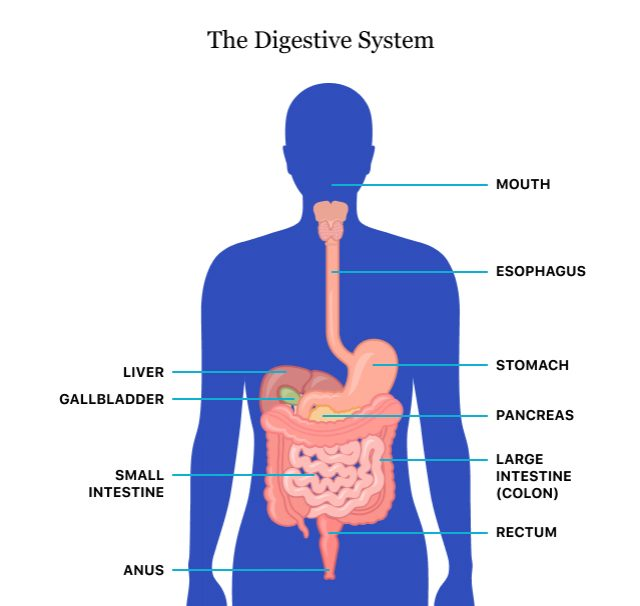
Maintaining a healthy gut is crucial for overall well-being and plays a significant role in our physical and mental health. Our gut, also known as the gastrointestinal tract, is responsible for digesting food, absorbing nutrients, and supporting a robust immune system. In this blog, we will explore the Importance of Maintaining Gut Health and Preventing Digestive Disorders.
The Gut Microbiome:
a. The gut microbiome refers to the trillions of beneficial bacteria and other microorganisms residing in our digestive system. b. A diverse and balanced gut microbiome promotes proper digestion, nutrient absorption, and protects against harmful pathogens. c. Imbalances in the gut microbiome, known as dysbiosis, can lead to digestive disorders, inflammation, and weakened immunity.
Nutrient Absorption and Digestive Health:
a. A healthy gut allows for efficient absorption of essential nutrients, vitamins, and minerals from the food we consume. b. Digestive disorders, such as irritable bowel syndrome (IBS) or inflammatory bowel disease (IBD), can impair nutrient absorption, leading to deficiencies and related health issues.
Gut-Brain Axis and Mental Health:
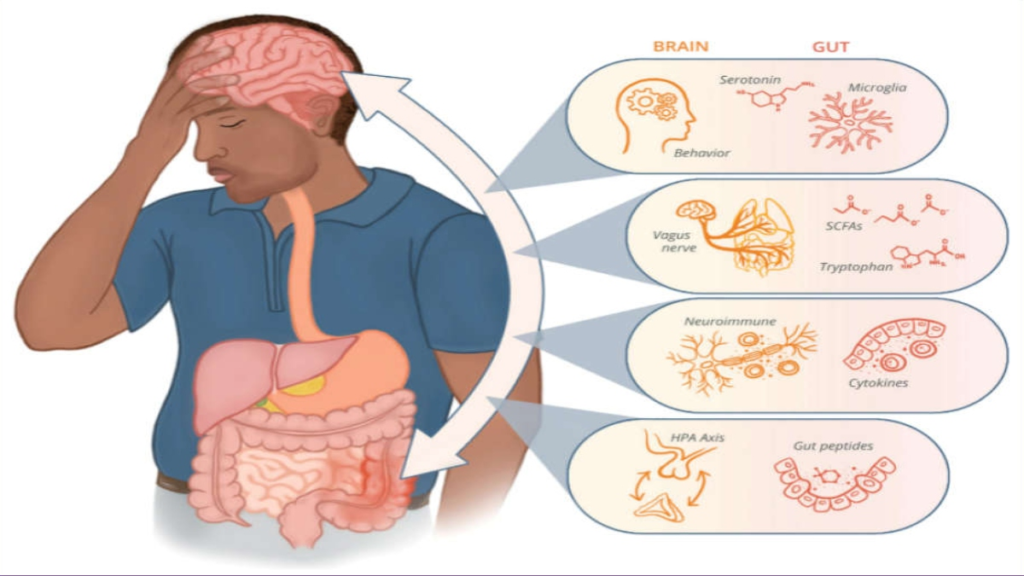
a. The gut-brain axis is a bidirectional communication system between the gut and the brain. b. Maintaining a healthy gut has been linked to improved mental health and emotional well-being. c. Imbalances in the gut microbiome can contribute to conditions like anxiety, depression, and stress.
Immune System Function:
a. Approximately 70% of the body’s immune system is located in the gut-associated lymphoid tissue (GALT). b. A healthy gut supports a robust immune response, helping to defend against infections and autoimmune diseases. c. Dysbiosis and compromised gut health can weaken immune function, making individuals more susceptible to illnesses.
Tips for Maintaining Gut Health and Preventing Digestive Disorders:
a. Eat a balanced diet rich in fiber, whole grains, fruits, vegetables, and fermented foods like yogurt and sauerkraut. b. Stay hydrated to support optimal digestion and bowel movements. c. Minimize the consumption of processed foods, refined sugars, and artificial additives. d. Manage stress through techniques like meditation, exercise, and adequate sleep. e. Avoid unnecessary antibiotic use and discuss alternatives with your healthcare provider. f. Consider incorporating probiotic and prebiotic-rich foods or supplements to support a healthy gut microbiome. g. Seek medical advice if experiencing persistent digestive issues or symptoms of digestive disorders.
Lifestyle Habits for Gut Health: Exercise, Sleep, and Stress Management
When it comes to maintaining a healthy gut, it’s not just about what you eat but also how you live. Lifestyle habits play a crucial role in supporting optimal gut health. In this blog, we will explore the impact of exercise, sleep, and stress management on gut health and provide practical tips to incorporate these habits into your daily routine.
The Gut-Brain Connection
a. The gut and the brain communicate through the gut-brain axis, influencing each other’s functions. b. Stress and anxiety can disrupt the balance of the gut microbiome, leading to digestive issues. c. Lifestyle habits that promote stress management can positively impact gut health.
Exercise and Gut Health
a. Regular physical activity stimulates intestinal contractions, promoting healthy digestion and bowel movements. b. Exercise helps maintain a healthy weight, reducing the risk of obesity-related gut disorders. c. Physical activity can enhance gut motility, reducing the likelihood of constipation and promoting regularity.
Aim for at least 30 minutes of moderate-intensity exercise most days of the week. Engage in activities you enjoy, such as walking, jogging, dancing, or cycling. Practice yoga or Pilates, as they can help improve digestion and reduce stress. Sleep and Gut Health: a. Sufficient, quality sleep is essential for overall health, including gut health. b. Inadequate sleep can disrupt the gut microbiome and impair digestion. c. Sleep deprivation has been linked to increased inflammation in the gut and a higher risk of gastrointestinal disorders.
Establish a consistent sleep schedule and prioritize getting 7-9 hours of quality sleep each night. Create a calming bedtime routine, such as reading a book or practicing relaxation techniques. Create a sleep-friendly environment by keeping your bedroom cool, dark, and quiet. Stress Management and Gut Health: a. Chronic stress can negatively impact gut health by altering the gut microbiota composition. b. Stress can disrupt digestion, leading to symptoms like bloating, cramping, and diarrhea. c. Implementing stress management techniques can support a healthy gut.
Practice mindfulness meditation, deep breathing exercises, or yoga to reduce stress levels. Engage in activities that bring you joy and help you unwind, such as hobbies, spending time in nature, or listening to calming music. Prioritize self-care and set boundaries to manage stress effectively.
Conclusion
Prioritizing gut health is essential for overall health and well-being. By maintaining a healthy gut, we support proper digestion, nutrient absorption, immune function, and mental well-being, importance of maintaining gut health. Implementing lifestyle modifications and adopting a gut-friendly diet can help prevent digestive disorders and promote a thriving gut microbiome. Remember to consult with a healthcare professional for personalized guidance on maintaining optimal gut health.
Meet Your Doctor
The Best Laparoscopic Surgeon in Indore
Dr. Nikunj Jain is a renowned Gastro & Minimal Access Laparoscopic Surgeon. He is a Surgical Gastroenterologist, Consultant Surgeon at Apollo Hospital, Indore having expertise in laparoscopic, Laser, and Robotic Surgery.
You can be confident that with Dr. Nikunj Jain your well-being is in the capable hands of a highly-skilled Minimally Invasive Laparoscopic & Robotic Surgeon. Dr. Nikunj Jain strives to treat his patients with an honest, straightforward, and caring nature in a safe and comfortable environment.
Dr. Nikunj Jain has been awarded Dr. B. Ramamurthi National Gold Medal by National Board of Examination.
Email your reports
drnikunjjain@gmail.com
Call Now to book Appointment
+91-97114-59697
Head Quarter Building
3rd Floor, Satya Sai Square, Vijay Nagar, Indore – MP
Inflammatory bowel disease (IBD) is a chronic condition that affects the gastrointestinal tract, causing inflammation, ulceration, and damage to the digestive system. The two main types of IBD are Crohn\’s disease and ulcerative colitis. While medication and lifestyle modifications are often the first line of treatment, surgery may be necessary for some individuals with severe or unresponsive disease. In this blog, we will explore the surgical treatment options for inflammatory bowel disease and how they can help restore health and improve quality of life.
When is Surgery Considered?
Surgery for inflammatory bowel disease is typically considered when medication and other conservative treatments fail to adequately control symptoms or complications arise. Some situations where surgery may be necessary include:
Severe and uncontrolled symptoms, such as persistent diarrhea, abdominal pain, and rectal bleeding. Intestinal obstructions or strictures that impede the passage of food. Perforations or abscesses in the bowel. Fistulas, abnormal connections between different parts of the intestine or between the intestine and other organs. Failure to respond to medication or the development of serious side effects. Dysplasia or the presence of precancerous or cancerous changes in the colon.
Types of Surgical Procedures:
a) Bowel Resection:
Bowel resection involves removing the diseased portion of the intestine and reconnecting the healthy segments. This procedure can help alleviate symptoms, manage complications, and reduce the need for medications.
b) Colectomy:
Colectomy is the surgical removal of the colon (large intestine). It may be performed in cases of severe ulcerative colitis or when dysplasia or cancer is present. Depending on the extent of the disease, a total colectomy or a partial colectomy may be performed.
c) Ileostomy and Ileal Pouch-Anal Anastomosis (IPAA):
In some cases, when the entire colon and rectum are removed, an ileostomy may be created. This involves bringing the end of the small intestine (ileum) to the surface of the abdomen to create a stoma. Waste products are then collected in a bag attached to the stoma. Alternatively, an IPAA procedure may be performed, where a pouch is created from the small intestine and attached to the anal canal, allowing for more natural bowel movements.
Benefits of Surgical Treatment:
Surgical treatment for inflammatory bowel disease offers several benefits to individuals who have not achieved adequate symptom control with medication alone:
Relief from symptoms:
Surgery can alleviate chronic abdominal pain, diarrhea, rectal bleeding, and other debilitating symptoms associated with IBD, improving overall quality of life.
Reduction in medication dependency:
Surgery may reduce or eliminate the need for long-term medication use, which can have significant side effects. Improved nutritional status: By removing strictures or obstructions, surgery can improve nutrient absorption and promote better nutrition.
Prevention of complications:
Surgical intervention can prevent or manage complications such as perforations, abscesses, and fistulas, reducing the risk of serious health complications. Potential for disease remission: In some cases, surgery can lead to long-term remission of IBD, providing a sustained period of symptom relief.
Preparing for Surgery and Recovery:
If surgical treatment is recommended, it is important to have a thorough discussion with the surgeon to understand the procedure, potential risks, and expected outcomes. Preparing for surgery may involve dietary adjustments, cessation of certain medications, and medical evaluations.
During the recovery period, the medical team will provide guidance on wound care, pain management, and resuming normal activities. It is crucial to follow the post-operative instructions and attend follow-up appointments to monitor progress and address any concerns.
Importance of a Multidisciplinary Approach:
The surgical management of inflammatory bowel disease is most effective when it involves a multidisciplinary team, including gastroenterologists, surgeons, nurses, and dietitians. This collaborative approach ensures comprehensive care, tailored treatment plans, and ongoing support for the physical and emotional well-being of individuals with IBD.
Advantages and Disadvantages of Surgical Treatment for Inflammatory Bowel Disease
Inflammatory bowel disease (IBD), including conditions like Crohn\’s disease and ulcerative colitis, can significantly impact a person\’s quality of life. While medication and lifestyle changes are often the first line of treatment, surgical intervention may be necessary for some individuals. Surgical treatment aims to alleviate symptoms, manage complications, and improve overall well-being. However, like any medical procedure, it comes with its own set of advantages and disadvantages. In this blog, we will explore both sides to help you make an informed decision about surgical treatment for inflammatory bowel disease.
Advantages of Surgical Treatment:
Symptom Relief: Surgical intervention can provide substantial relief from persistent and debilitating symptoms associated with inflammatory bowel disease. Symptoms such as abdominal pain, diarrhea, rectal bleeding, and bowel urgency can be significantly reduced or even eliminated, improving overall quality of life.
Reduction in Medication Dependency:
Surgery may lead to a decreased reliance on long-term medication use. This is particularly beneficial for individuals who have experienced undesirable side effects from medications or have not achieved adequate symptom control. By reducing the need for medication, surgery can alleviate concerns about potential side effects and long-term dependency.
Prevention and Management of Complications:
Surgical treatment can effectively address complications associated with inflammatory bowel disease, such as strictures, obstructions, perforations, abscesses, and fistulas. By removing diseased segments or repairing damaged areas, surgery helps prevent further complications and reduces the risk of serious health issues.
Improved Quality of Life:
Surgical treatment can significantly improve the overall quality of life for individuals with inflammatory bowel disease. By alleviating symptoms, reducing medication dependency, and preventing complications, surgery allows individuals to engage in daily activities, work, and social interactions with greater comfort and confidence.
Disadvantages of Surgical Treatment:
Surgical Risks:
As with any surgical procedure, there are inherent risks involved. These risks may include bleeding, infection, reaction to anesthesia, blood clots, and damage to surrounding organs or structures. It is essential to discuss these risks thoroughly with your healthcare team to understand and weigh them against the potential benefits of surgery.
Potential for Surgical Complications:
Although surgical treatment aims to improve health outcomes, there is a possibility of complications specific to the procedure. These may include leakage or blockage at the site of reconnection, pouch-related issues (in the case of ileal pouch-anal anastomosis), bowel adhesions, or the need for further surgeries. Your surgeon will provide detailed information about the specific risks associated with the proposed surgical intervention.
Recovery and Rehabilitation:
Surgery for inflammatory bowel disease requires a recovery period, during which time you may experience discomfort, pain, and temporary dietary restrictions. The recovery process may vary depending on the type of surgery performed and individual factors. It is crucial to follow post-operative instructions and attend follow-up appointments to optimize healing and rehabilitation.
Impact on Fertility and Reproductive Health:
Certain surgical procedures for inflammatory bowel disease, such as colectomy or ileostomy, may have implications for fertility and reproductive health. It is important to discuss these concerns with your healthcare team, especially if you have plans for future pregnancies.
Individual Variation in Outcomes:
It is essential to recognize that the outcomes of surgical treatment for inflammatory bowel disease can vary from person to person. Factors such as the extent of disease, overall health, and response to surgery can influence the effectiveness of the procedure and long-term outcomes.
Making an Informed Decision:
When considering surgical treatment for inflammatory bowel disease, it is crucial to have open and thorough discussions with your healthcare team. They will provide detailed information about the potential advantages, disadvantages, and risks associated with the specific surgical options available to you. By understanding the potential benefits and drawbacks, you can make an informed decision that aligns with your personal goals and priorities.
In conclusion, surgical treatment for inflammatory bowel disease offers several advantages, including symptom relief, reduced medication dependency, prevention and management of complications, and improved quality of life. However, it is important to consider the potential disadvantages, such as surgical risks, complications, recovery and rehabilitation, and potential impact on fertility and reproductive health. Engage in open and honest conversations with your healthcare team to evaluate the pros and cons and make the best decision for your individual circumstances.
Endoscopic Retrograde Cholangiopancreatography, commonly known as ERCP, is a specialized endoscopic procedure that plays a crucial role in diagnosing and treating disorders of the bile ducts, pancreas, and liver. In this blog, we will explore the uses, benefits, and advancements of ERCP, shedding light on its significant contributions to the field of gastroenterology.
1.Understanding ERCP:
An Overview of the Procedure: ERCP combines endoscopy and fluoroscopy to visualize and access the bile ducts and pancreatic ducts. This section will provide a step-by-step overview of the ERCP procedure, explaining how an endoscope is guided through the mouth, esophagus, and stomach to reach the duodenum, where the bile duct and pancreatic ducts are located. It will also touch upon the use of contrast dye and X-ray imaging during the procedure.
2.Diagnostic Uses of ERCP:
ERCP is a valuable diagnostic tool for various conditions affecting the biliary system and pancreas. This section will delve into the diagnostic applications of ERCP, including the detection and characterization of gallstones, narrowing or blockages in the bile ducts, tumors or strictures, and abnormalities in the pancreatic ducts. It will highlight how ERCP helps in obtaining accurate and detailed images of these structures for precise diagnosis.
3.Therapeutic Benefits of ERCP:
Beyond diagnosis, ERCP offers therapeutic interventions for a range of conditions. This section will discuss the therapeutic applications of ERCP, such as the removal of gallstones or bile duct stones, placement of stents to alleviate blockages, dilation of strictures, and drainage of fluid collections. It will emphasize how ERCP can effectively relieve symptoms, improve liver and pancreatic function, and potentially avoid the need for more invasive surgical procedures.
4.Advancements in ERCP Techniques:
Over the years, advancements in ERCP techniques and technology have further enhanced its safety and effectiveness. This section will explore notable advancements, including the use of therapeutic endoscopes with built-in tools, improved imaging techniques, and innovations like digital cholangioscopy for enhanced visualization during ERCP. It will highlight how these advancements have expanded the capabilities of ERCP and improved patient outcomes.
5.Potential Risks and Complications:
While ERCP is generally safe, it is essential to be aware of potential risks and complications associated with the procedure. This section will discuss the possible adverse effects of ERCP, such as pancreatitis, infection, bleeding, and perforation. It will emphasize the importance of having the procedure performed by experienced gastroenterologists in specialized centers with comprehensive resources for managing any complications that may arise.
6.Preparing for an ERCP Procedure and Aftercare:
This section will provide practical information on preparing for an ERCP procedure, including fasting guidelines, medication adjustments, and the importance of informing the healthcare team about any allergies or medical conditions. Additionally, it will discuss post-procedure care, including recovery expectations, potential side effects, and when to seek medical attention if complications arise.
Conclusion:
Endoscopic Retrograde Cholangiopancreatography (ERCP) has revolutionized the diagnosis and treatment of disorders affecting the biliary system and pancreas. With its diagnostic accuracy and therapeutic interventions, ERCP has become an indispensable tool in the field of gastroenterology. As technology continues to advance, ERCP techniques will likely further evolve, ensuring even safer and more effective management of liver and pancreatic conditions, ultimately improving patient outcomes and quality of life.
If you’re in search of a highly skilled laparoscopic surgeon in Indore, your quest ends here. In this comprehensive blog post, we introduce you to Dr. Nikunj, a renowned specialist dedicated to providing advanced care and minimally invasive surgical solutions. Join us as we explore the world of laparoscopic surgery, its benefits, and why Dr. Nikunj is the trusted choice for patients in Indore.
Understanding Laparoscopic Surgery :
Laparoscopic surgery, also known as minimally invasive surgery, has revolutionized the field of surgical interventions. Unlike traditional open surgery, laparoscopic procedures involve making small incisions through which specialized instruments and a tiny camera are inserted. This technique allows surgeons to perform complex procedures with enhanced precision and minimal scarring.
Introducing Dr. Nikunj:
The Laparoscopic Specialist (approx. 200 words): Dr. Nikunj, a highly skilled laparoscopic surgeon in Indore, combines his vast experience and expertise to offer patients advanced surgical solutions with optimal outcomes. With a deep commitment to patient care, Dr. Nikunj ensures personalized treatment plans tailored to each individual\’s needs.
The Advantages of Laparoscopic Surgery :
Laparoscopic surgery offers several advantages over traditional open surgery, making it a preferred choice for both surgeons and patients. Let\’s explore some of the key benefits:
Minimal Scarring: With laparoscopic surgery, the incisions made are small, resulting in minimal scarring compared to larger incisions in open surgery. This leads to improved cosmetic outcomes and reduced postoperative discomfort.
Faster Recovery: The smaller incisions and reduced tissue trauma associated with laparoscopic surgery lead to faster healing and recovery times. Patients typically experience less pain, require shorter hospital stays, and can resume their daily activities sooner.
Reduced Risk of Infection: The smaller incisions and reduced exposure of internal organs during laparoscopic surgery significantly decrease the risk of infection. This is particularly important in complex procedures or for patients with compromised immune systems.
Enhanced Precision: Laparoscopic surgery offers surgeons a magnified, high-definition view of the surgical site. The use of specialized instruments allows for precise and delicate movements, enabling targeted interventions and minimizing damage to surrounding tissues.
Fewer Complications: Laparoscopic surgery has been associated with a lower risk of complications, such as bleeding and wound infections. The minimally invasive approach reduces the strain on the body, leading to a smoother recovery and improved overall outcomes.
Dr. Nikunj: Your Trusted Laparoscopic Surgeon in Indore:
Dr. Nikunj is a highly respected and trusted laparoscopic surgeon in Indore. With his extensive experience and training in advanced laparoscopic procedures, he offers patients cutting-edge surgical solutions with a focus on safety and precision.
Personalized Treatment Approach :
Dr. Nikunj understands that each patient\’s condition is unique, and therefore, he takes a personalized approach to treatment. He carefully evaluates each case, considering the patient\’s medical history, specific needs, and treatment goals. Dr. Nikunj believes in open communication, ensuring that patients are actively involved in the decision-making process and have a clear understanding of their treatment options.
Compassionate Care and Patient Satisfaction :
Dr. Nikunj is known for his compassionate and patient-centric approach. He prioritizes patient comfort and ensures that they feel heard, understood, and supported throughout their treatment journey. With a commitment to excellence, Dr. Nikunj strives to deliver the highest quality of
Weight Loss Surgery, or bariatric surgery, is becoming an increasingly popular option for those looking to dramatically shed pounds and live a healthier lifestyle. Indeed, there are many potential benefits to having bariatric surgery, especially for those who suffer from obesity. In this blog, we will explore some of the main advantages of having weight loss surgery.
First, the most obvious benefit of having weight loss surgery is, of course, the weight loss. Those who have bariatric surgery can expect to lose a significant amount of weight in a relatively short period of time, at least if they stick to post-surgery dietary guidelines. Furthermore, this weight loss can be maintained long-term, making it an excellent option for those who are looking to make a lasting lifestyle change.
Additionally, there are a number of health benefits associated with weight loss surgery. Those who have bariatric surgery often experience significant improvements in health-related quality of life, such as increased energy levels, decreased overall body fat levels, improved sleep habits, and a decrease in risk of developing certain weight-related illnesses, such as heart disease, stroke, and type 2 diabetes.
Finally, there are the psychological benefits associated with having a weight loss surgery. Many individuals feel more confident and motivated when they have been able to successfully lose weight and get healthy. This can enhance one’s self-esteem, leading to better overall quality of life.
Overall, there are many potential benefits to having bariatric surgery. While it is an important decision that requires careful consideration, those who make the choice to have weight loss surgery can find themselves reaping the rewards of a healthier lifestyle.
Cons of Weight Loss Surgery
It is a viable option for those who have tried and failed at more conservative weight loss methods. While it may be the right choice for some individuals, there are some not-so-obvious downsides to consider. Here, we define the cons of weight loss surgery, and highlight some tips to keep in mind as you think through the potential risks.
Potential Complications
Complications occurring during or after weight loss surgery can be serious and life-threatening. The most common complication is leakage from the stomach, which can lead to infection and fever. According to the Centers for Disease Control and Prevention, this complication can occur in 16% of all lap-band procedures and 13% of gastric bypasses. Other less common but equally serious complications include blood vessel blockage, increased risk of stroke, and gallstones.
Long-term Maintenance
It requires extensive lifestyle changes, including starting and maintaining an active exercise program and eating a well-balanced, nutrient-dense diet. Eating the wrong foods can lead to vomiting, diarrhea, abdominal pain, and blockages. You will also need to take certain supplements and vitamins, and ensure that your body is not absorbing important nutrients.
Limited Results
It’s important to understand that it does not guarantee a certain amount of weight loss or improve a certain health condition. While most individuals experience sustained weight loss at least a year after the procedure, the total amount of weight lost is often much lower than what the patient initially hoped for.
Pain
While the surgery itself isn’t usually painful, many patients experience pain after the procedure, ranging from mild to severe. The type and amount of pain experienced will depend on the individual’s healing process and type of procedure.
Financial Burden
It is expensive and, in most cases, not covered by health insurance. Depending on the procedure, it can cost anywhere from several thousand to tens of thousands of dollars.
As you consider whether weight loss surgery is right for you, it’s important to consider the pros and cons and understand the potential risks associated with the procedure. As always, talk to your doctor to get personalized advice tailored to your health and lifestyle needs.