Finding the right bariatric surgeon in Indore is a crucial decision that can significantly impact the success of your weight loss journey. If you’re considering bariatric surgery, it’s essential to choose a surgeon who not only possesses the required expertise but also provides comprehensive support throughout your entire journey. One of the prominent names in this field is Dr. Nikunj Jain, known for his extensive experience and excellent patient outcomes. But Choosing the Best Bariatric Surgeon in Indore? Let’s delve into the factors you need to consider to make an informed decision.
Choosing the Best Bariatric Surgeon in Indore
Bariatric surgery is a life-altering procedure that requires precision, skill, and a deep understanding of patient care. A bariatric surgeon in Indore is responsible for performing surgical procedures that help in weight loss by making changes to your digestive system. These surgeries are complex and require not just technical expertise but also a compassionate approach to patient care. Choosing the right surgeon, like Dr. Nikunj Jain, who has a proven track record, can make a significant difference in achieving your weight loss goals and improving your overall health.
Experience and Credentials: The Bedrock of a Good Surgeon
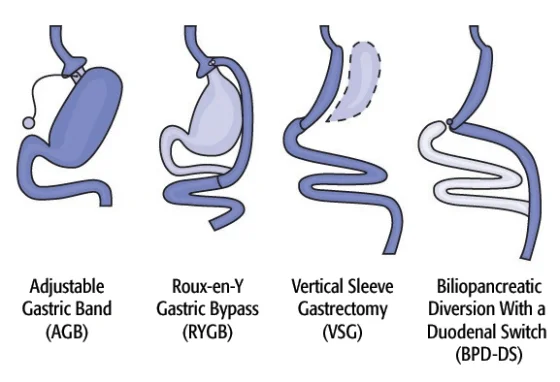
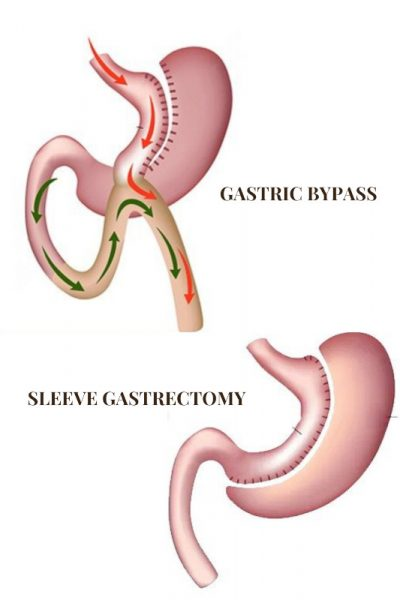
When looking for a bariatric surgeon in Indore, one of the first factors to consider is the surgeon’s experience and credentials. A surgeon who has performed a large number of successful bariatric surgeries is likely to be more adept at handling any complications that might arise. Dr. Nikunj Jain, for example, is a highly experienced surgeon with numerous successful surgeries to his credit. He is well-versed in various types of bariatric procedures, including gastric bypass, sleeve gastrectomy, and adjustable gastric banding.
It’s also important to ensure that the surgeon is board-certified and has specialized training in bariatric surgery. Board certification signifies that the surgeon has met rigorous standards and has the necessary skills to perform the surgery safely and effectively.
Patient Outcomes and Success Rates: A Critical Metric
Another crucial factor in choosing a bariatric surgeon in Indore is the success rate of their patients. High success rates typically indicate that the surgeon has a strong track record of helping patients achieve their weight loss goals safely. When evaluating a surgeon, consider the following:
Patient testimonials and reviews: What do previous patients say about their experience with the surgeon? Are they satisfied with the results? Positive reviews can be a good indicator of a surgeon’s expertise and patient care.
Before-and-after photos: These can give you a visual representation of the surgeon’s work and the potential outcomes you can expect.
Complication rates: It’s important to inquire about the surgeon’s complication rates. A lower rate of complications suggests that the surgeon is highly skilled and meticulous in their approach.
Dr. Nikunj Jain is known for his high success rates and positive patient feedback, making him a top choice for those considering bariatric surgery in Indore.
Personalized Patient Care and Support
Bariatric surgery is not just a one-time procedure; it’s a journey that requires ongoing support and care. The best bariatric surgeons in Indore offer comprehensive support that begins with pre-surgery consultations and continues long after the surgery is completed. Dr. Nikunj Jain emphasizes the importance of personalized care, tailoring treatment plans to each patient’s unique needs and ensuring they have the resources and guidance necessary for a successful recovery.
A thorough pre-surgery consultation is essential to building trust between you and your surgeon. During this consultation, the surgeon should discuss the different surgical options available, the risks and benefits of each, and what you can expect before, during, and after the procedure. Dr. Nikunj Jain is known for his detailed consultations, where he ensures that patients are fully informed and comfortable with their decision before proceeding with surgery.
Post-Surgery Support: A Key to Long-Term Success
Post-surgery support is a critical aspect of the bariatric surgery process. This includes follow-up appointments, nutritional guidance, psychological support, and more. The best bariatric surgeons in Indore understand that successful weight loss surgery extends beyond the operating room. Dr. Nikunj Jain provides comprehensive post-surgery support, helping patients adjust to their new lifestyle and maintain their weight loss over the long term.
Comprehensive Care Team: A Multi-Disciplinary Approach
Choosing a bariatric surgeon in Indore who works with a comprehensive care team can significantly enhance your overall experience and outcomes. A multi-disciplinary team typically includes dietitians, psychologists, and physical therapists, all working together to provide holistic care. Dr. Nikunj Jain collaborates with a team of experts to ensure that every aspect of your health is addressed, from physical to emotional well-being.
The facilities where the surgery will be performed are also an important consideration. Ensure that the hospital or clinic is equipped with the latest technology and adheres to strict safety and hygiene standards. Dr. Nikunj Jain operates in some of the most advanced medical facilities in Indore, providing patients with access to cutting-edge technology and world-class care.
Insurance and Financing Options
Bariatric surgery can be a significant financial investment, so it’s essential to discuss insurance coverage and financing options with your chosen surgeon. The best bariatric surgeons in Indore are transparent about costs and will work with you to find a payment plan that suits your budget. Dr. Nikunj Jain and his team can guide you through the process of securing insurance coverage and explore other financing options if needed.
Informed Decision-Making: Empower Yourself
Ultimately, the decision to undergo bariatric surgery and choose the right surgeon is deeply personal. Empower yourself by gathering as much information as possible, asking questions, and taking the time to make an informed decision. With his extensive experience, high success rates, and commitment to patient care, Dr. Nikunj Jain stands out as one of the leading choices for those seeking a bariatric surgeon in Indore.
Choosing the best bariatric surgeon in Indore is a critical step toward achieving your weight loss goals and improving your health. With extensive experience, a high success rate, and a patient-centered approach, Dr. Nikunj Jain is a top choice for those seeking a skilled and compassionate bariatric surgeon. By considering factors such as experience, patient outcomes, post-surgery support, and the availability of a comprehensive care team, you can make an informed decision and embark on your weight loss journey with confidence.
Frequently Asked Questions
What qualifications should I look for in a bariatric surgeon in Indore?
Look for a surgeon who is board-certified, has specialized training in bariatric surgery, and has a proven track record of successful surgeries. Experience and patient outcomes are critical factors.
Why is post-surgery support important when choosing a bariatric surgeon?
Post-surgery support is crucial for long-term success. It includes follow-up appointments, nutritional guidance, and psychological support to help you maintain your weight loss and adjust to your new lifestyle.
How can I evaluate a surgeon’s success rate?
You can evaluate a surgeon’s success rate by looking at patient testimonials, before-and-after photos, and asking about the surgeon’s complication rates. High success rates usually indicate a surgeon’s expertise.
Is it important to choose a surgeon who works with a comprehensive care team?
Yes, a comprehensive care team that includes dietitians, psychologists, and physical therapists can provide holistic care, addressing all aspects of your health and increasing your chances of success.
What should I expect during the pre-surgery consultation?
During the pre-surgery consultation, the surgeon should explain the different surgical options, the risks and benefits, and what to expect before, during, and after the procedure. It’s a chance to ask questions and build trust with your surgeon.
Does Dr. Nikunj Jain provide financing options for bariatric surgery?
Yes, Dr. Nikunj Jain and his team can guide you through insurance coverage options and explore financing plans that make the surgery more affordable.
When it comes to delicate health conditions like fissures, fistulas, and hemorrhoids, finding the right doctor is critical for both your physical and emotional well-being. These conditions can cause significant discomfort and may lead to severe complications if not treated properly. Indore, a burgeoning healthcare hub in Madhya Pradesh, offers several excellent treatment options. This guide will help you navigate your choices and Finding the Right Doctor for fissures, fistulas, and hemorrhoids.
Understanding Fissures, Fistulas, and Hemorrhoids
Before diving into how to find the right doctor in Indore, it’s important to understand these conditions.
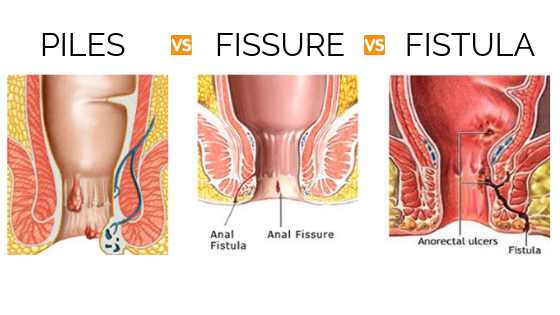
Anal fissures are small tears in the lining of the anus, causing pain and bleeding during bowel movements. They are typically caused by constipation or passing large, hard stools.
Fistulas, on the other hand, are abnormal connections between two body parts, such as between the anus and the skin. They often develop due to infections, previous surgeries, or chronic inflammatory conditions.
Hemorrhoids are swollen blood vessels in the rectum or anus, often associated with straining during bowel movements, pregnancy, or aging.
All these conditions, while distinct, share common symptoms such as pain, bleeding, and discomfort in the anal region. Given their complexity and the discomfort they cause, consulting with a specialist in Indore is crucial.
Why It’s Important to See a Specialist
Treating fissures, fistulas, and hemorrhoids requires a nuanced approach that balances immediate symptom relief with long-term management. While general practitioners can offer basic treatment, a specialist—typically a proctologist or colorectal surgeon—is better equipped to provide comprehensive care.
Specialists like Dr. Nikunj Jain, a leading proctologist in Indore, have the expertise to accurately diagnose these conditions, recommend the best course of treatment, and perform necessary surgical procedures with precision. Dr. Jain, known for his patient-centered approach, combines advanced medical knowledge with compassionate care, making him one of the top choices in Indore.
Key Considerations When Choosing a Doctor in Indore
Finding the right doctor in Indore for fissures, fistulas, and hemorrhoids involves considering several factors:
Experience and Expertise: Look for doctors who specialize in treating these conditions. Experience matters—doctors who have performed numerous surgeries or treatments are more likely to deliver better outcomes.
Reputation: Patient reviews and testimonials are invaluable. Look for doctors who have a reputation for successful treatments and positive patient experiences. Dr. Nikunj Jain, for instance, has received excellent reviews for his effective treatments and compassionate care.
Treatment Options: A good doctor should offer a range of treatment options, from conservative therapies to advanced surgical techniques. Dr. Jain, for example, is known for utilizing both traditional and modern methods, including laser treatments for hemorrhoids, which offer quicker recovery times and less pain.
Consultation and Communication: Choose a doctor who takes the time to explain your condition, the treatment options, and what you can expect during recovery. Open communication is key to feeling comfortable and confident in your treatment plan.
Facility Quality: The quality of the medical facility where the doctor practices is also important. Ensure that the hospital or clinic is well-equipped, clean, and staffed with competent healthcare professionals.
Indore is home to a variety of treatment options for fissures, fistulas, and hemorrhoids, ranging from conservative methods to advanced surgical procedures.
Conservative Treatments: For mild cases, doctors may recommend lifestyle changes such as increased fiber intake, adequate hydration, and over-the-counter medications to ease symptoms. Sitz baths, topical ointments, and stool softeners can also provide relief.
Medication: Prescription medications, including topical creams, pain relievers, and anti-inflammatory drugs, may be used to reduce symptoms and promote healing. These are typically recommended for less severe cases.
Minimally Invasive Procedures: For more persistent or severe cases, doctors may suggest minimally invasive procedures. These include rubber band ligation for hemorrhoids, which involves tying off the hemorrhoid to cut off its blood supply, and sclerotherapy, where a solution is injected into the hemorrhoid to shrink it.
Laser Treatments: Laser treatment is an increasingly popular option, especially for hemorrhoids and fistulas. It is less painful than traditional surgery, offers quicker recovery times, and has a lower risk of complications. Dr. Nikunj Jain is among the few specialists in Indore who offer this advanced treatment option.
Surgical Interventions: In cases where conservative treatments and minimally invasive procedures are not effective, surgery may be necessary. Options include hemorrhoidectomy, fissurectomy, and fistulotomy, depending on the specific condition. These procedures are typically performed by colorectal surgeons or proctologists like Dr. Nikunj Jain.
Advanced Treatment Techniques: Dr. Jain utilizes the latest techniques, including laser surgery, to ensure patients receive the best possible care with minimal discomfort and downtime.
Patient-Centered Care: Known for his empathetic approach, Dr. Jain ensures that his patients are well-informed and comfortable throughout their treatment journey. His ability to explain complex medical conditions in a way that is easy to understand helps patients feel at ease.
State-of-the-Art Facilities: Dr. Jain practices at some of the best-equipped medical facilities in Indore, ensuring that his patients receive top-notch care in a safe and comfortable environment.
Positive Patient Outcomes: Many of Dr. Jain’s patients have reported significant improvement in their conditions following treatment, with minimal recurrence of symptoms. His commitment to achieving the best possible outcomes for his patients is a testament to his expertise and dedication.
How to Prepare for Your Appointment
Once you have chosen a doctor, such as Dr. Nikunj Jain, preparing for your appointment can help you get the most out of your consultation.
Medical History: Bring a comprehensive medical history, including any previous treatments for fissures, fistulas, or hemorrhoids, as well as any other relevant health conditions.
Symptom Diary: Keeping a diary of your symptoms can be incredibly helpful. Note when your symptoms occur, their severity, and any factors that seem to exacerbate or alleviate them.
Questions: Prepare a list of questions to ask your doctor. This might include inquiries about treatment options, the risks and benefits of different procedures, recovery times, and what you can expect after treatment.
Insurance Information: Make sure to bring your insurance information and confirm with the doctor’s office that they accept your insurance plan. Understanding your coverage will help you avoid any unexpected costs.
The treatment process for fissures, fistulas, and hemorrhoids can vary significantly depending on the severity of the condition and the treatment method chosen.
Initial Consultation: During your first visit, the doctor will review your medical history, perform a physical examination, and may recommend additional tests, such as a colonoscopy or imaging studies, to get a better understanding of your condition.
Treatment Plan: Based on the diagnosis, your doctor will develop a treatment plan tailored to your needs. This plan may include lifestyle modifications, medication, or a recommendation for surgery.
Procedure: If a surgical procedure is required, your doctor will explain the process in detail, including how to prepare, what the surgery entails, and what to expect during recovery. Minimally invasive procedures like laser treatment typically involve less pain and quicker recovery compared to traditional surgery.
Recovery: Recovery times can vary depending on the procedure performed. Your doctor will provide specific instructions on post-operative care, including pain management, dietary guidelines, and activity restrictions.
Follow-Up: Regular follow-up visits are important to monitor your recovery and ensure that the treatment has been effective. Your doctor may recommend additional treatments or lifestyle changes to prevent recurrence.
Conclusion
Finding the right doctor in Indore for treating fissures, fistulas, and hemorrhoids is crucial for ensuring effective treatment and a smooth recovery. By considering factors such as experience, reputation, and available treatment options, you can make an informed choice. Dr. Nikunj Jain is a top choice in Indore, offering advanced treatment options and patient-centered care. Whether you require conservative management or a surgical procedure, Dr. Jain’s expertise can help you achieve the best possible outcome.
FAQs
What are the symptoms of fissures, fistulas, and hemorrhoids? Common symptoms include pain during bowel movements, bleeding, itching, and swelling in the anal area. Fistulas may also cause discharge or infection.
How do I know if I need surgery for my condition? Surgery is usually recommended when conservative treatments fail to provide relief, or if the condition is severe. Your doctor will assess your situation and recommend the best treatment option.
Can fissures, fistulas, and hemorrhoids be treated with medication alone? In mild cases, medication and lifestyle changes may be sufficient. However, more severe cases may require surgical intervention.
Is laser treatment effective for hemorrhoids and fistulas? Yes, laser treatment is a minimally invasive option that is effective for treating both hemorrhoids and fistulas. It offers quicker recovery times and less pain compared to traditional surgery.
What should I expect during my first consultation with Dr. Nikunj Jain? During your first consultation, Dr. Jain will review your medical history, conduct a physical examination, and discuss your symptoms. He will then recommend a treatment plan tailored to your needs.
How long does it take to recover from surgery for fissures, fistulas, or hemorrhoids? Recovery times vary depending on the procedure. Minimally invasive procedures may require only a few days of recovery, while more extensive surgeries may take several weeks.
Laparoscopic surgery, also known as minimally invasive surgery, is a common and increasingly popular procedure that is used to diagnose, treat, and remove medical conditions. While laparoscopic surgery is generally considered to be a safe and effective treatment option, it does carry some risks. Here, we take a look at the potential risks of laparoscopic surgery.
First and foremost, there is the risk of infection. As with any type of surgery, there is a chance of infection, especially during and after the procedure. Infections can be serious and can lead to longer recovery times, or even death in some cases. As such, it’s important to take extreme caution when undergoing laparoscopic surgery to avoid any complications.
Another risk of laparoscopic surgery is organ damage. During the procedure, the surgeon must be very precise when making incisions and manipulating the organs. If the surgeon is not careful, there is a risk of organ damage, which can cause further complications and sometimes even death.
In addition, there is a risk of bleeding during and after the surgery. While the surgeon will try to minimize any bleeding, it’s still a possibility due to the manipulation of organs and tissue. In some cases, excessive bleeding can lead to serious complications and even death.
Finally, there is the risk of nerve damage. The surgeon must be extremely careful when manipulating the organs in order to avoid any nerve damage. If this does occur, it can lead to severe pain, numbness, and even paralysis in some cases.
Overall, laparoscopic surgery is generally considered to be a safe and effective procedure. However, it does carry some risks, and it’s important to be aware of these before undergoing any surgery. While the risks are minimal, it’s still important to take the necessary precautions to avoid any complications.
How to Prepare for Laparoscopic Surgery
Preparing for laparoscopic surgery can seem intimidating and overwhelming, but it doesn’t have to be. By following a few simple steps and taking the time to research your procedure and plan ahead, you can make sure you’re as ready as possible for your laparoscopic surgery.
Research Your Procedure
Take the time to research your procedure and understand what it entails. You should ask your doctor questions about the surgery, the risks, and the expected recovery time. This will help you feel more informed and prepared for what’s to come.
Follow Your Doctor’s Pre-Surgery Instructions
Your doctor will provide you with pre-surgery instructions, such as what to avoid eating or drinking before surgery and when you should stop taking certain medications. Make sure you follow the instructions carefully.
Arrange Transportation
Arrange for someone to take you to and from the hospital. Laparoscopic surgery is done under general anesthesia, so you won’t be able to drive yourself afterwards.
Stock Up on Supplies
Stock up on any supplies you may need after surgery, such as bandages, gauze, and over-the-counter pain medications. This will help you avoid having to make a trip to the store.
Prepare Your Home
You’ll need to make some changes to your home to make sure you can safely recover after your surgery. For example, arrange for someone to help you with grocery shopping, chores, and other tasks while you’re recovering.
Take Care of Yourself
Take care of yourself both physically and mentally before your surgery. Eating a balanced diet and exercising regularly can help reduce stress and strengthen your body.
By following these steps and taking the time to prepare for your laparoscopic surgery, you can ensure that you are as ready as possible for the procedure. The better prepared you are, the smoother your recovery and post-operative care will be.
The Latest Advances in Laparoscopic Surgery
Laparoscopic surgery has revolutionized the way we approach many surgical procedures. It is a minimally invasive approach to many types of surgeries, and has made it much easier for surgeons to perform complex operations with minimal pain and scarring. The latest advances in laparoscopic surgery are making this form of surgery even more effective and safer.
One of the most important advances in laparoscopic surgery is the development of robotic technology. This technology allows surgeons to perform surgery with greater precision and accuracy, as well as reducing the amount of time needed to complete the procedure. Robotic technology can also be used to provide a better view of the anatomy and to allow the surgeon to work with greater dexterity.
Another advance in laparoscopic surgery is the use of advanced imaging techniques. CT scans and MRI scans are now being used to provide a better view of the internal organs and tissues, allowing the surgeon to better assess the situation and make more informed decisions. This technology has also allowed surgeons to perform more complex operations with greater accuracy and fewer complications.
Finally, the use of lasers has become an important part of laparoscopic surgery. Lasers are used to make incisions and to seal off blood vessels, allowing surgeons to perform more precise operations with fewer risks. Lasers are also used to help reduce the amount of post-operative pain and discomfort that patients experience.
These advances in laparoscopic surgery have made it much easier for surgeons to perform complex operations with minimal pain and scarring. This type of surgery is now much more accessible to patients, and is becoming increasingly popular as a way to treat a variety of conditions. As the technology continues to improve, the possibilities of laparoscopic surgery will only increase.
Laparoscopic surgery is a minimally invasive surgical procedure that is used to diagnose and treat a variety of medical conditions. The surgeon uses a laparoscope, a thin camera that is inserted into the body through small incisions in the abdominal wall. Laparoscopic surgery can be used to treat many different conditions, such as gallstones, Crohn’s disease, endometriosis, and hernias.
Gallstones are small stones that form in the gallbladder, usually caused by a buildup of bile and cholesterol. Laparoscopic surgery is often used to remove gallstones. The surgeon will make a few small incisions in the abdomen and insert the laparoscope. They will then use instruments to break up the stones and remove them.
Crohn’s disease is an inflammatory bowel disease that can cause abdominal pain, diarrhea, and weight loss. Laparoscopic surgery can be used to remove the inflamed sections of the bowel. The surgeon will make small incisions in the abdomen and then use the laparoscope to remove the affected sections.
Endometriosis is a condition in which the endometrial tissue, which lines the uterus, grows outside of the uterus. This can cause pain and infertility. Laparoscopic surgery can be used to remove the endometrial tissue. The surgeon will make small incisions in the abdomen and then use the laparoscope to locate and remove the affected tissue.
Laparoscopic surgery is a safe and effective procedure that can be used to treat a variety of medical conditions. It can help reduce recovery time and minimize the risk of complications. If you think you may be a candidate for laparoscopic surgery, talk to your doctor to see if it is the right option for you. Common Conditions That Benefit from Laparoscopic Surgery
What to Expect During a Laparoscopic Surgery Procedure
Common Conditions That Benefit from Laparoscopic Surgery Laparoscopic surgery is a type of minimally invasive surgery that can be used to treat a variety of conditions. It is a widely used and safe procedure that involves the use of a thin, lighted tube with a camera and instruments to perform surgical procedures inside the abdominal cavity.
If you are considering laparoscopic surgery, it is important to understand what to expect during the procedure. Here is a brief guide to help you understand the process.
Pre-Surgery Preparation: Before the procedure, you will be evaluated to determine the best approach for surgery. You will be asked to provide your medical history and any other relevant information, such as your medications and allergies.
Anesthesia: During the procedure, you will be given general anesthesia or a combination of local and general anesthesia. This will help to keep you comfortable and pain-free during the procedure.
Making the Incision: The surgeon will make a small incision in your abdomen and insert the laparoscope. This is a thin, lighted tube with a camera on the end. The camera transmits images back to a monitor so that the surgeon can see what is inside the abdomen.
Inserting the Instruments: Tiny instruments, such as scissors, are then inserted through other small incisions to perform the surgery.
Completing the Procedure: After the procedure is complete, the instruments are removed, the incisions are closed, and the anesthesia is reversed.
Recovery: Recovery time is typically short, with many patients returning home the same day of the surgery. You may experience some pain, swelling, or bruising at the incision site. You should follow your doctor’s instructions for post-surgery care.
Laparoscopic surgery is a safe and effective procedure that can be used to treat a variety of conditions. It is important to discuss your expectations and any potential risks with your doctor before undergoing the procedure. With the right preparation and care, you can expect to have a successful outcome.