A hiatus hernia is a common digestive condition that can quietly affect daily comfort and long‑term health. Many people live with it for years without knowing, while others experience troublesome symptoms that interfere with eating, sleeping, and overall quality of life. Understanding what a hiatus hernia is, when treatment is needed, and how surgery can help is the first step toward lasting relief. This blog by Dr. Nikunj Jain– best hernia doctor in Indore, explains what hernia is, causes of hernia, symptoms of hernia and how hernia is treated.
Table of Contents
What Is a Hiatus Hernia?
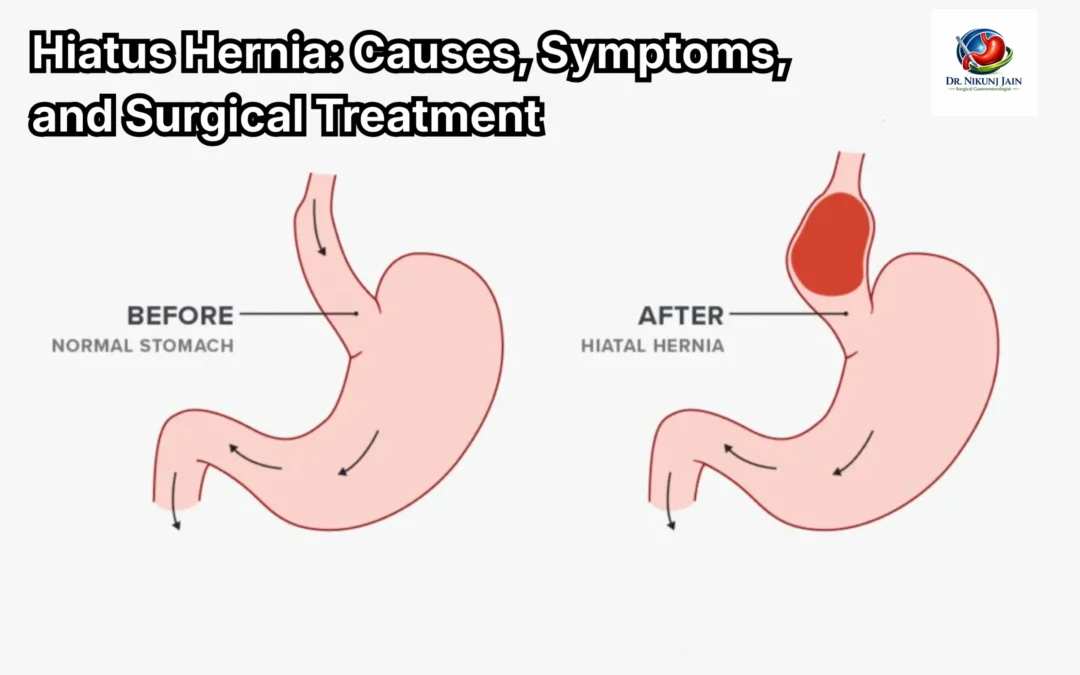
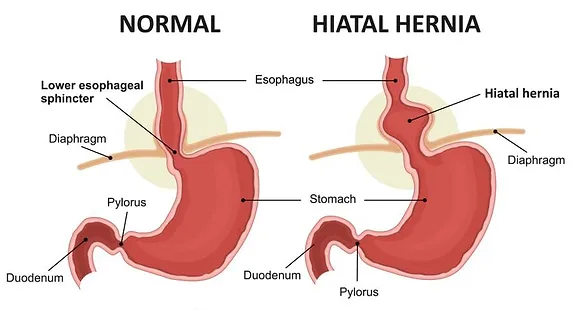
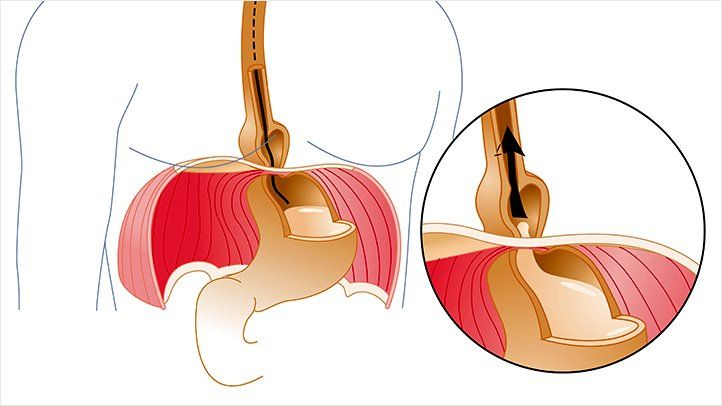
The diaphragm is a strong muscle that separates the chest from the abdomen and helps in breathing. There is a small opening in the diaphragm called the hiatus, through which the food pipe (esophagus) passes before connecting to the stomach. A hiatus hernia occurs when a part of the stomach slips up through this opening into the chest.
There are two main types:
• Sliding hiatus , the most common type, where the stomach moves up and down through the hiatus.
• Paraesophageal (rolling) hernia , less common but more serious, where part of the stomach pushes up beside the esophagus and stays there.
Common Causes of Hiatus Hernia
A hiatus hernia can develop due to increased pressure inside the abdomen or weakness in the diaphragm muscles. Common causes include:
• Aging and muscle weakness • Obesity or sudden weight gain • Chronic coughing or sneezing • Heavy lifting or straining • Pregnancy • Long‑term constipation
In many cases, there is no single cause, but a combination of factors.
Symptoms You Should Not Ignore
Small hiatus hernias may not cause any symptoms. However, larger hernias often lead to acid reflux and related problems. Common symptoms include:
• Heartburn or burning sensation in the chest
• Acid reflux or sour taste in the mouth
• Difficulty swallowing
• Chest pain, especially after meals
• Bloating or frequent burping
• Shortness of breath (in severe cases)
If symptoms persist despite medication, medical evaluation is important.
How Is Hiatus Hernia Diagnosed?
Diagnosis is usually made through a combination of tests such as:
• Upper GI endoscopy
• Barium swallow X‑ray
• CT scan (in selected cases)
• Esophageal manometry or pH monitoring
These tests help confirm the type and severity of the hernia and guide treatment planning.
Non‑Surgical Treatment Options
For many patients, mild to moderate symptoms can be managed without surgery. Non‑surgical treatment includes:
• Lifestyle changes like weight loss and smaller meals
• Avoiding spicy, oily, and acidic foods
• Not lying down immediately after eating
• Elevating the head while sleeping
• Medications to reduce acid production
However, these treatments control symptoms but do not correct the hernia itself.
When Is Surgery Needed?
Surgery is advised when:
• Symptoms do not improve with medication
• There is severe acid reflux or esophagitis
• Complications like bleeding, ulcers, or narrowing of the food pipe occur
• Paraesophageal hernia is present
• Quality of life is significantly affected
In such cases, surgical repair offers long‑term relief and prevents complications.
Hiatus Hernia Surgery: What to Expect
Hiatus hernia surgery is most commonly performed using laparoscopic (keyhole) techniques. This minimally invasive approach involves small incisions, resulting in less pain and faster recovery.
The surgery typically includes:
• Pulling the stomach back into the abdomen
• Tightening the diaphragmatic opening
• Strengthening the valve between the esophagus and stomach (fundoplication)
The procedure usually takes 1,2 hours, and most patients are discharged within 1,2 days.
Recovery After Surgery
Recovery is generally smooth. Patients can expect:
• Mild discomfort for a few days
• Liquid or soft diet initially
• Gradual return to normal activities within 1,2 weeks • Full recovery in a few weeks
Following post‑operative dietary and lifestyle advice is essential for best results.
Why Choose Surgical Treatment?
Surgery provides a long‑term solution by correcting the anatomical problem rather than just controlling symptoms. Under the care of an experienced laparoscopic surgeon in Indore like Dr. Nikunj Jain, patients receive personalized treatment using advanced surgical techniques aimed at safety, comfort, and durable results.
Early consultation and timely treatment can prevent complications and help patients return to a comfortable, symptom‑free life. Hiatus hernia treatment by Dr. Nikunj Jain includes advanced laparoscopic surgery for acid reflux, heartburn, and long-term relief from symptoms.
Acidity and reflux problems, known medically as gastroesophageal reflux disease (GERD), are common ailments that plague millions of people worldwide. While lifestyle changes and medications are the first line of defense, many individuals suffer from chronic conditions that are resistant to these conventional treatments. For such patients, laparoscopic surgery offers a promising, minimally invasive solution that can effectively manage and even cure these debilitating issues. In cities like Indore, specialists are increasingly turning to Role of Laparoscopic Surgery in Treating Acidity and Reflux Problems
Role of Laparoscopic Surgery in Treating Acidity and Reflux Problems
Acidity, often referred to as heartburn, occurs when stomach acid flows back into the esophagus, causing irritation and discomfort. When this happens frequently, it can lead to gastroesophageal reflux disease (GERD). This chronic condition not only results in persistent discomfort but can also cause serious complications, including esophageal damage, ulcers, and even an increased risk of esophageal cancer.
People who suffer from GERD often experience a variety of symptoms, such as:
Burning sensation in the chest (heartburn)
Regurgitation of food or sour liquid
Difficulty swallowing
Chronic cough or throat irritation
A sensation of a lump in the throat
For many, these symptoms can be managed with antacids, proton pump inhibitors (PPIs), and other medications. However, for those whose symptoms persist despite these treatments, laparoscopic surgery offers an effective alternative.
Laparoscopic Surgery: A Minimally Invasive Solution
Laparoscopic surgery, also known as keyhole surgery, is a technique that involves making small incisions through which a camera and surgical instruments are inserted. This method offers several advantages over traditional open surgery, including reduced pain, shorter hospital stays, faster recovery times, and minimal scarring.
When it comes to treating acidity and reflux problems, laparoscopic surgery often involves a procedure known as Nissen fundoplication. During this operation, the surgeon wraps the top part of the stomach around the lower esophagus to strengthen the esophageal sphincter, which prevents acid from flowing back into the esophagus. This not only reduces symptoms of GERD but can also help heal any damage caused by the acid reflux.
Why Laparoscopic Surgery is Effective for Acidity and Reflux Problems
Laparoscopic surgery is particularly effective for treating chronic acidity and reflux problems because it addresses the root cause of GERD – a weak lower esophageal sphincter. Unlike medications that simply neutralize or reduce stomach acid, surgery provides a long-term solution by physically preventing acid from refluxing into the esophagus. Studies have shown that more than 90% of patients who undergo laparoscopic surgery for GERD experience significant relief from their symptoms, with many achieving complete remission.
In addition to treating GERD, laparoscopic surgery can also be used to repair hiatal hernias, which often contribute to acid reflux. By repositioning the stomach and reinforcing the diaphragm, the surgery prevents the hernia from recurring and further exacerbating reflux symptoms.
High Success Rate: Laparoscopic surgery boasts a success rate of over 90% for patients with GERD, making it one of the most reliable treatment options available.
Quick Recovery: Most patients can return to their normal activities within a few days to a week after surgery, compared to several weeks with traditional surgery.
Minimal Scarring: The small incisions used in laparoscopic surgery result in minimal scarring, which is a significant cosmetic advantage for many patients.
Lower Risk of Complications: The precise nature of laparoscopic surgery reduces the risk of complications such as infections or excessive bleeding.
Indore: A Hub for Laparoscopic Surgery
Indore has emerged as a leading destination for laparoscopic surgery in India, particularly for the treatment of acidity and reflux problems. The city is home to several renowned specialists who are highly experienced in performing these procedures. With state-of-the-art medical facilities and a focus on patient care, Indore offers an excellent environment for individuals seeking relief from chronic GERD through surgery.
Leading Laparoscopic Surgeon in Indore
Indore’s healthcare sector is bolstered by a number of top-tier hospitals and clinics that specialize in laparoscopic surgery for GERD and related conditions.
Dr. Nikunj Jain – He is a renowned Gastro & Minimal Access Laparoscopic Surgeon. He is a Surgical Gastroenterologist, Consultant Surgeon at Apollo Hospital, Indore having expertise in laparoscopic, Laser, and Robotic Surgery. You can be confident that with Dr. Nikunj Jain your well-being is in the capable hands of a highly-skilled Minimally Invasive Laparoscopic & Robotic Surgeon. Dr. Nikunj Jain strives to treat his patients with an honest, straightforward, and caring nature in a safe and comfortable environment. Dr. Nikunj Jain has been awarded Dr. B. Ramamurthi National Gold Medal by the National Board of Examination.
Recovering from laparoscopic surgery for acidity and reflux problems is generally straightforward, but it requires careful adherence to your surgeon’s instructions to ensure optimal results. Immediately after surgery, you may experience some discomfort, but this is usually manageable with pain relief medication. Most patients can start consuming liquids within a few hours post-surgery and gradually progress to a soft diet as recommended by the doctor.
Diet: Following a soft diet initially to allow the stomach and esophagus to heal properly.
Activity: While you’ll be encouraged to move around soon after surgery, avoid strenuous activities for a few weeks.
Follow-Up Visits: Regular follow-ups with your surgeon are crucial to monitor your recovery and address any concerns.
Long-term, the majority of patients report a significant improvement in their quality of life, with a marked reduction in symptoms of acidity and reflux problems. The need for medication typically decreases, and in many cases, patients can stop taking GERD medications altogether.
Is Laparoscopic Surgery the Right Option for You?
If you’ve been struggling with chronic acidity and reflux problems that don’t respond to medication or lifestyle changes, laparoscopic surgery might be a viable option. However, it’s important to consult with a specialist to determine if you’re a suitable candidate for the procedure. Factors such as the severity of your GERD, the presence of a hiatal hernia, and your overall health will play a significant role in this decision.
For those who qualify, laparoscopic surgery offers a chance to regain control over their health and dramatically improve their quality of life.
Laparoscopic surgery has revolutionized the treatment of chronic acidity and reflux problems, providing a minimally invasive yet highly effective solution for those suffering from GERD. With its high success rate, quick recovery time, and lasting benefits, this surgical option is increasingly being chosen by patients around the world, including in Indore, where some of the country’s best surgeons offer their expertise.
If you’re considering laparoscopic surgery to treat your acidity and reflux problems, Indore presents an excellent choice for accessing world-class medical care. Consult with a specialist today to explore how this procedure could help you live a more comfortable, symptom-free life.
FAQs
What is the success rate of laparoscopic surgery for treating GERD?
Laparoscopic surgery for GERD has a success rate of over 90%, with many patients experiencing significant relief from symptoms and some achieving complete remission.
How long is the recovery period after laparoscopic surgery for reflux problems?
Most patients can return to their normal activities within a few days to a week after laparoscopic surgery, although full recovery may take a few weeks.
Are there any risks associated with laparoscopic surgery for acidity and reflux?
While laparoscopic surgery is generally safe, like any surgical procedure, it carries some risks, including infection, bleeding, and complications related to anesthesia. However, these risks are minimized due to the minimally invasive nature of the surgery.
Is laparoscopic surgery a permanent solution for GERD?
For many patients, laparoscopic surgery offers a long-term or even permanent solution to GERD, especially when combined with lifestyle modifications.
Can I stop taking GERD medications after laparoscopic surgery?
Many patients find that they can reduce or completely stop taking GERD medications after successful laparoscopic surgery, but this should be done under the guidance of a healthcare provider.
How do I know if I’m a good candidate for laparoscopic surgery for GERD?
To determine if you’re a suitable candidate for laparoscopic surgery, you should consult with a gastroenterologist or a surgeon who specializes in this procedure. They will evaluate your condition, medical history, and overall health to make a recommendation.
Acid reflux, a common yet distressing condition, affects a significant portion of the population in Indore. Characterized by the backward flow of stomach acid into the esophagus, it can lead to discomfort and more severe health issues if left untreated. This comprehensive guide delves into the causes, symptoms, and treatment options for acid reflux, tailored specifically for residents of Indore.
What is Acid Reflux?
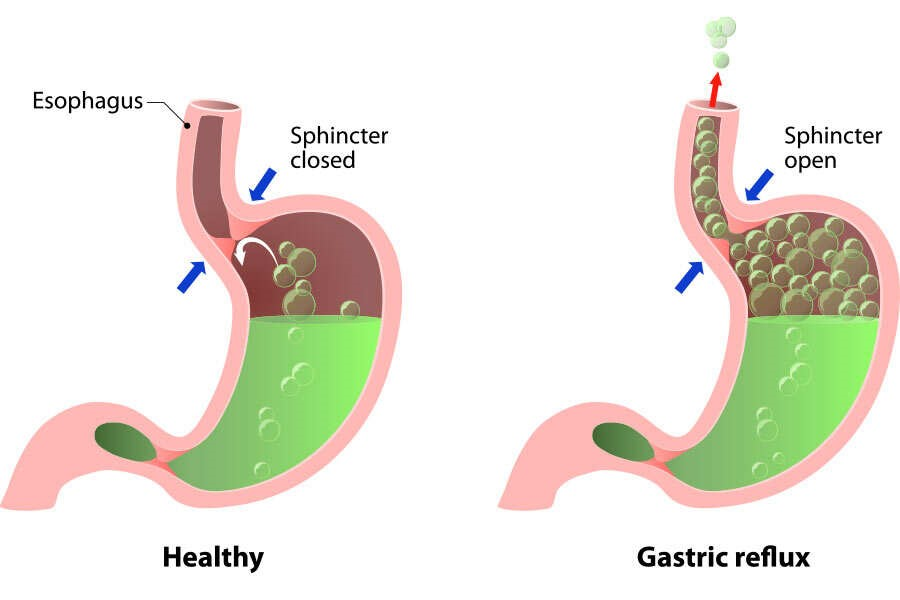
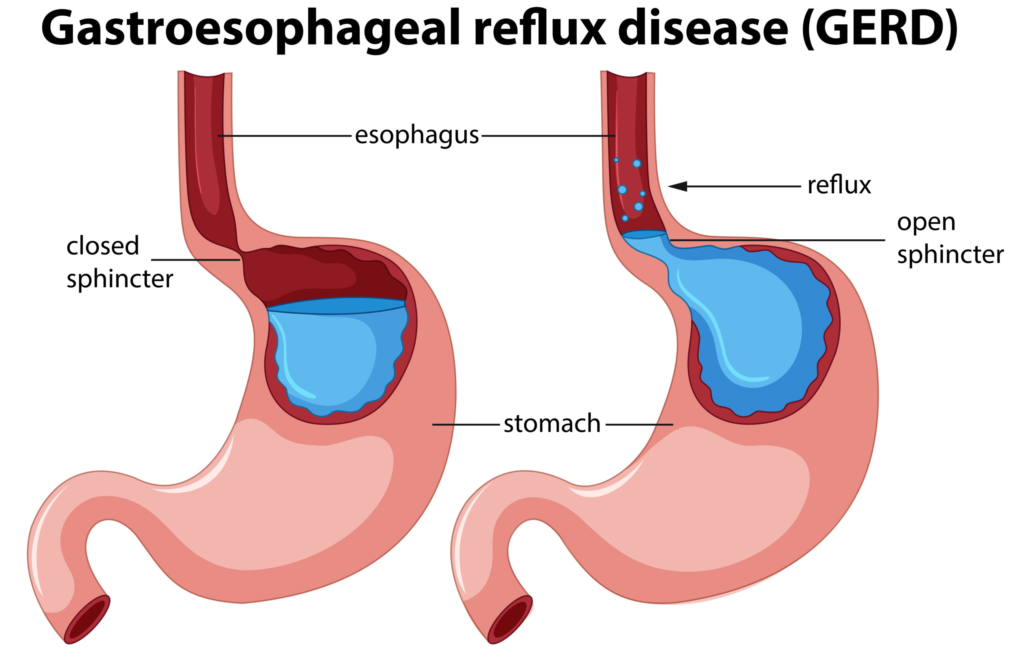
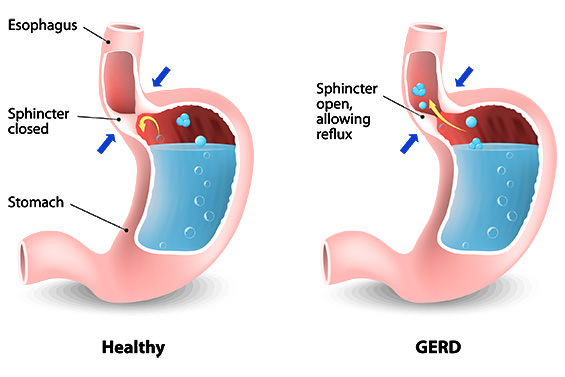
Acid reflux, also known as gastroesophageal reflux disease (GERD), occurs when the lower esophageal sphincter (LES) fails to close properly after food passes into the stomach. This malfunction allows stomach acid to escape into the esophagus, causing irritation and inflammation.
Common Causes of Acid Reflux in Indore
Understanding the underlying causes of acid reflux is crucial for effective management. Several factors contribute to this condition, including:
Dietary Habits: Indore’s rich and spicy cuisine, while delicious, can trigger acid reflux in many individuals. Foods high in fat, spices, and acidity can exacerbate symptoms.
Lifestyle Factors: Certain lifestyle choices, such as smoking, alcohol consumption, and irregular eating patterns, are significant contributors to acid reflux. Late-night meals and lying down immediately after eating can worsen the condition.
Obesity: Carrying excess weight, especially around the abdomen, increases pressure on the stomach, promoting acid reflux. Indore’s increasing rates of obesity are directly linked to rising cases of acid reflux.
Medical Conditions: Conditions such as hiatal hernia, pregnancy, and diabetes can increase the likelihood of developing acid reflux. These conditions alter the normal functioning of the LES or increase abdominal pressure.
Symptoms of Acid Reflux
Recognizing the symptoms of acid reflux is the first step towards seeking appropriate treatment. Common symptoms include:
Heartburn: A burning sensation in the chest, often after eating, which might worsen at night or when lying down.
Regurgitation: A sour or bitter-tasting acid backing up into the throat or mouth.
Dysphagia: Difficulty swallowing, accompanied by a sensation of food being stuck in the throat.
Chronic Cough: A persistent cough that doesn’t seem to be linked to a respiratory condition.
Hoarseness and Sore Throat: Acid can irritate the vocal cords and throat, leading to a hoarse voice or sore throat.
Diagnosis of Acid Reflux in Indore
When experiencing persistent symptoms, it’s essential to seek medical advice. Healthcare providers in Indore use several methods to diagnose acid reflux, including:
Clinical Evaluation: A thorough review of symptoms and medical history to identify potential triggers and lifestyle factors contributing to acid reflux.
Endoscopy: A flexible tube with a camera is inserted through the mouth to examine the esophagus and stomach, checking for signs of inflammation or damage.
pH Monitoring: This test measures the frequency and duration of acid reflux episodes by placing a small probe in the esophagus.
Barium Swallow: Patients swallow a barium solution, and X-rays are taken to visualize the esophagus and stomach, identifying any structural abnormalities.
Treatment Options for Acid Reflux in Indore
Several effective treatment options are available in Indore to manage acid reflux. These range from lifestyle modifications to medical interventions:
Proton Pump Inhibitors (PPIs): Block acid production and allow time for damaged esophageal tissue to heal.
Surgical Interventions: In severe cases, surgical procedures may be necessary. These include:
Fundoplication: The top of the stomach is wrapped around the LES to strengthen it and prevent acid reflux.
LINX Device: A ring of magnetic beads is placed around the LES to enhance its function.
Natural Remedies for Acid Reflux
Many residents of Indore turn to natural remedies to manage acid reflux symptoms. These include:
Aloe Vera Juice: Known for its soothing properties, aloe vera juice can help reduce inflammation in the esophagus.
Ginger: Incorporating ginger into meals or consuming ginger tea can aid digestion and reduce acid reflux symptoms.
Chamomile Tea: Chamomile tea can help soothe the digestive tract and reduce acid production.
Apple Cider Vinegar: A small amount of apple cider vinegar diluted in water before meals can improve digestion and prevent reflux.
Preventive Measures for Acid Reflux
Acid reflux, while manageable, can significantly impact daily life if not properly addressed. Preventive measures are essential in minimizing the frequency and severity of symptoms. Here are effective strategies to prevent acid reflux and promote digestive health:
Healthy Eating Habits
Adopting a balanced and mindful approach to eating can greatly reduce the risk of acid reflux. Here are some dietary guidelines to follow:
Eat Small, Frequent Meals: Consuming smaller, more frequent meals throughout the day can prevent overloading the stomach, which reduces the pressure on the lower esophageal sphincter (LES) and minimizes the likelihood of acid reflux.
Avoid Trigger Foods Certain foods are known to trigger acid reflux symptoms. These include:
Spicy Foods: Chili peppers, hot sauces, and other spicy ingredients can irritate the esophagus.
Fatty Foods: High-fat foods like fried items, cheese, and certain meats slow down digestion and increase the risk of reflux.
Acidic Foods: Citrus fruits, tomatoes, and vinegar-based products can exacerbate symptoms.
Chocolate and Caffeine: Both can relax the LES, making it easier for stomach acid to escape.
Carbonated Beverages: The bubbles can expand in the stomach, increasing pressure and promoting acid reflux.
Chew Food Thoroughly: Taking the time to chew food thoroughly aids digestion and reduces the risk of acid reflux. Eating slowly also allows you to recognize when you’re full, preventing overeating.
Stay Upright After Eating: Avoid lying down or reclining immediately after meals. Remaining upright for at least two to three hours post-meal helps gravity keep stomach acid from rising into the esophagus.
Healthy Lifestyle Choices
Making certain lifestyle adjustments can significantly impact your overall digestive health and reduce the risk of acid reflux:
Maintain a Healthy Weight: Excess weight, particularly around the abdomen, can increase pressure on the stomach and LES. Engaging in regular physical activity and following a balanced diet can help achieve and maintain a healthy weight, reducing the incidence of acid reflux.
Avoid Smoking and Limit Alcohol: Smoking can weaken the LES, while alcohol can increase stomach acid production and relax the LES. Avoiding smoking and limiting alcohol consumption can help prevent acid reflux.
Wear Loose Clothing: Tight clothing, especially around the waist, can put pressure on the stomach and LES. Opt for loose-fitting garments to minimize this risk.
Manage Stress: Stress can exacerbate acid reflux symptoms. Incorporate stress-reducing activities such as yoga, meditation, deep breathing exercises, or hobbies into your daily routine to maintain a calm and balanced lifestyle.
Sleep Position and Habits
Adjusting your sleeping habits and environment can help prevent nighttime acid reflux:
Elevate the Head of Your Bed: Raise the head of your bed by about 6-8 inches using blocks or a wedge pillow. This elevation helps prevent stomach acid from flowing back into the esophagus during sleep.
Sleep on Your Left Side: Sleeping on your left side can reduce the risk of acid reflux. The position helps keep the LES above the level of stomach acid, reducing the chance of acid rising into the esophagus.
Avoid Late-Night Meals and Snacks: Finish your last meal at least three hours before bedtime to ensure your stomach is relatively empty when you lie down. This practice reduces the likelihood of acid reflux during sleep.
Hydration and Fluid Management
Proper hydration is crucial for overall health, including digestive health. However, fluid management is key to preventing acid reflux:
Drink Plenty of Water: Staying well-hydrated aids digestion and helps dilute stomach acid. Aim to drink water throughout the day, but avoid consuming large amounts of fluid during meals to prevent overfilling the stomach.
Limit Carbonated and Caffeinated Beverages: Both carbonated and caffeinated beverages can contribute to acid reflux. Choose water, herbal teas, and other non-caffeinated, non-carbonated drinks instead.
Regular Exercise
Engaging in regular physical activity can help maintain a healthy weight and promote good digestion:
Incorporate Moderate Exercise: Activities such as walking, cycling, and swimming can aid digestion and reduce the risk of acid reflux. Aim for at least 30 minutes of moderate exercise most days of the week.
Avoid Strenuous Exercise Immediately After Eating: Intense physical activity right after meals can increase the risk of acid reflux. Wait at least two hours after eating before engaging in strenuous exercise.
Monitor and Adjust Medications
Certain medications can contribute to acid reflux. If you suspect your medications are affecting your digestive health, consult with your healthcare provider:
Review Medications with Your Doctor: Some medications, including NSAIDs, certain muscle relaxants, and blood pressure drugs, can relax the LES or irritate the esophagus. Discuss alternatives or adjustments with your doctor if you experience acid reflux symptoms related to medication.
Use Over-the-Counter Remedies Wisely: While antacids and H2 blockers can provide relief, they should be used as directed and not relied upon long-term without medical supervision. If you frequently need these medications, seek medical advice for a more comprehensive treatment plan.
Implementing these preventive measures can significantly reduce the risk of acid reflux and improve your overall digestive health. By adopting healthy eating habits, making mindful lifestyle choices, adjusting sleep habits, managing stress, staying hydrated, engaging in regular exercise, and monitoring medications, you can effectively prevent and manage acid reflux. Remember, consistency is key, and small, gradual changes can lead to significant improvements in your quality of life.
Choosing the Right Doctor for Acid Reflux Treatment in Indore
Selecting a healthcare provider experienced in treating acid reflux is crucial for effective management. Consider the following when choosing a doctor in Indore:
Qualifications and Experience: Look for a gastroenterologist with extensive experience in diagnosing and treating acid reflux.
Patient Reviews: Check online reviews and ask for recommendations from friends and family to find a reputable doctor.
Treatment Approach: Choose a doctor who offers a comprehensive treatment plan, including lifestyle advice, medications, and, if necessary, surgical options.
Living with Acid Reflux: Tips for Daily Management
Living with acid reflux can be challenging, but with the right strategies, it’s possible to manage the symptoms effectively and maintain a good quality of life. Here are some practical tips for daily management of acid reflux:
Keep a Food Diary: Tracking what you eat and noting any symptoms that occur can help identify specific foods and drinks that trigger your acid reflux. A food diary can reveal patterns and help you make informed dietary choices. Record the time of your meals, the types of food and drink consumed, and any symptoms experienced. Over time, this can provide valuable insights into your body’s responses.
Wear Loose Clothing: Tight clothing, especially around the abdomen, can increase pressure on your stomach and exacerbate acid reflux. Opt for loose-fitting garments that do not constrict your waist. This small adjustment can make a significant difference in managing symptoms throughout the day.
Avoid Lying Down After Eating: Wait at least three hours after eating before lying down or going to bed. When you lie down immediately after eating, gravity no longer helps keep the stomach acid in the stomach, which can lead to acid reflux. If you need to rest or sleep, consider elevating the head of your bed by about 6-8 inches to keep your head and chest above your stomach.
Practice Relaxation Techniques: Stress can worsen acid reflux symptoms. Incorporate relaxation techniques such as deep breathing, meditation, or yoga into your daily routine. These practices can help reduce stress levels and improve overall well-being, which can, in turn, help manage acid reflux.
Eat Smaller, More Frequent Meals: Instead of three large meals, aim to eat smaller, more frequent meals throughout the day. Overeating can put additional pressure on the LES and increase the likelihood of acid reflux. Smaller meals can help reduce this pressure and keep symptoms at bay.
Stay Hydrated: Drinking plenty of water throughout the day can help dilute stomach acid and aid digestion. However, it’s best to avoid drinking large amounts of water during meals, as this can increase stomach volume and pressure. Instead, sip water between meals to stay hydrated.
Chew Gum: Chewing gum after meals can stimulate saliva production, which helps neutralize stomach acid and wash it back down into the stomach. Choose sugar-free gum to avoid additional health issues and chew for about 30 minutes after eating.
Avoid Smoking and Alcohol: Both smoking and alcohol can weaken the LES, making acid reflux more likely. If you smoke, seek help to quit, and limit or avoid alcohol consumption to manage your symptoms more effectively.
Elevate the Head of Your Bed: If nighttime acid reflux is a problem, try elevating the head of your bed. Use bed risers or a wedge pillow to raise the head of the bed by 6-8 inches. This elevation helps prevent stomach acid from flowing back into the esophagus while you sleep.
Maintain a Healthy Weight: Excess weight, particularly around the abdomen, can increase pressure on the stomach and lead to acid reflux. Engaging in regular physical activity and following a balanced diet can help achieve and maintain a healthy weight, reducing the frequency and severity of acid reflux episodes.
Monitor and Manage Stress: Stress can exacerbate acid reflux symptoms, so it’s important to find effective ways to manage stress. Activities such as regular exercise, mindfulness meditation, deep breathing exercises, and hobbies can help reduce stress levels. Additionally, ensuring you get enough sleep and maintaining a healthy work-life balance are crucial for stress management.
Use Over-the-Counter Medications Wisely: Over-the-counter antacids and H2 blockers can provide quick relief from acid reflux symptoms. However, it’s important to use these medications as directed and not rely on them long-term without consulting a healthcare provider. If you find yourself using these medications frequently, it may be time to seek medical advice for more comprehensive treatment options.
Avoid Eating Before Bed: Eating too close to bedtime can trigger acid reflux, as lying down with a full stomach increases the risk of acid backflow. Aim to finish your last meal at least three hours before going to bed. If you need a snack, choose something light and non-acidic, like a banana or a small portion of oatmeal.
Consult a Healthcare Provider: Regular check-ins with a healthcare provider can help monitor your condition and adjust your treatment plan as needed. If lifestyle changes and over-the-counter medications are not enough to manage your symptoms, a healthcare provider can recommend prescription medications or other treatments.
Living with acid reflux requires ongoing attention and adjustments to your lifestyle. By incorporating these daily management tips, you can significantly reduce your symptoms and improve your quality of life. Remember, what works for one person may not work for another, so it’s important to find the strategies that work best for you and stick with them consistently.
Acid Reflux Treatment Centers in Indore
Indore offers several specialized centers for the treatment of acid reflux. These centers provide comprehensive care, including diagnosis, treatment, and follow-up:
Apollo Hospitals Indore: A renowned healthcare provider offering advanced diagnostic and treatment options for acid reflux, including endoscopy and surgical interventions.
CHL Hospital: Known for its experienced gastroenterology department, CHL Hospital provides personalized treatment plans for acid reflux patients.
Bombay Hospital: With a team of skilled gastroenterologists, Bombay Hospital offers a range of treatments, from lifestyle advice to surgical options.
FAQs
What foods should I avoid to prevent acid reflux? Avoid spicy, fatty, and acidic foods, as well as chocolate, caffeine, and alcohol. These can trigger acid reflux symptoms.
Can acid reflux be cured completely? While acid reflux can be managed effectively with lifestyle changes and medication, it may not be completely curable for everyone. Ongoing management is often required.
Is acid reflux common in Indore? Yes, due to dietary habits and lifestyle factors, acid reflux is relatively common in Indore.
What is the best natural remedy for acid reflux? Ginger and aloe vera juice are popular natural remedies known to soothe the digestive tract and reduce acid reflux symptoms.
How do I choose a good doctor for acid reflux treatment in Indore? Look for a gastroenterologist with experience in treating acid reflux, check patient reviews, and consider their treatment approach.
Can weight loss help reduce acid reflux symptoms? Yes, losing excess weight can significantly reduce the pressure on the stomach and decrease acid reflux symptoms.
Conclusion
Understanding acid reflux and its management is essential for those affected by this condition in Indore. By recognizing the causes and symptoms, seeking timely diagnosis, and implementing effective treatment options, individuals can lead a healthier, more comfortable life. Whether through lifestyle changes, medication, or professional medical intervention, managing acid reflux is within reach. Embrace the available resources and expert advice to navigate this condition successfully.
Meet Your Doctor
The Best Laparoscopic Surgeon in Indore
Dr. Nikunj Jain is a renowned Gastro & Minimal Access Laparoscopic Surgeon. He is a Surgical Gastroenterologist, Consultant Surgeon at Apollo Hospital, Indore having expertise in laparoscopic, Laser, and Robotic Surgery.
You can be confident that with Dr. Nikunj Jain your well-being is in the capable hands of a highly-skilled Minimally Invasive Laparoscopic & Robotic Surgeon. Dr. Nikunj Jain strives to treat his patients with an honest, straightforward, and caring nature in a safe and comfortable environment.
Dr. Nikunj Jain has been awarded Dr. B. Ramamurthi National Gold Medal by National Board of Examination.
Email your reports
drnikunjjain@gmail.com
Call Now to book Appointment
+91-97114-59697
Head Quarter Building
3rd Floor, Satya Sai Square, Vijay Nagar, Indore – MP
Hiatus Hernia & Acid Reflux are conditions that often go hand-in-hand, causing discomfort and significantly impacting the quality of life. This comprehensive guide will delve into the intricacies of these conditions, offering insights into symptoms, causes, treatments, and prevention strategies.
What is a Hiatus Hernia?
A hiatus hernia occurs when part of the stomach pushes up through the diaphragm muscle. The diaphragm has a small opening (hiatus) through which the esophagus passes before connecting to the stomach. In a hiatus hernia, the stomach bulges up into the chest through that opening. This condition can be asymptomatic or cause various issues, including acid reflux.
Types of Hiatus Hernia
There are primarily two types of hiatus hernia: sliding and paraesophageal. A sliding hiatus hernia is more common and occurs when the stomach and the section of the esophagus that joins the stomach slide up into the chest. A paraesophageal hernia is less common but can be more serious. It happens when part of the stomach pushes through the diaphragm and stays beside the esophagus.
A hiatus hernia, also known as a hiatal hernia, occurs when part of the stomach pushes up through the diaphragm into the chest cavity. There are several types of hiatus hernia, each with distinct characteristics:
Sliding Hiatus Hernia: The most common type, where the junction of the esophagus and stomach (gastroesophageal junction) slides up into the chest through the hiatus. Symptoms often include heartburn and regurgitation of food or liquids.
Paraesophageal Hiatus Hernia (Rolling Hiatus Hernia): Less common but more serious. The gastroesophageal junction stays in its normal place, but part of the stomach pushes through the hiatus and sits next to the esophagus. It can lead to serious complications like strangulation of the stomach.
Mixed Hiatus Hernia: A combination of sliding and paraesophageal hernias. Both the gastroesophageal junction and a portion of the stomach herniate through the hiatus. It combines symptoms and risks from both types.
Short Esophagus Hiatus Hernia: A rare form where the esophagus is shorter than normal, causing the stomach to be pulled up into the chest.
This condition often requires surgical intervention. Understanding these types is crucial for diagnosis and treatment planning, as they present varying symptoms and potential complications.
Causes of Hiatus Hernia
Hiatus hernias can be caused by various factors. These include age-related changes in the diaphragm, persistent and intense pressure on the surrounding muscles, injury or trauma to the area, and certain congenital abnormalities. Obesity, pregnancy, and smoking are also significant risk factors.
Hiatus hernias can be caused by a variety of factors, often involving a combination of anatomical and lifestyle elements. The primary causes include:
Weakening of the Diaphragm Muscle: Age-related changes can weaken the diaphragm muscle, making it easier for part of the stomach to push through the hiatus.
Increased Abdominal Pressure: Activities or conditions that increase pressure in the abdomen, such as heavy lifting, straining during bowel movements, chronic coughing, vomiting, and pregnancy, can contribute to the development of a hiatus hernia.
Injury or Trauma: Trauma or injury to the area can cause the hiatus to enlarge, allowing the stomach to herniate through it.
Congenital Defects: Some individuals may be born with an unusually large hiatus, predisposing them to hernias.
Obesity: Excess body weight can increase abdominal pressure, contributing to the development of a hiatus hernia.
Persistent and Severe Coughing: Conditions that cause chronic coughing, such as chronic obstructive pulmonary disease (COPD), can increase the risk of a hiatus hernia.
Genetic Factors: A family history of hiatus hernia can increase the likelihood of developing the condition.
Understanding these causes can help in the prevention and management of hiatus hernias through lifestyle changes, weight management, and avoiding activities that increase abdominal pressure.
Symptoms of Hiatus Hernia
Symptoms can vary depending on the type and severity of the hernia. Common symptoms include heartburn, regurgitation of food or liquids, acid reflux, difficulty swallowing, chest or abdominal pain, shortness of breath, and vomiting of blood or passing black stools, which may indicate gastrointestinal bleeding.
Hiatus hernias can present a variety of symptoms, although some individuals may remain asymptomatic. The most common symptoms include:
Heartburn: A burning sensation in the chest, often after eating, which might be worse at night or when lying down.
Regurgitation: A sour or bitter-tasting acid backing up into the throat or mouth.
Difficulty Swallowing (Dysphagia): Feeling like food is stuck in the chest or throat.
Chest Pain: Sharp or burning chest pain that can mimic heart-related conditions, sometimes occurring after meals or when lying down.
Belching: Frequent burping, which may relieve the pressure caused by trapped air.
Nausea and Vomiting: Occasional feelings of nausea or vomiting, especially after meals.
Shortness of Breath: Difficulty breathing, particularly after meals, due to the hernia pressing on the diaphragm.
Bloating: A sensation of fullness or swelling in the abdomen.
Fatigue: Feeling unusually tired, which can be related to disrupted sleep from symptoms like heartburn and regurgitation.
Anemia: In some cases, particularly with paraesophageal hernias, there may be chronic blood loss leading to anemia, causing fatigue and weakness.
These symptoms can vary in intensity and frequency. If you experience any severe or persistent symptoms, it’s important to consult a healthcare professional for a proper diagnosis and appropriate treatment.
Understanding Acid Reflux
Acid reflux occurs when stomach acid backs up into the esophagus. It can cause a burning sensation in the chest (heartburn) and is a common symptom of gastroesophageal reflux disease (GERD). Acid reflux can be an occasional issue for many people, but for those with a hiatus hernia, it can be a more chronic problem.
Causes of Acid Reflux
Several factors can cause acid reflux. These include eating large meals or lying down right after a meal, being overweight or obese, eating a heavy meal and then lying on your back or bending over at the waist, snacking close to bedtime, eating certain foods (like citrus, tomato, chocolate, mint, garlic, onions, or spicy or fatty foods), drinking certain beverages (such as alcohol, carbonated drinks, coffee, or tea), smoking, and being pregnant.
Acid reflux, also known as gastroesophageal reflux disease (GERD) when it becomes chronic, occurs when stomach acid flows back into the esophagus, causing irritation. Several factors can contribute to acid reflux:
Dietary Habits: Eating large meals or lying down right after a meal. Consuming certain foods and beverages that can trigger reflux, such as fatty or fried foods, spicy foods, citrus fruits, tomatoes, garlic, onions, chocolate, mint, caffeine, alcohol, and carbonated drinks.
Obesity: Excess weight can put pressure on the stomach, pushing stomach contents into the esophagus.
Smoking: Smoking can weaken the lower esophageal sphincter (LES), the muscle that prevents stomach acid from flowing back into the esophagus.
Hiatus Hernia: A condition where part of the stomach pushes through the diaphragm into the chest cavity, which can disrupt the normal function of the LES.
Pregnancy: Hormonal changes and increased abdominal pressure during pregnancy can lead to acid reflux.
Medications: Certain medications can contribute to acid reflux, including aspirin, ibuprofen, certain muscle relaxers, and blood pressure medications.
Eating Habits: Eating too quickly or not chewing food thoroughly.
Lying Down After Eating: Lying down or going to bed soon after eating can make it easier for stomach acid to flow back into the esophagus.
Tight Clothing: Wearing tight belts or clothes around the waist can increase pressure on the abdomen and lower esophageal sphincter.
Stress: High levels of stress and lack of sleep can increase acid production in the stomach and cause reflux.
Underlying Medical Conditions: Conditions such as scleroderma, Zollinger-Ellison syndrome, and delayed stomach emptying (gastroparesis) can increase the risk of acid reflux.
Managing these factors through lifestyle changes, dietary modifications, and medical treatment can help alleviate the symptoms of acid reflux and improve overall digestive health.
Symptoms of Acid Reflux
The primary symptom of acid reflux is heartburn—a burning pain in the chest that usually occurs after eating and may be worse at night. Other symptoms include regurgitation of food or sour liquid, difficulty swallowing, chronic cough, laryngitis, new or worsening asthma, and disrupted sleep.
Acid reflux, or gastroesophageal reflux disease (GERD) when chronic, can present a variety of symptoms, including:
Heartburn: A burning sensation in the chest, usually after eating, which might be worse at night or when lying down.
Regurgitation: A sour or bitter-tasting acid backing up into the throat or mouth.
Difficulty Swallowing (Dysphagia): A sensation of food being stuck in the throat or chest.
Chest Pain: Sharp or burning pain in the chest that can mimic heart-related conditions, sometimes occurring after meals or when lying down.
Bloating: A feeling of fullness or swelling in the abdomen.
Nausea: Feeling nauseous, especially after meals.
Chronic Cough: A persistent cough, especially at night, which can be due to irritation from stomach acid.
Hoarseness or Sore Throat: Irritation of the vocal cords from stomach acid can cause a hoarse voice or a sore throat.
Laryngitis: Inflammation of the larynx causing voice changes, usually due to acid irritation.
Wheezing: Breathing difficulties or wheezing, particularly in individuals with asthma, can be exacerbated by acid reflux.
Hiccups: Persistent hiccups that are difficult to control.
Bad Breath: Chronic bad breath (halitosis) can occur due to acid and undigested food particles refluxing into the mouth.
These symptoms can vary in severity and frequency. Persistent or severe symptoms should be evaluated by a healthcare professional to determine appropriate treatment and management strategies.
Connection Between Hiatus Hernia & Acid Reflux
A hiatus hernia can weaken the lower esophageal sphincter (LES), the muscle that prevents acid from flowing back into the esophagus. When the LES doesn’t function correctly, acid reflux occurs more easily. Thus, people with a hiatus hernia are more likely to experience acid reflux and its symptoms.
There is a significant connection between hiatus hernia and acid reflux, primarily due to the anatomical changes that a hiatus hernia causes. Here’s how they are connected:
Altered Anatomy: In a hiatus hernia, part of the stomach pushes through the diaphragm into the chest cavity. This can disrupt the normal functioning of the lower esophageal sphincter (LES), the muscle that acts as a barrier to prevent stomach contents from flowing back into the esophagus.
Weakening of the Lower Esophageal Sphincter (LES): A hiatus hernia can weaken the LES, making it less effective at closing properly after food passes into the stomach. This can allow stomach acid to reflux into the esophagus more easily.
Increased Pressure: The herniated portion of the stomach can create additional pressure within the abdomen. This increased pressure can force stomach contents, including acid, back into the esophagus, leading to acid reflux symptoms.
Disruption of Diaphragmatic Support: The diaphragm normally helps the LES to function correctly by providing additional support. A hiatus hernia can interfere with this support, making the LES less effective.
Reduced Clearance of Acid: The hernia can impair the esophagus’s ability to clear acid effectively, prolonging the contact of acid with the esophageal lining and increasing the risk of symptoms and damage.
Delayed Gastric Emptying: Some individuals with a hiatus hernia may also experience delayed gastric emptying, where the stomach takes longer to empty its contents. This can increase the likelihood of reflux as there is more stomach content that can be pushed back into the esophagus.
Understanding this connection helps in managing both conditions effectively. Treatments often involve lifestyle changes, medications to reduce stomach acid, and, in some cases, surgical interventions to repair the hernia and improve the function of the LES.
Diagnosing Hiatus Hernia and Acid Reflux
Diagnosis of these conditions often involves several tests. These can include an endoscopy, where a thin tube with a camera is inserted down the throat to examine the esophagus and stomach, a barium swallow, where X-rays track the movement of swallowed barium through the digestive system, esophageal manometry, which measures the rhythmic muscle contractions of the esophagus, and pH monitoring to check for acid in the esophagus.
Treatment Options for Hiatus Hernia and Acid Reflux
Lifestyle and Dietary Changes
Making lifestyle and dietary changes can significantly improve symptoms. These changes include eating smaller meals, avoiding foods and beverages that trigger reflux, losing weight if necessary, quitting smoking, avoiding lying down immediately after meals, and elevating the head of the bed to prevent nighttime symptoms.
Medications
Several types of medications can help manage symptoms. These include antacids that neutralize stomach acid, H-2-receptor blockers that reduce acid production, proton pump inhibitors (PPIs) that block acid production and heal the esophagus, and medications to strengthen the lower esophageal sphincter.
Surgical Interventions
In severe cases or when other treatments fail, surgical options may be considered. These include laparoscopic surgery to repair the hiatus hernia and fundoplication, where the top of the stomach is wrapped around the lower esophagus to tighten the muscle and prevent reflux.
Alternative Therapies
Some people find relief through alternative therapies such as acupuncture, herbal remedies, and relaxation techniques. However, it is essential to consult a healthcare provider before trying these treatments.
Preventing Hiatus Hernia and Acid Reflux
Preventive measures focus on lifestyle modifications. Maintaining a healthy weight, eating a balanced diet, avoiding trigger foods, quitting smoking, and practicing good posture can help prevent the onset of these conditions. Regular exercise and stress management are also beneficial.
Living with Hiatus Hernia and Acid Reflux
Managing these conditions involves a combination of lifestyle changes, medications, and possibly surgical interventions. It is crucial to follow a treatment plan tailored to individual needs and to communicate regularly with healthcare providers to manage symptoms effectively.
Coping Strategies
Living with chronic conditions like hiatus hernia and acid reflux can be challenging. Developing coping strategies, such as stress reduction techniques, joining support groups, and staying informed about the conditions, can improve the quality of life.
Diet and Nutrition Tips
Adopting a diet that minimizes symptoms is vital. This includes eating smaller, more frequent meals, avoiding trigger foods, and incorporating foods that soothe the digestive system, such as oatmeal, ginger, and non-citrus fruits.
FAQs
What is the primary cause of a hiatus hernia? The primary cause of a hiatus hernia is a weakening of the muscle tissue, which can result from age-related changes, persistent pressure on the surrounding muscles, injury, or congenital abnormalities.
Can acid reflux be a sign of a more severe condition? Yes, chronic acid reflux can indicate GERD, a more severe form of acid reflux that can lead to complications like esophagitis, Barrett’s esophagus, and an increased risk of esophageal cancer.
Are there any long-term complications associated with hiatus hernia? Yes, if left untreated, a hiatus hernia can lead to complications such as esophagitis, esophageal stricture, Barrett’s esophagus, and an increased risk of esophageal cancer.
How can I prevent acid reflux at night? To prevent nighttime acid reflux, avoid eating late meals, elevate the head of your bed, and avoid foods and beverages that trigger reflux.
Is surgery always required for a hiatus hernia? No, surgery is not always required. Many people manage symptoms with lifestyle changes and medications. Surgery is considered when these measures fail or in cases of severe hernia.
Can dietary changes alone manage acid reflux? For some individuals, dietary changes can significantly reduce symptoms. However, others may require medications or additional treatments to manage acid reflux effectively.
Conclusion
Understanding the relationship between hiatus hernia and acid reflux is crucial for effective management and treatment. By adopting healthy lifestyle habits, seeking appropriate medical care, and staying informed about these conditions, individuals can significantly improve their quality of life and reduce the impact of symptoms. If you suspect you have a hiatus hernia or experience chronic acid reflux, consult a healthcare provider to develop a personalized treatment plan.
Meet Your Doctor
The Best Laparoscopic Surgeon in Indore
Dr. Nikunj Jain is a renowned Gastro & Minimal Access Laparoscopic Surgeon.
He is a Surgical Gastroenterologist, Consultant Surgeon at Apollo Hospital, Indore having expertise in laparoscopic, Laser, and Robotic Surgery.
You can be confident that with Dr. Nikunj Jain your well-being is in the capable hands of a highly-skilled Minimally Invasive Laparoscopic & Robotic Surgeon. Dr. Nikunj Jain strives to treat his patients with an honest, straightforward, and caring nature in a safe and comfortable environment.
Dr. Nikunj Jain has been awarded Dr. B. Ramamurthi National Gold Medal by National Board of Examination.
Email your reports
drnikunjjain@gmail.com
Call Now to book Appointment
+91-97114-59697
Head Quarter Building
3rd Floor, Satya Sai Square, Vijay Nagar, Indore – MP