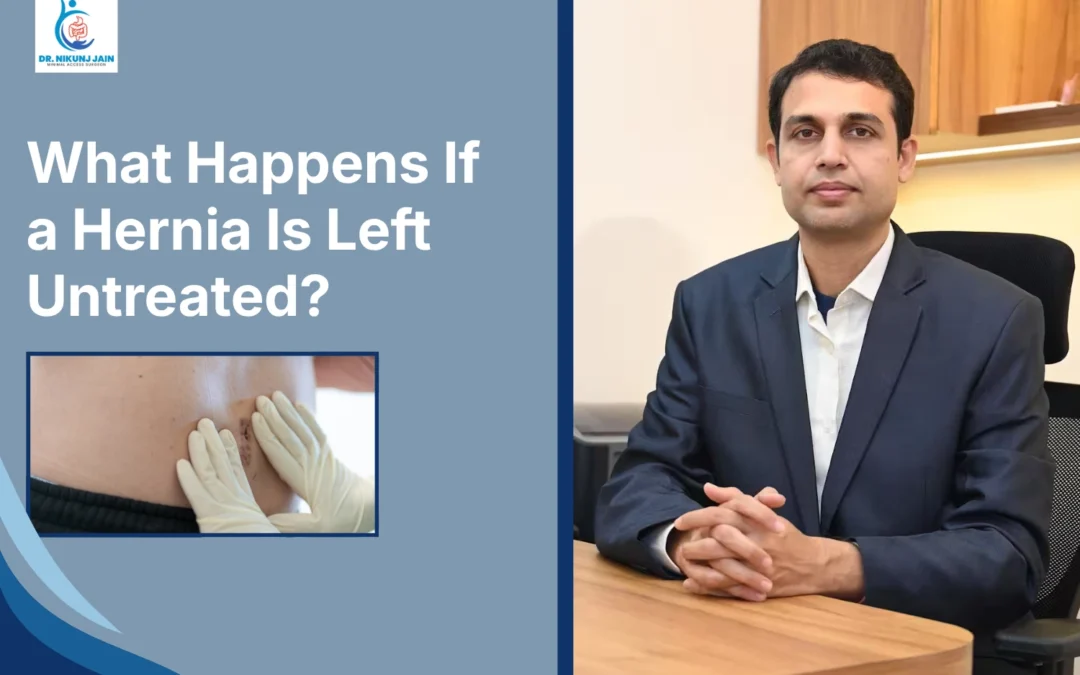
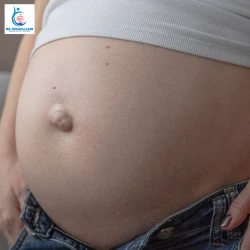
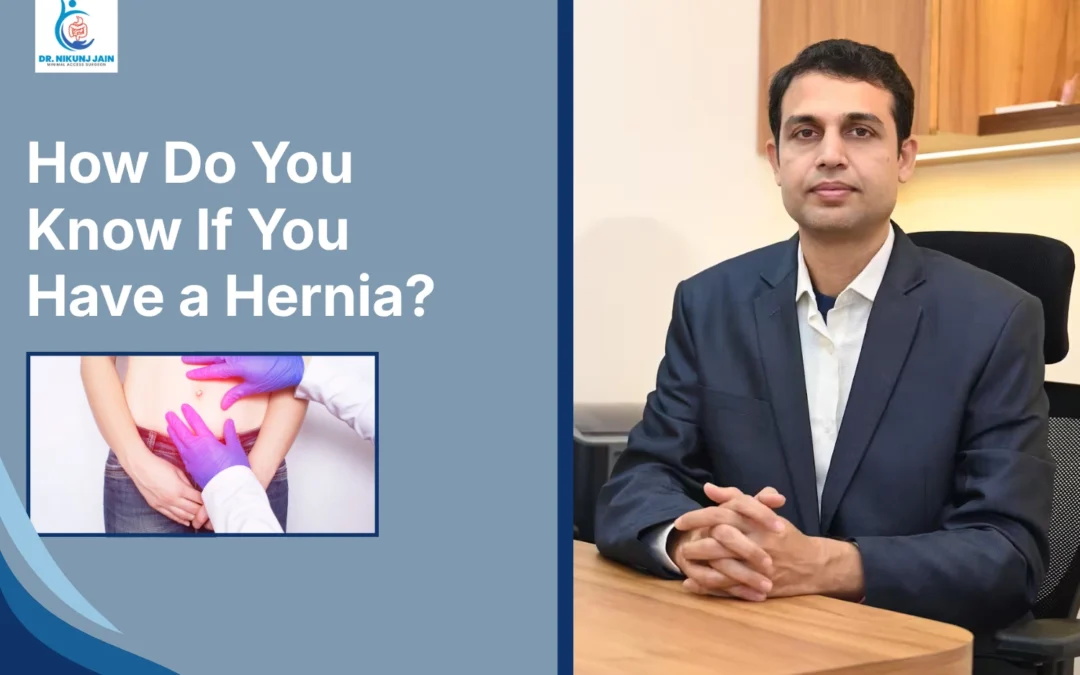
A hernia is a swelling that can appear near your abdomen, groin or belly button. Many people think it will go away on its own. It usually does not heal without proper treatment.
Dr. Nikunj Jain, best hernia doctor in Indore, explains that early diagnosis and timely care can prevent it from becoming a painful and serious problem. It happens when an internal organ or tissue pushes through a spot in the muscle wall.
It may appear as a lump that becomes more visible while coughing, lifting weight standing for long hours or straining during bowel movements.
Some hernias may cause discomfort while others can become painful over time.
The biggest mistake many patients make is waiting long. They feel that if there is no pain there is no major issue. An untreated hernia can slowly increase in size and may create complications later.
Table of Contents
Can a Hernia Heal on Its Own?
No, a hernia usually does not heal naturally. The weakness in the muscle wall remains there. With time the opening can become bigger. Medicines, belts or lifestyle changes may reduce discomfort for some time. They cannot close the hernia permanently.
This is why medical evaluation is important. A doctor can check the size, type and seriousness of the hernia and suggest the right treatment plan.
What Happens If a Hernia Is Ignored?
When a hernia is left untreated,it can gradually become larger. A small swelling that appears only while coughing may become a bulge. This can make daily activities uncomfortable, especially walking, bending, exercising or lifting objects.
Pain may also increase over time. Some patients feel heaviness or a pulling sensation in the area. Others may feel burning, pressure or discomfort after meals or physical activity. As the hernia grows it can affect the quality of life and make normal movement difficult.
Risk of Incarcerated Hernia
One of the risks of an untreated hernia is incarceration. This means the tissue or intestine gets stuck inside the hernia opening and cannot go in. When this happens, the swelling may become painful and hard.
An incarcerated hernia needs medical attention because it can lead to further complications. The patient may experience increasing pain, nausea, vomiting or difficulty passing stool. If ignored at this stage the condition may become more dangerous.
Risk of Strangulated Hernia
A strangulated hernia is a medical emergency which happens when the blood supply to the trapped tissue or intestine gets blocked. Without blood supply the tissue can become damaged.
Symptoms of a strangulated hernia may include pain, redness or darkening of the swelling, fever, vomiting, weakness and a bulge that does not go back inside. This condition should not be delayed because it may require emergency surgery. This is one of the reasons why a hernia should not be left untreated for a long time.
Digestive Problems Can Increase
Some hernias can affect the intestine. When the intestine gets involved, patients may face bloating, constipation, nausea or vomiting. In some cases, the passage of food and stool may get blocked.
This can become very painful and risky. Rather than waiting for symptoms to become severe, it is always better to get a hernia checked early.
Pain and Discomfort May Affect Daily Life
A hernia can slowly interfere with your daily activities. Patients may avoid exercise, walking, working, traveling or lifting light objects because of fear of pain. In some cases, the discomfort becomes worse by the end of the day.
Men with a groin hernia may feel pain while standing for hours or doing physical work. Women may feel pressure or discomfort during household activities. Over time, this can affect both comfort and mental peace.
Surgery May Become More Complicated Later
When a hernia is diagnosed, early treatment can often be planned properly. But when patients delay treatment for months or years, the hernia may grow bigger, and tissues may become weaker.
A larger or complicated hernia may need careful surgery and a longer recovery. Early treatment can help reduce the chances of emergency situations and make recovery smoother.
When Should You See a Doctor?
You should see a hernia doctor in Indore if you notice a swelling in the abdomen, groin, belly button or previous surgery area. You should also seek advice if the swelling increases while coughing, standing or lifting weights.
Do not delay hernia treatment if you have pain, vomiting, fever, redness, swelling over the bulge, or if the swelling does not go inside. These may be warning signs of a hernia complication.
A hernia may seem small at first. Leaving it untreated can lead to pain, swelling, digestive issues, and emergency complications like incarceration or strangulation. The safest step is to get it checked early and understand the treatment option. Dr. Nikunj Jain is the best hernia doctor in Indore and provides care for hernia diagnosis and treatment. He helps patients avoid risks and recover with confidence.
FAQ’s
Q1. What happens if a hernia is left untreated? If a hernia is left untreated, it can slowly increase in size and cause pain, swelling, discomfort and digestive problems. In some cases, it may become an emergency if the tissue gets trapped.
Q2. Can a hernia heal without surgery? A hernia usually does not heal on its own because the weak muscle opening remains there. Dr. Nikunj Jain in Indore suggests proper medical evaluation to understand the right treatment option.
Q3. When should I worry about a hernia? You should worry if the hernia becomes painful, hard, red, swollen or does not go back inside. Vomiting, fever and severe pain can also be warning signs.
Q4. Is untreated hernia dangerous? Yes, an untreated hernia can become dangerous if it leads to incarceration or strangulation. These conditions can block blood supply and may require emergency surgery.
Q5. What are the symptoms of a serious hernia? Serious hernia symptoms include severe pain, nausea, vomiting, fever, redness over the bulge, constipation and a swelling that cannot be pushed back in.
Q6. Can I exercise with a hernia? Light activity may be possible in some cases, but heavy lifting, intense workouts and straining can make a hernia worse. It is better to consult Dr. Nikunj Jain in Indore before continuing exercise.
Q7. What is a strangulated hernia? A strangulated hernia happens when the blood supply to the trapped tissue or intestine is blocked. This is a medical emergency and needs immediate treatment.
Q8. Does every hernia need surgery? Not every hernia needs immediate surgery, but many hernias eventually require surgical repair. The decision depends on the size, symptoms and risk of complications.
Q9. Who is the best doctor for hernia treatment in Indore? For hernia diagnosis and treatment in Indore, patients can consult Dr. Nikunj Jain, who provides guidance for hernia care, laparoscopic surgery and safe treatment planning.
Q10. How can I prevent a hernia from getting worse? Avoid heavy lifting, treat constipation, maintain a healthy weight and do not ignore swelling or pain. Early consultation in Indore can help prevent hernia complications.
A lot of us will experience this peculiar discomfort in the abdomen or groin and dismiss it as a slight muscle strain or minor digestive upset. But sometimes, these symptoms can be a sign of a hernia. Dr. Nikunj Jain, best hernia doctor in Indore, says that recognising early warning signals is vital in ensuring treatment easier and reducing complications. Being aware of how a hernia feels and which symptoms to keep an eye out for can ensure that you get medical attention in time and avoid the continued discomfort.
Table of Contents
What Is a Hernia?
A hernia is when an internal organ or tissue protrudes through a weak region of the muscle or connective tissue (fascia) surrounding it. The anterior wall of the abdomen is most often the location for this. Hernia slowly developed and may not cause severe pain, that’s why many people forget it. Common types of hernias include:
Some hernias remain little for years but others will get worse without treatment.
What Are Some Common Signs That Might Mean You Have a Hernia?
One of the most prominent indicators in the form of a bulge that can be seen through the skin. The bulge often becomes more visible during standing, coughing or lifting heavy objects .
Other symptoms include:
A noticeable lump or swelling Often the first sign. It can be gone while lying down then return when standing or straining.
Pain or discomfort You will feel mild or moderate pain, particularly while bending, coughing, or carrying heavy objects.
Sensation of pressure in the chest This is often described as a dragging or heavy feeling.
Burning or aching feeling Not all hernia needed surgical treatment ,Some present as dull pain and progressive over time.
Digestive problems For example, the symptoms in a hiatal hernia may be acid reflux, and heartburn or difficulty swallowing.
When Symptoms Become Serious
They may become dangerous if the trapped tissue is making things too tight, or bleeding. Warning signs include: 1. Sudden, severe pain 2. Nausea or vomiting 3. Redness or tenderness around the bulge 4. A lump that is hard and is not reducible If you experience these symptoms, then please do not hesitate to consult a doctor.
Who is likely to get a hernia?
Among Them Are The Following Factors As To Increase The Risk: 1. Lifting heavy weights improperly 2. Chronic coughing 3. Obesity 4. Pregnancy 5. Constipation and straining 6. Previous abdominal surgery 7. Weak abdominal muscles 8. Age and lifestyle habits also play a role, with muscles weakening over time.
How Hernias Are Diagnosed
Hernia is often diagnosed by doctors through a physical examination. You may be instructed to stand, cough or gently bear down such that the bulge becomes visible. Occasionally for diagnosis confirmation or severity testing through imaging tests such as ultrasound, CT scan or endoscopy may be performed.
Treatment Options for Hernia
Depending on the type, size, and symptoms of the hernia, treatment may include:
Watchful Waiting:
This is usually advised when the hernia is small and does not cause any symptoms. In this approach, the doctor monitors the hernia regularly to check if it is increasing in size or causing discomfort.
Change of Lifestyle:
Lifestyle changes may help control symptoms and prevent the hernia from getting worse. This may include losing weight, avoiding heavy lifting or heavy work, treating chronic cough, preventing constipation, and following a healthy diet.
Treatment:
Most hernias require surgery for proper repair because they do not heal on their own. Surgery helps close the weak area in the abdominal wall and reduces the risk of complications.
Laparoscopic surgery is a modern and minimally invasive technique used for hernia repair. In this procedure, small cuts are made instead of a large incision. A tiny camera and special surgical instruments are used to repair the hernia. This technique usually causes less pain, smaller scars, faster recovery, and a shorter hospital stay compared to traditional open surgery.
The best treatment option depends on the patient’s condition and should be decided after consultation with an experienced surgeon.
When To See A Doctor?
Consult the best hernia surgeon in Indore, Dr. Nikunj Jain, if you notice a constant bulge in the abdomen or groin, pain that increases during activity, digestive discomfort, or any change in a lump that was earlier painless. Ignoring these symptoms can make the condition complicated and may require more intensive treatment later.
Conclusion
Note that a hernia can start with a smaller, painless lump but it can cause discomfort and health problems. At a minimum, early attention can have a huge impact on recovery. If you think that you might have a hernia or if you experience the symptoms described above, visiting an expert like Dr. Nikunj Jain, best doctor for hernia in Indore, can help get it diagnosed and treated on time.
FAQ’s
Q1. What are the early signs of a hernia? Early signs of a hernia may include a visible bulge in the abdomen or groin, mild pain, pressure, heaviness, or discomfort while coughing, bending, standing, or lifting heavy objects. According to Dr. Nikunj Jain in Indore, early diagnosis can help prevent complications.
Q2. When should I see a doctor for a hernia in Indore? You should consult Dr. Nikunj Jain, hernia surgeon in Indore, if you notice a constant bulge, pain during activity, digestive discomfort, or any change in a lump that was earlier painless.
Q3. Can a hernia heal on its own? No, most hernias do not heal on their own. Small hernias without symptoms may be monitored, but many hernias eventually require surgical repair to prevent further complications.
Q4. What is the most common symptom of a hernia? The most common symptom of a hernia is a lump or swelling that becomes more visible while standing, coughing, or lifting heavy objects. It may reduce or disappear when lying down.
Q5. Is hernia surgery necessary for every patient? Not every hernia needs immediate surgery. If the hernia is small and painless, the doctor may suggest watchful waiting. However, symptomatic or growing hernias usually need surgery.
Q6. What is laparoscopic hernia surgery? Laparoscopic hernia surgery is a minimally invasive procedure in which small cuts, a tiny camera, and special instruments are used to repair the hernia. It usually offers less pain, smaller scars, faster recovery, and a shorter hospital stay.
Q7. Who is at risk of developing a hernia? People who lift heavy weights, have chronic cough, obesity, constipation, previous abdominal surgery, weak abdominal muscles, or pregnancy-related pressure may have a higher risk of developing a hernia.
Q8. What happens if a hernia is ignored? Ignoring a hernia can make it larger and more painful. In some cases, the tissue may get trapped, causing severe pain, vomiting, redness, tenderness, or a hard lump that does not go back in.
Q9. Who is the best hernia doctor in Indore? Dr. Nikunj Jain is known as an experienced hernia doctor in Indore for diagnosis and treatment of different types of hernias, including cases that may require laparoscopic hernia surgery.
Q10. How is a hernia diagnosed? A hernia is usually diagnosed through a physical examination. The doctor may ask the patient to stand, cough, or strain so the bulge becomes visible. In some cases, ultrasound, CT scan, or endoscopy may be advised
Hernia is the medical condition which involves various age groups. A hernia occurs when an internal organ or tissue creeps through a weak area of muscle or tissue wall where it is normally contained. Hernias can begin very mildly, and initially hurt less, but they can grow to be painful with time, lead to bulging or complications if not addressed on time.
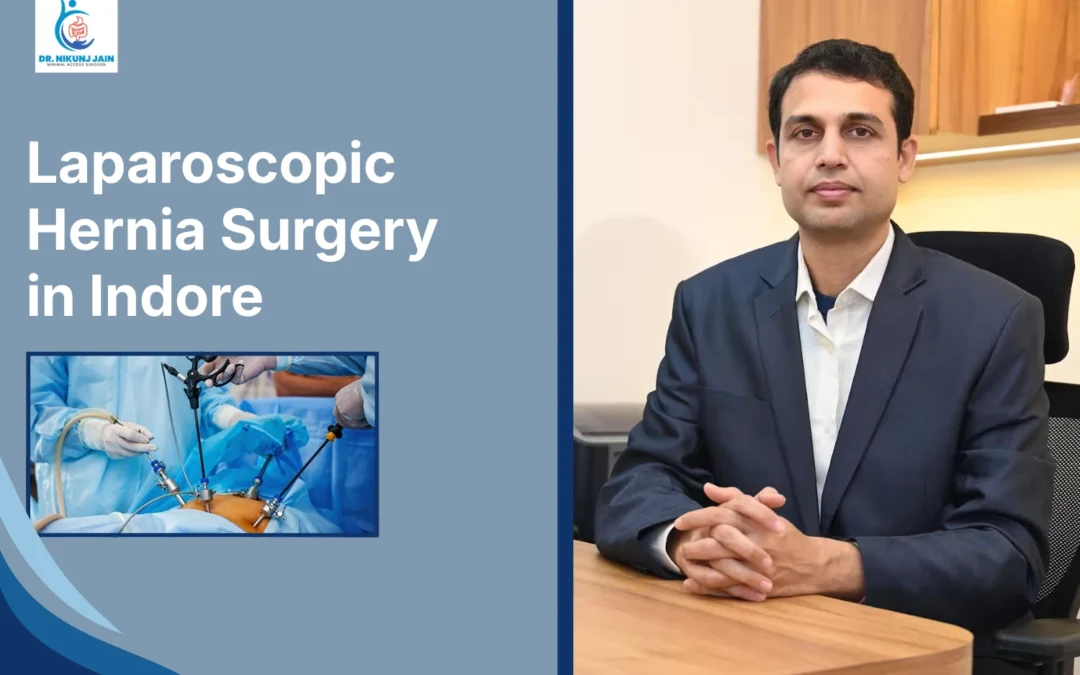
Since its beginning, medical technology has developed very swiftly and laparoscopic surgery was identified as one of the most practical and considered to be more patient friendly modalities for treatment of hernia. People searching for Laparoscopic Hernia Surgery in Indore usually contact professionals like Dr. Nikunj Jain who have been working on modern, minimal invasive methods aimed to make people more recoverable and get back to the normal routine as soon as possible.
Table of Contents
Understanding Hernia and Its Symptoms
Hernia occurs at different parts of the body but most common is the abdomen or groin. Typically, it presents as a bulge that is more pronounced when coughing, bending down or lifting heavy items.
Common symptoms include:
Abdominal or groin bulge or swelling
Pain Or Discomfort During Lifting Upper Heavy Things
Burning or stinging sensation of the affected area
Feeling of heaviness or pressure
Increased pain when standing for a long time
In some cases patients may not have severe pain at first with a hernia, and therefore, ignore it. Delaying treatment, however, can lead to complications like a bowel obstruction or strangulation of tissue; therefore surgery becomes needed.
What is Laparoscopic Hernia Surgery?
Laparoscopic hernia surgery is involved with a minimal invasive surgical technique which is used to reconstruct the weak part of some abdominal wall. Rather than a big incision, the surgeons make four or five small cuts to insert a slender tube that has a camera (laparoscope) and the surgical equipment into these holes. The surgeon watches the inside, which he sees on a high-definition monitor, and detects this hernia using a mesh that reinforces the abdominal wall. This technique has gained traction because it has multiple benefits over traditional open surgery.
Benefits of Laparoscopic Hernia Surgery
Laparoscopic procedures are preferred nowadays as they are minimally invasive and lead to faster recovery. Benefits of SIPs include the following:
Smaller Incisions Trauma is reduced to the body, as only a few tiny incisions are needed.
Faster Recovery The vast majority of individuals are able to resume their day by day routines much more quickly than can be completed with open surgical treatment.
Less Pain After Surgery As the incisions are less, people typically have lesser pain while recovering.
Minimal Scarring Small incisions heal rapidly and with little visible scar.
Shorter Hospital Stay Depending on the situation, most individuals are able to return home within 24 hours.
Who Needs Hernia Surgery?
Although not every hernia presents with acute symptoms initially, surgery is usually recommended when:
The hernia enlarges in size during the week Pain or discomfort in relation to your daily life The bulge is hard to push back The potential for complications is there
The sole treatment for this condition involves optimal and timely diagnosis to restrain potential complications which can later lead to a successful recovery.
What to Expect During Recovery
The recovery is generally smooth when the given care is exercised and this again stands true for laparoscopic surgery. Doctors usually advise people to:
Do not lift heavy things for a few weeks Exercise: Walking Daily For Better Circulation A healthy diet will help you not only heal better, Take prescribed medications on time
The majority of individuals may restore gentle actions within a couple of days, slowly returning to their regular routine.
Which Specialist to Opt for Hernia Treatment Experience and surgical technique are extremely critical when it comes to hernia surgery. An experienced surgeon not only accurately diagnoses the disease but also identifies an appropriate treatment method for that particular patient.
Consult Dr. Nikunj Jain for Laparoscopic and advanced laparoscopic hernia treatment in Indore. Your priority is always acute care, modern surgical care delivered by patient-centered physicians and comfortable recoveries for every patient.
Conclusion
Never forget that hernia is one of those things that can also be deadly but not treated properly. Modern surgical techniques have made treatment faster, safer and much less invasive than ever. Indore’s Laparoscopic Hernia Surgery is the best option available to people with scanty downtime and great outcomes.
Dr. Nikunj Jain is an experienced hernia treatment specialist in Indore who can provide you with timely diagnosis and right treatment plan for leading a healthier & pain-free life so if you or your loved one is suffering from symptoms of hernia, consult him today.
FAQ’s
Q1. What is laparoscopic hernia surgery?
Laparoscopic hernia surgery is a modern minimally invasive procedure used to repair hernias through small incisions instead of a large cut. A tiny camera and surgical instruments are inserted through these cuts to repair the weak abdominal wall using mesh. According to Dr. Nikunj Jain, this technique helps patients recover faster with less pain and minimal scarring.
Q2. Who should consider laparoscopic hernia surgery in Indore?
People experiencing symptoms like groin swelling, abdominal bulge, pain while lifting heavy objects, or discomfort during daily activities should consult a specialist. Patients looking for advanced and minimally invasive hernia treatment in Indore often consult Dr. Nikunj Jain for proper evaluation and treatment.
Q3. What are the common symptoms of a hernia?
Common hernia symptoms include a visible bulge in the abdomen or groin, heaviness, burning sensation, pain during coughing or lifting, and discomfort while standing for long periods. In some cases, symptoms may start mildly but gradually worsen over time.
Q4. Is laparoscopic hernia surgery safe?
Yes, laparoscopic hernia surgery is considered a safe and effective treatment when performed by an experienced surgeon. Modern laparoscopic techniques help reduce complications, blood loss, and recovery time compared to traditional open surgery.
Q5. What are the benefits of laparoscopic hernia surgery?
The major benefits include smaller incisions, faster recovery, less postoperative pain, minimal scarring, shorter hospital stay, and quicker return to daily activities. Many patients prefer this advanced technique because of its patient-friendly recovery process.
Q6. How long does recovery take after laparoscopic hernia surgery?
Most patients can resume light activities within a few days after surgery. Complete recovery may take a few weeks depending on the patient’s health condition and the type of hernia treated. Doctors usually advise avoiding heavy lifting during the recovery phase.
Q7. Can a hernia become dangerous if left untreated?
Yes. Ignoring a hernia can lead to serious complications such as bowel obstruction or strangulation, where blood supply to the tissue gets blocked. Timely consultation with specialists like Dr. Nikunj Jain can help prevent complications.
Q8. How long is the hospital stay after laparoscopic hernia surgery in Indore?
In many cases, patients can return home within 24 hours after laparoscopic hernia surgery. However, the exact duration may vary depending on the patient’s condition and recovery progress.
Q9. What precautions should patients follow after hernia surgery?
Patients are usually advised to walk regularly for better circulation, avoid heavy lifting for a few weeks, maintain a healthy diet, stay hydrated, and take medications as prescribed for smoother healing and recovery.
Q10. Why choose Dr. Nikunj Jain for hernia treatment in Indore?
Dr. Nikunj Jain is known for advanced laparoscopic surgical expertise and patient-centered care in Indore. His approach focuses on accurate diagnosis, minimally invasive treatment, comfortable recovery, and long-term patient well-being.
Living with a hernia isn’t just about the physical ache, it starts messing with your confidence, your daily routine, and even your peace of mind. A lot of People brush off the early signs, like “Eh, it’s just some swelling from straining too hard.” But over time, that nagging discomfort turns into real worry. That’s when you need solid advice from someone you can trust, like Dr. Nikunj Jain, hernia specialist in Indore, who’s helped tons of people get back to feeling normal with the right fix.
Table of Contents
What Exactly Is a Hernia?
A hernia basically happens when part of your organ or tissue pokes through a weak spot in your muscle wall. It might show up as a little bulge when you’re coughing, lifting stuff, or on your feet all day. At first, it doesn’t hurt much, so people put off seeing a Doctor. But deep down, you’re stressing about it getting worse, needing surgery, or having to change your whole lifestyle.
Anxiety and Stress Due to Hernia
The toughest part emotionally? All that uncertainty. You’re lying awake wondering if the lump’s gonna grow, if you’ll struggle with simple things like walking to work or hitting the gym, or if a sharp pain’s gonna hit out of nowhere. That constant what-if spiral can make you pull back from friends, work, everything.
Early Symptoms of Hernia
Recognizing the early signs of a hernia can help prevent complications and ensure timely treatment. Common symptoms include a noticeable lump or swelling in the abdomen or groin, discomfort or pain while bending, lifting, or coughing, and a feeling of heaviness or pressure in the affected area.
Some individuals may also experience digestive discomfort or a mild burning sensation. While these symptoms may seem minor initially, ignoring them can worsen the condition over time by increasing strain on the weakened muscle. Early medical evaluation is important for proper diagnosis and management.
Effective Hernia Treatment Options
Treatment really depends on how big it is, what type, and how it’s bugging your life. Most times, surgery’s the best bet since hernias don’t fix themselves. The good news? Today’s options are way safer, quicker, and hurt less. Those minimally invasive methods mean tiny scars and you’re back to normal life super fast.
How to Prepare Mentally for Hernia Surgery
Don’t sleep on the emotional side either. Loads of people freak out about surgery because of scary stories or old myths. But chat with a good Doctortor, and it all clicks into place,way less scary. A specialist like Dr. Nikunj Jain doesn’t just fix the body; they help you feel ready and pumped about it mentally.
Little lifestyle tweaks help too. Keep your weight in check to ease up on your abs, load up on fiber to avoid constipation (which strains everything), lift smart instead of heaving heavy stuff, and ditch smoking for stronger muscles overall. These habits speed up healing and keep things good long-term.
Importance of Support During Hernia Treatment
Having family or buddies in your corner makes all the difference. When someone gets it and cheers you on, you’re more likely to get checked out quick and stick to the plan. That emotional boost? It’s what powers the physical recovery.
Life After Hernia Surgery
I’ve seen (and heard from) so many people who were miserable with the pain and fear, but after the right treatment, they’re striding around confidently, traveling without a care, and just living life without that constant hernia worry. It’s not just a medical win,it’s life-changing on a personal level.
Why Choosing the Right Hernia Specialist Matters
Pick the right specialist, and your plan’s tailored for safety and real results. Dr. Nikunj Jain, with his expertise in cutting-edge hernia care and real patient focus, keeps guiding People from worry to “I’m good,” toward a comfy, healthy life.