Cholecystectomy, the surgical removal of the gallbladder, is a common procedure performed to treat gallbladder diseases such as gallstones and cholecystitis. In Indore, patients have access to advanced surgical techniques and expert care, ensuring successful outcomes and swift recoveries. This detailed guide explores cholecystectomy in Indore, covering the procedure, its benefits, potential risks, and post-operative care.
Understanding Cholecystectomy
What is Cholecystectomy?
Cholecystectomy is a surgical procedure to remove the gallbladder, a small organ located beneath the liver. The gallbladder stores bile, a digestive fluid produced by the liver. Gallstones, inflammation, and other gallbladder conditions can cause significant pain and complications, necessitating the removal of the gallbladder.
Types of Cholecystectomy
Cholecystectomy, the surgical removal of the gallbladder, can be performed using various techniques. Each method is selected based on the patient’s specific condition, the presence of any complications, and the surgeon’s expertise. The two primary types of cholecystectomy are laparoscopic cholecystectomy and open cholecystectomy. This section delves into these methods in detail, highlighting their procedures, benefits, and when they are typically used.
Laparoscopic Cholecystectomy
Laparoscopic cholecystectomy is the most commonly performed method for gallbladder removal due to its minimally invasive nature. This technique involves several small incisions and the use of a laparoscope, a thin, flexible tube with a camera and light, to guide the surgery.
Procedure
Preparation and Anesthesia: The patient is administered general anesthesia to ensure they are unconscious and pain-free throughout the procedure.
Incisions: Four small incisions are made in the abdomen. Typically, one incision is near the navel, and the other three are made in the upper right abdomen.
Insertion of Laparoscope and Instruments: The laparoscope is inserted through one of the incisions, providing a magnified view of the internal organs on a monitor. Surgical instruments are inserted through the other incisions.
Dissection and Removal: The surgeon carefully dissects the gallbladder from the liver and bile ducts. Once free, the gallbladder is removed through one of the incisions.
Closure: The incisions are closed using sutures, staples, or surgical glue, and the patient is moved to a recovery area.
Benefits
Minimally Invasive: Smaller incisions result in less postoperative pain, reduced scarring, and a quicker recovery.
Shorter Hospital Stay: Most patients can go home the same day or after a short hospital stay.
Lower Risk of Infection: Smaller incisions reduce the risk of surgical site infections.
When is it Used?
Laparoscopic cholecystectomy is the preferred method for most patients requiring gallbladder removal, especially for those with uncomplicated gallstone disease, cholecystitis, or biliary dyskinesia.
Potential Risks
Bile Duct Injury: While rare, there is a risk of injury to the bile ducts during the procedure.
Bleeding and Infection: Although minimal, there is still a potential for bleeding and infection.
Open Cholecystectomy
Open cholecystectomy is the traditional method of gallbladder removal and involves a larger incision in the abdomen. This technique is often reserved for complex cases or when laparoscopic surgery is not feasible.
Procedure
Preparation and Anesthesia: As with laparoscopic cholecystectomy, the patient receives general anesthesia.
Incision: A single, larger incision (about 6-12 inches) is made in the upper right side of the abdomen.
Exposure and Dissection: The surgeon directly visualizes and accesses the gallbladder. The gallbladder is dissected from the liver and bile ducts.
Removal: The gallbladder is removed through the incision.
Closure: The incision is closed with sutures or staples, and the patient is moved to the recovery area.
Benefits
Direct Visualization: The larger incision allows for direct visualization of the surgical area, which can be beneficial in complex or inflamed cases.
Versatility: Suitable for patients with severe inflammation, extensive scarring from previous surgeries, or other anatomical challenges.
When is it Used?
Open cholecystectomy is typically used in cases where:
Severe Inflammation or Infection: Extensive inflammation or infection makes laparoscopic surgery difficult.
Complications: The presence of complications such as a perforated gallbladder or severe scarring.
Previous Abdominal Surgeries: Patients with significant adhesions from previous surgeries may require an open approach.
Potential Risks
Longer Recovery: Due to the larger incision, recovery time is longer compared to laparoscopic cholecystectomy.
Higher Risk of Complications: Increased risk of bleeding, infection, and hernia at the incision site.
Single-Incision Laparoscopic Surgery (SILS)
SILS is a variant of laparoscopic surgery where the procedure is performed through a single incision, typically at the navel. This technique aims to reduce scarring and improve cosmetic outcomes.
Procedure
Anesthesia: General anesthesia is administered.
Single Incision: A single small incision is made, usually at the navel.
Insertion of Instruments: A special port is used to insert the laparoscope and surgical instruments through the single incision.
Gallbladder Removal: The gallbladder is dissected and removed through the same incision.
Closure: The incision is closed with sutures or surgical glue.
Benefits
Cosmetic: Results in fewer and smaller scars compared to traditional laparoscopic surgery.
Reduced Pain and Recovery Time: Less postoperative pain and quicker recovery due to fewer incisions.
When is it Used?
SILS is used for patients who prefer minimal scarring and have uncomplicated gallbladder disease. It is suitable for elective cholecystectomy in otherwise healthy patients.
Potential Risks
Technical Challenges: The single incision can limit instrument movement and make the procedure technically more challenging.
Conversion to Multi-Incision: In some cases, additional incisions may be needed if complications arise.
Robotic-Assisted Cholecystectomy
Robotic-assisted cholecystectomy is an advanced form of laparoscopic surgery that uses robotic systems to enhance precision and control.
Procedure
Anesthesia: General anesthesia is given to the patient.
Incisions: Small incisions are made for the insertion of robotic arms and instruments.
Robotic System Setup: The surgeon operates from a console, controlling robotic arms equipped with surgical instruments.
Dissection and Removal: The gallbladder is carefully dissected and removed using the robotic system, which provides enhanced visualization and precision.
Closure: The incisions are closed with sutures or surgical glue.
Benefits
Enhanced Precision: Robotic systems provide greater control and precision, reducing the risk of complications.
Improved Visualization: High-definition, 3D visualization allows for better identification of anatomical structures.
Minimally Invasive: Similar benefits to traditional laparoscopic surgery, including smaller incisions and faster recovery.
When is it Used?
Robotic-assisted cholecystectomy is suitable for most patients who are candidates for laparoscopic surgery, particularly those who may benefit from enhanced precision due to complex anatomy or previous surgeries.
Potential Risks
Availability and Cost: Robotic systems are expensive and may not be available in all medical centers.
Technical Difficulties: Requires specialized training and experience for the surgeon.
Choosing the appropriate type of cholecystectomy depends on various factors, including the patient’s medical condition, the presence of complications, and the surgeon’s expertise. Laparoscopic cholecystectomy remains the preferred method for its minimally invasive nature and quick recovery. However, open cholecystectomy, SILS, and robotic-assisted cholecystectomy offer valuable alternatives tailored to specific patient needs. Understanding these options allows patients and healthcare providers to make informed decisions, ensuring the best possible outcomes for gallbladder removal.
Why is Cholecystectomy Performed?
Cholecystectomy is primarily performed to treat:
Gallstones: Solid deposits of digestive fluid that can cause pain, inflammation, and infection.
Cholecystitis: Inflammation of the gallbladder, often caused by gallstones blocking the bile ducts.
Biliary Dyskinesia: Abnormal gallbladder function causing biliary pain without stones.
Pancreatitis: Inflammation of the pancreas due to gallstones obstructing the bile ducts.
The Procedure
Preoperative Preparations
Before the surgery, patients undergo a thorough evaluation, including medical history, physical examination, and imaging tests such as ultrasound or CT scan. Blood tests and other diagnostics ensure the patient’s suitability for the procedure.
Laparoscopic Cholecystectomy
Anesthesia: The patient is given general anesthesia to ensure they are unconscious and pain-free during the surgery.
Incisions: Four small incisions are made in the abdomen to insert the laparoscope and surgical instruments.
Laparoscope Insertion: The laparoscope is inserted through one of the incisions, providing a magnified view of the gallbladder on a monitor.
Gallbladder Removal: The surgeon carefully detaches the gallbladder from the liver and ducts, then removes it through one of the incisions.
Closure: The incisions are closed with sutures or surgical glue, and the patient is moved to the recovery area.
Benefits of Laparoscopic Cholecystectomy
Minimally Invasive: Smaller incisions result in less postoperative pain and quicker recovery.
Shorter Hospital Stay: Most patients can go home the same day or after a short hospital stay.
Lower Risk of Complications: Reduced risk of infection and other surgical complications compared to open surgery.
Open Cholecystectomy
In cases where laparoscopic surgery is not possible, an open cholecystectomy is performed:
Incision: A larger incision is made in the upper right abdomen.
Gallbladder Removal: The gallbladder is removed through the incision.
Closure: The incision is closed with sutures, and the patient is moved to the recovery area.
Recovery and Aftercare
Recovering from a cholecystectomy involves a combination of medical care, lifestyle adjustments, and patience. Whether you undergo laparoscopic or open surgery, understanding the recovery process and following aftercare guidelines can help ensure a smooth and successful recuperation. This section provides detailed insights into the recovery timeline, pain management, dietary adjustments, activity restrictions, and long-term care after cholecystectomy.
Immediate Postoperative Care
Recovery Room and Hospital Stay
Monitoring Vital Signs: After surgery, patients are taken to a recovery room where their vital signs, such as heart rate, blood pressure, and oxygen levels, are closely monitored.
Pain Management: Pain medications are administered to manage postoperative pain. These may include intravenous or oral analgesics.
Nausea Control: Medications to control nausea and vomiting are provided as needed.
Laparoscopic Cholecystectomy
Shorter Hospital Stay: Most patients can go home the same day or within 24 hours after a laparoscopic cholecystectomy.
Recovery Time: The typical recovery period is about 1 to 2 weeks.
Open Cholecystectomy
Longer Hospital Stay: Patients usually stay in the hospital for 2 to 5 days following an open cholecystectomy.
Recovery Time: Full recovery may take 4 to 6 weeks.
Managing Pain and Discomfort
Pain Medications: Follow the prescribed pain medication regimen. Over-the-counter pain relievers like acetaminophen or ibuprofen may also be recommended.
Incision Care: Keep the surgical site clean and dry. Follow your surgeon’s instructions on how to care for the incisions and change dressings if necessary.
Rest: Ensure adequate rest, but also try to move around gently to prevent blood clots and promote healing.
Dietary Adjustments
Immediate Postoperative Diet
Clear Liquids: Start with clear liquids like water, broth, and clear juices.
Gradual Progression: Gradually introduce soft, bland foods such as toast, rice, bananas, and applesauce.
Long-Term Dietary Recommendations
Low-Fat Diet: Adopt a low-fat diet to avoid digestive discomfort. Limit fried foods, fatty meats, and high-fat dairy products.
Smaller, Frequent Meals: Eat smaller, more frequent meals to aid digestion and prevent overwhelming the digestive system.
Fiber Intake: Gradually increase fiber intake with foods like fruits, vegetables, and whole grains to prevent constipation.
Activity Restrictions and Gradual Resumption
Initial Restrictions
Avoid Strenuous Activities: For the first few weeks, avoid heavy lifting, vigorous exercise, and activities that strain the abdominal muscles.
Driving: Refrain from driving until you are no longer taking prescription pain medications and can move comfortably.
Gradual Resumption
Light Activities: Start with light activities such as walking, which can help prevent blood clots and improve circulation.
Return to Work: Depending on the nature of your job, you may return to work within 1 to 2 weeks for laparoscopic surgery or 4 to 6 weeks for open surgery. Desk jobs may allow for an earlier return than physically demanding work.
Long-Term Care and Lifestyle Changes
Digestive Adjustments
Monitoring Digestive Changes: Some patients experience changes in bowel habits after cholecystectomy, including diarrhea or bloating. These typically improve over time.
Probiotics: Consider adding probiotics to your diet to support digestive health.
Regular Follow-Ups
Postoperative Checkups: Attend all scheduled follow-up appointments with your surgeon to monitor your recovery progress.
Report Complications: Immediately report any signs of complications such as fever, severe pain, persistent nausea or vomiting, or signs of infection at the incision site.
Hydration and Healthy Eating
Stay Hydrated: Drink plenty of water to stay hydrated and support overall health.
Balanced Diet: Maintain a balanced diet rich in fruits, vegetables, lean proteins, and whole grains to promote healing and overall well-being.
Potential Complications and Warning Signs
Recognizing Complications
Infection: Signs of infection include redness, swelling, increased pain, or discharge at the incision site, as well as fever.
Bile Leak: Symptoms of a bile leak include severe abdominal pain, nausea, vomiting, and jaundice.
Blood Clots: Swelling, pain, and redness in the legs can indicate blood clots, which require immediate medical attention.
When to Seek Medical Help
Persistent Symptoms: If you experience persistent or worsening symptoms such as severe pain, fever, or difficulty breathing, contact your healthcare provider immediately.
Unexpected Changes: Report any unexpected changes in your recovery, including changes in bowel habits or digestive issues that do not improve over time.
Emotional and Psychological Recovery
Emotional Well-Being
Emotional Support: Seek support from family, friends, or support groups to help cope with the emotional aspects of recovery.
Mental Health: If you experience anxiety or depression during your recovery, consider speaking with a mental health professional.
Positive Outlook
Focus on Health: Emphasize the benefits of the surgery, such as relief from pain and prevention of future complications.
Celebrate Milestones: Celebrate recovery milestones and improvements in your health to maintain a positive outlook.
Recovering from a cholecystectomy involves a combination of medical care, lifestyle adjustments, and emotional support. Understanding the recovery process and following aftercare guidelines can significantly enhance your recuperation. Whether you undergo laparoscopic or open surgery, adhering to dietary recommendations, managing pain effectively, gradually resuming activities, and staying vigilant for potential complications are crucial steps in ensuring a smooth and successful recovery. With proper care and support, most patients return to their normal activities and enjoy improved health after gallbladder removal.
Choosing a Cholecystectomy Specialist in Indore
Expertise and Experience
Selecting a skilled and experienced surgeon is crucial for a successful cholecystectomy. Factors to consider include:
Board Certification: Ensure the surgeon is board-certified in general surgery.
Specialization: Look for surgeons specializing in laparoscopic and gastrointestinal surgery.
Track Record: Research the surgeon’s experience with cholecystectomy procedures and patient outcomes.
Hospital Facilities
Choose a hospital with advanced facilities and a reputation for excellence in surgical care. Key considerations include:
Technology: Availability of state-of-the-art laparoscopic equipment and surgical technology.
Support Staff: Experienced and compassionate nursing and support staff.
Postoperative Care: Comprehensive postoperative care, including pain management and rehabilitation services.
Patient Reviews and Testimonials
Patient reviews and testimonials provide valuable insights into the quality of care provided by the surgeon and hospital. Look for consistent positive feedback regarding:
Surgical Outcomes: Successful surgeries with minimal complications.
Patient Experience: High levels of patient satisfaction with the care received.
Follow-up Care: Effective postoperative support and follow-up.
Conclusion
Cholecystectomy in Indore offers patients advanced surgical options and expert care for gallbladder diseases. With minimally invasive techniques like laparoscopic cholecystectomy, patients can expect shorter recovery times, less pain, and excellent outcomes. Choosing the right surgeon and hospital is essential for a successful procedure and smooth recovery. By understanding the procedure, benefits, risks, and aftercare, patients can make informed decisions about their health and well-being.
FAQs
What is the recovery time for a laparoscopic cholecystectomy? Most patients recover within 1 to 2 weeks after laparoscopic cholecystectomy, with a gradual return to normal activities.
Are there any dietary restrictions after cholecystectomy? Initially, a low-fat diet is recommended, but most patients can gradually return to their regular diet without restrictions.
Can gallstones recur after cholecystectomy? Once the gallbladder is removed, gallstones cannot recur. However, bile duct stones can still form, though this is rare.
Is cholecystectomy safe for elderly patients? Cholecystectomy is generally safe for elderly patients, especially when performed laparoscopically, which minimizes surgical trauma and recovery time.
How soon can I return to work after cholecystectomy? Patients can usually return to light work within a week, but it may take 2 to 4 weeks to resume more physically demanding activities.
What are the signs of complications after cholecystectomy? Signs of complications include severe abdominal pain, fever, jaundice, or persistent vomiting. Contact your healthcare provider if you experience any of these symptoms.
Meet Your Doctor
The Best Laparoscopic Surgeon in Indore
Dr. Nikunj Jain is a renowned Gastro & Minimal Access Laparoscopic Surgeon.
He is a Surgical Gastroenterologist, Consultant Surgeon at Apollo Hospital, Indore having expertise in laparoscopic, Laser, and Robotic Surgery.
You can be confident that with Dr. Nikunj Jain your well-being is in the capable hands of a highly-skilled Minimally Invasive Laparoscopic & Robotic Surgeon. Dr. Nikunj Jain strives to treat his patients with an honest, straightforward, and caring nature in a safe and comfortable environment.
Dr. Nikunj Jain has been awarded Dr. B. Ramamurthi National Gold Medal by National Board of Examination.
Email your reports
drnikunjjain@gmail.com
Call Now to book Appointment
+91-97114-59697
Head Quarter Building
3rd Floor, Satya Sai Square, Vijay Nagar, Indore – MP
Gastrointestinal (GI) surgery specialists play a crucial role in diagnosing, treating, and managing a wide array of digestive system disorders. Their expertise spans various procedures, from minimally invasive surgeries to complex interventions, aimed at improving patient outcomes and quality of life. This comprehensive guide delves into the world of GI surgery specialists, exploring their roles, the conditions they treat, and the advanced surgical techniques they employ.
The Role of GI Surgery Specialists
GI surgery specialists, also known as gastrointestinal surgeons, are medical professionals who focus on the surgical treatment of diseases affecting the digestive system, which includes the esophagus, stomach, intestines, liver, pancreas, and gallbladder. These specialists undergo extensive training in general surgery followed by specialized training in gastrointestinal surgery.
Conditions Treated by GI Surgery Specialists
Gastrointestinal (GI) surgery specialists are adept at diagnosing, managing, and treating a wide range of disorders affecting the digestive system. This encompasses conditions involving the esophagus, stomach, intestines, liver, pancreas, and gallbladder. Here, we delve into the common and complex conditions treated by GI surgery specialists, highlighting their symptoms, causes, and surgical interventions.
Gastroesophageal Reflux Disease (GERD)
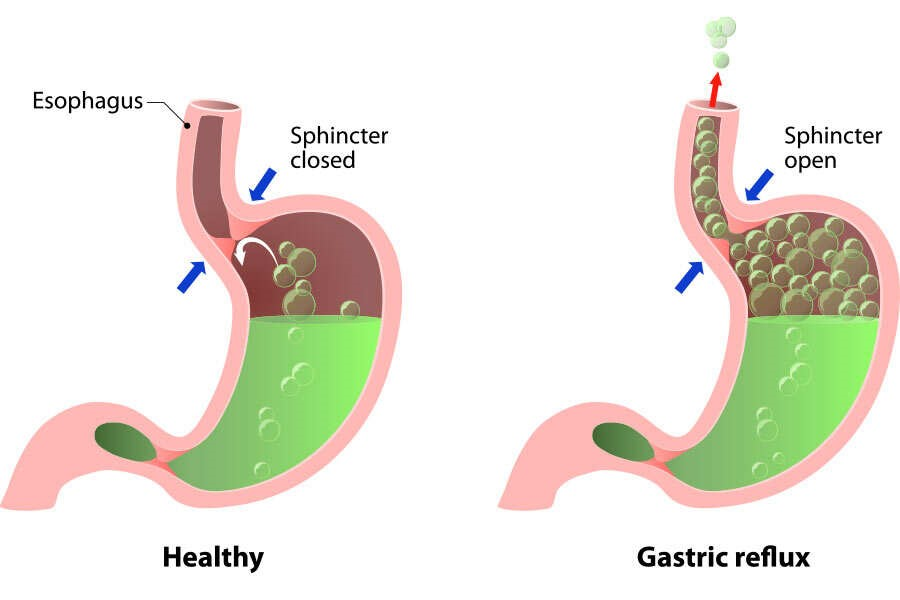
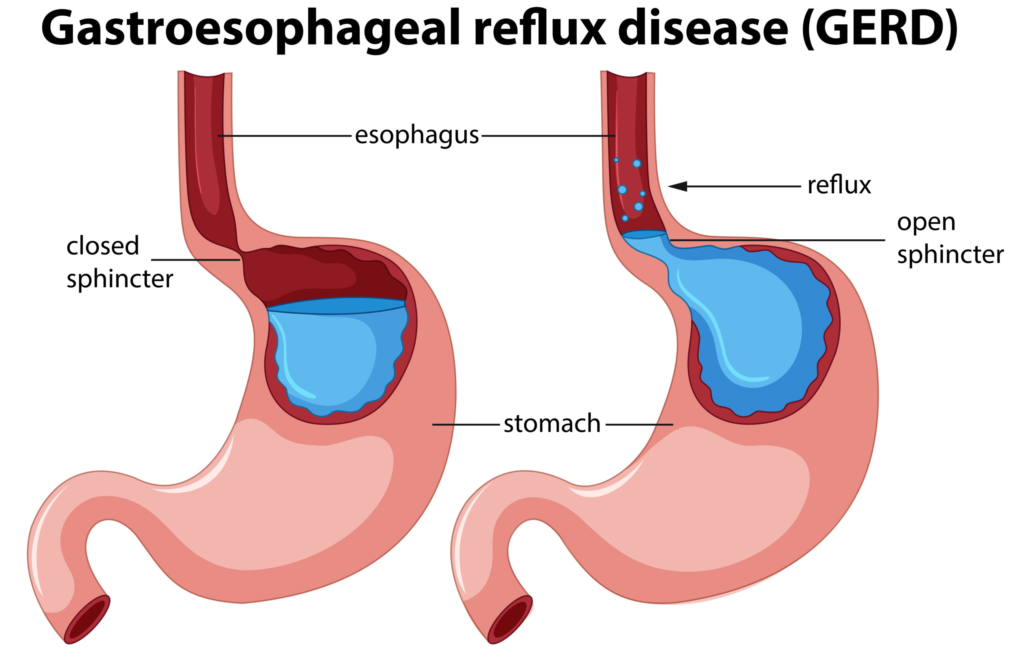
Symptoms and Causes GERD is characterized by chronic acid reflux, where stomach acid frequently flows back into the esophagus, causing irritation. Symptoms include heartburn, regurgitation, chest pain, and difficulty swallowing. Contributing factors include obesity, hiatal hernia, pregnancy, smoking, and certain foods and medications.
Surgical Treatment
Fundoplication: The most common surgery for GERD, where the top of the stomach (fundus) is wrapped around the lower esophagus to strengthen the valve and prevent acid reflux.
LINX Device: A newer technique involving a ring of magnetic beads placed around the lower esophagus to augment the lower esophageal sphincter and prevent reflux.
Gallbladder Diseases
Symptoms and Causes Gallbladder diseases such as gallstones (cholelithiasis) and inflammation (cholecystitis) can cause severe abdominal pain, nausea, vomiting, and fever. Risk factors include obesity, high-fat diets, age, and gender, with women being more susceptible.
Surgical Treatment
Cholecystectomy: The removal of the gallbladder, which can be performed laparoscopically (minimally invasive) or through open surgery. This procedure is the definitive treatment for symptomatic gallstones and cholecystitis.
Colorectal Cancer
Symptoms and Causes Colorectal cancer originates in the colon or rectum, often beginning as benign polyps that can become cancerous. Symptoms include changes in bowel habits, blood in the stool, abdominal pain, and unexplained weight loss. Risk factors include age, family history, diet, and lifestyle factors like smoking and alcohol consumption.
Surgical Treatment
Colectomy: Removal of part or all of the colon. Depending on the cancer’s location and stage, a partial colectomy or total colectomy may be performed.
Proctectomy: Removal of the rectum, often necessary for rectal cancer. This procedure may involve creating an ostomy to allow waste to exit the body through the abdominal wall.
Inflammatory Bowel Disease (IBD)
Symptoms and Causes IBD encompasses chronic inflammatory conditions like Crohn’s disease and ulcerative colitis. Symptoms include abdominal pain, diarrhea, weight loss, and fatigue. The exact cause is unknown, but it involves an abnormal immune response and genetic predisposition.
Surgical Treatment
Resection: Surgical removal of diseased sections of the intestine. In Crohn’s disease, this may involve multiple segments, while ulcerative colitis often requires removal of the colon.
Strictureplasty: Widening of narrowed areas of the intestine without removing any part of it, commonly used in Crohn’s disease to alleviate obstruction.
Hernias
Symptoms and Causes Hernias occur when an organ or tissue protrudes through a weak spot in the abdominal wall, causing pain, swelling, and discomfort. Common types include inguinal, umbilical, and hiatal hernias. Causes include heavy lifting, chronic coughing, obesity, and pregnancy.
Surgical Treatment
Herniorrhaphy: Traditional repair of the hernia by pushing the protruding tissue back into place and reinforcing the abdominal wall.
Hernioplasty: Use of synthetic mesh to strengthen the weakened area and prevent recurrence, often performed laparoscopically for reduced recovery time.
Pancreatic Cancer
Symptoms and Causes Pancreatic cancer is a highly aggressive cancer with symptoms like jaundice, abdominal pain, weight loss, and digestive issues. Risk factors include smoking, chronic pancreatitis, diabetes, and family history.
Surgical Treatment
Whipple Procedure (Pancreaticoduodenectomy): Removal of the head of the pancreas, part of the small intestine, the gallbladder, and the bile duct. This complex surgery is the primary treatment for tumors in the head of the pancreas.
Distal Pancreatectomy: Removal of the body and tail of the pancreas, often along with the spleen, used for tumors located in these areas.
Esophageal Cancer
Symptoms and Causes Esophageal cancer manifests as difficulty swallowing, chest pain, weight loss, and persistent cough. Risk factors include smoking, heavy alcohol consumption, GERD, and Barrett’s esophagus.
Surgical Treatment
Esophagectomy: Removal of part or all of the esophagus. This procedure can be performed through open surgery or minimally invasive techniques, often followed by reconstruction using part of the stomach or intestine.
Peptic Ulcer Disease
Symptoms and Causes Peptic ulcers are open sores that develop on the lining of the stomach, small intestine, or esophagus, causing burning stomach pain, bloating, and nausea. Common causes include Helicobacter pylori infection, prolonged use of NSAIDs, and excessive acid production.
Surgical Treatment
Vagotomy: Cutting the vagus nerve to reduce acid production in the stomach.
Antrectomy: Removal of the lower part of the stomach that produces a hormone stimulating acid secretion.
Gastrojejunostomy: Connecting the stomach to the jejunum (part of the small intestine) to bypass the affected area.
Liver Diseases
Symptoms and Causes Liver diseases such as cirrhosis, liver cancer, and benign liver tumors can cause jaundice, abdominal pain, swelling, and liver failure. Causes include chronic alcohol use, hepatitis B and C infections, and fatty liver disease.
Surgical Treatment
Liver Resection: Removal of part of the liver affected by tumors or severe damage. The liver’s ability to regenerate allows for significant portions to be removed.
Liver Transplantation: Replacing a diseased liver with a healthy one from a donor, often the only option for end-stage liver disease or liver cancer.
Appendicitis
Symptoms and Causes Appendicitis is the inflammation of the appendix, causing severe abdominal pain, particularly in the lower right abdomen, fever, and nausea. The exact cause is not always clear, but it often involves obstruction by fecal matter or infection.
Surgical Treatment
Appendectomy: Surgical removal of the appendix. This procedure is typically performed laparoscopically for quicker recovery and minimal scarring.
Diverticulitis
Symptoms and Causes Diverticulitis occurs when small pouches (diverticula) in the colon become inflamed or infected, leading to abdominal pain, fever, and changes in bowel habits. Causes include a low-fiber diet, obesity, and aging.
Surgical Treatment
Bowel Resection: Removal of the affected section of the colon, often followed by rejoining the healthy sections. This is necessary in severe or recurrent cases.
Colostomy: Creating an opening (stoma) in the abdominal wall for waste to pass into a colostomy bag, sometimes required temporarily after resection.
Stomach Cancer
Symptoms and Causes Stomach cancer, or gastric cancer, can cause symptoms like persistent indigestion, stomach pain, nausea, and weight loss. Risk factors include Helicobacter pylori infection, smoking, certain diets, and family history.
Surgical Treatment
Gastrectomy: Partial or total removal of the stomach, depending on the cancer’s location and stage. Reconstruction is necessary to maintain digestive continuity.
Lymph Node Dissection: Removal of nearby lymph nodes to prevent the spread of cancer.
GI surgery specialists are equipped to handle a diverse array of gastrointestinal conditions through various surgical techniques. Their expertise is vital for diagnosing and treating these disorders effectively, often using minimally invasive procedures to enhance recovery and outcomes. Understanding the range of conditions treated and the surgical interventions available can help patients make informed decisions about their healthcare, ensuring they receive the best possible care for their digestive health.
Advanced Surgical Techniques in GI Surgery
Gastrointestinal (GI) surgery has seen significant advancements in recent years, with innovative techniques and technologies enhancing precision, reducing recovery times, and improving patient outcomes. These advanced surgical methods allow GI surgery specialists to treat a wide array of conditions more effectively. This section delves into the cutting-edge surgical techniques that are transforming GI surgery, including minimally invasive approaches, robotic-assisted procedures, and endoscopic innovations.
Minimally Invasive Surgery
Minimally invasive surgery (MIS) has revolutionized the field of GI surgery, offering numerous benefits over traditional open surgery, such as smaller incisions, less pain, reduced scarring, and faster recovery times. MIS techniques include laparoscopic and robotic-assisted surgeries.
Laparoscopic Surgery
Laparoscopic surgery involves the use of a laparoscope—a thin, flexible tube equipped with a camera and light source—along with specialized surgical instruments. Small incisions are made to insert the laparoscope and instruments, allowing the surgeon to operate with enhanced visualization and precision.
Procedures
Cholecystectomy: Removal of the gallbladder, typically performed to treat gallstones or cholecystitis.
Appendectomy: Removal of the appendix, commonly performed to treat appendicitis.
Colectomy: Removal of part or all of the colon, used in the treatment of colorectal cancer, diverticulitis, or inflammatory bowel disease.
Benefits
Reduced Pain: Smaller incisions result in less postoperative pain.
Faster Recovery: Patients typically experience shorter hospital stays and quicker returns to normal activities.
Lower Infection Risk: Smaller incisions decrease the risk of surgical site infections.
Robotic-Assisted Surgery
Robotic-assisted surgery enhances the capabilities of laparoscopic surgery by providing greater precision, dexterity, and control. The surgeon operates from a console, manipulating robotic arms equipped with surgical instruments. The robotic system provides a magnified, high-definition view of the surgical field.
Procedures
Prostatectomy: Removal of the prostate gland, often used in the treatment of prostate cancer.
Hernia Repair: Repair of hernias using robotic assistance for improved precision and reduced recurrence rates.
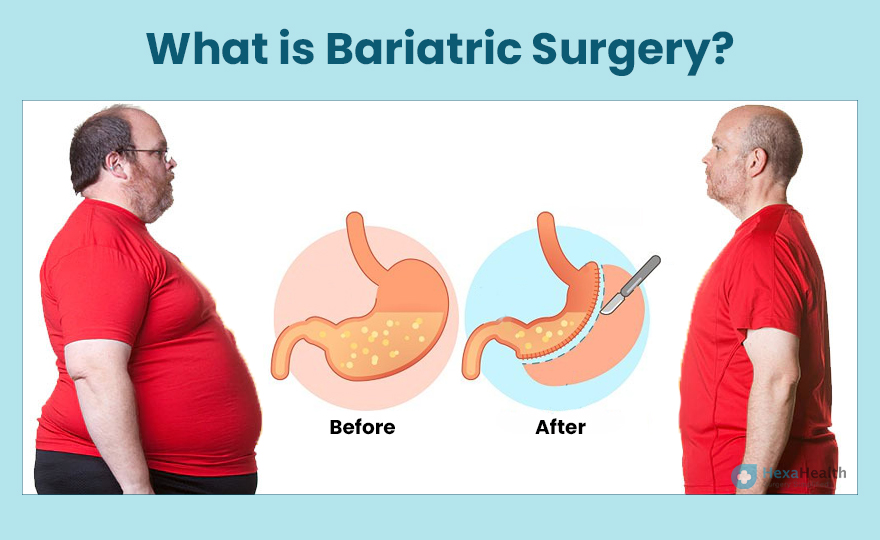
Gastric Bypass: Bariatric surgery for weight loss, involving the creation of a small stomach pouch and rerouting of the small intestine.
Benefits
Enhanced Precision: Robotic systems filter out hand tremors and provide greater control over surgical instruments.
Improved Visualization: High-definition, 3D visualization allows for better identification of anatomical structures.
Minimally Invasive: Like laparoscopic surgery, robotic-assisted surgery uses small incisions, resulting in similar benefits.
Endoscopic Procedures
Endoscopic procedures involve the use of an endoscope—a flexible tube with a camera and light—to diagnose and treat conditions within the gastrointestinal tract. These procedures are often less invasive than traditional surgery, offering quicker recovery times and fewer complications.
Endoscopic Mucosal Resection (EMR)
EMR is a technique used to remove early-stage cancerous or precancerous tissues from the digestive tract. It involves the injection of a solution to lift the lesion, followed by resection using a snare.
Applications
Esophageal Cancer: Removal of superficial tumors in the esophagus.
Stomach Cancer: Resection of early gastric cancers.
Colorectal Cancer: Treatment of polyps and early-stage colorectal cancers.
Benefits
Minimally Invasive: No external incisions are needed, reducing recovery time and discomfort.
Early Detection and Treatment: Allows for the removal of lesions before they progress to more advanced stages.
Endoscopic Submucosal Dissection (ESD)
ESD is an advanced technique for removing larger lesions from the gastrointestinal tract in one piece. This method provides a higher chance of complete resection and reduces the risk of recurrence.
Applications
Esophageal Cancer: Removal of larger tumors and complex lesions.
Gastric Cancer: Treatment of large or deeply infiltrating gastric tumors.
Colorectal Cancer: Resection of large polyps and early colorectal cancers.
Benefits
Complete Resection: Allows for the removal of larger and more complex lesions in one piece, ensuring clean margins and reducing recurrence.
Minimally Invasive: Similar to EMR, ESD requires no external incisions.
Transanal Minimally Invasive Surgery (TAMIS)
TAMIS is a technique used to remove rectal tumors and polyps through the anus, avoiding abdominal incisions. This approach offers several advantages over traditional methods, particularly in terms of recovery and preservation of bowel function.
Applications
Rectal Cancer: Removal of early-stage rectal cancers and large polyps.
Polyps: Resection of benign polyps that are difficult to remove through conventional colonoscopy.
Benefits
No Abdominal Incisions: The absence of external incisions leads to less postoperative pain and quicker recovery.
Preservation of Bowel Function: TAMIS helps preserve normal bowel function and avoid the need for a permanent colostomy.
Single-Incision Laparoscopic Surgery (SILS)
SILS is a variant of laparoscopic surgery where the procedure is performed through a single small incision, usually at the navel. This technique aims to reduce scarring and improve cosmetic outcomes.
Applications
Cholecystectomy: Removal of the gallbladder through a single incision.
Appendectomy: Removal of the appendix using one incision.
Hernia Repair: Minimally invasive repair of hernias with a single entry point.
Benefits
Cosmetic Advantages: Fewer and smaller scars compared to traditional laparoscopic surgery.
Reduced Pain and Recovery Time: Less postoperative pain and faster recovery due to fewer incisions.
Enhanced Recovery After Surgery (ERAS) Protocols
ERAS protocols are comprehensive, evidence-based guidelines designed to optimize perioperative care, improve recovery times, and reduce complications. These protocols involve a multidisciplinary approach, including preoperative, intraoperative, and postoperative care strategies.
Components
Preoperative Counseling: Educating patients about the surgery and recovery process.
Optimized Nutrition: Ensuring patients have adequate nutrition before and after surgery.
Minimally Invasive Techniques: Using MIS whenever possible to reduce trauma.
Early Mobilization: Encouraging early movement and physical activity post-surgery to enhance recovery.
Benefits
Improved Recovery: Faster return to normal activities and reduced hospital stays.
Reduced Complications: Lower rates of postoperative complications, including infections and thromboembolic events.
Enhanced Patient Experience: Better overall patient satisfaction and outcomes.
Artificial Intelligence (AI) in GI Surgery
AI is increasingly being integrated into GI surgery, enhancing diagnostic accuracy, surgical planning, and intraoperative guidance. AI algorithms can analyze large datasets, identify patterns, and provide real-time assistance to surgeons.
Applications
Image Analysis: AI can analyze endoscopic and imaging data to identify lesions, tumors, and polyps with high accuracy.
Surgical Planning: AI tools can help plan complex surgeries by simulating different scenarios and outcomes.
Robotic Assistance: AI enhances the capabilities of robotic systems, improving precision and reducing the risk of errors.
Benefits
Enhanced Accuracy: AI improves diagnostic accuracy and surgical precision.
Predictive Analytics: AI can predict surgical outcomes and complications, aiding in decision-making.
Real-Time Assistance: Provides real-time guidance and feedback during surgeries, enhancing safety and efficiency.
3D Printing and Personalized Surgery
3D printing technology is being used to create patient-specific surgical models and implants, enabling personalized surgical planning and improving the precision of complex procedures.
Applications
Preoperative Planning: Surgeons can use 3D-printed models to plan and rehearse complex surgeries, improving outcomes.
Custom Implants: 3D printing allows for the creation of custom implants tailored to the patient’s anatomy.
Educational Tools: 3D models are valuable for educating patients and training surgeons.
Benefits
Improved Precision: Personalized models and implants enhance the accuracy of surgeries.
Better Outcomes: Tailored surgical plans lead to better patient outcomes and reduced complications.
Enhanced Education: Provides a valuable tool for patient education and surgical training.
The field of GI surgery has been transformed by advanced surgical techniques, offering numerous benefits over traditional methods. Minimally invasive approaches, robotic-assisted procedures, and innovative endoscopic techniques have revolutionized the treatment of gastrointestinal conditions, leading to improved patient outcomes and faster recoveries. As technology continues to advance, GI surgery specialists are equipped with an ever-expanding arsenal of tools and techniques to provide the highest standard of care for their patients. Understanding these advancements allows patients and healthcare providers to make informed decisions about the best treatment options for gastrointestinal disorders.
Choosing the Right GI Surgery Specialist
Selecting a skilled and experienced GI surgery specialist is crucial for optimal outcomes. Consider the following factors when choosing a specialist:
Credentials and Experience
Board Certification: Ensure the specialist is board-certified in gastrointestinal surgery.
Experience: Look for a surgeon with extensive experience in performing the specific procedure you need.
Hospital Affiliation
Accreditation: Choose a specialist affiliated with accredited hospitals that have state-of-the-art facilities and a reputation for high-quality care.
Support Services: Consider hospitals that offer comprehensive support services, including nutrition counseling, physical therapy, and patient education.
Patient Reviews and Testimonials
Feedback: Read patient reviews and testimonials to gauge the specialist’s reputation and patient satisfaction.
Referrals: Ask for referrals from your primary care physician or other healthcare providers.
Innovations and Future Directions in GI Surgery
The field of GI surgery is continually evolving, with new technologies and techniques enhancing patient care and outcomes.
Artificial Intelligence (AI) in GI Surgery
AI is being integrated into various aspects of GI surgery, from diagnostic tools to surgical planning and intraoperative assistance. AI algorithms can analyze medical images, predict surgical outcomes, and assist surgeons in making precise decisions.
Enhanced Recovery After Surgery (ERAS) Protocols
ERAS protocols are designed to improve postoperative recovery through evidence-based practices, including preoperative nutrition, minimally invasive techniques, and optimized pain management.
3D Printing and Personalized Surgery
3D printing technology allows for the creation of patient-specific surgical models and implants, enabling personalized surgical planning and improving the precision of complex procedures.
Conclusion
GI surgery specialists are at the forefront of treating a wide range of digestive system disorders, utilizing advanced surgical techniques and innovative approaches to improve patient outcomes. By understanding the role of GI surgery specialists, the conditions they treat, and the latest advancements in the field, patients can make informed decisions about their healthcare. Whether dealing with a common issue like GERD or a complex condition like colorectal cancer, GI surgery specialists offer the expertise and care necessary for optimal digestive health.
GI Surgery Specialists
Meet Your Doctor
The Best Laparoscopic Surgeon in Indore
Dr. Nikunj Jain is a renowned Gastro & Minimal Access Laparoscopic Surgeon.
He is a Surgical Gastroenterologist, Consultant Surgeon at Apollo Hospital, Indore having expertise in laparoscopic, Laser, and Robotic Surgery.
You can be confident that with Dr. Nikunj Jain your well-being is in the capable hands of a highly-skilled Minimally Invasive Laparoscopic & Robotic Surgeon. Dr. Nikunj Jain strives to treat his patients with an honest, straightforward, and caring nature in a safe and comfortable environment.
Dr. Nikunj Jain has been awarded Dr. B. Ramamurthi National Gold Medal by National Board of Examination.
Email your reports
drnikunjjain@gmail.com
Call Now to book Appointment
+91-97114-59697
Head Quarter Building
3rd Floor, Satya Sai Square, Vijay Nagar, Indore – MP
Digestive health is a cornerstone of overall well-being, influencing everything from nutrient absorption to immune function. In Indore, a city renowned for its vibrant culture and culinary diversity, maintaining good digestive health is particularly important. This comprehensive guide explores the various aspects of digestive health in Indore, from common gastrointestinal disorders to available treatments and expert advice on maintaining a healthy digestive system.
Understanding Digestive Health
Digestive health encompasses the proper functioning of the entire gastrointestinal (GI) tract, which includes the mouth, esophagus, stomach, intestines, liver, and pancreas. Good digestive health ensures that food is broken down efficiently, nutrients are absorbed properly, and waste is expelled effectively.
Maintaining digestive health involves a combination of balanced nutrition, regular physical activity, adequate hydration, and stress management. In Indore, with its rich food culture and lifestyle, achieving this balance can be both a rewarding and challenging task.
Common Digestive Disorders in Indore
Irritable Bowel Syndrome (IBS)
Symptoms and Causes IBS is a prevalent condition in Indore, characterized by abdominal pain, bloating, and altered bowel habits. Factors contributing to IBS include dietary habits, stress, and gut microbiota imbalances.
Management Management involves dietary modifications, such as incorporating high-fiber foods, avoiding trigger foods, and using probiotics. Stress management techniques like yoga and meditation, which are popular in Indore, can also be beneficial.
Gastroesophageal Reflux Disease (GERD)
Symptoms and Causes GERD is another common issue, resulting from the backflow of stomach acid into the esophagus, causing heartburn and regurgitation. Contributing factors include spicy and fatty foods, which are abundant in Indore’s cuisine, obesity, and smoking.
Management Treatment includes lifestyle changes such as weight loss, avoiding trigger foods, and quitting smoking. Medications like antacids and proton pump inhibitors are often prescribed by gastroenterologists in Indore.
Peptic Ulcer Disease
Symptoms and Causes Peptic ulcers are sores that develop on the lining of the stomach or duodenum, often caused by Helicobacter pylori infection or long-term use of NSAIDs. Symptoms include burning stomach pain, bloating, and nausea.
Management Treatment involves antibiotics to eradicate H. pylori, medications to reduce stomach acid, and lifestyle modifications to avoid NSAIDs and manage stress.
Hepatitis
Symptoms and Causes Hepatitis, particularly hepatitis A and E, can be more common in areas with variable sanitation standards. Symptoms include jaundice, fatigue, and abdominal pain.
Management Prevention through vaccination (for hepatitis A) and maintaining good hygiene practices is crucial. Treatment focuses on supportive care and, in chronic cases, antiviral medications.
Expert Gastroenterology Services in Indore
Leading Gastroenterologists
Indore is home to several renowned gastroenterologists who provide expert care for a wide range of digestive disorders. These specialists offer comprehensive diagnostic and therapeutic services, including endoscopy, colonoscopy, and advanced imaging techniques.
Notable Gastroenterology Clinics
Indore Gastro Centre: Known for its state-of-the-art facilities and experienced staff, offering treatments for IBS, GERD, and more.
CHL Hospital: Offers specialized gastroenterology services with a focus on minimally invasive procedures.
Bombay Hospital, Indore: Features a dedicated gastroenterology department with a team of skilled professionals.
Advanced Diagnostic Tools
Modern gastroenterology practices in Indore utilize advanced diagnostic tools to accurately identify and treat digestive disorders. These include:
Endoscopy and Colonoscopy: For direct visualization of the GI tract.
Ultrasound and CT Scans: For detailed imaging of the abdominal organs.
Breath Tests: For detecting infections like H. pylori and assessing lactose intolerance.
Dietary and Lifestyle Tips for Digestive Health in Indore
Maintaining digestive health is crucial for overall well-being, and adopting the right dietary and lifestyle habits can significantly enhance your digestive system’s functioning. In Indore, where the rich food culture is both a delight and a challenge, these tips can help you enjoy the local cuisine while keeping your digestive health in check.
Balanced Diet for Digestive Health
High-Fiber Foods: A diet rich in fiber is essential for good digestive health. Fiber helps to keep the digestive tract functioning smoothly by aiding bowel movements and preventing constipation.
Fruits and Vegetables: Include a variety of fruits and vegetables in your daily diet. Local options like guava, papaya, spinach, and carrots are excellent sources of dietary fiber.
Whole Grains: Opt for whole grains like brown rice, whole wheat, oats, and millets. These grains are not only high in fiber but also provide essential nutrients.
Legumes and Pulses: Lentils, chickpeas, and beans are great fiber-rich foods. They are a staple in many Indore dishes and can be incorporated into your meals easily.
Probiotics: Probiotics are beneficial bacteria that support a healthy gut microbiome, which is crucial for digestion and overall health.
Yogurt and Curd: Incorporate yogurt or curd into your diet. They are rich in probiotics and can help improve gut health.
Fermented Foods: Foods like idli, dosa, and homemade pickles are traditional Indian fermented foods that can boost probiotic intake.
Hydration: Staying hydrated is vital for digestive health. Water aids digestion and helps prevent constipation by keeping the stool soft and easy to pass.
Water Intake: Aim to drink at least 8-10 glasses of water daily. In the hot climate of Indore, you may need to increase this amount to stay adequately hydrated.
Herbal Teas: Herbal teas such as ginger tea and peppermint tea can aid digestion and soothe the digestive tract.
Avoiding Trigger Foods
Certain foods can exacerbate digestive disorders and should be limited or avoided.
Spicy Foods: While Indore is famous for its spicy street food, excessive consumption can lead to digestive issues like heartburn and indigestion. Moderation is key.
Fatty Foods: High-fat foods can slow down digestion and cause bloating and discomfort. Opt for healthier cooking methods like grilling, steaming, or baking instead of frying.
Caffeine and Alcohol: Both can irritate the digestive system and lead to symptoms like acid reflux and stomach pain. Limit intake and choose healthier beverages.
Regular Physical Activity
Physical activity plays a significant role in maintaining digestive health by promoting regular bowel movements and reducing stress.
Walking: A simple and effective exercise that can be easily incorporated into daily life. A brisk walk after meals can help in digestion.
Yoga: Yoga is particularly beneficial for digestive health. Poses like Pavanamuktasana (Wind-Relieving Pose), Ardha Matsyendrasana (Half Spinal Twist), and Bhujangasana (Cobra Pose) can aid digestion and relieve constipation.
Strength Training: Incorporate strength training exercises to improve overall health and aid in digestion.
Stress Management
Stress can significantly impact digestive health, leading to conditions like IBS and acid reflux. Effective stress management techniques are essential.
Yoga and Meditation: Practicing yoga and meditation regularly can help reduce stress levels. Techniques like deep breathing and mindfulness can have a calming effect on the mind and body.
Adequate Sleep: Ensure you get enough restful sleep each night. Poor sleep can exacerbate digestive issues and overall health.
Hobbies and Leisure Activities: Engaging in hobbies and activities you enjoy can help reduce stress. Whether it’s gardening, reading, or spending time with loved ones, make time for relaxation.
Traditional and Alternative Therapies
Incorporating traditional and alternative therapies can provide holistic support for digestive health.
Ayurvedic Practices: Ayurveda offers a wealth of knowledge for maintaining digestive health through natural remedies and dietary guidelines.
Herbal Remedies: Herbs like ginger, turmeric, and fennel are known for their digestive benefits. Ginger tea can soothe the stomach, while turmeric can reduce inflammation.
Balanced Diet: Ayurveda emphasizes eating a balanced diet suited to one’s body type (dosha). Include all six tastes (sweet, sour, salty, bitter, pungent, and astringent) in your meals for optimal digestion.
Homeopathy: Homeopathy provides individualized treatment plans based on specific symptoms and overall health.
Natural Remedies: Homeopathic remedies like Nux Vomica for indigestion and Lycopodium for bloating can be effective. Consult a qualified homeopath for personalized treatment.
Healthy Eating Habits
Adopting healthy eating habits can enhance digestion and prevent common digestive issues.
Eat Slowly and Mindfully: Take time to chew your food thoroughly. Eating slowly can help prevent overeating and improve digestion.
Regular Meal Times: Maintain regular meal times and avoid skipping meals. Eating at consistent times helps regulate digestive function.
Smaller, Frequent Meals: Instead of large meals, opt for smaller, more frequent meals to reduce the burden on your digestive system.
Maintaining digestive health in Indore requires a combination of mindful eating, regular physical activity, stress management, and incorporating traditional practices. By following these dietary and lifestyle tips, you can enjoy the rich culinary culture of Indore while keeping your digestive system healthy and functional. Embrace these habits to enhance your overall well-being and live a healthier, more balanced life.
Traditional and Alternative Therapies
Traditional and alternative therapies have long been used to promote digestive health and treat various gastrointestinal disorders. These holistic approaches focus on natural remedies, lifestyle modifications, and preventive care. In Indore, where cultural heritage blends seamlessly with modern practices, integrating traditional and alternative therapies into daily life can provide substantial benefits for digestive health.
Ayurvedic Practices
Ayurveda, the ancient Indian system of medicine, emphasizes a holistic approach to health and well-being, focusing on balance and harmony within the body. For digestive health, Ayurveda offers a variety of practices and remedies.
Herbal Remedies: Ayurveda uses a vast array of herbs known for their digestive benefits. These herbs can be used in cooking, as teas, or in supplement form.
Ginger: Known for its anti-inflammatory properties, ginger helps in easing indigestion, nausea, and stomach discomfort. Drinking ginger tea before meals can stimulate digestion.
Turmeric: With its powerful anti-inflammatory and antioxidant properties, turmeric aids in reducing gut inflammation and improving liver function.
Fennel: Fennel seeds are often chewed after meals to aid digestion and reduce bloating. Fennel tea is another effective remedy for digestive issues.
Dietary Guidelines: Ayurveda recommends dietary guidelines tailored to an individual’s body type (dosha) to maintain digestive health.
Balancing Tastes: Ayurveda suggests incorporating all six tastes (sweet, sour, salty, bitter, pungent, and astringent) in daily meals to balance digestion.
Warm, Cooked Foods: Eating warm, cooked foods is easier on the digestive system compared to cold, raw foods.
Regular Meal Times: Consistency in meal times helps regulate the digestive process and maintain gut health.
Panchakarma: Panchakarma is a detoxification and rejuvenation therapy in Ayurveda that includes five purification techniques to cleanse the body.
Virechana (Purgation Therapy): Involves the use of herbal laxatives to cleanse the bowels and detoxify the liver.
Basti (Enema Therapy): Herbal enemas are used to cleanse the colon and improve gut health.
Homeopathy
Homeopathy is a system of alternative medicine based on the principle of treating “like with like.” It uses highly diluted substances to trigger the body’s natural healing processes.
Individualized Treatment: Homeopathy offers personalized treatment plans based on the specific symptoms and overall health of the individual.
Nux Vomica: Often used for indigestion, nausea, and constipation, especially in individuals who lead a sedentary lifestyle and consume rich, spicy foods.
Lycopodium: Commonly prescribed for bloating, gas, and digestive discomfort, particularly in cases where symptoms worsen in the evening.
Natural Remedies: Homeopathic remedies are derived from natural sources and are considered safe and gentle on the body.
Arsenicum Album: Used for treating food poisoning and diarrhea, with symptoms like burning pain and extreme thirst.
Pulsatilla: Effective for digestive issues that arise from fatty foods, leading to bloating and belching.
Naturopathy
Naturopathy focuses on natural remedies and the body’s ability to heal and maintain itself. It emphasizes lifestyle changes, natural therapies, and preventive care.
Dietary Adjustments: Naturopathy advocates a whole-foods diet rich in nutrients to support digestive health.
Plant-Based Diet: Emphasizes the consumption of fruits, vegetables, whole grains, nuts, and seeds.
Hydration: Adequate water intake is crucial for maintaining digestive function and overall health.
Lifestyle Changes: Naturopathy promotes a balanced lifestyle to enhance digestive health.
Regular Exercise: Encourages daily physical activity to improve digestion and reduce stress.
Stress Management: Incorporates techniques like deep breathing, meditation, and yoga to manage stress and its impact on digestion.
Hydrotherapy: Hydrotherapy involves the use of water for pain relief and treatment. It can be used to support digestive health.
Warm Water Baths: Soaking in warm water can relax the abdominal muscles and alleviate digestive discomfort.
Cold Compresses: Applying a cold compress to the abdomen can reduce inflammation and soothe pain.
Traditional Chinese Medicine (TCM)
Traditional Chinese Medicine, with its roots in ancient China, uses a variety of techniques to promote health and treat diseases, including digestive disorders.
Acupuncture: Acupuncture involves inserting thin needles into specific points on the body to stimulate healing and improve energy flow (Qi).
Digestive Points: Points like Stomach 36 (Zusanli) and Large Intestine 4 (Hegu) are commonly used to treat digestive issues like bloating, nausea, and constipation.
Balancing Qi: Acupuncture aims to balance the body’s energy flow, which can enhance digestive function and overall health.
Herbal Medicine: TCM uses a variety of herbal formulations to support digestive health.
Huang Qi (Astragalus): Strengthens the digestive system and boosts energy.
Dang Shen (Codonopsis): Supports the spleen and stomach, aiding in digestion and nutrient absorption.
Dietary Therapy: TCM dietary therapy recommends foods based on their energetic properties to balance the body’s internal environment.
Warm, Cooked Foods: Similar to Ayurvedic principles, TCM advises consuming warm, cooked foods to support digestion.
Balance of Flavors: Incorporating a balance of flavors (sweet, sour, bitter, pungent, and salty) in meals to harmonize the digestive system.
Traditional and alternative therapies offer holistic approaches to maintaining and improving digestive health. In Indore, the integration of these therapies with modern medical practices can provide a comprehensive strategy for managing digestive disorders and promoting overall wellness. By embracing Ayurveda, homeopathy, naturopathy, and TCM, individuals can access a wide range of natural remedies and lifestyle modifications to support their digestive health and enhance their quality of life.
Community and Support Resources
Support Groups
Joining a support group can provide emotional and practical support for individuals dealing with digestive disorders. These groups offer:
Shared Experiences: Connecting with others who understand your challenges.
Practical Advice: Tips on managing symptoms and navigating treatments.
Health Workshops and Seminars
Various health organizations and hospitals in Indore host workshops and seminars focused on digestive health. These events provide:
Educational Sessions: Information on the latest treatments and research.
Interactive Workshops: Hands-on activities like cooking demonstrations and exercise sessions.
Preventive Measures and Health Check-ups
Regular Health Check-ups
Regular health check-ups are vital for early detection and management of digestive disorders. Recommended screenings include:
Colonoscopy: For individuals over 50 or with a family history of colorectal cancer.
Endoscopy: For those with persistent GERD symptoms or at risk for esophageal cancer.
Vaccinations
Vaccinations can prevent certain types of hepatitis. Ensure you are up-to-date with:
Hepatitis A and B Vaccines: Particularly important for those at higher risk.
Conclusion
Digestive health is a critical aspect of overall well-being, especially in a culturally rich city like Indore. By understanding common digestive disorders, accessing expert gastroenterology services, and adopting healthy lifestyle practices, residents can maintain and improve their digestive health. Embrace the diverse and holistic health options available in Indore, from modern medical treatments to traditional practices, to achieve optimal digestive wellness.
Meet Your Doctor
The Best Laparoscopic Surgeon in Indore
Dr. Nikunj Jain is a renowned Gastro & Minimal Access Laparoscopic Surgeon.
He is a Surgical Gastroenterologist, Consultant Surgeon at Apollo Hospital, Indore having expertise in laparoscopic, Laser, and Robotic Surgery.
You can be confident that with Dr. Nikunj Jain your well-being is in the capable hands of a highly-skilled Minimally Invasive Laparoscopic & Robotic Surgeon. Dr. Nikunj Jain strives to treat his patients with an honest, straightforward, and caring nature in a safe and comfortable environment.
Dr. Nikunj Jain has been awarded Dr. B. Ramamurthi National Gold Medal by National Board of Examination.
Email your reports
drnikunjjain@gmail.com
Call Now to book Appointment
+91-97114-59697
Head Quarter Building
3rd Floor, Satya Sai Square, Vijay Nagar, Indore – MP
The digestive system is an intricate and essential part of the human body, responsible for breaking down food, absorbing nutrients, and eliminating waste. Gastrointestinal (GI) disorders encompass a range of conditions that affect the GI tract, impacting overall health and quality of life. Understanding these disorders, their symptoms, causes, and available treatments is crucial for maintaining optimal digestive health.
Understanding Gastrointestinal Disorders
Gastrointestinal disorders refer to conditions that affect the digestive tract, which includes the esophagus, stomach, small intestine, large intestine, rectum, and anus. These disorders can cause a variety of symptoms, ranging from mild discomfort to severe pain and debilitation.
Common Gastrointestinal Disorders
Gastrointestinal disorders affect the digestive tract and can lead to a variety of symptoms that impact daily life. Understanding these conditions, their causes, and treatments can help manage and alleviate symptoms. Here, we delve into some of the most common gastrointestinal disorders in detail.
Irritable Bowel Syndrome (IBS)
Symptoms and Types Irritable Bowel Syndrome (IBS) is a chronic condition characterized by a group of symptoms that typically include abdominal pain, bloating, and changes in bowel habits. IBS is categorized into three main types based on the predominant symptom:
IBS with Constipation (IBS-C): Characterized by hard or lumpy stools at least 25% of the time.
IBS with Diarrhea (IBS-D): Characterized by loose or watery stools at least 25% of the time.
Mixed IBS (IBS-M): Alternating between constipation and diarrhea.
Causes The exact cause of IBS is not known, but it is believed to result from a combination of factors, including:
Gut-Brain Axis: Disruptions in communication between the brain and the gut.
Intestinal Muscle Contractions: Stronger or weaker contractions in the intestines.
Gut Microbiota: Imbalances in the gut bacteria.
Infections: History of severe infections.
Stress: High levels of stress can exacerbate symptoms.
Treatment Treatment for IBS often involves a combination of dietary changes, medications, and lifestyle modifications:
Dietary Changes: High-fiber diets for IBS-C and low-FODMAP diets for reducing overall symptoms.
Medications: Antispasmodics, laxatives for constipation, and anti-diarrheal medications.
Lifestyle: Stress management techniques such as yoga and meditation.
Gastroesophageal Reflux Disease (GERD)
Symptoms GERD occurs when stomach acid frequently flows back into the esophagus, leading to:
Heartburn: A burning sensation in the chest.
Regurgitation: Sour or bitter-tasting acid backing up into the throat or mouth.
Chest Pain: Pain that can mimic heart problems.
Difficulty Swallowing: A feeling of food being stuck in the throat.
Causes GERD can be caused by a variety of factors, including:
Hiatal Hernia: A condition where part of the stomach pushes through the diaphragm.
Lifestyle Factors: Obesity, smoking, and certain foods and drinks (like spicy foods, alcohol, and coffee).
Medications: Some medications can relax the lower esophageal sphincter.
Treatment Treatment aims to reduce symptoms and prevent complications:
Lifestyle Modifications: Weight loss, avoiding trigger foods, and not lying down immediately after eating.
Medications: Antacids, H2 blockers, and proton pump inhibitors.
Surgery: In severe cases, procedures like fundoplication can help strengthen the lower esophageal sphincter.
Inflammatory Bowel Disease (IBD)
Types and Symptoms Inflammatory Bowel Disease (IBD) includes two main conditions: Crohn’s disease and ulcerative colitis. Both cause chronic inflammation but affect different parts of the GI tract:
Crohn’s Disease: Can affect any part of the GI tract, but most commonly the end of the small intestine and the beginning of the colon. Symptoms include abdominal pain, severe diarrhea, fatigue, weight loss, and malnutrition.
Ulcerative Colitis: Primarily affects the colon and rectum. Symptoms include abdominal pain, rectal bleeding, diarrhea, and urgency to defecate.
Causes The exact causes of IBD are not fully understood, but several factors contribute:
Immune System: An abnormal immune response that attacks the cells of the digestive tract.
Genetics: Family history of IBD.
Environmental Factors: Diet, smoking, and certain medications.
Treatment Treatment focuses on reducing inflammation and managing symptoms:
Medications: Anti-inflammatory drugs, immune system suppressors, and biologics.
Diet and Nutrition: Special diets and nutritional support to address deficiencies.
Surgery: In severe cases, removing damaged sections of the GI tract.
Celiac Disease
Symptoms Celiac disease is an autoimmune disorder where the ingestion of gluten leads to damage in the small intestine. Symptoms vary widely but can include:
Digestive Symptoms: Diarrhea, bloating, gas, and constipation.
Nutritional Deficiencies: Due to malabsorption, leading to anemia and weight loss.
Other Symptoms: Fatigue, bone or joint pain, and skin rash (dermatitis herpetiformis).
Causes Celiac disease occurs due to:
Genetics: Strong genetic component with certain genes increasing susceptibility.
Immune Response: Gluten triggers an immune response that damages the lining of the small intestine.
Treatment The primary treatment is a strict gluten-free diet, which helps heal the intestine and prevent further damage. Adhering to a gluten-free diet involves:
Avoiding Gluten: Found in wheat, barley, rye, and their derivatives.
Substitutes: Using gluten-free grains like rice, quinoa, and corn.
Diverticulitis
Symptoms Diverticulitis involves the inflammation or infection of small pouches (diverticula) that can form in the walls of the colon. Symptoms include:
Abdominal Pain: Usually severe and located on the lower left side.
Fever: Often accompanies inflammation or infection.
Changes in Bowel Habits: Such as diarrhea or constipation.
Nausea and Vomiting: Can occur due to severe inflammation.
Causes The exact cause of diverticulitis is not clear, but several factors contribute:
Diet: A low-fiber diet can lead to the formation of diverticula.
Age: More common in older adults.
Genetics: Family history of diverticulitis.
Treatment Treatment depends on the severity of the condition:
Mild Cases: Treated with rest, dietary changes, and antibiotics.
Severe Cases: May require hospitalization and surgery to remove the affected part of the colon.
Peptic Ulcer Disease
Symptoms Peptic ulcers are open sores that develop on the lining of the stomach, upper small intestine, or esophagus. Symptoms include:
Abdominal Pain: A burning or gnawing pain in the stomach area.
Bloating and Belching: Common with ulcer discomfort.
Nausea and Vomiting: Sometimes includes vomiting blood.
Weight Loss: Unintended weight loss and poor appetite.
Causes The primary causes of peptic ulcers include:
Helicobacter pylori Infection: Bacterial infection that damages the stomach lining.
NSAIDs: Long-term use of nonsteroidal anti-inflammatory drugs.
Lifestyle Factors: Smoking, excessive alcohol use, and stress.
Treatment Treatment focuses on healing the ulcer and preventing complications:
Medications: Antibiotics for H. pylori, proton pump inhibitors, and H2 blockers.
Lifestyle Changes: Avoiding NSAIDs, reducing alcohol consumption, and quitting smoking.
Gallstones
Symptoms Gallstones are hardened deposits of digestive fluid that can form in the gallbladder. Symptoms can include:
Pain: Sudden and intensifying pain in the upper right abdomen or center of the abdomen.
Nausea and Vomiting: Accompanying abdominal pain.
Jaundice: Yellowing of the skin and eyes if a stone blocks the bile duct.
Causes Gallstones can develop due to several factors:
Cholesterol Stones: Result from too much cholesterol in the bile.
Bilirubin Stones: Form when the body breaks down too much red blood cells.
Gallbladder Motility: Poor gallbladder emptying.
Treatment Treatment options vary based on the severity:
Medication: To dissolve cholesterol stones.
Surgery: Cholecystectomy (removal of the gallbladder) is often recommended for symptomatic gallstones.
Lactose Intolerance
Symptoms Lactose intolerance is the inability to digest lactose, a sugar found in milk and dairy products. Symptoms include:
Bloating and Gas: After consuming dairy products.
Diarrhea: Loose stools following dairy intake.
Abdominal Cramps: Pain and discomfort in the abdomen.
Causes Lactose intolerance occurs due to:
Lactase Deficiency: The enzyme lactase, which breaks down lactose, is insufficient.
Genetics: Often runs in families.
Age: More common in adults as lactase production decreases with age.
Lactase Supplements: To help digest lactose when consuming dairy.
Gastrointestinal disorders encompass a wide range of conditions that affect different parts of the digestive tract. Understanding the symptoms, causes, and treatment options for these common disorders is crucial for effective management and maintaining digestive health. Whether through dietary changes, medications, or lifestyle modifications, individuals can find relief and improve their quality of life by addressing these conditions proactively.
Symptoms of Gastrointestinal Disorders
Gastrointestinal (GI) disorders encompass a wide range of conditions that affect the digestive tract, causing a variety of symptoms. These symptoms can range from mild discomfort to severe pain and can significantly impact daily life. Understanding these symptoms is crucial for early diagnosis and effective treatment. Here, we explore the common symptoms associated with gastrointestinal disorders in detail.
Abdominal Pain
Nature of Pain Abdominal pain is a frequent symptom of GI disorders and can vary in intensity, location, and nature. It can be:
Crampy or Colicky: Often seen in conditions like irritable bowel syndrome (IBS) and gastrointestinal infections.
Burning: Commonly associated with gastroesophageal reflux disease (GERD) and peptic ulcers.
Sharp or Stabbing: May indicate more serious conditions like appendicitis or pancreatitis.
Location of Pain The location of abdominal pain can provide clues to the underlying cause:
Upper Abdomen: Often linked to conditions like GERD, peptic ulcers, and gallbladder issues.
Lower Abdomen: Frequently associated with IBS, diverticulitis, and pelvic inflammatory disease.
Generalized Pain: May be seen in conditions like gastroenteritis and irritable bowel syndrome.
Bloating and Gas
Excessive Gas Excessive gas is a common symptom and can result from:
Swallowed Air: Ingested air during eating or drinking.
Digestive Process: Fermentation of undigested food by gut bacteria.
Bloating Bloating refers to a feeling of fullness or swelling in the abdomen. It can be caused by:
Food Intolerances: Such as lactose intolerance and celiac disease.
IBS: Where altered bowel movements and gas production contribute to bloating.
Constipation: Leading to a buildup of gas and stool in the intestines.
Diarrhea
Frequency and Consistency Diarrhea involves frequent, loose, or watery stools. It can be acute or chronic:
Acute Diarrhea: Often caused by infections (viral, bacterial, or parasitic) or food poisoning.
Chronic Diarrhea: May indicate conditions like IBS, inflammatory bowel disease (IBD), or malabsorption disorders.
Associated Symptoms Diarrhea may be accompanied by:
Abdominal Cramps: Due to increased intestinal motility.
Urgency: A sudden and intense need to defecate.
Dehydration: Resulting from excessive fluid loss.
Constipation
Nature of Constipation Constipation is characterized by infrequent bowel movements, hard or lumpy stools, and difficulty passing stool. It can be caused by:
Dietary Factors: Low fiber intake and inadequate hydration.
Medications: Certain drugs like opioids and antacids.
Medical Conditions: Hypothyroidism, IBS with constipation (IBS-C), and neurological disorders.
Symptoms Constipation often presents with:
Abdominal Pain: Due to hard stools and straining.
Bloating: From the buildup of stool and gas.
Incomplete Evacuation: A feeling of not completely emptying the bowels.
Nausea and Vomiting
Nausea Nausea is a sensation of unease and discomfort in the upper stomach, often preceding vomiting. It can be triggered by:
Gastroenteritis: Infections causing inflammation of the stomach and intestines.
GERD: Acid reflux irritating the esophagus.
Medications: Side effects of certain drugs.
Vomiting Vomiting is the forceful expulsion of stomach contents through the mouth. Causes include:
Infections: Bacterial or viral gastroenteritis.
Obstructions: Intestinal blockages or severe constipation.
Motion Sickness: Disturbances in the inner ear affecting balance.
Heartburn
Burning Sensation Heartburn is a burning sensation in the chest, often after eating, and is commonly associated with GERD. It occurs when stomach acid flows back into the esophagus, irritating its lining.
Triggers Common triggers of heartburn include:
Certain Foods: Spicy, fatty, or acidic foods.
Beverages: Alcohol, caffeine, and carbonated drinks.
Lifestyle Factors: Smoking, obesity, and lying down after eating.
Unintended Weight Loss
Causes Unintended weight loss can be a concerning symptom of GI disorders and may result from:
Malabsorption: Conditions like celiac disease and chronic pancreatitis impair nutrient absorption.
Chronic Diarrhea: Leads to loss of fluids and nutrients.
Loss of Appetite: Associated with conditions like IBD and stomach cancer.
Bleeding
Types of GI Bleeding GI bleeding can present as:
Hematemesis: Vomiting blood, which may appear bright red or resemble coffee grounds.
Melena: Black, tarry stools indicating bleeding in the upper GI tract.
Hematochezia: Bright red blood in stools, often from the lower GI tract.
Potential Causes Causes of GI bleeding include:
Peptic Ulcers: Erosions in the stomach or duodenum lining.
Diverticulosis: Bleeding from diverticula in the colon.
Hemorrhoids: Swollen blood vessels in the rectum or anus.
Fatigue
Associated with GI Disorders Fatigue can be a symptom of GI disorders due to:
Nutrient Deficiencies: Malabsorption leading to deficiencies in iron, vitamin B12, and other nutrients.
Chronic Inflammation: Conditions like IBD causing systemic inflammation and energy depletion.
Sleep Disturbances: Pain and discomfort affecting sleep quality.
Additional Symptoms
Jaundice Yellowing of the skin and eyes, known as jaundice, can indicate liver or biliary tract issues, such as gallstones or hepatitis.
Skin Rashes Conditions like celiac disease can cause skin manifestations, such as dermatitis herpetiformis, an itchy, blistering rash.
Fever A fever can accompany GI infections, IBD flare-ups, and conditions like diverticulitis.
Gastrointestinal disorders present with a wide array of symptoms that can significantly impact quality of life. Recognizing these symptoms early and seeking appropriate medical care is essential for effective management. By understanding the nature and causes of these symptoms, individuals can better navigate their health and work towards achieving optimal digestive wellness.
Causes of Gastrointestinal Disorders
Dietary Factors
Certain foods and beverages can trigger or exacerbate GI symptoms. High-fat foods, spicy foods, caffeine, and alcohol are common culprits.
Infections
Bacterial, viral, and parasitic infections can lead to acute or chronic GI disorders. Examples include food poisoning, gastroenteritis, and Helicobacter pylori infection.
Genetics
Many GI disorders have a genetic component, with conditions like Crohn’s disease and celiac disease often running in families.
Stress and Lifestyle
Chronic stress, lack of exercise, and poor sleep can negatively impact digestive health, contributing to the development and exacerbation of GI disorders.
Diagnosing Gastrointestinal Disorders
Medical History and Physical Examination
A thorough medical history and physical examination are the first steps in diagnosing GI disorders. This includes discussing symptoms, dietary habits, and family history.
Laboratory Tests
Blood tests, stool tests, and breath tests can help identify infections, inflammation, and other abnormalities.
Imaging Studies
Techniques such as X-rays, CT scans, and MRIs provide detailed images of the GI tract, helping to identify structural abnormalities and sources of inflammation.
Endoscopy
Endoscopic procedures, including colonoscopy and upper endoscopy, allow direct visualization of the GI tract and the ability to take biopsies for further analysis.
Treatment Options for Gastrointestinal Disorders
Dietary Modifications
Adjusting the diet to avoid trigger foods and incorporate gut-friendly nutrients is a cornerstone of managing many GI disorders.
Medications
Medications can include antacids, proton pump inhibitors, antispasmodics, and immunosuppressants, depending on the specific disorder and its severity.
Probiotics
Probiotics, which are beneficial bacteria, can help restore the natural balance of the gut microbiota, improving symptoms in conditions like IBS.
Surgery
In severe cases, surgical intervention may be necessary. This is often the case in IBD where segments of the inflamed intestine might need to be removed.
Living with Gastrointestinal Disorders
Managing Symptoms
Effective symptom management often requires a combination of lifestyle changes, dietary adjustments, and medications. Keeping a symptom diary can help identify triggers and monitor progress.
Mental Health and Support
Living with a chronic GI disorder can be stressful and emotionally challenging. Support groups, counseling, and stress-management techniques can be beneficial.
Regular Monitoring
Regular follow-ups with healthcare providers are essential for managing chronic GI disorders and preventing complications.
Prevention of Gastrointestinal Disorders
Healthy Diet
A balanced diet rich in fiber, fruits, vegetables, and whole grains promotes digestive health and can prevent many GI disorders.
Hydration
Adequate hydration is crucial for maintaining healthy bowel function and preventing constipation.
Regular Exercise
Exercise stimulates intestinal activity and helps maintain a healthy weight, reducing the risk of GI disorders.
Stress Management
Practices such as yoga, meditation, and mindfulness can reduce stress and its negative impact on the digestive system.
Promoting Digestive Health for Gastrointestinal Disorders
Gut-Friendly Foods
Incorporating foods that support gut health, such as yogurt, kefir, and fermented vegetables, can enhance the balance of gut bacteria.
Avoiding Harmful Substances
Limiting alcohol, caffeine, and processed foods can prevent irritation and inflammation of the GI tract.
Routine Health Check-Ups
Regular check-ups can detect early signs of GI disorders, allowing for timely intervention and management.
Future Directions in Gastrointestinal Health
Advancements in Research
Ongoing research is uncovering new insights into the microbiome and its role in digestive health, paving the way for innovative treatments.
Personalized Medicine
Advances in genetic testing and personalized medicine hold promise for more tailored and effective treatments for GI disorders.
FAQs
What are the most common symptoms of gastrointestinal disorders? Common symptoms include abdominal pain, bloating, gas, diarrhea, constipation, and nausea.
Can stress cause gastrointestinal disorders? Yes, chronic stress can exacerbate existing GI disorders and contribute to the development of new symptoms.
Are gastrointestinal disorders hereditary? Many GI disorders have a genetic component, making individuals with a family history more susceptible.
How are gastrointestinal disorders diagnosed? Diagnosis involves a combination of medical history, physical examination, laboratory tests, imaging studies, and endoscopic procedures.
What dietary changes can help manage gastrointestinal disorders? Avoiding trigger foods, increasing fiber intake, and incorporating probiotics can help manage symptoms.
Is surgery always necessary for gastrointestinal disorders? Surgery is typically a last resort, reserved for severe cases that do not respond to other treatments.
Conclusion
Gastrointestinal disorders are complex and varied, affecting millions of people worldwide. Understanding these conditions, recognizing their symptoms, and seeking appropriate treatment can significantly improve quality of life. Through dietary modifications, medications, and lifestyle changes, many individuals can effectively manage their symptoms and maintain digestive health. As research continues to advance, the future holds promising new treatments and insights into these prevalent and impactful disorders.
Gastrointestinal Disorders
Meet Your Doctor
The Best Laparoscopic Surgeon in Indore
Dr. Nikunj Jain is a renowned Gastro & Minimal Access Laparoscopic Surgeon.
He is a Surgical Gastroenterologist, Consultant Surgeon at Apollo Hospital, Indore having expertise in laparoscopic, Laser, and Robotic Surgery.
You can be confident that with Dr. Nikunj Jain your well-being is in the capable hands of a highly-skilled Minimally Invasive Laparoscopic & Robotic Surgeon. Dr. Nikunj Jain strives to treat his patients with an honest, straightforward, and caring nature in a safe and comfortable environment.
Dr. Nikunj Jain has been awarded Dr. B. Ramamurthi National Gold Medal by National Board of Examination.
Email your reports
drnikunjjain@gmail.com
Call Now to book Appointment
+91-97114-59697
Head Quarter Building
3rd Floor, Satya Sai Square, Vijay Nagar, Indore – MP
Fistulas are abnormal connections between two body parts, such as organs, vessels, or intestines, that normally do not connect. They can result from infections, injuries, or surgeries and often cause significant discomfort and health complications. Understanding the causes, symptoms, and treatment options for fistulas is essential for effective management and relief.
Understanding Fistulas
Definition of Fistulas
A fistula is an abnormal, tube-like connection that forms between two epithelialized surfaces. This connection can occur between various parts of the body, leading to different types of fistulas, each with unique characteristics and complications.
Types of Fistulas
Enteroenteric Fistula: Connects one part of the intestine to another.
Enterocutaneous Fistula: Links the intestine to the skin.
Rectovaginal Fistula: Connects the rectum to the vagina.
Anal Fistula: An abnormal connection between the anal canal and the skin near the anus.
Arteriovenous Fistula: An abnormal connection between an artery and a vein, often created surgically for dialysis access.
Common Sites for Fistulas
Fistulas can develop in various parts of the body, but some of the most common sites include the intestines, urinary tract, reproductive organs, and circulatory system. The location of a fistula greatly influences its symptoms and treatment options.
Causes of Fistulas
Infections Leading to Fistulas
Infections are one of the primary causes of fistulas. Chronic infections, such as tuberculosis or HIV, can lead to the formation of fistulas due to prolonged inflammation and tissue damage. Abscesses, which are collections of pus caused by bacterial infections, can also lead to fistulas if they are not properly treated.
Surgical Procedures and Trauma
Surgical interventions, especially those involving the intestines, can result in fistulas as a postoperative complication. Trauma, such as injuries from accidents or childbirth, can also cause tissue damage that leads to the formation of fistulas.
Chronic Diseases and Conditions
Chronic inflammatory diseases, such as Crohn’s disease and ulcerative colitis, significantly increase the risk of developing fistulas. These conditions cause persistent inflammation and ulceration of the intestines, which can create abnormal connections between different parts of the digestive tract or other organs.
Symptoms of Fistulas
Identifying Early Symptoms
The symptoms of fistulas vary depending on their location and severity. Common early symptoms include:
Persistent pain or discomfort in the affected area.
Unusual discharge or pus from an opening on the skin.
Recurrent infections that do not respond well to standard treatments.
Changes in bowel or urinary habits, such as incontinence or frequent infections.
Complications Arising from Fistulas
If left untreated, fistulas can lead to serious complications, including:
Abscess Formation: Pockets of infection that can become chronic.
Sepsis: A potentially life-threatening systemic infection.
Malnutrition: Particularly in intestinal fistulas, where nutrient absorption is compromised.
Fecal or Urinary Incontinence: Due to the abnormal connections interfering with normal function.
When to Seek Medical Help
It is crucial to seek medical attention if you experience any of the symptoms associated with fistulas, especially if there is persistent pain, unusual discharge, or signs of infection. Early diagnosis and treatment can prevent complications and improve outcomes.
Diagnosis of Fistulas
Medical History and Physical Examination
The diagnostic process begins with a thorough review of the patient’s medical history and a physical examination. The healthcare provider will ask about symptoms, previous surgeries, infections, and any underlying medical conditions that might contribute to fistula formation.
Imaging Techniques for Fistula Detection
Several imaging techniques are employed to detect and evaluate fistulas:
X-rays with Contrast: Used to highlight the abnormal connections in the digestive tract.
MRI: Provides detailed images of soft tissues and can help identify the extent of the fistula.
CT Scan: Useful for visualizing complex fistulas and associated complications.
Ultrasound: Often used for superficial fistulas or those near the skin surface.
Other Diagnostic Procedures
Additional diagnostic procedures may include:
Endoscopy: Allows direct visualization of the internal organs, particularly useful for gastrointestinal fistulas.
Fistulography: An imaging technique where a contrast dye is injected into the fistula to map its course.
Biopsy: In some cases, a small tissue sample may be taken to rule out malignancy or other underlying conditions.
Treatment Options for Fistulas
Non-Surgical Treatments
For some fistulas, non-surgical treatments may be effective:
Antibiotics: To treat or prevent infections associated with fistulas.
Draining Abscesses: To reduce infection and inflammation.
Seton Placement: A surgical thread placed in the fistula to help drain it and promote healing.
Surgical Interventions
Surgery is often necessary for more complex or persistent fistulas:
Fistulotomy: The fistula tract is opened and allowed to heal from the inside out.
Flap Procedures: Tissue from nearby areas is used to cover the fistula opening.
Ligation of the Intersphincteric Fistula Tract (LIFT): The fistula tract is tied off to promote healing.
Endorectal Advancement Flap: A procedure where a flap of rectal tissue is used to close the internal fistula opening.
Post-Surgical Care and Recovery
Post-surgical care is crucial for successful recovery:
Wound Care: Keeping the surgical site clean and dry.
Pain Management: Using prescribed medications to manage pain.
Dietary Adjustments: Eating a balanced diet to promote healing.
Follow-up Appointments: Regular visits to the healthcare provider to monitor healing.
Natural and Home Remedies for Fistulas
Fistulas can be challenging and often require medical intervention. However, natural and home remedies can play a supportive role in managing symptoms, promoting healing, and preventing complications. These remedies include dietary adjustments, herbal treatments, hygiene practices, and lifestyle changes that can complement conventional medical treatments.
Dietary Adjustments
High-Fiber Diet
A high-fiber diet is crucial for maintaining healthy bowel movements and preventing constipation, which can exacerbate fistulas:
Fruits and Vegetables: Incorporate a variety of fruits and vegetables, such as apples, berries, carrots, and leafy greens, to ensure adequate fiber intake.
Whole Grains: Opt for whole grains like oats, brown rice, quinoa, and whole wheat bread to increase fiber consumption.
Legumes: Beans, lentils, and peas are excellent sources of fiber and can help keep the digestive system functioning smoothly.
Nuts and Seeds: Adding flaxseeds, chia seeds, and almonds to your diet can provide additional fiber and promote digestive health.
Hydration
Staying well-hydrated is essential for preventing constipation and ensuring smooth bowel movements:
Water: Aim to drink at least 8-10 glasses of water daily to keep the stools soft and easy to pass.
Herbal Teas: Herbal teas like chamomile, peppermint, and ginger can aid digestion and reduce inflammation.
Avoid Caffeinated Beverages: Limit the intake of caffeinated drinks, as they can dehydrate the body and worsen constipation.
Herbal Treatments
Turmeric
Turmeric is renowned for its anti-inflammatory and antimicrobial properties, making it beneficial for managing fistulas:
Turmeric Milk: Mix a teaspoon of turmeric powder in a glass of warm milk and drink it daily to reduce inflammation and promote healing.
Turmeric Paste: Apply a paste made of turmeric powder and water to the external opening of the fistula to reduce infection and inflammation.
Aloe Vera
Aloe vera has soothing and healing properties that can be beneficial for fistulas:
Aloe Vera Juice: Drinking aloe vera juice can help reduce inflammation and promote internal healing.
Topical Application: Apply aloe vera gel directly to the affected area to soothe irritation and promote skin healing.
Tea Tree Oil
Tea tree oil is known for its antiseptic and anti-inflammatory properties:
Diluted Tea Tree Oil: Mix a few drops of tea tree oil with a carrier oil (such as coconut oil) and apply it to the external opening of the fistula to reduce infection and inflammation.
Garlic
Garlic has natural antibiotic and anti-inflammatory properties:
Garlic Supplements: Taking garlic supplements can help boost the immune system and fight infections from within.
Garlic Paste: Apply a paste of crushed garlic to the affected area to reduce bacterial growth and inflammation.
Hygiene Practices
Regular Cleaning
Keeping the affected area clean is vital for preventing infections and promoting healing:
Gentle Washing: Wash the area with mild soap and warm water at least twice a day. Avoid using harsh soaps or scrubbing, which can irritate the skin.
Sitz Baths: Soaking in a warm sitz bath for 10-15 minutes several times a day can help soothe irritation, reduce inflammation, and promote healing.
Drying Thoroughly
Moisture can promote bacterial growth and worsen infections, so it is important to keep the area dry:
Pat Dry: Gently pat the area dry with a soft towel after washing or bathing. Avoid rubbing, which can irritate the skin.
Use Medicated Wipes: Medicated wipes with soothing ingredients like witch hazel can help keep the area clean and dry.
Use of Antiseptic Solutions
Applying antiseptic solutions can help prevent infections:
Hydrogen Peroxide: Dilute hydrogen peroxide with water and apply it to the area to clean and disinfect.
Betadine Solution: Betadine can be used to clean the area and prevent bacterial growth.
Lifestyle Changes
Stress Management
Chronic stress can impair the immune system and slow down the healing process:
Relaxation Techniques: Practices such as deep breathing, meditation, and yoga can help manage stress levels.
Regular Exercise: Engaging in regular physical activity can improve overall health and reduce stress.
Healthy Bowel Habits
Adopting healthy bowel habits can prevent straining and reduce the risk of developing fissures and fistulas:
Regular Toilet Routine: Establishing a regular time for bowel movements can help train the body and prevent constipation.
Avoiding Straining: Take your time and avoid straining during bowel movements. If constipation is an issue, consider using stool softeners or laxatives as recommended by a healthcare provider.
Natural Supplements
Probiotics
Probiotics can help maintain a healthy gut flora and improve digestive health:
Yogurt: Consuming probiotic-rich yogurt can help restore the natural balance of gut bacteria.
Probiotic Supplements: Taking probiotic supplements can enhance gut health and support the immune system.
Omega-3 Fatty Acids
Omega-3 fatty acids have anti-inflammatory properties that can help manage inflammation associated with fistulas:
Fish Oil: Taking fish oil supplements can provide a good source of omega-3 fatty acids.
Flaxseed Oil: Adding flaxseed oil to your diet can also boost omega-3 intake and reduce inflammation.
Home Remedies
Warm Compress
Applying a warm compress can help reduce pain and inflammation:
Warm Towel: Soak a towel in warm water, wring it out, and apply it to the affected area for 10-15 minutes several times a day.
Heating Pad: Using a heating pad on a low setting can provide consistent warmth and help alleviate discomfort.
Epsom Salt Bath
Epsom salt baths can soothe irritation and promote healing:
Epsom Salt: Add a cup of Epsom salt to a warm bath and soak for 20 minutes. The salts help reduce inflammation and draw out toxins.
While medical treatment is often necessary for managing fistulas, natural and home remedies can play a significant role in supporting overall health, alleviating symptoms, and promoting healing. Dietary adjustments, herbal treatments, proper hygiene practices, and lifestyle changes can complement conventional treatments and help manage fistulas more effectively. It is essential to consult with a healthcare provider before starting any new treatment regimen to ensure it is safe and appropriate for your specific condition. By taking a holistic approach that combines medical and natural remedies, individuals can achieve better outcomes and improve their quality of life.
Prevention of Fistulas
Preventing fistulas involves managing underlying health conditions, maintaining good hygiene, making dietary and lifestyle adjustments, and following medical advice after surgeries or procedures. Understanding the factors that contribute to the development of fistulas and taking proactive measures can significantly reduce the risk of their occurrence. Below, we delve into the detailed strategies for preventing fistulas.
Managing Chronic Conditions
Inflammatory Bowel Disease (IBD)
Chronic conditions such as Crohn’s disease and ulcerative colitis are significant risk factors for fistulas, particularly in the gastrointestinal tract. Effective management of these conditions is crucial:
Regular Medical Check-Ups: Consistent monitoring by a healthcare provider can help manage symptoms and prevent complications. Adjusting medications as needed can control inflammation and reduce the risk of fistula formation.
Medications: Anti-inflammatory drugs, immunosuppressants, and biologics can help control IBD. Following the prescribed treatment regimen is essential for minimizing inflammation that can lead to fistulas.
Dietary Adjustments: Certain foods can exacerbate IBD symptoms. Identifying and avoiding trigger foods while maintaining a balanced diet can help manage symptoms and reduce inflammation.
Diabetes Management
Poorly managed diabetes can lead to infections and delayed wound healing, increasing the risk of fistulas:
Blood Sugar Control: Keeping blood glucose levels within the target range helps prevent infections and promotes overall health. Regular monitoring and adherence to prescribed medications or insulin are vital.
Healthy Diet: A diet rich in fiber, lean proteins, and healthy fats, while low in refined sugars and processed foods, supports blood sugar control and reduces inflammation.
Regular Exercise: Physical activity helps manage blood sugar levels, improves circulation, and enhances immune function, all of which contribute to reduced risk of infections and fistulas.
Preventing Infections
Hygiene Practices
Good hygiene is fundamental in preventing infections that can lead to fistulas:
Hand Hygiene: Regular handwashing with soap and water reduces the risk of infections, especially after using the bathroom or before handling food.
Proper Wound Care: Keeping wounds clean and dry, changing dressings regularly, and using antiseptics as recommended by healthcare providers can prevent infections that might lead to fistulas.
Personal Hygiene: Maintaining cleanliness of the perineal area, particularly after bowel movements, helps prevent bacterial infections that can cause abscesses and fistulas.
Prompt Treatment of Infections
Addressing infections early is crucial to prevent them from developing into more serious conditions:
Antibiotics: Timely use of antibiotics as prescribed can control bacterial infections before they cause complications such as abscesses and fistulas.
Monitoring: Being vigilant about symptoms of infections, such as redness, swelling, pain, or discharge, allows for early intervention and treatment.
Dietary and Lifestyle Adjustments
High-Fiber Diet
A diet high in fiber promotes regular bowel movements and reduces the risk of constipation and straining, which can lead to anal fissures and subsequently fistulas:
Fiber-Rich Foods: Include plenty of fruits, vegetables, whole grains, legumes, and nuts in your diet to ensure adequate fiber intake.
Hydration: Drinking plenty of water helps soften stools and makes them easier to pass, further reducing the risk of constipation.
Healthy Bowel Habits
Adopting healthy bowel habits can prevent straining and reduce the risk of developing fissures and fistulas:
Regular Toilet Routine: Establishing a regular time for bowel movements can help train the body and prevent constipation.
Avoiding Straining: Taking your time and not straining during bowel movements can prevent damage to the anal area. If constipation is an issue, consider using stool softeners or laxatives as recommended by a healthcare provider.
Post-Surgical Care to Prevent Fistulas
Follow Post-Operative Instructions
Adhering to the healthcare provider’s guidelines after surgery is crucial to prevent complications such as fistulas:
Wound Care: Keeping the surgical site clean and dry, changing dressings as instructed, and monitoring for signs of infection can prevent the development of fistulas.
Pain Management: Using prescribed medications to manage pain can prevent straining during bowel movements, which is essential for healing.
Monitoring for Complications
Being vigilant about post-surgical complications allows for early intervention:
Regular Follow-Up: Attending all scheduled follow-up appointments with the healthcare provider ensures that any issues are identified and treated promptly.
Signs of Infection: Reporting symptoms such as fever, increased pain, redness, or discharge from the surgical site immediately to the healthcare provider can prevent infections from worsening and leading to fistulas.
Other Preventive Measures
Maintaining a Healthy Weight
Obesity can contribute to various health problems, including poor wound healing and increased risk of infections:
Balanced Diet: Eating a nutritious diet that promotes a healthy weight can enhance overall health and reduce the risk of complications that may lead to fistulas.
Physical Activity: Regular exercise helps maintain a healthy weight, improves circulation, and boosts immune function, all of which are beneficial in preventing fistulas.
Avoiding Trauma
Minimizing the risk of physical trauma can prevent injuries that may lead to fistula formation:
Safe Practices: Using protective gear during high-risk activities and being cautious to avoid injuries can help.
Gentle Handling: For those with delicate or compromised tissue, gentle handling and avoiding undue pressure on sensitive areas can prevent damage.
Preventing fistulas involves a multifaceted approach that includes managing underlying chronic conditions, maintaining good hygiene, making dietary and lifestyle adjustments, and following medical advice after surgeries. By understanding the factors that contribute to fistula formation and taking proactive measures, individuals can significantly reduce their risk of developing this condition. Regular medical check-ups, prompt treatment of infections, and adhering to post-operative care guidelines are essential components of a comprehensive prevention strategy. Taking these steps can help maintain health and prevent the discomfort and complications associated with fistulas.
FAQs About Fistulas
What are the different types of fistulas?
Fistulas can vary based on their location and the organs or tissues they connect, such as enteroenteric, enterocutaneous, rectovaginal, anal, and arteriovenous fistulas.
How can I tell if I have a fistula?
Symptoms such as persistent pain, unusual discharge, recurrent infections, and changes in bowel or urinary habits may indicate the presence of a fistula.
What is the most common treatment for fistulas?
The treatment depends on the type and severity of the fistula, ranging from antibiotics and drainage for minor cases to surgical interventions for more complex fistulas.
Can fistulas heal on their own?
While some minor fistulas may heal with non-surgical treatments, most require medical intervention, especially if they are causing significant symptoms or complications.
Are there any lifestyle changes that can help prevent fistulas?
Maintaining a healthy diet, practicing good hygiene, managing chronic conditions, and seeking prompt medical attention for infections can help prevent fistulas.
What are the risks associated with fistula surgery?
Risks include infection, recurrence of the fistula, incontinence, and complications related to anesthesia. However, surgery is often necessary for effective treatment and prevention of further complications.
Conclusion
Fistulas are complex medical conditions that require a thorough understanding of their causes, symptoms, and treatment options. Early diagnosis and appropriate intervention are crucial for effective management and relief. By maintaining good hygiene, managing underlying conditions, and seeking timely medical help, individuals can reduce their risk of developing fistulas and improve their overall health. If you suspect you have a fistula, consult with a healthcare provider to discuss the best course of action for your specific situation.
Meet Your Doctor
The Best Laparoscopic Surgeon in Indore
Dr. Nikunj Jain is a renowned Gastro & Minimal Access Laparoscopic Surgeon.
He is a Surgical Gastroenterologist, Consultant Surgeon at Apollo Hospital, Indore having expertise in laparoscopic, Laser, and Robotic Surgery.
You can be confident that with Dr. Nikunj Jain your well-being is in the capable hands of a highly-skilled Minimally Invasive Laparoscopic & Robotic Surgeon. Dr. Nikunj Jain strives to treat his patients with an honest, straightforward, and caring nature in a safe and comfortable environment.
Dr. Nikunj Jain has been awarded Dr. B. Ramamurthi National Gold Medal by National Board of Examination.
Email your reports
drnikunjjain@gmail.com
Call Now to book Appointment
+91-97114-59697
Head Quarter Building
3rd Floor, Satya Sai Square, Vijay Nagar, Indore – MP
How can I get rid of a fissure? can be a challenging and often painful journey, but understanding the causes, treatments, and preventive measures can significantly ease the process. Anal fissures are small tears in the lining of the anus, typically caused by trauma during bowel movements, constipation, or prolonged diarrhea. While they can be incredibly uncomfortable, with the right approach, they can heal relatively quickly.
Understanding Anal Fissures
Definition of Anal Fissures: Anal fissures are small tears or cuts in the lining of the anus, resulting in severe pain and bleeding during and after bowel movements. These fissures can be acute, lasting a few weeks, or chronic, persisting for months and often requiring medical intervention.
Causes of Anal Fissures
Anal fissures, while often uncomfortable and distressing, are typically the result of various factors that lead to trauma or irritation of the anal canal. Understanding these causes is crucial for both prevention and effective treatment. Below, we delve into the primary causes of anal fissures, shedding light on how they develop and what triggers them.
Constipation and Hard Stools
One of the most common causes of anal fissures is constipation, which leads to the passage of hard and dry stools. When stool is hard, it requires more force to pass, causing strain and potential tearing of the delicate tissue lining the anus. This tearing results in a fissure. Individuals who frequently experience constipation are at higher risk of developing chronic fissures due to repeated trauma.
Chronic Diarrhea
While constipation is a well-known culprit, chronic diarrhea can also lead to anal fissures. Frequent loose stools can irritate and inflame the anal lining, making it more susceptible to tears. The constant passing of stool, especially if it is acidic or contains bile, can wear down the skin, creating fissures.
Childbirth
Childbirth is another significant cause of anal fissures, particularly in women who deliver vaginally. The immense pressure exerted on the pelvic area during labor can lead to the tearing of the anal lining. This type of trauma is not uncommon and can result in either acute or chronic fissures, depending on the severity and healing process.
Anal Intercourse
Anal intercourse can cause trauma to the anal canal, leading to fissures. Without adequate lubrication and care, the friction can tear the sensitive tissue, resulting in pain and bleeding. It’s important to use proper lubrication and go slowly to minimize the risk of fissures during anal intercourse.
Underlying Medical Conditions
Certain medical conditions predispose individuals to anal fissures. These include:
Inflammatory Bowel Diseases (IBD): Conditions such as Crohn’s disease and ulcerative colitis cause chronic inflammation of the gastrointestinal tract, which can lead to fissures.
Irritable Bowel Syndrome (IBS): This condition can cause alternating bouts of diarrhea and constipation, both of which can contribute to the development of fissures.
Other Conditions: Conditions like HIV, tuberculosis, and syphilis can also lead to fissures, although these are less common causes.
Poor Bowel Habits
Improper bowel habits, such as straining during bowel movements, can lead to the development of anal fissures. Straining increases pressure on the anal canal, causing tears. Additionally, ignoring the urge to defecate and delaying bowel movements can lead to harder stools, increasing the risk of fissures.
Dietary Factors
A diet low in fiber can contribute to the formation of anal fissures. Fiber is essential for softening stool and promoting regular bowel movements. Without sufficient fiber, stools can become hard and difficult to pass, leading to constipation and subsequent fissures. Dehydration also plays a role, as it can result in harder stools.
Injury and Trauma
Direct injury or trauma to the anal area can cause fissures. This can occur due to:
Accidents: Falls or other accidents that impact the anal region.
Medical Procedures: Invasive procedures such as colonoscopies, if not performed carefully, can sometimes lead to fissures.
Foreign Objects: Insertion of foreign objects into the anal canal, whether accidentally or intentionally, can cause tears.
Spasm of the Anal Sphincter
The internal anal sphincter muscle plays a crucial role in maintaining continence but can also contribute to fissures. Spasms or excessive tightness of this muscle can cause increased pressure on the anal canal, making it more susceptible to tearing. This condition is often observed in patients with chronic fissures, creating a cycle of pain and muscle spasm.
Infections
Infections in the anal region can weaken the tissue and make it more prone to tearing. These infections can be bacterial, viral, or fungal and may cause inflammation and ulceration, leading to fissures.
Aging
As people age, the skin and tissues around the anus can become less elastic and more fragile. This reduced elasticity makes older adults more susceptible to developing fissures, particularly when combined with other factors such as constipation or poor diet.
Sexual Abuse
In cases of sexual abuse, forced or non-consensual anal intercourse can lead to severe trauma and fissures. This is a sensitive issue and requires compassionate medical and psychological support for the affected individuals.
Congenital Conditions
Rarely, some individuals may have congenital abnormalities that make them more prone to fissures. These conditions can affect the structure or function of the anal canal, leading to a higher likelihood of developing fissures over time.
Understanding the causes of anal fissures is essential for effective prevention and treatment. By addressing these underlying factors, individuals can reduce their risk of developing fissures and improve their overall anal health. Adopting a high-fiber diet, staying hydrated, maintaining healthy bowel habits, and seeking medical advice for underlying conditions are crucial steps in managing and preventing anal fissures.
Symptoms and Diagnosis
Anal fissures, small tears in the lining of the anus, can cause significant discomfort and distress. Recognizing the symptoms and understanding the diagnostic process are crucial steps in managing and treating this condition effectively. Below, we explore the common symptoms and the detailed diagnostic procedures used to identify anal fissures.
Symptoms of Anal Fissures
Sharp Pain During Bowel Movements: One of the most prominent symptoms of an anal fissure is sharp, severe pain during bowel movements. This pain is often described as a burning or tearing sensation and can be so intense that individuals may dread or avoid having bowel movements, which can exacerbate the problem.
Bleeding: Anal fissures typically cause bleeding, which is most noticeable on the surface of the stool or on toilet paper after wiping. The blood is usually bright red, indicating it is fresh and coming from the anal area rather than higher up in the digestive tract.
Visible Tear: In some cases, a fissure can be seen upon visual inspection. It may appear as a small tear or crack in the skin around the anus. This is more apparent in acute fissures and can sometimes be identified by gently parting the buttocks.
Itching and Irritation: The area around the fissure can become irritated and itchy. This itching is often due to the skin’s healing process and can be exacerbated by moisture, fecal matter, or sweat.
Discomfort or Spasms: Many individuals with anal fissures experience discomfort or spasms of the internal anal sphincter muscle. These spasms can occur during bowel movements and persist afterward, causing prolonged pain and discomfort.
Chronic Symptoms: For those with chronic anal fissures, symptoms can persist for weeks or months. Chronic fissures often have a cycle of healing and re-tearing, leading to ongoing pain and frustration. The pain may decrease temporarily only to flare up again with subsequent bowel movements.
Diagnosis of Anal Fissures
Medical History and Symptom Review: The diagnostic process begins with a thorough review of the patient’s medical history and symptoms. The healthcare provider will ask detailed questions about the nature, duration, and severity of the pain, as well as any associated symptoms such as bleeding or itching. They will also inquire about bowel habits, diet, and any previous episodes of similar symptoms.
Physical Examination: A physical examination is crucial for diagnosing anal fissures. During this examination, the healthcare provider will gently inspect the anal area for visible signs of a fissure. The patient may be asked to lie on their side with their knees drawn up to their chest or in a prone position to facilitate a better view.
Anoscopy: Anoscopy is a procedure in which a small, tubular instrument called an anoscope is inserted into the anus to provide a clear view of the anal canal. This allows the healthcare provider to inspect the anal lining more thoroughly and identify any tears or abnormalities. Anoscopy is particularly useful for detecting fissures that are not visible externally.
Digital Rectal Examination: A digital rectal examination (DRE) may also be performed. During this procedure, the healthcare provider inserts a lubricated, gloved finger into the rectum to feel for abnormalities, such as tears, lumps, or unusual tightness of the sphincter muscle. This examination can help determine the extent of the fissure and whether there are any other underlying issues.
Endoscopy: In some cases, especially if the diagnosis is uncertain or if there are additional symptoms suggesting more complex issues, an endoscopy may be recommended. This involves the use of a flexible tube with a camera (sigmoidoscope or colonoscope) to examine the lower digestive tract. This can help rule out other conditions such as Crohn’s disease or colorectal cancer.
Biopsy: If there are atypical findings or if the fissure does not heal with standard treatments, a biopsy may be performed. A small sample of tissue is taken from the affected area and examined under a microscope to rule out other conditions, such as anal cancer or infections.
Diagnostic Imaging: In rare cases, imaging studies such as a pelvic MRI or CT scan may be used to provide additional information. These imaging techniques can help identify any underlying structural issues or complications that may be contributing to the fissure.
Differential Diagnosis: It is essential to differentiate anal fissures from other conditions that may present with similar symptoms. Conditions such as hemorrhoids, perianal abscesses, fistulas, and inflammatory bowel diseases can mimic the symptoms of an anal fissure. A thorough examination and appropriate diagnostic tests help ensure an accurate diagnosis.
Chronic vs. Acute Fissures: Determining whether a fissure is acute or chronic is a crucial part of the diagnosis. Acute fissures are typically recent and have a higher likelihood of healing with conservative treatments, while chronic fissures persist for more than six weeks and may require more intensive medical or surgical interventions. Chronic fissures often have fibrotic edges and may develop a sentinel pile (skin tag) at the edge of the tear.
Understanding the symptoms and diagnostic procedures for anal fissures is essential for effective management and treatment. Early identification and appropriate intervention can alleviate pain, promote healing, and prevent recurrence. If you experience symptoms of an anal fissure, seek medical advice to ensure proper diagnosis and treatment. Accurate diagnosis is the first step towards effective treatment and long-term relief from the discomfort associated with anal fissures.
How can I get rid of a fissure?
Home Remedies to Relieve Pain
For immediate relief, several home remedies can be effective:
Warm Sitz Baths: Soaking the affected area in warm water for 10-20 minutes several times a day can help relax the anal muscles and reduce pain.
Applying Ice Packs: This can help reduce swelling and numb the pain.
Coconut Oil: Its natural healing properties can provide a soothing effect and promote healing.
Aloe Vera Gel: Known for its anti-inflammatory properties, aloe vera can help reduce pain and inflammation.
Over-the-Counter Medications
Over-the-counter medications can provide temporary relief:
Pain Relievers: Nonsteroidal anti-inflammatory drugs (NSAIDs) like ibuprofen can help reduce pain and inflammation.
Topical Anesthetics: Creams containing lidocaine can numb the affected area, providing immediate relief.
Stool Softeners: These can help prevent constipation and reduce strain during bowel movements.
Natural Remedies to Heal Anal Fissures
Importance of Hydration
Staying hydrated is crucial for preventing and healing anal fissures. Adequate water intake helps soften the stool, making it easier to pass and reducing the risk of further injury to the anal lining.
High-Fiber Diet for Fissures
A diet rich in fiber is essential for maintaining regular bowel movements and preventing constipation. Incorporate the following into your diet:
Fruits and Vegetables: Apples, pears, berries, broccoli, and carrots are excellent sources of fiber.
Whole Grains: Oatmeal, whole wheat bread, and brown rice can help increase fiber intake.
Legumes: Beans, lentils, and chickpeas are high in fiber and beneficial for digestive health.
Beneficial Herbal Remedies
Several herbal remedies can aid in the healing process:
Psyllium Husk: This natural fiber supplement can help soften stools and ease bowel movements.
Witch Hazel: Applying witch hazel to the affected area can reduce inflammation and promote healing.
Calendula: Known for its healing properties, calendula can be applied as a cream to soothe and repair the skin.
Medical Treatments for Anal Fissures
Prescription Medications
When home and natural remedies are insufficient, prescription medications may be necessary:
Nitroglycerin Ointment: This can help relax the anal muscles, promoting blood flow to the area and speeding up the healing process.
Calcium Channel Blockers: These medications can be used to reduce anal sphincter pressure, facilitating healing.
Topical Treatments
Topical treatments are often effective for more persistent fissures:
Hydrocortisone Cream: Reduces inflammation and promotes healing.
Nifedipine Gel: Helps relax the anal sphincter and improve blood flow to the area.
Botox Injections
Botox injections can be used to temporarily paralyze the anal sphincter, reducing spasms and allowing the fissure to heal. This treatment is typically reserved for chronic fissures that do not respond to other treatments.
Surgical Options
Surgery may be considered when other treatments fail:
Lateral Internal Sphincterotomy: This procedure involves cutting a small portion of the anal sphincter to reduce pressure and allow the fissure to heal. It has a high success rate but carries some risks, such as incontinence.
Anal Dilation: This less invasive procedure involves stretching the anal canal to reduce pressure on the fissure, promoting healing.
Lifestyle Changes to Prevent Anal Fissures
Healthy Bowel Habits
Maintaining healthy bowel habits is essential for preventing fissures:
Avoid Straining: Take your time during bowel movements and avoid straining.
Respond to Urges Promptly: Don’t delay when you feel the urge to have a bowel movement.
Proper Cleaning: Gently clean the anal area with water or mild soap after bowel movements to prevent irritation.
Regular Exercise
Regular physical activity can help maintain healthy digestion and prevent constipation:
Walking: A simple daily walk can help stimulate bowel movements.
Yoga: Certain yoga poses can aid in digestion and reduce stress, which can contribute to constipation.
Pelvic Floor Exercises: Strengthening the pelvic floor muscles can improve bowel control and prevent strain.
Stress Management
Stress can impact digestive health and contribute to conditions like constipation. Effective stress management techniques include:
Mindfulness Meditation: Practicing mindfulness can help reduce stress and improve overall well-being.
Deep Breathing Exercises: These can help relax the body and improve digestion.
Adequate Sleep: Ensure you get enough restful sleep to support your body’s healing processes.
FAQs About Anal Fissures
What are the common causes of anal fissures?
Anal fissures are commonly caused by trauma to the anal canal during bowel movements, especially due to constipation, chronic diarrhea, childbirth, and anal intercourse. Underlying medical conditions such as Crohn’s disease can also contribute to the development of fissures.
How long does it take for a fissure to heal?
Acute anal fissures typically heal within a few weeks with proper care, while chronic fissures may take longer and sometimes require medical treatment. Consistent application of home remedies and prescribed treatments can speed up the healing process.
Can anal fissures reoccur?
Yes, anal fissures can reoccur, especially if the underlying causes such as constipation or chronic diarrhea are not addressed. Maintaining a high-fiber diet, staying hydrated, and following healthy bowel habits can help prevent recurrence.
What foods should I avoid if I have a fissure?
Avoid foods that can cause constipation or irritation, such as:
Processed and refined foods
Spicy foods
Caffeinated beverages
Alcohol
Low-fiber foods
Are there any risks associated with surgery for fissures?
Surgical treatments for anal fissures, such as lateral internal sphincterotomy, carry some risks, including:
Temporary or permanent incontinence
Infection
Bleeding
However, these risks are generally low, and the surgery has a high success rate.
How can I tell if my fissure is healing?
Signs that your fissure is healing include reduced pain during bowel movements, less bleeding, and the gradual closing of the tear. Consistent improvement over a few weeks indicates that the healing process is progressing well.
Conclusion
Healing an anal fissure requires a multifaceted approach, combining immediate pain relief, natural remedies, medical treatments, and lifestyle changes. By understanding the causes and symptoms, applying effective home treatments, and seeking medical advice when necessary, you can find relief and prevent future occurrences. Remember, staying hydrated, maintaining a high-fiber diet, and managing stress are key components of both healing and prevention. If your fissure does not improve with home treatment, consult a healthcare provider for further evaluation and treatment options.
Meet Your Doctor
The Best Laparoscopic Surgeon in Indore
Dr. Nikunj Jain is a renowned Gastro & Minimal Access Laparoscopic Surgeon.
He is a Surgical Gastroenterologist, Consultant Surgeon at Apollo Hospital, Indore having expertise in laparoscopic, Laser, and Robotic Surgery.
You can be confident that with Dr. Nikunj Jain your well-being is in the capable hands of a highly-skilled Minimally Invasive Laparoscopic & Robotic Surgeon. Dr. Nikunj Jain strives to treat his patients with an honest, straightforward, and caring nature in a safe and comfortable environment.
Dr. Nikunj Jain has been awarded Dr. B. Ramamurthi National Gold Medal by National Board of Examination.
Email your reports
drnikunjjain@gmail.com
Call Now to book Appointment
+91-97114-59697
Head Quarter Building
3rd Floor, Satya Sai Square, Vijay Nagar, Indore – MP