Hernias are a common medical condition that affects millions of people worldwide. They occur when an organ or tissue pushes through a weak spot or opening in the surrounding muscle or connective tissue. While hernias can occur in various areas of the body, they are most commonly found in the abdominal region. Understanding the different types of hernias can help individuals recognize the symptoms, seek appropriate medical attention, and explore treatment options. In this article, we will delve into the most prevalent types of hernias and their characteristics.
1.Inguinal Hernias:
Inguinal hernias are the most common type of hernias and predominantly affect men. They occur when a part of the small intestine or fatty tissue protrudes through a weak spot in the inguinal canal—a passage in the lower abdominal wall. Inguinal hernias can either be indirect, where the hernia descends into the scrotum, or direct, where the hernia bulges through the abdominal wall. Common causes include heavy lifting, chronic coughing, obesity, or pregnancy. Symptoms may include a visible bulge in the groin area, discomfort or pain, and a sensation of pressure or weakness. Surgical repair is typically required to treat inguinal hernias.
2.Femoral Hernias:
Femoral hernias occur more commonly in women, especially those who are pregnant or overweight. These hernias appear when a part of the intestine or fatty tissue protrudes into the femoral canal—a passageway near the upper thigh. The main cause of femoral hernias is the weakening of the abdominal wall due to factors such as obesity, pregnancy, or heavy lifting. Symptoms include a visible bulge in the groin or upper thigh, pain or discomfort, and a feeling of heaviness. Femoral hernias necessitate surgical intervention to prevent complications such as strangulation of the hernia.
3.Umbilical Hernias:
Umbilical hernias typically occur in infants and are characterized by a bulge near the belly button. They arise when the muscles around the umbilicus (navel) fail to close completely after birth, allowing abdominal contents to protrude through the opening. Most umbilical hernias in infants resolve spontaneously within the first few years of life without any medical intervention. However, if the hernia persists or enlarges, surgical repair may be required. In adults, umbilical hernias can develop due to pregnancy, obesity, or excessive abdominal pressure. Symptoms may include pain or discomfort, especially when straining or lifting heavy objects.
4.Hiatal Hernias:
Hiatal hernias differ from other types of hernias as they occur in the upper abdomen, specifically in the diaphragm. The diaphragm normally has an opening (hiatus) through which the esophagus passes before connecting to the stomach. A hiatal hernia occurs when a portion of the stomach pushes up through this opening into the chest cavity. Hiatal hernias are often associated with age-related weakening of the diaphragm muscles, obesity, smoking, and pregnancy. While some people with hiatal hernias may experience no symptoms, others may experience heartburn, regurgitation, chest pain, or difficulty swallowing. Lifestyle changes, medication, and in severe cases, surgery, can be utilized to manage hiatal hernias.
5.Incisional Hernias:
Incisional hernias develop at the site of a previous surgical incision, where the abdominal muscles have weakened or separated. This type of hernia can occur months or years after the initial surgery and is more likely to arise in individuals who are overweight, have had multiple abdominal surgeries, or have had an infection at the incision site. Symptoms may include pain, discomfort, and a visible bulge near the incision scar. Surgical repair is usually required to treat incisional hernias and prevent complications such as bowel obstruction or strangulation.
How a Skilled Surgeon Can Help
When it comes to hernias, seeking the expertise of a skilled surgeon is essential for effective treatment and optimal outcomes. A skilled surgeon possesses the necessary knowledge, experience, and technical proficiency to address the complexities of hernias. In this article, we will explore how a skilled surgeon can play a crucial role in the management of hernias and discuss the various ways they can help patients throughout the treatment process.
1.Accurate Diagnosis:
A skilled surgeon begins by accurately diagnosing the type and severity of the hernia. Through a thorough physical examination and often aided by imaging tests such as ultrasound or CT scan, the surgeon can determine the exact location, size, and nature of the hernia. This precision allows for a tailored treatment plan that addresses the specific needs of the patient.
2.Educating Patients:
A vital aspect of a skilled surgeon\’s role is to educate patients about their condition. They take the time to explain the nature of the hernia, its potential complications if left untreated, and the available treatment options. By providing clear and concise information, the surgeon empowers patients to make informed decisions about their healthcare and actively participate in their treatment journey.
3.Treatment Planning:
Based on the patient\’s individual circumstances, a skilled surgeon develops a personalized treatment plan. They consider factors such as the patient\’s overall health, the type and size of the hernia, and any underlying conditions that may influence the treatment approach. The surgeon discusses the available options, which may include non-surgical management, minimally invasive procedures, or open surgical repair, depending on the specific case.
4.Minimally Invasive Techniques:
Skilled surgeons are well-versed in the latest minimally invasive techniques for hernia repair. Procedures such as laparoscopic surgery or robotic-assisted surgery offer several advantages, including smaller incisions, reduced post-operative pain, quicker recovery, and improved cosmetic outcomes. Surgeons proficient in these techniques can perform precise repairs while minimizing trauma to surrounding tissues.
5.Surgical Expertise:
For complex or large hernias, a skilled surgeon\’s expertise is invaluable. They have the technical proficiency to perform intricate surgical repairs, often involving the reinforcement of weakened abdominal walls with synthetic mesh or tissue grafts. Their experience allows them to navigate potential complications during surgery, such as adhesions or bowel involvement, ensuring a safe and successful procedure.
6.Postoperative Care:
A skilled surgeon provides comprehensive postoperative care to promote healing and minimize the risk of complications. They monitor patients closely, address any concerns or complications that may arise, and guide them through the recovery process. Surgeons also provide recommendations on activity levels, diet, and lifestyle modifications to optimize the healing process and prevent future hernias
7.Long-Term Follow-up:
After hernia repair, a skilled surgeon emphasizes the importance of long-term follow-up care. Regular check-ups allow the surgeon to assess the patient\’s recovery progress, ensure the hernia has not recurred, and address any lingering issues. This ongoing relationship ensures that patients receive appropriate care and support throughout their healing journey.
When faced with a hernia, one of the most critical decisions you\’ll make is choosing the right surgeon to perform your hernia repair surgery. Indore, a vibrant city in India, is home to numerous medical professionals, including hernia surgeons. However, finding the best hernia surgeon in Indore requires careful consideration of several factors. In this blog, we will explore the key aspects to take into account when searching for a hernia surgeon in Indore, ensuring that you make an informed decision about your healthcare.
1.Surgeon’s Qualifications and Experience:
The first factor to consider is the qualifications and experience of the hernia surgeon. Look for a surgeon who is board-certified and has specialized training in hernia surgery. Additionally, consider their experience in performing hernia repair surgeries, particularly the specific type of hernia you have. An experienced surgeon is more likely to have encountered a wide range of cases and developed the expertise necessary for successful outcomes.
2.Hospital Affiliations:
Evaluate the hospitals or medical centers with which the surgeon is affiliated. Consider hospitals that are renowned for their high-quality healthcare services, advanced surgical facilities, and state-of-the-art equipment. A well-equipped hospital can contribute significantly to the success of your hernia surgery and ensure a comfortable and safe environment for your recovery.
3.Reputation and Patient Reviews:
Research the reputation of the hernia surgeon within the medical community and among previous patients. Look for testimonials and reviews online, as they can provide insights into the surgeon\’s skills, bedside manner, and overall patient satisfaction. Pay attention to any patterns or recurring feedback that may indicate a surgeon\’s expertise or potential concerns.
4.Specialization and Approach:
Hernias can occur in various locations, such as inguinal, umbilical, hiatal, or incisional hernias. Different types of hernias may require different surgical techniques. Therefore, consider a hernia surgeon who specializes in the specific type of hernia you have. Inquire about their preferred surgical approach, whether it\’s open surgery, laparoscopic surgery, or robotic-assisted surgery, and discuss the pros and cons of each option.
5.Communication and Patient-Centered Care:
An excellent hernia surgeon should be a good communicator, ensuring that you understand the procedure, risks, and recovery process. They should be willing to answer your questions and address any concerns you may have. A surgeon who prioritizes patient-centered care will involve you in the decision-making process and provide personalized treatment plans tailored to your needs.
6.Availability and Accessibility:
Consider the surgeon\’s availability for consultations, pre-operative evaluations, and post-operative follow-ups. A surgeon who can accommodate your schedule and promptly address any issues that may arise during your recovery will contribute to a smoother surgical experience.
7.Cost and Insurance Coverage:
While cost should not be the sole determining factor, it is essential to consider the financial aspects of your hernia surgery. Inquire about the surgeon\’s fees, the overall cost of the procedure, and any potential insurance coverage or payment plans available. Ensure that you have a clear understanding of the financial implications before proceeding.
Conclusion:
Selecting the best hernia surgeon in Indore is a crucial decision that requires careful consideration of several factors. By assessing the surgeon\’s qualifications, experience, hospital affiliations, reputation, specialization, communication skills, accessibility, and cost, you can make an informed choice that promotes a successful hernia repair surgery and facilitates a smooth recovery. Remember to consult with multiple surgeons, ask questions, and seek second opinions if necessary. Your health and well-being should always be the top priority.
Consult-
Dr. Nikunj Jain is a renowned Gastro & Minimal Access Laparoscopic Surgeon.
He is a Surgical Gastroenterologist, Consultant Surgeon at Apollo Hospital, Indore having expertise in laparoscopic, Laser, and Robotic Surgery.
You can be confident that with Dr. Nikunj Jain your well-being is in the capable hands of a highly-skilled Minimally Invasive Laparoscopic & RoboticSurgeon. Dr. Nikunj Jainstrives to treat his patients with an honest, straightforward, and caring nature in a safe and comfortable environment.
Dr. Nikunj Jain has been awarded Dr. B. Ramamurthi National Gold Medal by National Board of Examination.
Gallbladder stones, also known as gallstones, are hardened deposits that develop in the gallbladder. They can range in size from tiny particles to larger stones. While various factors contribute to their formation, diet plays a significant role. In this blog, we will explore how diet influences gallbladder stone formation and provide practical tips for prevention.
The Composition of Gallbladder Stones:
a. Gallstones are primarily made up of cholesterol, bilirubin, and calcium salts. b. Excessive cholesterol or bilirubin levels in the bile can lead to the formation of gallstones.
Dietary Factors Affecting Gallstone Formation:
a. High Cholesterol Diet:
Consuming foods high in cholesterol, saturated fats, and trans fats can increase cholesterol levels in the bile, contributing to gallstone formation. Examples include fatty meats, fried foods, full-fat dairy products, and processed snacks. b. Low-Fiber Diet:
A diet low in dietary fiber can impair gallbladder function and lead to gallstone formation. Lack of fiber reduces bile acid absorption, which can increase cholesterol saturation in the bile. c. Rapid Weight Loss or Crash Diets:
Rapid weight loss or following crash diets that severely restrict calorie intake can increase the risk of gallstone formation. When the body metabolizes fat rapidly, it releases more cholesterol into the bile, increasing the likelihood of stone formation. Dietary Strategies for Gallstone Prevention: a. Consume a Balanced Diet: Include a variety of fruits, vegetables, whole grains, lean proteins, and healthy fats in your diet. Opt for foods low in cholesterol and saturated fats to promote healthy bile composition. b. Increase Fiber Intake:
Include fiber-rich foods like fruits, vegetables, whole grains, legumes, and nuts in your diet. Adequate fiber helps regulate digestion, promote regular bowel movements, and improve gallbladder function. c. Maintain a Healthy Weight:
Aim for gradual and sustainable weight loss if needed, rather than rapid weight loss approaches. Focus on a well-rounded, calorie-controlled diet combined with regular physical activity to achieve and maintain a healthy weight. d. Stay Hydrated:
Drink an adequate amount of water throughout the day to maintain optimal bile production and flow. e. Limit or Avoid Trigger Foods:
Minimize the consumption of high-cholesterol and high-saturated fat foods. Limit processed foods, fried foods, fatty cuts of meat, and full-fat dairy products. Consult a Healthcare Professional: If you have a history of gallstones or are at high risk, consult a healthcare professional or a registered dietitian for personalized dietary advice and recommendations.
The Impact of Gallbladder Stones on Digestive Health and Nutrient Absorption
Introduction:
Gallbladder stones, or gallstones, can have a significant impact on digestive health and nutrient absorption. These hardened deposits can disrupt the normal functioning of the gallbladder and bile flow, leading to various digestive complications. In this blog, we will explore the effects of gallbladder stones on digestive health and discuss how they can interfere with nutrient absorption.
Role of the Gallbladder in Digestion:
a. The gallbladder stores and concentrates bile, a digestive fluid produced by the liver. b. Bile is released into the small intestine to help digest and absorb dietary fats.
Obstruction of Bile Flow by Gallbladder Stones:
a. Gallstones can obstruct the bile ducts, preventing the proper flow of bile into the small intestine. b. This obstruction can disrupt the digestion of fats, leading to symptoms such as indigestion, bloating, and abdominal discomfort.
Impaired Fat Digestion:
a. When the bile flow is obstructed by gallstones, the body struggles to break down and absorb dietary fats efficiently. b. This can result in the malabsorption of essential fatty acids and fat-soluble vitamins (A, D, E, and K).
Nutrient Deficiencies:
a. The impaired digestion and absorption of fats can lead to nutrient deficiencies. b. Deficiencies in fat-soluble vitamins may result in compromised immune function, poor bone health, and impaired vision.
Symptoms of Gallstone-Related Digestive Issues:
a. Indigestion: Difficulty digesting fatty foods, leading to bloating, belching, and discomfort. b. Nausea and Vomiting: Bile flow obstruction can cause feelings of nausea and occasional vomiting. c.Diarrhea or Pale Stools: Malabsorption of fats may result in loose stools or pale-colored stools.
Complications:
In severe cases, gallbladder stones can lead to complications such as: a. Cholecystitis: Inflammation of the gallbladder due to gallstone blockage. b. Pancreatitis: Obstruction of the pancreatic duct by a gallstone can cause inflammation of the pancreas.
Treatment Options:
a. Surgical Intervention: Gallbladder removal surgery (cholecystectomy) is the most common treatment for gallbladder stones. b. Non-Surgical Approaches: In some cases, medications or non-surgical procedures may be recommended to dissolve or remove gallstones.
Adjusting the Diet:
a. While diet alone cannot eliminate gallstones, it can help manage symptoms and support digestive health. b. Focus on a low-fat diet that includes plenty of fiber-rich foods, lean proteins, fruits, and vegetables. c. Avoid or minimize high-fat and fried foods that may trigger symptoms.
Natural Remedies and Lifestyle Changes for Managing Gallbladder Stones
Introduction:
Gallbladder stones, or gallstones, can cause discomfort and digestive issues. While medical interventions are often necessary, there are natural remedies and lifestyle changes that can complement traditional treatment approaches. In this blog, we will explore some effective natural remedies and lifestyle adjustments that may help manage gallbladder stones.
Increase Fluid Intake:
a. Staying adequately hydrated is essential for maintaining optimal bile flow and preventing the formation of gallstones. b. Aim to drink at least 8-10 cups of water daily to promote regular bile production and minimize stone formation.
Herbal Remedies:
a. Chanca Piedra: This herb is believed to help break down gallstones and promote their elimination. Consult with a healthcare professional for proper dosage and usage.
Adopt a Low-Fat Diet:
a. Consuming a low-fat diet can help minimize gallbladder stimulation and reduce the risk of symptoms and complications. b. Limit or avoid high-fat and fried foods, processed snacks, fatty cuts of meat, and full-fat dairy products.
Increase Fiber Intake:
a. A diet high in fiber promotes healthy digestion, regulates bowel movements, and may help prevent the formation of gallstones. b. Include fiber-rich foods such as fruits, vegetables, whole grains, legumes, and nuts in your daily meals.
Maintain a Healthy Weight:
a. Obesity is a risk factor for gallstone formation. Maintaining a healthy weight through a balanced diet and regular exercise can help reduce the risk. b. Consult with a healthcare professional or a registered dietitian for personalized weight management advice.
Regular Physical Activity:
a. Engaging in regular physical activity can support healthy digestion, promote bile flow, and aid in maintaining a healthy weight. b. Aim for at least 150 minutes of moderate-intensity aerobic exercise per week, along with strength-training exercises.
Manage Stress:
a. Chronic stress can impact digestion and potentially exacerbate symptoms related to gallbladder stones. b. Practice stress management techniques such as meditation, deep breathing exercises, yoga, or engaging in hobbies and activities that promote relaxation.
Avoid Rapid Weight Loss:
a. Rapid weight loss or crash diets can increase the risk of gallstone formation. Aim for gradual and sustainable weight loss if needed.
Regular Meal Timing:
a. Establish regular meal times and avoid skipping meals, as irregular eating patterns can disrupt the gallbladder\’s function.
Consult with a Healthcare Professional:
a. It\’s crucial to consult with a healthcare professional for an accurate diagnosis, appropriate treatment options, and guidance on natural remedies. b. They can provide personalized advice based on your specific condition and medical history.
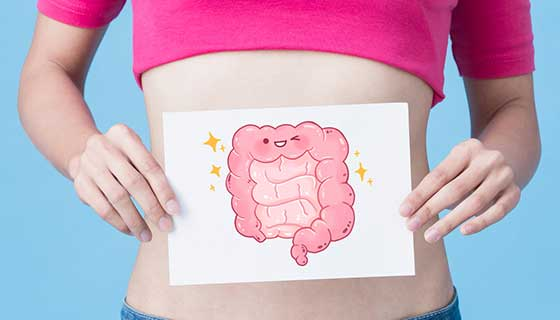
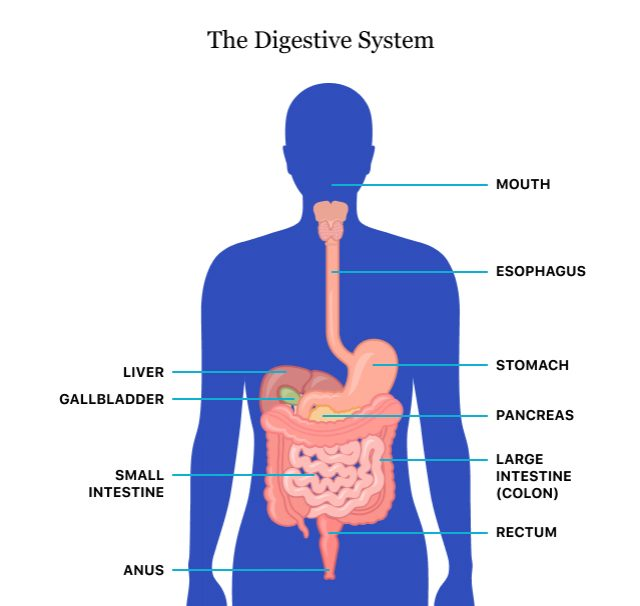
Maintaining a healthy gut is crucial for overall well-being and plays a significant role in our physical and mental health. Our gut, also known as the gastrointestinal tract, is responsible for digesting food, absorbing nutrients, and supporting a robust immune system. In this blog, we will explore the Importance of Maintaining Gut Health and Preventing Digestive Disorders.
The Gut Microbiome:
a. The gut microbiome refers to the trillions of beneficial bacteria and other microorganisms residing in our digestive system. b. A diverse and balanced gut microbiome promotes proper digestion, nutrient absorption, and protects against harmful pathogens. c. Imbalances in the gut microbiome, known as dysbiosis, can lead to digestive disorders, inflammation, and weakened immunity.
Nutrient Absorption and Digestive Health:
a. A healthy gut allows for efficient absorption of essential nutrients, vitamins, and minerals from the food we consume. b. Digestive disorders, such as irritable bowel syndrome (IBS) or inflammatory bowel disease (IBD), can impair nutrient absorption, leading to deficiencies and related health issues.
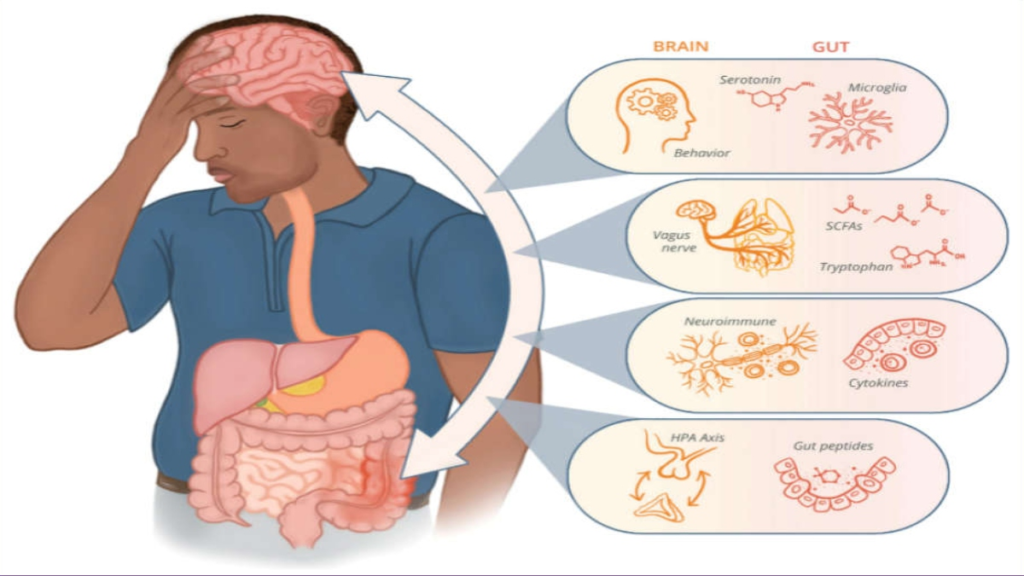
Gut-Brain Axis and Mental Health:
a. The gut-brain axis is a bidirectional communication system between the gut and the brain. b. Maintaining a healthy gut has been linked to improved mental health and emotional well-being. c. Imbalances in the gut microbiome can contribute to conditions like anxiety, depression, and stress.
Immune System Function:
a. Approximately 70% of the body’s immune system is located in the gut-associated lymphoid tissue (GALT). b. A healthy gut supports a robust immune response, helping to defend against infections and autoimmune diseases. c. Dysbiosis and compromised gut health can weaken immune function, making individuals more susceptible to illnesses.
Tips for Maintaining Gut Health and Preventing Digestive Disorders:
a. Eat a balanced diet rich in fiber, whole grains, fruits, vegetables, and fermented foods like yogurt and sauerkraut. b. Stay hydrated to support optimal digestion and bowel movements. c. Minimize the consumption of processed foods, refined sugars, and artificial additives. d. Manage stress through techniques like meditation, exercise, and adequate sleep. e. Avoid unnecessary antibiotic use and discuss alternatives with your healthcare provider. f. Consider incorporating probiotic and prebiotic-rich foods or supplements to support a healthy gut microbiome. g. Seek medical advice if experiencing persistent digestive issues or symptoms of digestive disorders.
Lifestyle Habits for Gut Health: Exercise, Sleep, and Stress Management
When it comes to maintaining a healthy gut, it’s not just about what you eat but also how you live. Lifestyle habits play a crucial role in supporting optimal gut health. In this blog, we will explore the impact of exercise, sleep, and stress management on gut health and provide practical tips to incorporate these habits into your daily routine.
The Gut-Brain Connection
a. The gut and the brain communicate through the gut-brain axis, influencing each other’s functions. b. Stress and anxiety can disrupt the balance of the gut microbiome, leading to digestive issues. c. Lifestyle habits that promote stress management can positively impact gut health.
Exercise and Gut Health
a. Regular physical activity stimulates intestinal contractions, promoting healthy digestion and bowel movements. b. Exercise helps maintain a healthy weight, reducing the risk of obesity-related gut disorders. c. Physical activity can enhance gut motility, reducing the likelihood of constipation and promoting regularity.
Aim for at least 30 minutes of moderate-intensity exercise most days of the week. Engage in activities you enjoy, such as walking, jogging, dancing, or cycling. Practice yoga or Pilates, as they can help improve digestion and reduce stress. Sleep and Gut Health: a. Sufficient, quality sleep is essential for overall health, including gut health. b. Inadequate sleep can disrupt the gut microbiome and impair digestion. c. Sleep deprivation has been linked to increased inflammation in the gut and a higher risk of gastrointestinal disorders.
Establish a consistent sleep schedule and prioritize getting 7-9 hours of quality sleep each night. Create a calming bedtime routine, such as reading a book or practicing relaxation techniques. Create a sleep-friendly environment by keeping your bedroom cool, dark, and quiet. Stress Management and Gut Health: a. Chronic stress can negatively impact gut health by altering the gut microbiota composition. b. Stress can disrupt digestion, leading to symptoms like bloating, cramping, and diarrhea. c. Implementing stress management techniques can support a healthy gut.
Practice mindfulness meditation, deep breathing exercises, or yoga to reduce stress levels. Engage in activities that bring you joy and help you unwind, such as hobbies, spending time in nature, or listening to calming music. Prioritize self-care and set boundaries to manage stress effectively.
Conclusion
Prioritizing gut health is essential for overall health and well-being. By maintaining a healthy gut, we support proper digestion, nutrient absorption, immune function, and mental well-being, importance of maintaining gut health. Implementing lifestyle modifications and adopting a gut-friendly diet can help prevent digestive disorders and promote a thriving gut microbiome. Remember to consult with a healthcare professional for personalized guidance on maintaining optimal gut health.
Meet Your Doctor
The Best Laparoscopic Surgeon in Indore
Dr. Nikunj Jain is a renowned Gastro & Minimal Access Laparoscopic Surgeon. He is a Surgical Gastroenterologist, Consultant Surgeon at Apollo Hospital, Indore having expertise in laparoscopic, Laser, and Robotic Surgery.
You can be confident that with Dr. Nikunj Jain your well-being is in the capable hands of a highly-skilled Minimally Invasive Laparoscopic & Robotic Surgeon. Dr. Nikunj Jain strives to treat his patients with an honest, straightforward, and caring nature in a safe and comfortable environment.
Dr. Nikunj Jain has been awarded Dr. B. Ramamurthi National Gold Medal by National Board of Examination.
Email your reports
drnikunjjain@gmail.com
Call Now to book Appointment
+91-97114-59697
Head Quarter Building
3rd Floor, Satya Sai Square, Vijay Nagar, Indore – MP
Inflammatory bowel disease (IBD) is a chronic condition that affects the gastrointestinal tract, causing inflammation, ulceration, and damage to the digestive system. The two main types of IBD are Crohn\’s disease and ulcerative colitis. While medication and lifestyle modifications are often the first line of treatment, surgery may be necessary for some individuals with severe or unresponsive disease. In this blog, we will explore the surgical treatment options for inflammatory bowel disease and how they can help restore health and improve quality of life.
When is Surgery Considered?
Surgery for inflammatory bowel disease is typically considered when medication and other conservative treatments fail to adequately control symptoms or complications arise. Some situations where surgery may be necessary include:
Severe and uncontrolled symptoms, such as persistent diarrhea, abdominal pain, and rectal bleeding. Intestinal obstructions or strictures that impede the passage of food. Perforations or abscesses in the bowel. Fistulas, abnormal connections between different parts of the intestine or between the intestine and other organs. Failure to respond to medication or the development of serious side effects. Dysplasia or the presence of precancerous or cancerous changes in the colon.
Types of Surgical Procedures:
a) Bowel Resection:
Bowel resection involves removing the diseased portion of the intestine and reconnecting the healthy segments. This procedure can help alleviate symptoms, manage complications, and reduce the need for medications.
b) Colectomy:
Colectomy is the surgical removal of the colon (large intestine). It may be performed in cases of severe ulcerative colitis or when dysplasia or cancer is present. Depending on the extent of the disease, a total colectomy or a partial colectomy may be performed.
c) Ileostomy and Ileal Pouch-Anal Anastomosis (IPAA):
In some cases, when the entire colon and rectum are removed, an ileostomy may be created. This involves bringing the end of the small intestine (ileum) to the surface of the abdomen to create a stoma. Waste products are then collected in a bag attached to the stoma. Alternatively, an IPAA procedure may be performed, where a pouch is created from the small intestine and attached to the anal canal, allowing for more natural bowel movements.
Benefits of Surgical Treatment:
Surgical treatment for inflammatory bowel disease offers several benefits to individuals who have not achieved adequate symptom control with medication alone:
Relief from symptoms:
Surgery can alleviate chronic abdominal pain, diarrhea, rectal bleeding, and other debilitating symptoms associated with IBD, improving overall quality of life.
Reduction in medication dependency:
Surgery may reduce or eliminate the need for long-term medication use, which can have significant side effects. Improved nutritional status: By removing strictures or obstructions, surgery can improve nutrient absorption and promote better nutrition.
Prevention of complications:
Surgical intervention can prevent or manage complications such as perforations, abscesses, and fistulas, reducing the risk of serious health complications. Potential for disease remission: In some cases, surgery can lead to long-term remission of IBD, providing a sustained period of symptom relief.
Preparing for Surgery and Recovery:
If surgical treatment is recommended, it is important to have a thorough discussion with the surgeon to understand the procedure, potential risks, and expected outcomes. Preparing for surgery may involve dietary adjustments, cessation of certain medications, and medical evaluations.
During the recovery period, the medical team will provide guidance on wound care, pain management, and resuming normal activities. It is crucial to follow the post-operative instructions and attend follow-up appointments to monitor progress and address any concerns.
Importance of a Multidisciplinary Approach:
The surgical management of inflammatory bowel disease is most effective when it involves a multidisciplinary team, including gastroenterologists, surgeons, nurses, and dietitians. This collaborative approach ensures comprehensive care, tailored treatment plans, and ongoing support for the physical and emotional well-being of individuals with IBD.
Advantages and Disadvantages of Surgical Treatment for Inflammatory Bowel Disease
Inflammatory bowel disease (IBD), including conditions like Crohn\’s disease and ulcerative colitis, can significantly impact a person\’s quality of life. While medication and lifestyle changes are often the first line of treatment, surgical intervention may be necessary for some individuals. Surgical treatment aims to alleviate symptoms, manage complications, and improve overall well-being. However, like any medical procedure, it comes with its own set of advantages and disadvantages. In this blog, we will explore both sides to help you make an informed decision about surgical treatment for inflammatory bowel disease.
Advantages of Surgical Treatment:
Symptom Relief: Surgical intervention can provide substantial relief from persistent and debilitating symptoms associated with inflammatory bowel disease. Symptoms such as abdominal pain, diarrhea, rectal bleeding, and bowel urgency can be significantly reduced or even eliminated, improving overall quality of life.
Reduction in Medication Dependency:
Surgery may lead to a decreased reliance on long-term medication use. This is particularly beneficial for individuals who have experienced undesirable side effects from medications or have not achieved adequate symptom control. By reducing the need for medication, surgery can alleviate concerns about potential side effects and long-term dependency.
Prevention and Management of Complications:
Surgical treatment can effectively address complications associated with inflammatory bowel disease, such as strictures, obstructions, perforations, abscesses, and fistulas. By removing diseased segments or repairing damaged areas, surgery helps prevent further complications and reduces the risk of serious health issues.
Improved Quality of Life:
Surgical treatment can significantly improve the overall quality of life for individuals with inflammatory bowel disease. By alleviating symptoms, reducing medication dependency, and preventing complications, surgery allows individuals to engage in daily activities, work, and social interactions with greater comfort and confidence.
Disadvantages of Surgical Treatment:
Surgical Risks:
As with any surgical procedure, there are inherent risks involved. These risks may include bleeding, infection, reaction to anesthesia, blood clots, and damage to surrounding organs or structures. It is essential to discuss these risks thoroughly with your healthcare team to understand and weigh them against the potential benefits of surgery.
Potential for Surgical Complications:
Although surgical treatment aims to improve health outcomes, there is a possibility of complications specific to the procedure. These may include leakage or blockage at the site of reconnection, pouch-related issues (in the case of ileal pouch-anal anastomosis), bowel adhesions, or the need for further surgeries. Your surgeon will provide detailed information about the specific risks associated with the proposed surgical intervention.
Recovery and Rehabilitation:
Surgery for inflammatory bowel disease requires a recovery period, during which time you may experience discomfort, pain, and temporary dietary restrictions. The recovery process may vary depending on the type of surgery performed and individual factors. It is crucial to follow post-operative instructions and attend follow-up appointments to optimize healing and rehabilitation.
Impact on Fertility and Reproductive Health:
Certain surgical procedures for inflammatory bowel disease, such as colectomy or ileostomy, may have implications for fertility and reproductive health. It is important to discuss these concerns with your healthcare team, especially if you have plans for future pregnancies.
Individual Variation in Outcomes:
It is essential to recognize that the outcomes of surgical treatment for inflammatory bowel disease can vary from person to person. Factors such as the extent of disease, overall health, and response to surgery can influence the effectiveness of the procedure and long-term outcomes.
Making an Informed Decision:
When considering surgical treatment for inflammatory bowel disease, it is crucial to have open and thorough discussions with your healthcare team. They will provide detailed information about the potential advantages, disadvantages, and risks associated with the specific surgical options available to you. By understanding the potential benefits and drawbacks, you can make an informed decision that aligns with your personal goals and priorities.
In conclusion, surgical treatment for inflammatory bowel disease offers several advantages, including symptom relief, reduced medication dependency, prevention and management of complications, and improved quality of life. However, it is important to consider the potential disadvantages, such as surgical risks, complications, recovery and rehabilitation, and potential impact on fertility and reproductive health. Engage in open and honest conversations with your healthcare team to evaluate the pros and cons and make the best decision for your individual circumstances.