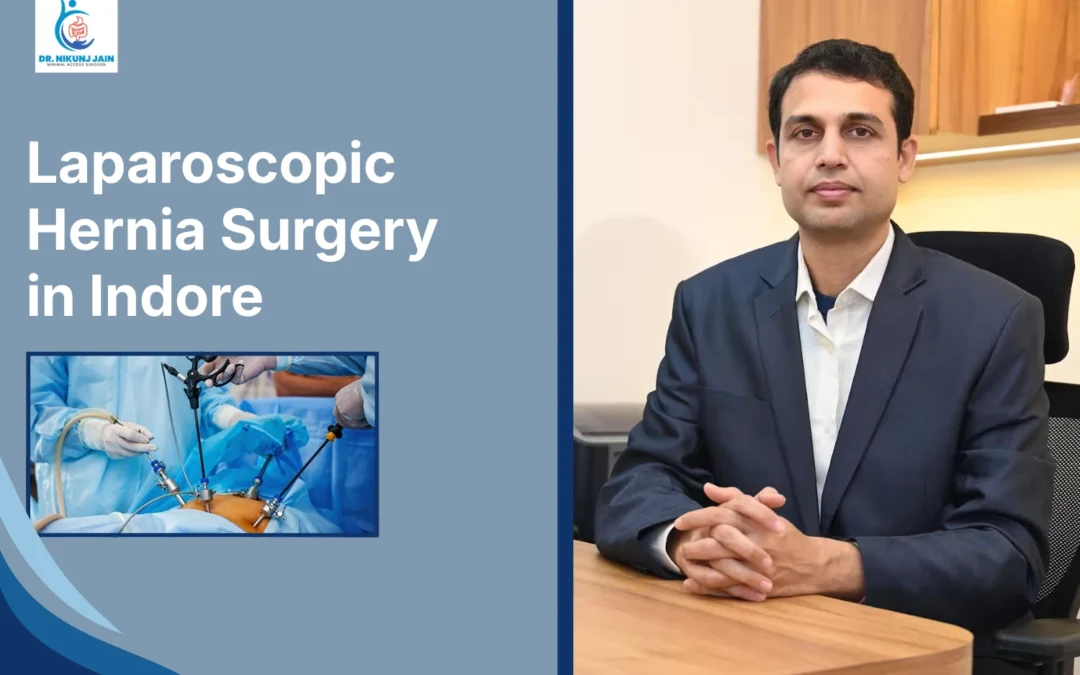
Hernias are a common medical condition that many people experience at some point in their lives. While they can occur in various parts of the body, the most common type is the abdominal hernia. In this blog post, we will delve into the main cause of hernia, exploring the anatomy, risk factors, types, and treatment options. By breaking down complex medical concepts into simple language and using examples, we aim to provide a comprehensive understanding of hernias.
Anatomy of the Abdominal Wall
To understand the main cause of a hernia, it’s crucial to have a basic understanding of the anatomy of the abdominal wall. The abdominal cavity is surrounded by muscles and connective tissues that provide support and structure to the internal organs. The abdominal wall has several layers, including the outermost layer called the external oblique muscle, the middle layer known as the internal oblique muscle, and the innermost layer called the transversus abdominis muscle.
In a healthy abdominal wall, these muscles work together to keep the internal organs, such as the intestines, in their proper places. However, certain factors can weaken these muscles, leading to the development of a hernia.
Main Cause of Hernias: Weakened Abdominal Muscles
The primary cause of a hernia is weakened abdominal muscles. When these muscles become weak or damaged, they may no longer be able to provide adequate support to the internal organs, allowing them to push through or protrude from the weakened area. This protrusion results in the formation of a hernia.
Common Causes of Weakened Abdominal Muscles:
Age: As individuals age, the muscles and tissues in the body naturally weaken. The gradual loss of muscle tone can make the abdominal wall more susceptible to hernias. This is particularly true for older adults. Example: Imagine a rubber band that becomes less elastic over time. Similarly, the abdominal muscles may lose their tightness with age, making them more prone to herniation.
Genetics: Some people may be genetically predisposed to having weaker abdominal muscles. If hernias run in the family, there is a higher likelihood that an individual may inherit a predisposition to this condition. Example: Think of it as passing down a family trait, like eye color or height. If a family has a history of hernias, it increases the chances of future generations experiencing similar issues.
Pregnancy: Pregnancy places significant stress on the abdominal muscles. As the baby grows, the expanding uterus can stretch and weaken the abdominal wall, making pregnant women more susceptible to hernias, particularly in the groin area (inguinal hernias). Example: Picture a balloon being inflated inside a small box. The pressure exerted by the balloon can weaken the box’s walls, allowing it to bulge outward. Similarly, the expanding uterus can weaken the abdominal muscles, leading to a hernia.
Obesity
Excess body weight, especially around the abdomen, can strain and weaken the abdominal muscles. The added pressure from the weight can contribute to the development of hernias. Example: Consider the analogy of a backpack. If you overload a backpack, the straps may start to stretch and weaken. Likewise, the abdominal muscles may weaken under the strain of excess weight, increasing the risk of herniation.
Chronic Coughing or Straining: Conditions that involve chronic coughing or straining, such as chronic obstructive pulmonary disease (COPD) or constipation, can exert continuous pressure on the abdominal muscles. Over time, this pressure can weaken the muscles and contribute to hernia formation. Example: Think of the abdominal muscles as a rubber band that is constantly being stretched. If there is continuous pressure, such as from persistent coughing, the rubber band may lose its elasticity, allowing a hernia to develop.
Types of Hernias
Hernias can occur in various areas of the body, each with its own characteristics and symptoms. The most common types of hernias include:
Inguinal Hernia: An inguinal hernia is the most prevalent type, occurring when a portion of the intestine protrudes through a weakened area in the groin or abdominal wall. It is more common in men than women. Example: Imagine a small bulge in the lower abdomen or groin area, similar to a lump in a water hose where water starts leaking through.
Hiatal Hernia: Hiatal hernias involve the upper part of the stomach pushing through the diaphragm into the chest cavity. This type of hernia is often associated with acid reflux and gastroesophageal reflux disease (GERD). Example: Think of the diaphragm as a barrier between the chest and abdominal cavities. A hiatal hernia is like a gap in this barrier, allowing the stomach to partially move into the chest area.
Umbilical Hernia
An umbilical hernia occurs when a part of the intestine or abdominal lining protrudes through the abdominal wall near the navel (umbilicus). This type is more common in infants but can also affect adults.
Incisional Hernia: This type of hernia occurs at the site of a previous surgical incision, where the abdominal muscles may have weakened or separated. It is more likely to develop in individuals who have undergone abdominal surgeries. Example: Consider a zipper on a backpack that starts to separate at one point. Similarly, an incisional hernia occurs when the abdominal muscles separate at the site of a previous surgical incision.
Femoral Hernia: Femoral hernias occur when tissue, often part of the intestine, protrudes through the femoral canal in the groin. This type is more common in women, especially those who are pregnant or overweight. Example: Visualize a small bulge or lump in the upper thigh or groin area, resembling a soft swelling that occurs when the abdominal contents push through the femoral canal.
Understanding the Symptoms
The symptoms of a hernia can vary depending on the type and location. However, common signs may include:
Visible Bulge: One of the most noticeable symptoms is the presence of a bulge or lump in the affected area. This bulge may become more prominent when coughing or straining. Example: Imagine a small, soft mound appearing in the groin or abdominal region, similar to a protruding section in a balloon.
Pain or Discomfort: Hernias can cause pain or discomfort, particularly when lifting heavy objects, coughing, or standing for extended periods. Example: Think of the discomfort as a persistent ache or pressure, comparable to the sensation of an overstretched rubber band.
Tenderness: The area around the hernia may become tender or sore to the touch. Example: Picture the tenderness as a sensitivity in the affected region, akin to the soreness experienced in a bruised area.
Burning or Gurgling Sensation: Hiatal hernias, in particular, may cause symptoms such as heartburn, a burning sensation in the chest, or a gurgling sound in the throat. Example: Consider the burning sensation as similar to heartburn after a spicy meal, and the gurgling sound is reminiscent of water flowing through a pipe.
Difficulty Swallowing: Hiatal hernias can lead to difficulty swallowing or a feeling of food getting stuck in the chest. Example: Think of the difficulty swallowing as similar to trying to swallow a large pill without enough water, resulting in a sensation of obstruction.
Diagnosis and Treatment Options
If an individual experiences symptoms indicative of a hernia, it is crucial to seek medical attention for a proper diagnosis. A healthcare professional, typically a general practitioner or a surgeon, will perform a physical examination and may order imaging tests, such as an ultrasound or CT scan, to confirm the presence of a hernia.
Treatment options may include:
Watchful Waiting: In some cases, especially with small hernias that are not causing significant symptoms, a “watchful waiting” approach may be recommended. Regular monitoring and lifestyle modifications, such as avoiding heavy lifting and managing constipation, may be sufficient. Example: Think of watchful waiting as keeping an eye on a small crack in a wall. If the crack doesn’t worsen over time, it may not require immediate action.
Hernia Trusses or Belts: For certain types of hernias, supportive devices like hernia trusses or belts may be suggested to help keep the protruding tissue in place. Example: Consider a hernia truss as a temporary support, similar to using crutches while recovering from a leg injury. It helps alleviate strain on the weakened area.
Lifestyle Modifications: Adopting lifestyle changes, such as maintaining a healthy weight, avoiding heavy lifting, and managing conditions like chronic cough or constipation, can help prevent the worsening of a hernia. Example: Think of lifestyle modifications as reinforcing the foundation of a building to prevent further damage. Strengthening the abdominal muscles through lifestyle changes can support the weakened area.
Surgical Repair: Surgical techniques may include open surgery or minimally invasive procedures like laparoscopy. Example: Picture a construction crew repairing a hole in a wall by patching it up. Similarly, surgical repair involves closing the gap in the abdominal wall to prevent the hernia from recurring.
Conclusion
Understanding the anatomy of the abdominal wall and recognizing the symptoms associated with different types of hernias is crucial for prompt diagnosis and appropriate treatment.
The choice of treatment depends on factors such as the type and severity of the hernia, as well as the individual’s overall health.
By demystifying the complex medical concepts surrounding hernias and providing relatable examples, we hope to empower individuals to take proactive steps in managing their health. If you suspect you have a hernia or are experiencing symptoms, it is essential to consult with a healthcare professional for a thorough evaluation and personalized treatment plan. Remember, early detection and intervention can lead to better outcomes and an improved quality of life.
Meet Your Doctor
The Best Laparoscopic Surgeon in Indore
Dr. Nikunj Jain is a renowned Gastro & Minimal Access Laparoscopic Surgeon.
He is a Surgical Gastroenterologist, Consultant Surgeon at Apollo Hospital, Indore having expertise in laparoscopic, Laser, and Robotic Surgery.
You can be confident that with Dr. Nikunj Jain your well-being is in the capable hands of a highly-skilled Minimally Invasive Laparoscopic & Robotic Surgeon. Dr. Nikunj Jain strives to treat his patients with an honest, straightforward, and caring nature in a safe and comfortable environment.
Dr. Nikunj Jain has been awarded Dr. B. Ramamurthi National Gold Medal by National Board of Examination.
drnikunjjain@gmail.com
Email your reports
+91-97114-59697
Call Now to book Appointment
Head Quarter Building
3rd Floor, Satya Sai Square, Vijay Nagar, Indore – MP
Gallbladder stones, also known as gallstones, are a common medical condition that can affect anyone, regardless of age or gender. While these stones are prevalent, many people wonder about the seriousness of gallbladder stones and the potential impact on their health. In this comprehensive guide, we will delve into the details of gallbladder stone, exploring their causes, symptoms, complications, and treatment options to provide you with a thorough understanding of this condition.
What are Gallbladder Stones?
The gallbladder is a small organ located beneath the liver, and its primary function is to store and concentrate bile produced by the liver. Bile plays a crucial role in the digestion and absorption of fats. Gallbladder stones are hard particles that form in the gallbladder due to an imbalance in the substances that make up bile. These stones can range in size from small, sand-like grains to larger, golf ball-sized formations.
Causes of Gallbladder Stones
Understanding the causes of gallbladder stones is essential for grasping the seriousness of the condition. Several factors contribute to the formation of gallstones, including:
Excess Cholesterol: High levels of cholesterol in the bile can lead to the formation of cholesterol stones, the most common type of gallbladder stones.
Bilirubin Imbalance: An imbalance in the substances that make up bile, such as bilirubin, can result in the formation of pigment stones.
Impaired Gallbladder Emptying: Conditions that interfere with the regular emptying of the gallbladder, such as pregnancy or certain diseases, can contribute to stone formation.
Obesity and Rapid Weight Loss: Obesity and sudden weight loss can increase the risk of gallstones.
Genetic Predisposition: A family history of gallstones may increase an individual’s susceptibility to developing them.
Symptoms of Gallbladder Stones
Gallbladder stones often remain asymptomatic, meaning individuals may be unaware of their presence. However, when symptoms do occur, they can be quite uncomfortable. Common symptoms include:
Pain: Intense abdominal pain, typically in the upper right portion, is a hallmark symptom of gallbladder stones. This pain may radiate to the back or right shoulder.
Nausea and Vomiting: The presence of gallstones can lead to nausea and vomiting, particularly after consuming fatty foods.
Indigestion: Gallstones can disrupt the normal digestive process, causing indigestion and discomfort.
Changes in Stool Color: The passage of pale-colored stools may indicate a blockage in the bile duct due to gallstones.
Jaundice: In severe cases, gallstones can lead to jaundice, characterized by yellowing of the skin and eyes.
Complications of Gallbladder Stones
While gallbladder stones may start as a seemingly harmless condition, they can lead to serious complications if left untreated. Some potential complications include:
Gallbladder Inflammation (Cholecystitis): Gallstones can cause inflammation of the gallbladder, leading to severe pain and infection.
Pancreatitis: In some cases, gallstones can block the pancreatic duct, resulting in inflammation of the pancreas.
Gallbladder Cancer: Although rare, long-standing gallstones may increase the risk of developing gallbladder cancer.
Gallstone Ileus: Gallstones can sometimes migrate to the small intestine, causing a blockage known as gallstone ileus.
Diagnosing Gallbladder Stones
If you experience symptoms suggestive of gallbladder stones, your healthcare provider may recommend several diagnostic tests, including:
Ultrasound: This imaging test is often the first line of investigation for gallbladder stones.
Blood Tests: Blood tests can help assess liver function and detect signs of inflammation.
CT Scan: A computed tomography (CT) scan may be performed to obtain detailed images of the gallbladder and surrounding structures.
HIDA Scan: A hepatobiliary iminodiacetic acid (HIDA) scan can evaluate the gallbladder’s ability to empty.
Treatment Options for Gallbladder Stones
The seriousness of gallbladder stones often determines the appropriate course of treatment. Common treatment options include:
Watchful Waiting: Asymptomatic gallstones may not require immediate intervention, and a “watch and wait” approach may be adopted.
Medications: Certain medications, such as ursodiol, may be prescribed to dissolve cholesterol stones.
Laparoscopic Cholecystectomy: The most common and effective treatment for symptomatic gallstones involves the surgical removal of the gallbladder.
Endoscopic Retrograde Cholangiopancreatography (ERCP): ERCP may be used to remove stones from the bile duct using a combination of endoscopy and X-rays.
Extracorporeal Shock Wave Lithotripsy (ESWL): ESWL uses shock waves to break gallstones into smaller fragments that can be passed naturally.
Preventing Gallbladder Stones
Taking steps to prevent the formation of gallbladder stones is essential for maintaining good health. Strategies for prevention include:
Maintaining a Healthy Diet: A diet low in saturated fats and cholesterol can reduce the risk of gallstones.
Gradual Weight Loss: Avoid rapid weight loss, as this can increase the likelihood of gallstone formation.
Regular Exercise: Engaging in regular physical activity can help maintain a healthy weight and reduce the risk of gallstones.
Hydration: Staying well-hydrated is crucial for preventing the concentration of bile and the formation of stones.
Conclusion
In conclusion, gallbladder stones are a common medical condition that can have varying degrees of seriousness. While some individuals may remain asymptomatic, others may experience significant pain and complications. Understanding the causes, symptoms, and potential complications of gallbladder stones is crucial for making informed decisions about treatment and prevention. If you suspect you have gallstones or are experiencing symptoms, it is important to consult with a healthcare professional for a thorough evaluation and personalized care plan. Taking proactive steps to maintain a healthy lifestyle can contribute to gallbladder health and overall well-being.
Meet Your Doctor
The Best Laparoscopic Surgeon in Indore
Dr. Nikunj Jain is a renowned Gastro & Minimal Access Laparoscopic Surgeon.
He is a Surgical Gastroenterologist, Consultant Surgeon at Apollo Hospital, Indore having expertise in laparoscopic, Laser, and Robotic Surgery.
You can be confident that with Dr. Nikunj Jain your well-being is in the capable hands of a highly-skilled Minimally Invasive Laparoscopic & Robotic Surgeon. Dr. Nikunj Jain strives to treat his patients with an honest, straightforward, and caring nature in a safe and comfortable environment.
Dr. Nikunj Jain has been awarded Dr. B. Ramamurthi National Gold Medal by National Board of Examination.
drnikunjjain@gmail.com
Email your reports
+91-97114-59697
Call Now to book Appointment
Head Quarter Building
3rd Floor, Satya Sai Square, Vijay Nagar, Indore – MP
Anorectal issues, though often considered taboo, are prevalent and can significantly impact one’s quality of life. Two common conditions that affect the anal region are fissures and fistulas. In this comprehensive guide, we will delve into the causes, symptoms, and treatment options for fissures and fistulas, aiming to provide a clear understanding of these often misunderstood conditions.
Fissures
Definition and Types
An anal fissure is a small tear or cut in the lining of the anus, typically caused by trauma or injury during bowel movements. Fissures can be categorized into two types:
Acute Fissures: These are sudden tears in the anal lining, usually caused by trauma such as passing a large or hard stool.
Chronic Fissures: If an acute fissure doesn’t heal properly, it may become chronic. Chronic fissures can persist for an extended period, causing ongoing discomfort.
Causes
Several factors contribute to the development of anal fissures:
Constipation: Straining during bowel movements due to constipation can lead to the formation of fissures.
Diarrhea: Persistent diarrhea can irritate and damage the anal lining, increasing the risk of fissures.
Childbirth: In women, the strain during childbirth can result in anal fissures.
Anal Sex: Engaging in anal intercourse without proper lubrication and relaxation can cause trauma and fissures.
Symptoms
Identifying the symptoms of anal fissures is crucial for early diagnosis and effective treatment:
Pain during Bowel Movements: One of the primary symptoms is intense pain and burning sensation while passing stools.
Blood in Stool: Bright red blood on the toilet paper or in the toilet bowl may indicate a fissure.
Itching and Irritation: The anal region may become itchy and irritated.
Muscle Spasms: Some individuals experience spasms in the anal sphincter muscles.
Diagnosis
To diagnose anal fissures, healthcare professionals may perform a physical examination and consider the patient’s medical history. In some cases, additional tests like an anoscopy or sigmoidoscopy may be recommended.
Treatment
Dietary Changes: Increasing fiber intake and staying hydrated can help soften stools, making them easier to pass.
Topical Medications: Applying topical ointments or creams containing nitroglycerin or calcium channel blockers can help relax the anal sphincter and promote healing.
Sitz Baths: Soaking in warm water baths, known as sitz baths, can provide relief and promote healing.
Botox Injections: In cases where other treatments fail, injecting Botox into the anal sphincter can help relax the muscles and promote healing.
Surgical Intervention: For chronic or severe fissures, surgical options like lateral internal sphincterotomy may be considered.
Fistulas
Definition and Types
An anal fistula is an abnormal tunnel-like connection that forms between the anal canal and the skin near the anus. Fistulas typically develop as a result of an untreated or recurring abscess, which is a collection of pus.
Intersphincteric Fistula: The tunnel stays within the muscles around the anal sphincter.
Transsphincteric Fistula: The tunnel extends through the anal sphincter muscles.
Suprasphincteric Fistula: The tunnel extends above the anal sphincter muscles.
Extrasphincteric Fistula: The tunnel extends outside the anal sphincter muscles.
Causes
Anal fistulas are often associated with the following factors:
Anal Abscess: An untreated abscess can lead to the formation of a fistula.
Inflammatory Bowel Disease (IBD): Conditions like Crohn’s disease or ulcerative colitis increase the risk of developing fistulas.
Infection: Infections in the anal glands can contribute to the development of fistulas.
Symptoms
Recognizing the symptoms of anal fistulas is crucial for seeking timely medical attention:
Persistent Anal Discharge: Pus or fluid draining from an opening near the anus is a common symptom.
Pain and Swelling: Discomfort, pain, and swelling around the anus may be present.
Recurrent Abscesses: Individuals with anal fistulas may experience repeated abscesses.
Fever: In some cases, fever may accompany the symptoms, indicating infection.
Diagnosis
Healthcare professionals diagnose anal fistulas through a combination of physical examination, medical history review, and imaging studies such as MRI or fistulography.
Treatment
Fistulotomy: This surgical procedure involves cutting open the fistula to allow for drainage and healing.
Seton Placement: A seton, a piece of thread or rubber, may be placed through the fistula tract to facilitate drainage.
Fistula Plug: A fistula plug, typically made of biocompatible materials, may be used to seal the fistula tract.
Advancement Flap Repair
Fibrin Glue Injection
Conclusion
In conclusion, understanding anal fissures and fistulas is essential for recognizing symptoms, seeking timely medical attention, and exploring appropriate treatment options. If you suspect you may be experiencing symptoms of an anal fissure or fistula, it is crucial to consult with a healthcare professional for a proper diagnosis and personalized treatment plan. Remember, early intervention is key to managing these conditions and improving your overall quality of life.
Meet Your Doctor
The Best Laparoscopic Surgeon in Indore
Dr. Nikunj Jain is a renowned Gastro & Minimal Access Laparoscopic Surgeon.
He is a Surgical Gastroenterologist, Consultant Surgeon at Apollo Hospital, Indore having expertise in laparoscopic, Laser, and Robotic Surgery.
You can be confident that with Dr. Nikunj Jain your well-being is in the capable hands of a highly-skilled Minimally Invasive Laparoscopic & RoboticSurgeon. Dr. Nikunj Jain strives to treat his patients with an honest, straightforward, and caring nature in a safe and comfortable environment.
Dr. Nikunj Jain has been awarded Dr. B. Ramamurthi National Gold Medal by National Board of Examination.
drnikunjjain@gmail.com
+91-97114-59697
Call Now to book Appointment
Head Quarter Building
3rd Floor, Satya Sai Square, Vijay Nagar, Indore – MP
Piles, also known as hemorrhoids, are a common but often misunderstood medical condition that affects a significant number of people worldwide. Despite its prevalence, many individuals find it uncomfortable to discuss, leading to a lack of awareness about the causes, symptoms, and treatment options. This comprehensive guide aims to shed light on it in simple language, providing a detailed exploration of the condition to help individuals better understand and manage it.
What Are Piles?
Piles are swollen and inflamed blood vessels in the rectum and anus that result in discomfort, bleeding, and pain. These enlarged blood vessels can be internal, located inside the rectum, or external, forming under the skin around the anal opening. It can vary in size and severity, ranging from small, mildly irritating swellings to larger, more painful lumps.
Types of Piles
Understanding the different types of piles is crucial for proper diagnosis and treatment. There are two main types:
Internal Piles
Internal piles develop within the rectum and are not visible externally. They are further classified into four stages based on severity:
First-degree piles: Small swellings that bleed but do not protrude from the anus.
Second-degree piles: Larger lumps that may protrude during a bowel movement but retract on their own.
Third-degree piles: Piles that protrude and need to be pushed back in by a doctor or the individual.
Fourth-degree piles: Piles that consistently protrude and cannot be pushed back in, often requiring medical intervention.
External Piles
External piles form under the skin around the anal opening and can be felt or seen. They may cause pain, itching, and discomfort, especially during bowel movements.
Causes of Piles
Several factors contribute to the development of it, and understanding these causes is crucial for prevention and effective management:
Straining During Bowel Movements
One of the primary causes of piles is excessive straining during bowel movements. This strain puts pressure on the blood vessels in the rectum and anus, leading to inflammation and swelling.
Chronic Constipation or Diarrhea
Irregular bowel habits, such as chronic constipation or diarrhea, can contribute to the development of piles. Straining to pass hard stools or dealing with frequent loose stools can both strain the blood vessels in the anal region.
Pregnancy and Childbirth
Pregnancy and childbirth are common factors contributing to the development of piles. The increased pressure on the pelvic area and hormonal changes during pregnancy can lead to swollen blood vessels.
Obesity
Being overweight or obese can put additional pressure on the rectum and anus, increasing the risk of developing piles.
Sedentary Lifestyle
A lack of physical activity and prolonged periods of sitting or standing can contribute to the development of piles. Regular exercise helps promote healthy bowel movements and reduces the risk of constipation.
Symptoms of Piles
Recognizing the symptoms of piles is crucial for early diagnosis and effective management. Common symptoms include:
Rectal Bleeding
The most common symptom of piles is rectal bleeding, often noticed as bright red blood on toilet paper or in the toilet bowl after a bowel movement.
Itching and Discomfort
Piles can cause itching and discomfort around the anal area, leading to irritation and a constant urge to scratch.
Pain and Discomfort During Bowel Movements
Individuals with piles may experience pain and discomfort during bowel movements, especially when passing hard stools.
Swelling and Lumps
In the case of external piles, visible swelling and lumps around the anal opening may be present.
Diagnosis of Piles
If you suspect you have piles or experience any of the associated symptoms, it is crucial to seek medical advice for a proper diagnosis. Healthcare professionals use various methods to diagnose piles, including:
Physical Examination
A healthcare provider will conduct a physical examination of the anal area to check for external lumps, swelling, or signs of bleeding.
Digital Rectal Examination (DRE)
In some cases, a digital rectal examination may be performed to assess the presence and severity of internal piles. This involves the insertion of a gloved, lubricated finger into the rectum.
Proctoscopy or Sigmoidoscopy
These procedures involve the use of a thin, flexible tube with a camera (proctoscope or sigmoidoscope) to examine the rectum and lower part of the colon for signs of piles or other abnormalities.
Treatment Options for Piles
The treatment of it varies depending on the severity and type of the condition. Mild cases can often be managed with lifestyle and dietary changes, while more severe cases may require medical intervention. Common treatment options include:
Lifestyle and Dietary Changes
High-Fiber Diet: Increasing fiber intake through fruits, vegetables, whole grains, and legumes can help soften stools and promote regular bowel movements, reducing the risk of straining.
Hydration: Staying adequately hydrated is essential for maintaining soft stools and preventing constipation.
Regular Exercise: Engaging in regular physical activity helps promote healthy bowel movements and reduces the risk of developing it.
Medications
Over-the-Counter (OTC) Creams and Ointments: Topical creams containing ingredients such as hydrocortisone can help reduce itching and inflammation.
Pain Relievers: Over-the-counter pain relievers, such as acetaminophen or ibuprofen, can provide relief from pain associated with piles.
Stool Softeners: These medications can help soften stools, making them easier to pass and reducing the strain on the blood vessels in the anal region.
Procedures and Interventions
Rubber Band Ligation: This procedure involves placing a small rubber band around the base of an internal pile, cutting off its blood supply, and causing it to shrink and fall off.
Sclerotherapy: A solution is injected into the blood vessels of internal piles, causing them to shrink.
Infrared Coagulation: Infrared light is used to coagulate the blood vessels of internal piles, reducing their size.
Hemorrhoidectomy: In severe cases, surgical removal of it may be necessary. This procedure is typically reserved for cases that do not respond to other treatment options.
Home Remedies for Piles
In addition to medical interventions, several home remedies can help alleviate symptoms and promote the healing of piles:
Warm Sitz Baths
Soaking the anal area in warm water for 10-15 minutes, known as a sitz bath, can provide relief from itching, discomfort, and inflammation.
Witch Hazel
Applying witch hazel to the affected area can help reduce swelling and provide relief from itching.
Aloe Vera
Aloe vera gel, known for its soothing properties, can be applied topically to reduce inflammation and discomfort.
Cold Compress
Applying a cold compress or ice pack to the affected area can help reduce swelling and numb pain.
Prevention of Piles
While some factors contributing to it, such as pregnancy, may be unavoidable, several lifestyle changes can help prevent the development or recurrence of piles:
Maintain a High-Fiber Diet
Eating a diet rich in fiber helps promote regular bowel movements and prevents constipation.
Stay Hydrated
Adequate hydration is crucial for maintaining soft stools and preventing constipation.
Exercise Regularly
Engaging in regular physical activity promotes healthy bowel movements and reduces the risk of developing piles.
Avoid Straining During Bowel Movements
Taking time during bowel movements, avoiding excessive straining, and not delaying the urge to pass stools can prevent the development.
Manage Weight
Maintaining a healthy weight reduces the pressure on the rectum and anus, decreasing the risk of developing it.
Conclusion
By understanding the causes, symptoms, and treatment options, individuals can take proactive steps to manage and prevent it. Seeking medical advice for a proper diagnosis and discussing symptoms openly with healthcare professionals are crucial steps in effectively addressing this condition. With a combination of lifestyle changes, home remedies, and medical interventions, individuals can alleviate symptoms and improve their overall quality of life. Remember, early detection and intervention play a key role in successful pile management, so don’t hesitate to consult with a healthcare professional if you suspect you may be experiencing this condition.
Meet Your Doctor
The Best Laparoscopic Surgeon in Indore
Dr. Nikunj Jain is a renowned Gastro & Minimal Access Laparoscopic Surgeon.
He is a Surgical Gastroenterologist, Consultant Surgeon at Apollo Hospital, Indore having expertise in laparoscopic, Laser, and Robotic Surgery.
You can be confident that with Dr. Nikunj Jain your well-being is in the capable hands of a highly-skilled Minimally Invasive Laparoscopic & RoboticSurgeon. Dr. Nikunj Jain strives to treat his patients with an honest, straightforward, and caring nature in a safe and comfortable environment.
Dr. Nikunj Jain has been awarded Dr. B. Ramamurthi National Gold Medal by National Board of Examination.
drnikunjjain@gmail.com
Email your reports
+91-97114-59697
Call Now to book Appointment
Head Quarter Building
3rd Floor, Satya Sai Square, Vijay Nagar, Indore – MP
Hernia is a common medical condition that affects people of all ages and backgrounds. While it might not always be a topic of everyday conversation, understanding what hernia is, its causes, symptoms, diagnosis, and treatment options is crucial for anyone looking to maintain their overall health. In this comprehensive guide, we will explore hernia in simple language, breaking down complex medical terms and concepts to provide you with a clear understanding of this condition.
What is Hernia?
Definition A hernia occurs when an organ or tissue protrudes through a weak spot in the surrounding muscle or connective tissue. This can lead to a noticeable bulge or lump, often accompanied by discomfort or pain.
Types of Hernias There are several types of hernias, each classified based on its location. Common types include inguinal hernias (found in the groin), femoral hernias, umbilical hernias (around the belly button), and hiatal hernias (occurring in the upper stomach).
Causes of Hernia
Weak Muscles The most common cause of hernias is weak muscles. Muscles usually hold organs and tissues in place, but when they become weak or strained, they can’t provide adequate support, leading to a hernia.
Congenital Factors Some people are born with a predisposition to hernias due to a congenital weakness in their abdominal wall.
Strain and Pressure Activities that involve heavy lifting, persistent coughing, or straining during bowel movements can increase abdominal pressure, contributing to hernia development.
Symptoms of Hernia
Visible Bulge One of the primary symptoms of hernia is a noticeable bulge or lump at the site of the protrusion.
Discomfort and Pain Hernias can cause varying degrees of discomfort or pain, ranging from a dull ache to sharp, intense pain.
Changes in Bowel Habits In some cases, hernias can lead to changes in bowel habits, such as constipation or difficulty passing stools.
Diagnosing Hernia
Physical Examination Doctors often start with a physical examination, feeling for bulges and assessing the patient’s symptoms.
Imaging Tests In some cases, imaging tests such as ultrasound, CT scans, or MRI may be used to get a clearer picture of the hernia and its surrounding structures.
Treatment Options
Watchful Waiting For small, asymptomatic hernias, a “watchful waiting” approach may be recommended, where the patient’s condition is monitored regularly.
Lifestyle Changes Making certain lifestyle changes, such as avoiding heavy lifting and maintaining a healthy weight, can help manage hernias and prevent them from worsening.
Medications In some cases, medications may be prescribed to manage symptoms such as pain or discomfort associated with hernias.
Surgical Intervention For larger or symptomatic hernias, surgery may be necessary to repair the weakened muscle and return the protruding organ or tissue to its proper place.
Recovery and Postoperative Care
Postoperative Care Recovery from hernia surgery involves a period of rest, limited physical activity, and adherence to postoperative care instructions provided by the surgeon.
Potential Complications While hernia surgery is generally safe, like any surgical procedure, there are potential complications. It’s essential for patients to be aware of these risks and follow their doctor’s advice for a smooth recovery.
Conclusion
In conclusion, hernias are common medical conditions that can affect individuals of all ages. Understanding the causes, symptoms, diagnosis, and treatment options is vital for early detection and effective management. Whether through lifestyle changes, medications, or surgical intervention, there are various approaches to address hernias and help individuals lead healthy, comfortable lives. If you suspect you have a hernia or are experiencing symptoms, it’s crucial to consult with a healthcare professional for an accurate diagnosis and appropriate treatment plan. Remember, early intervention can make a significant difference in the outcome and overall well-being of individuals with hernias.
Meet Your Doctor
The Best Laparoscopic Surgeon in Indore
Dr. Nikunj Jain is a renowned Gastro & Minimal Access Laparoscopic Surgeon.
He is a Surgical Gastroenterologist, Consultant Surgeon at Apollo Hospital, Indore having expertise in laparoscopic, Laser, and Robotic Surgery.
You can be confident that with Dr. Nikunj Jain your well-being is in the capable hands of a highly-skilled Minimally Invasive Laparoscopic & RoboticSurgeon. Dr. Nikunj Jain strives to treat his patients with an honest, straightforward, and caring nature in a safe and comfortable environment.
Dr. Nikunj Jain has been awarded Dr. B. Ramamurthi National Gold Medal by National Board of Examination.
drnikunjjain@gmail.com
Email your reports
+91-97114-59697
Call Now to book Appointment
Head Quarter Building
3rd Floor, Satya Sai Square, Vijay Nagar, Indore – MP