How can I get rid of a fissure? can be a challenging and often painful journey, but understanding the causes, treatments, and preventive measures can significantly ease the process. Anal fissures are small tears in the lining of the anus, typically caused by trauma during bowel movements, constipation, or prolonged diarrhea. While they can be incredibly uncomfortable, with the right approach, they can heal relatively quickly.
Understanding Anal Fissures
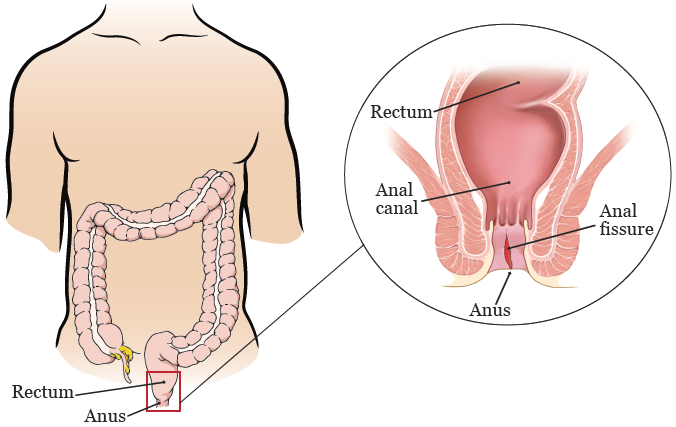
Definition of Anal Fissures: Anal fissures are small tears or cuts in the lining of the anus, resulting in severe pain and bleeding during and after bowel movements. These fissures can be acute, lasting a few weeks, or chronic, persisting for months and often requiring medical intervention.
Causes of Anal Fissures
Anal fissures, while often uncomfortable and distressing, are typically the result of various factors that lead to trauma or irritation of the anal canal. Understanding these causes is crucial for both prevention and effective treatment. Below, we delve into the primary causes of anal fissures, shedding light on how they develop and what triggers them.
Constipation and Hard Stools
One of the most common causes of anal fissures is constipation, which leads to the passage of hard and dry stools. When stool is hard, it requires more force to pass, causing strain and potential tearing of the delicate tissue lining the anus. This tearing results in a fissure. Individuals who frequently experience constipation are at higher risk of developing chronic fissures due to repeated trauma.
Chronic Diarrhea
While constipation is a well-known culprit, chronic diarrhea can also lead to anal fissures. Frequent loose stools can irritate and inflame the anal lining, making it more susceptible to tears. The constant passing of stool, especially if it is acidic or contains bile, can wear down the skin, creating fissures.
Childbirth
Childbirth is another significant cause of anal fissures, particularly in women who deliver vaginally. The immense pressure exerted on the pelvic area during labor can lead to the tearing of the anal lining. This type of trauma is not uncommon and can result in either acute or chronic fissures, depending on the severity and healing process.
Anal Intercourse
Anal intercourse can cause trauma to the anal canal, leading to fissures. Without adequate lubrication and care, the friction can tear the sensitive tissue, resulting in pain and bleeding. It’s important to use proper lubrication and go slowly to minimize the risk of fissures during anal intercourse.
Underlying Medical Conditions
Certain medical conditions predispose individuals to anal fissures. These include:
Inflammatory Bowel Diseases (IBD): Conditions such as Crohn’s disease and ulcerative colitis cause chronic inflammation of the gastrointestinal tract, which can lead to fissures.
Irritable Bowel Syndrome (IBS): This condition can cause alternating bouts of diarrhea and constipation, both of which can contribute to the development of fissures.
Other Conditions: Conditions like HIV, tuberculosis, and syphilis can also lead to fissures, although these are less common causes.
Poor Bowel Habits
Improper bowel habits, such as straining during bowel movements, can lead to the development of anal fissures. Straining increases pressure on the anal canal, causing tears. Additionally, ignoring the urge to defecate and delaying bowel movements can lead to harder stools, increasing the risk of fissures.
Dietary Factors
A diet low in fiber can contribute to the formation of anal fissures. Fiber is essential for softening stool and promoting regular bowel movements. Without sufficient fiber, stools can become hard and difficult to pass, leading to constipation and subsequent fissures. Dehydration also plays a role, as it can result in harder stools.
Injury and Trauma
Direct injury or trauma to the anal area can cause fissures. This can occur due to:
Accidents: Falls or other accidents that impact the anal region.
Medical Procedures: Invasive procedures such as colonoscopies, if not performed carefully, can sometimes lead to fissures.
Foreign Objects: Insertion of foreign objects into the anal canal, whether accidentally or intentionally, can cause tears.
Spasm of the Anal Sphincter
The internal anal sphincter muscle plays a crucial role in maintaining continence but can also contribute to fissures. Spasms or excessive tightness of this muscle can cause increased pressure on the anal canal, making it more susceptible to tearing. This condition is often observed in patients with chronic fissures, creating a cycle of pain and muscle spasm.
Infections
Infections in the anal region can weaken the tissue and make it more prone to tearing. These infections can be bacterial, viral, or fungal and may cause inflammation and ulceration, leading to fissures.
Aging
As people age, the skin and tissues around the anus can become less elastic and more fragile. This reduced elasticity makes older adults more susceptible to developing fissures, particularly when combined with other factors such as constipation or poor diet.
Sexual Abuse
In cases of sexual abuse, forced or non-consensual anal intercourse can lead to severe trauma and fissures. This is a sensitive issue and requires compassionate medical and psychological support for the affected individuals.
Congenital Conditions
Rarely, some individuals may have congenital abnormalities that make them more prone to fissures. These conditions can affect the structure or function of the anal canal, leading to a higher likelihood of developing fissures over time.
Understanding the causes of anal fissures is essential for effective prevention and treatment. By addressing these underlying factors, individuals can reduce their risk of developing fissures and improve their overall anal health. Adopting a high-fiber diet, staying hydrated, maintaining healthy bowel habits, and seeking medical advice for underlying conditions are crucial steps in managing and preventing anal fissures.
Symptoms and Diagnosis
Anal fissures, small tears in the lining of the anus, can cause significant discomfort and distress. Recognizing the symptoms and understanding the diagnostic process are crucial steps in managing and treating this condition effectively. Below, we explore the common symptoms and the detailed diagnostic procedures used to identify anal fissures.
Symptoms of Anal Fissures
Sharp Pain During Bowel Movements: One of the most prominent symptoms of an anal fissure is sharp, severe pain during bowel movements. This pain is often described as a burning or tearing sensation and can be so intense that individuals may dread or avoid having bowel movements, which can exacerbate the problem.
Bleeding: Anal fissures typically cause bleeding, which is most noticeable on the surface of the stool or on toilet paper after wiping. The blood is usually bright red, indicating it is fresh and coming from the anal area rather than higher up in the digestive tract.
Visible Tear: In some cases, a fissure can be seen upon visual inspection. It may appear as a small tear or crack in the skin around the anus. This is more apparent in acute fissures and can sometimes be identified by gently parting the buttocks.
Itching and Irritation: The area around the fissure can become irritated and itchy. This itching is often due to the skin’s healing process and can be exacerbated by moisture, fecal matter, or sweat.
Discomfort or Spasms: Many individuals with anal fissures experience discomfort or spasms of the internal anal sphincter muscle. These spasms can occur during bowel movements and persist afterward, causing prolonged pain and discomfort.
Chronic Symptoms: For those with chronic anal fissures, symptoms can persist for weeks or months. Chronic fissures often have a cycle of healing and re-tearing, leading to ongoing pain and frustration. The pain may decrease temporarily only to flare up again with subsequent bowel movements.
Diagnosis of Anal Fissures
Medical History and Symptom Review: The diagnostic process begins with a thorough review of the patient’s medical history and symptoms. The healthcare provider will ask detailed questions about the nature, duration, and severity of the pain, as well as any associated symptoms such as bleeding or itching. They will also inquire about bowel habits, diet, and any previous episodes of similar symptoms.
Physical Examination: A physical examination is crucial for diagnosing anal fissures. During this examination, the healthcare provider will gently inspect the anal area for visible signs of a fissure. The patient may be asked to lie on their side with their knees drawn up to their chest or in a prone position to facilitate a better view.
Anoscopy: Anoscopy is a procedure in which a small, tubular instrument called an anoscope is inserted into the anus to provide a clear view of the anal canal. This allows the healthcare provider to inspect the anal lining more thoroughly and identify any tears or abnormalities. Anoscopy is particularly useful for detecting fissures that are not visible externally.
Digital Rectal Examination: A digital rectal examination (DRE) may also be performed. During this procedure, the healthcare provider inserts a lubricated, gloved finger into the rectum to feel for abnormalities, such as tears, lumps, or unusual tightness of the sphincter muscle. This examination can help determine the extent of the fissure and whether there are any other underlying issues.
Endoscopy: In some cases, especially if the diagnosis is uncertain or if there are additional symptoms suggesting more complex issues, an endoscopy may be recommended. This involves the use of a flexible tube with a camera (sigmoidoscope or colonoscope) to examine the lower digestive tract. This can help rule out other conditions such as Crohn’s disease or colorectal cancer.
Biopsy: If there are atypical findings or if the fissure does not heal with standard treatments, a biopsy may be performed. A small sample of tissue is taken from the affected area and examined under a microscope to rule out other conditions, such as anal cancer or infections.
Diagnostic Imaging: In rare cases, imaging studies such as a pelvic MRI or CT scan may be used to provide additional information. These imaging techniques can help identify any underlying structural issues or complications that may be contributing to the fissure.
Differential Diagnosis: It is essential to differentiate anal fissures from other conditions that may present with similar symptoms. Conditions such as hemorrhoids, perianal abscesses, fistulas, and inflammatory bowel diseases can mimic the symptoms of an anal fissure. A thorough examination and appropriate diagnostic tests help ensure an accurate diagnosis.
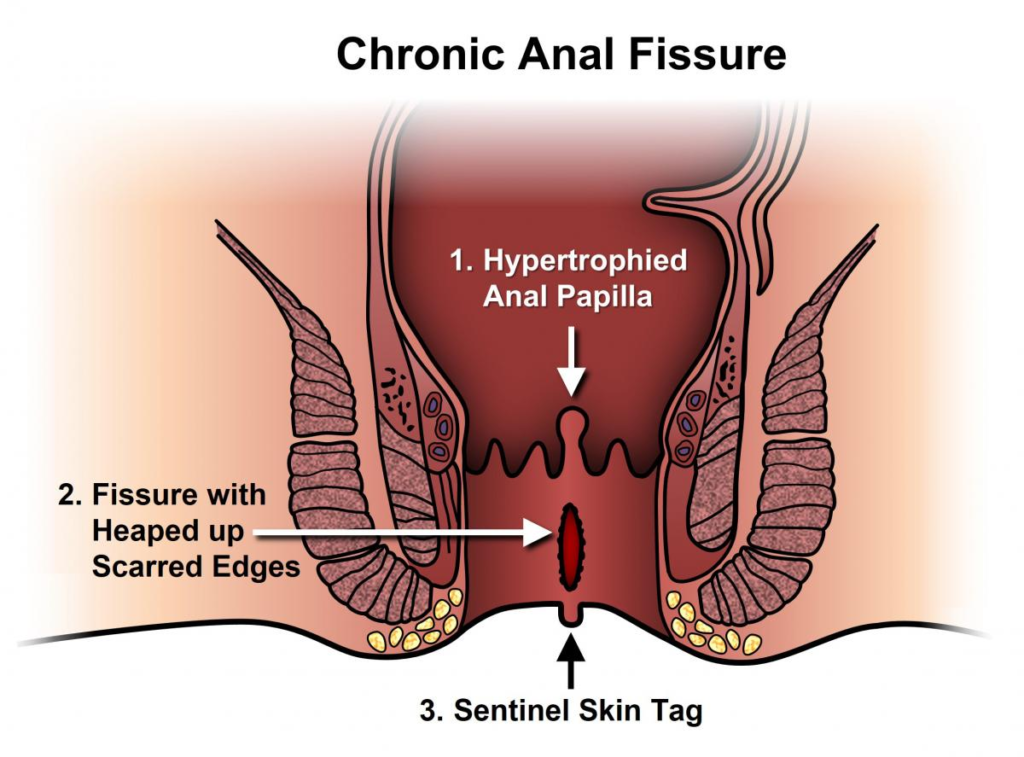
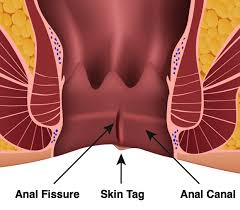
Chronic vs. Acute Fissures: Determining whether a fissure is acute or chronic is a crucial part of the diagnosis. Acute fissures are typically recent and have a higher likelihood of healing with conservative treatments, while chronic fissures persist for more than six weeks and may require more intensive medical or surgical interventions. Chronic fissures often have fibrotic edges and may develop a sentinel pile (skin tag) at the edge of the tear.
Understanding the symptoms and diagnostic procedures for anal fissures is essential for effective management and treatment. Early identification and appropriate intervention can alleviate pain, promote healing, and prevent recurrence. If you experience symptoms of an anal fissure, seek medical advice to ensure proper diagnosis and treatment. Accurate diagnosis is the first step towards effective treatment and long-term relief from the discomfort associated with anal fissures.
How can I get rid of a fissure?
Home Remedies to Relieve Pain
For immediate relief, several home remedies can be effective:
Warm Sitz Baths: Soaking the affected area in warm water for 10-20 minutes several times a day can help relax the anal muscles and reduce pain.
Applying Ice Packs: This can help reduce swelling and numb the pain.
Coconut Oil: Its natural healing properties can provide a soothing effect and promote healing.
Aloe Vera Gel: Known for its anti-inflammatory properties, aloe vera can help reduce pain and inflammation.
Over-the-Counter Medications
Over-the-counter medications can provide temporary relief:
Pain Relievers: Nonsteroidal anti-inflammatory drugs (NSAIDs) like ibuprofen can help reduce pain and inflammation.
Topical Anesthetics: Creams containing lidocaine can numb the affected area, providing immediate relief.
Stool Softeners: These can help prevent constipation and reduce strain during bowel movements.
Natural Remedies to Heal Anal Fissures
Importance of Hydration
Staying hydrated is crucial for preventing and healing anal fissures. Adequate water intake helps soften the stool, making it easier to pass and reducing the risk of further injury to the anal lining.
High-Fiber Diet for Fissures
A diet rich in fiber is essential for maintaining regular bowel movements and preventing constipation. Incorporate the following into your diet:
Fruits and Vegetables: Apples, pears, berries, broccoli, and carrots are excellent sources of fiber.
Whole Grains: Oatmeal, whole wheat bread, and brown rice can help increase fiber intake.
Legumes: Beans, lentils, and chickpeas are high in fiber and beneficial for digestive health.
Beneficial Herbal Remedies
Several herbal remedies can aid in the healing process:
Psyllium Husk: This natural fiber supplement can help soften stools and ease bowel movements.
Witch Hazel: Applying witch hazel to the affected area can reduce inflammation and promote healing.
Calendula: Known for its healing properties, calendula can be applied as a cream to soothe and repair the skin.
Medical Treatments for Anal Fissures
Prescription Medications
When home and natural remedies are insufficient, prescription medications may be necessary:
Nitroglycerin Ointment: This can help relax the anal muscles, promoting blood flow to the area and speeding up the healing process.
Calcium Channel Blockers: These medications can be used to reduce anal sphincter pressure, facilitating healing.
Topical Treatments
Topical treatments are often effective for more persistent fissures:
Hydrocortisone Cream: Reduces inflammation and promotes healing.
Nifedipine Gel: Helps relax the anal sphincter and improve blood flow to the area.
Botox Injections
Botox injections can be used to temporarily paralyze the anal sphincter, reducing spasms and allowing the fissure to heal. This treatment is typically reserved for chronic fissures that do not respond to other treatments.
Surgical Options
Surgery may be considered when other treatments fail:
Lateral Internal Sphincterotomy: This procedure involves cutting a small portion of the anal sphincter to reduce pressure and allow the fissure to heal. It has a high success rate but carries some risks, such as incontinence.
Anal Dilation: This less invasive procedure involves stretching the anal canal to reduce pressure on the fissure, promoting healing.
Lifestyle Changes to Prevent Anal Fissures
Healthy Bowel Habits
Maintaining healthy bowel habits is essential for preventing fissures:
Avoid Straining: Take your time during bowel movements and avoid straining.
Respond to Urges Promptly: Don’t delay when you feel the urge to have a bowel movement.
Proper Cleaning: Gently clean the anal area with water or mild soap after bowel movements to prevent irritation.
Regular Exercise
Regular physical activity can help maintain healthy digestion and prevent constipation:
Walking: A simple daily walk can help stimulate bowel movements.
Yoga: Certain yoga poses can aid in digestion and reduce stress, which can contribute to constipation.
Pelvic Floor Exercises: Strengthening the pelvic floor muscles can improve bowel control and prevent strain.
Stress Management
Stress can impact digestive health and contribute to conditions like constipation. Effective stress management techniques include:
Mindfulness Meditation: Practicing mindfulness can help reduce stress and improve overall well-being.
Deep Breathing Exercises: These can help relax the body and improve digestion.
Adequate Sleep: Ensure you get enough restful sleep to support your body’s healing processes.
FAQs About Anal Fissures
What are the common causes of anal fissures?
Anal fissures are commonly caused by trauma to the anal canal during bowel movements, especially due to constipation, chronic diarrhea, childbirth, and anal intercourse. Underlying medical conditions such as Crohn’s disease can also contribute to the development of fissures.
How long does it take for a fissure to heal?
Acute anal fissures typically heal within a few weeks with proper care, while chronic fissures may take longer and sometimes require medical treatment. Consistent application of home remedies and prescribed treatments can speed up the healing process.
Can anal fissures reoccur?
Yes, anal fissures can reoccur, especially if the underlying causes such as constipation or chronic diarrhea are not addressed. Maintaining a high-fiber diet, staying hydrated, and following healthy bowel habits can help prevent recurrence.
What foods should I avoid if I have a fissure?
Avoid foods that can cause constipation or irritation, such as:
Processed and refined foods
Spicy foods
Caffeinated beverages
Alcohol
Low-fiber foods
Are there any risks associated with surgery for fissures?
Surgical treatments for anal fissures, such as lateral internal sphincterotomy, carry some risks, including:
Temporary or permanent incontinence
Infection
Bleeding
However, these risks are generally low, and the surgery has a high success rate.
How can I tell if my fissure is healing?
Signs that your fissure is healing include reduced pain during bowel movements, less bleeding, and the gradual closing of the tear. Consistent improvement over a few weeks indicates that the healing process is progressing well.
Conclusion
Healing an anal fissure requires a multifaceted approach, combining immediate pain relief, natural remedies, medical treatments, and lifestyle changes. By understanding the causes and symptoms, applying effective home treatments, and seeking medical advice when necessary, you can find relief and prevent future occurrences. Remember, staying hydrated, maintaining a high-fiber diet, and managing stress are key components of both healing and prevention. If your fissure does not improve with home treatment, consult a healthcare provider for further evaluation and treatment options.
Meet Your Doctor
The Best Laparoscopic Surgeon in Indore
Dr. Nikunj Jain is a renowned Gastro & Minimal Access Laparoscopic Surgeon.
He is a Surgical Gastroenterologist, Consultant Surgeon at Apollo Hospital, Indore having expertise in laparoscopic, Laser, and Robotic Surgery.
You can be confident that with Dr. Nikunj Jain your well-being is in the capable hands of a highly-skilled Minimally Invasive Laparoscopic & Robotic Surgeon. Dr. Nikunj Jain strives to treat his patients with an honest, straightforward, and caring nature in a safe and comfortable environment.
Dr. Nikunj Jain has been awarded Dr. B. Ramamurthi National Gold Medal by National Board of Examination.
Email your reports
drnikunjjain@gmail.com
Call Now to book Appointment
+91-97114-59697
Head Quarter Building
3rd Floor, Satya Sai Square, Vijay Nagar, Indore – MP
Piles, also known as hemorrhoids, are a common yet often misunderstood condition affecting millions worldwide. Despite their prevalence, many people are unaware of what causes piles and how they can be prevented or treated. This article delves deep into the What is the Main Cause of Piles? Uncovering the Truth Behind Hemorrhoids, exploring the underlying factors, symptoms, and effective preventive measures.
Understanding Piles: An Overview
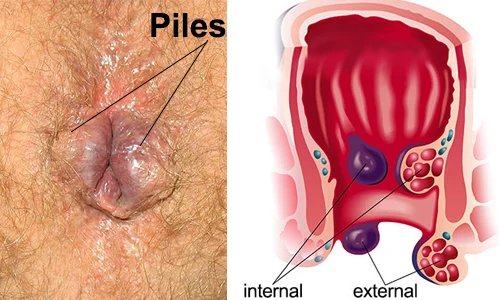
Piles, or hemorrhoids, are swollen veins located around the anus or in the lower rectum. They can be either internal (inside the rectum) or external (under the skin around the anus). Hemorrhoids can cause discomfort, pain, and bleeding, making daily activities challenging for those affected.
The Anatomy of Piles
To grasp the main cause of piles, it is essential to understand the anatomy of the rectal area. The rectum and anus are lined with a network of blood vessels known as the hemorrhoidal plexus. These vessels are cushioned by connective tissue and play a crucial role in maintaining bowel continence. When these vessels become swollen or inflamed, they form hemorrhoids, leading to various symptoms.
What is the Main Cause of Piles?
The primary cause of piles is increased pressure on the veins in the rectal area. This pressure can result from several factors, which we will explore in detail below. Understanding these factors can help individuals take proactive measures to prevent the development of piles.
Piles, also known as hemorrhoids, are swollen veins in the lower part of the rectum and anus. When the walls of these blood vessels stretch, they become irritated. The main causes of piles are multifaceted, often involving a combination of lifestyle, dietary habits, and physiological factors. Here is a detailed look at the main causes of piles:
1. Chronic Constipation or Diarrhea
Constipation: Straining during bowel movements can put pressure on the walls of the rectum and anus, leading to the development of hemorrhoids.
Diarrhea: Frequent bowel movements can also cause irritation and inflammation of the rectal and anal veins.
2. Straining During Bowel Movements
Excessive straining can increase pressure in the lower rectum, causing the veins to swell and become hemorrhoids.
3. Prolonged Sitting or Standing
Sitting for long periods, especially on the toilet, can increase pressure on the veins in the anus and rectum.
4. Low-Fiber Diet
A diet low in fiber can lead to constipation, which, as mentioned, can cause straining during bowel movements and the development of hemorrhoids.
5. Obesity
Excess body weight increases pressure on the veins in the lower rectum, contributing to the formation of hemorrhoids.
6. Pregnancy
The increased pressure on the pelvic veins during pregnancy can cause hemorrhoids. Hormonal changes during pregnancy can also contribute to the weakening of vein walls.
7. Heavy Lifting
Repeated heavy lifting or strenuous activity can increase pressure on the rectal veins.
8. Genetic Factors
A family history of hemorrhoids can increase the likelihood of developing them, as vein structure and function can be inherited.
9. Aging
As people age, the tissues that support the veins in the rectum and anus can weaken and stretch, making hemorrhoids more likely.
10. Poor Hydration
Inadequate water intake can lead to hard stools and constipation, which in turn can cause hemorrhoids due to straining.
11. Anal Intercourse
This can cause direct trauma to the veins in the rectum and anus, leading to hemorrhoids.
Prevention and Management
To prevent and manage piles, consider the following steps:
Increase Fiber Intake: Consume more fruits, vegetables, whole grains, and other fiber-rich foods.
Stay Hydrated: Drink plenty of water to help soften stools.
Exercise Regularly: Physical activity can help prevent constipation and reduce pressure on the veins.
Avoid Straining: Don’t strain during bowel movements, and avoid sitting on the toilet for prolonged periods.
Maintain a Healthy Weight: Reducing weight can decrease pressure on the rectal veins.
Practice Good Toilet Habits: Respond to bowel urges promptly and avoid prolonged sitting.
Treatment Options
If hemorrhoids develop, treatments may include:
Topical Treatments: Over-the-counter creams and ointments can provide relief.
Warm Baths: Soaking in a warm bath several times a day can help reduce swelling and pain.
Medications: Pain relievers and stool softeners can alleviate symptoms.
Medical Procedures: In severe cases, procedures like rubber band ligation, sclerotherapy, or surgical removal may be necessary.
Understanding these causes and taking preventive measures can significantly reduce the risk of developing piles and help manage symptoms effectively.
Chronic Constipation and Straining
One of the leading causes of increased pressure in the rectal veins is chronic constipation. Straining during bowel movements due to hard stools puts excessive pressure on the hemorrhoidal veins. Over time, this repeated strain can cause the veins to swell and form hemorrhoids. A diet low in fiber, insufficient water intake, and lack of physical activity are common contributors to constipation.
Diarrhea and Frequent Bowel Movements
While chronic constipation is a well-known cause of piles, diarrhea and frequent bowel movements can also contribute to the condition. Frequent bouts of diarrhea can irritate the rectal area and put pressure on the veins, leading to the formation of hemorrhoids. This highlights the importance of maintaining balanced bowel habits to prevent both constipation and diarrhea.
Pregnancy and Childbirth
Pregnancy is another significant factor that can lead to the development of piles. The growing uterus puts pressure on the pelvic veins, including those in the rectal area, increasing the risk of hemorrhoids. Additionally, the strain of childbirth can exacerbate the condition, making it a common issue for new mothers. Hormonal changes during pregnancy also contribute to the likelihood of developing piles.
Obesity and Sedentary Lifestyle
Obesity is a major risk factor for many health conditions, including piles. Excess body weight increases pressure on the pelvic and rectal veins, leading to the development of hemorrhoids. Moreover, a sedentary lifestyle, characterized by prolonged sitting or standing, can exacerbate this pressure, further increasing the risk.
Aging and Weakening Tissues
As individuals age, the tissues supporting the veins in the rectum and anus can weaken and stretch. This weakening makes older adults more susceptible to developing hemorrhoids. Additionally, age-related changes in bowel habits and a higher prevalence of constipation among older adults contribute to this increased risk.
Genetic Predisposition
Genetics can also play a role in the development of piles. Individuals with a family history of hemorrhoids are more likely to develop the condition. Genetic factors can influence the strength and elasticity of the rectal veins, making some people more prone to hemorrhoids.
Heavy Lifting and Strenuous Activities
Engaging in activities that involve heavy lifting or straining can lead to increased pressure on the rectal veins, contributing to the development of piles. This includes weightlifting, intense physical labor, and other activities that require significant exertion.
Poor Dietary Habits
Diet plays a crucial role in maintaining healthy bowel movements and preventing piles. A diet low in fiber can lead to constipation, while insufficient hydration can cause hard stools. Both of these factors increase the likelihood of developing hemorrhoids. Incorporating fiber-rich foods and staying adequately hydrated are essential for preventing piles.
Symptoms of Piles
Piles, or hemorrhoids, can present with various symptoms depending on their type and severity. Hemorrhoids are classified into two main categories: internal and external. Each type can exhibit different symptoms, which can range from mild discomfort to severe pain and complications. Here is a detailed overview of the symptoms of piles:
Internal Hemorrhoids
Internal hemorrhoids are located inside the rectum and are usually not visible. They tend to cause fewer symptoms initially but can become problematic as they enlarge.
Painless Bleeding: One of the most common symptoms of internal hemorrhoids is bright red blood on the toilet paper, in the toilet bowl, or on the surface of the stool. This bleeding is typically painless.
Prolapse: Prolapsed hemorrhoids are internal hemorrhoids that have extended beyond the anal opening. They can be felt as a soft lump outside the anus. Prolapse can occur during bowel movements and may retract back into the rectum on its own or may need to be pushed back in manually.
Discomfort and Itching: Irritation and itching around the anal region can occur due to mucus discharge from the prolapsed hemorrhoid.
Mucus Discharge: Prolapsed hemorrhoids can produce mucus, which can lead to skin irritation and itching around the anus.
External Hemorrhoids
External hemorrhoids develop under the skin around the anus and are often visible and palpable.
Pain and Discomfort: External hemorrhoids can be very painful, especially when sitting, due to their location where numerous pain-sensing nerves are present.
Swelling and Lumps: A noticeable lump or swelling around the anus is a common symptom of external hemorrhoids. These lumps can be tender to the touch.
Bleeding: External hemorrhoids can also cause bleeding, particularly during bowel movements. The blood is typically bright red and may be seen on toilet paper or in the toilet bowl.
Thrombosis: Thrombosed external hemorrhoids occur when a blood clot forms within the hemorrhoid, causing severe pain, swelling, inflammation, and a hard lump near the anus. This condition often requires medical treatment.
General Symptoms of Both Types
Itching and Irritation: Both internal and external hemorrhoids can cause itching and irritation around the anal region due to inflammation and swelling.
Anal Discomfort: A general feeling of discomfort or fullness in the anal region can occur, which may be exacerbated during bowel movements.
Mucous Discharge: Hemorrhoids, especially internal ones, can produce a mucous discharge that can irritate the skin around the anus, leading to further itching and discomfort.
Complications
While piles can often be managed with lifestyle changes and over-the-counter treatments, complications can arise, including:
Anemia: Chronic blood loss from hemorrhoids can lead to anemia, characterized by fatigue and weakness.
Strangulated Hemorrhoid: If the blood supply to an internal hemorrhoid is cut off, it can lead to severe pain and tissue death.
Infection: Hemorrhoids can become infected, leading to increased pain, redness, and swelling.
When to Seek Medical Attention
It’s essential to seek medical advice if:
You experience significant bleeding.
You have severe pain.
There’s no improvement with home treatments.
You suspect a thrombosed hemorrhoid.
You experience changes in bowel habits or stool appearance, which could indicate other conditions.
Recognizing the symptoms of piles is crucial for seeking appropriate treatment and managing the condition effectively. While hemorrhoids can be uncomfortable and sometimes painful, they are generally manageable with lifestyle adjustments and medical treatments when necessary. If you experience any severe or persistent symptoms, it is important to consult a healthcare professional for a thorough evaluation and treatment plan.
Diagnosing Piles
If you experience symptoms of piles, it is essential to seek medical advice for a proper diagnosis. A healthcare provider can perform a physical examination and, if necessary, recommend further tests such as an anoscopy or sigmoidoscopy to assess the severity of the condition.
Prevention Strategies
Preventing piles involves adopting healthy lifestyle habits that reduce the risk factors associated with the condition. Here are some effective prevention strategies:
High-Fiber Diet
A high-fiber diet is crucial for maintaining regular bowel movements and preventing constipation. Include plenty of fruits, vegetables, whole grains, and legumes in your diet. Fiber adds bulk to the stool, making it easier to pass and reducing the need for straining.
Staying Hydrated
Drinking plenty of water is essential for keeping stools soft and preventing constipation. Aim for at least eight glasses of water a day, and adjust your intake based on your activity level and climate.
Regular Exercise
Regular physical activity promotes healthy digestion and prevents constipation. Aim for at least 30 minutes of moderate exercise most days of the week. Activities such as walking, swimming, and cycling are excellent choices.
Avoiding Prolonged Sitting or Standing
Avoid sitting or standing for extended periods, as this can increase pressure on the rectal veins. If your job requires prolonged sitting, take breaks to walk around and stretch. Using a cushioned seat or sitting on a donut-shaped pillow can also help alleviate pressure.
Healthy Bowel Habits
Adopting healthy bowel habits is essential for preventing piles. Avoid straining during bowel movements and use the bathroom as soon as you feel the urge to go. Establishing a regular bathroom routine can help maintain regularity.
Maintaining a Healthy Weight
Maintaining a healthy weight reduces the pressure on the rectal veins and lowers the risk of developing piles. Follow a balanced diet and engage in regular physical activity to achieve and maintain a healthy weight.
Avoiding Heavy Lifting
If you must lift heavy objects, use proper techniques to avoid straining. Bend at the knees and lift with your legs rather than your back. If possible, seek assistance when lifting heavy items.
Managing Stress
Stress can affect bowel habits and contribute to conditions like constipation and diarrhea. Practice stress-management techniques such as yoga, meditation, and deep breathing exercises to maintain a healthy digestive system.
Treatment Options for Piles
If preventive measures are not enough and you develop piles, several treatment options can help alleviate symptoms and promote healing. These include:
Over-the-Counter Medications
Over-the-counter creams, ointments, and suppositories can provide relief from pain, itching, and inflammation. These products often contain ingredients like hydrocortisone or witch hazel.
Warm Sitz Baths
Taking warm sitz baths can help soothe the anal area and reduce discomfort. Sit in a few inches of warm water for 15-20 minutes, several times a day, especially after bowel movements.
Topical Treatments
Topical treatments, such as creams and ointments, can be applied directly to the affected area to reduce inflammation and provide pain relief. Common ingredients include hydrocortisone, lidocaine, and witch hazel.
Increased Fiber Intake
Increasing fiber intake through diet or supplements can help soften stools and reduce straining during bowel movements. Fiber supplements, such as psyllium husk, can be particularly beneficial.
Hydration
Staying well-hydrated is essential for preventing constipation and reducing the risk of piles. Drink plenty of water throughout the day to keep stools soft and easy to pass.
Medical Procedures
For severe or persistent cases of piles, medical procedures may be necessary. These include:
Rubber Band Ligation
In this procedure, a rubber band is placed around the base of the hemorrhoid to cut off its blood supply. The hemorrhoid shrinks and falls off within a few days.
Sclerotherapy
Sclerotherapy involves injecting a chemical solution into the hemorrhoid to shrink it. This procedure is typically used for smaller hemorrhoids.
Infrared Coagulation
Infrared coagulation uses infrared light to coagulate the blood vessels, causing the hemorrhoid to shrink. This procedure is minimally invasive and can be performed in a doctor’s office.
Hemorrhoidectomy
A hemorrhoidectomy is a surgical procedure to remove large or severe hemorrhoids. This procedure is usually reserved for cases that do not respond to other treatments.
Stapled Hemorrhoidopexy
Stapled hemorrhoidopexy, also known as stapling, is a surgical procedure that uses a stapling device to reposition the hemorrhoid and cut off its blood supply. This procedure is less painful than a traditional hemorrhoidectomy and has a shorter recovery time.
Home Remedies for Piles
In addition to medical treatments, several home remedies can help manage symptoms and promote healing. These include:
Aloe Vera
Aloe vera gel has anti-inflammatory properties that can help reduce swelling and provide relief from pain and itching. Apply a small amount of pure aloe vera gel to the affected area.
Witch Hazel
Witch hazel is a natural astringent that can help reduce inflammation and soothe the skin. Apply witch hazel to the affected area using a cotton ball.
Cold Compress
Applying a cold compress to the anal area can help reduce swelling and provide relief from pain. Wrap ice in a cloth and apply it to the affected area for 15-20 minutes.
Epsom Salt Bath
Taking an Epsom salt bath can help reduce inflammation and provide relief from discomfort. Add two cups of Epsom salt to a warm bath and soak for 15-20 minutes.
FAQs
What are piles? Piles, also known as hemorrhoids, are swollen veins located around the anus or in the lower rectum. They can cause pain, discomfort, and bleeding.
What is the main cause of piles? The main cause of piles is increased pressure on the rectal veins, often due to chronic constipation, straining during bowel movements, pregnancy, obesity, and a sedentary lifestyle.
How can I prevent piles? Preventing piles involves maintaining a high-fiber diet, staying hydrated, engaging in regular exercise, avoiding prolonged sitting or standing, and adopting healthy bowel habits.
What are the symptoms of piles? Common symptoms of piles include pain and discomfort around the anus, bleeding during bowel movements, itching, swelling, and mucus discharge.
What treatments are available for piles? Treatment options for piles include over-the-counter medications, warm sitz baths, topical treatments, increased fiber intake, and medical procedures such as rubber band ligation, sclerotherapy, infrared coagulation, hemorrhoidectomy, and stapled hemorrhoidopexy.
Are there any home remedies for piles? Yes, home remedies for piles include applying aloe vera gel, witch hazel, cold compresses, and taking Epsom salt baths to reduce inflammation and provide relief from symptoms.
Conclusion
Understanding the main cause of piles and the various contributing factors is essential for effective prevention and treatment. By adopting healthy lifestyle habits, maintaining a high-fiber diet, staying hydrated, and seeking appropriate medical care when needed, individuals can manage and prevent the discomfort associated with piles. Prioritizing these measures can lead to a healthier, more comfortable life free from the challenges of hemorrhoids.
Hiatus Hernia & Acid Reflux are conditions that often go hand-in-hand, causing discomfort and significantly impacting the quality of life. This comprehensive guide will delve into the intricacies of these conditions, offering insights into symptoms, causes, treatments, and prevention strategies.
What is a Hiatus Hernia?
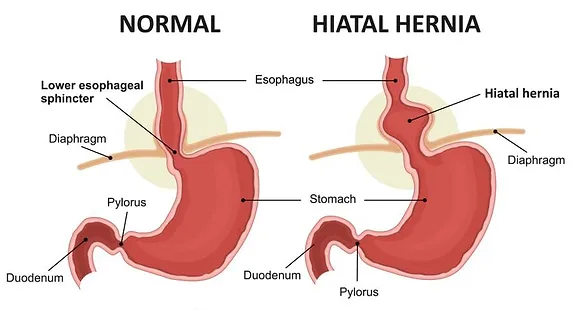
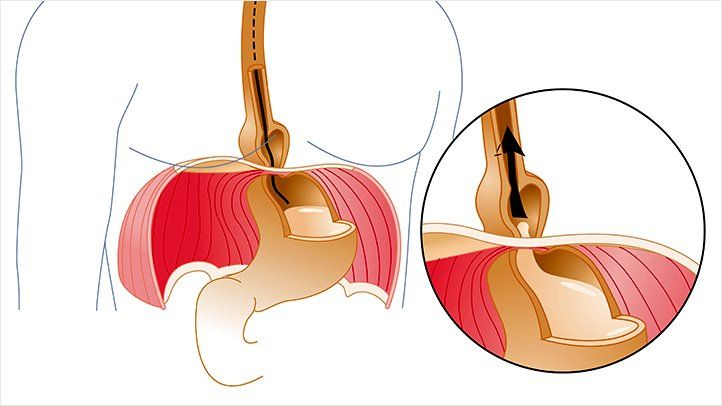
A hiatus hernia occurs when part of the stomach pushes up through the diaphragm muscle. The diaphragm has a small opening (hiatus) through which the esophagus passes before connecting to the stomach. In a hiatus hernia, the stomach bulges up into the chest through that opening. This condition can be asymptomatic or cause various issues, including acid reflux.
Types of Hiatus Hernia
There are primarily two types of hiatus hernia: sliding and paraesophageal. A sliding hiatus hernia is more common and occurs when the stomach and the section of the esophagus that joins the stomach slide up into the chest. A paraesophageal hernia is less common but can be more serious. It happens when part of the stomach pushes through the diaphragm and stays beside the esophagus.
A hiatus hernia, also known as a hiatal hernia, occurs when part of the stomach pushes up through the diaphragm into the chest cavity. There are several types of hiatus hernia, each with distinct characteristics:
Sliding Hiatus Hernia: The most common type, where the junction of the esophagus and stomach (gastroesophageal junction) slides up into the chest through the hiatus. Symptoms often include heartburn and regurgitation of food or liquids.
Paraesophageal Hiatus Hernia (Rolling Hiatus Hernia): Less common but more serious. The gastroesophageal junction stays in its normal place, but part of the stomach pushes through the hiatus and sits next to the esophagus. It can lead to serious complications like strangulation of the stomach.
Mixed Hiatus Hernia: A combination of sliding and paraesophageal hernias. Both the gastroesophageal junction and a portion of the stomach herniate through the hiatus. It combines symptoms and risks from both types.
Short Esophagus Hiatus Hernia: A rare form where the esophagus is shorter than normal, causing the stomach to be pulled up into the chest.
This condition often requires surgical intervention. Understanding these types is crucial for diagnosis and treatment planning, as they present varying symptoms and potential complications.
Causes of Hiatus Hernia
Hiatus hernias can be caused by various factors. These include age-related changes in the diaphragm, persistent and intense pressure on the surrounding muscles, injury or trauma to the area, and certain congenital abnormalities. Obesity, pregnancy, and smoking are also significant risk factors.
Hiatus hernias can be caused by a variety of factors, often involving a combination of anatomical and lifestyle elements. The primary causes include:
Weakening of the Diaphragm Muscle: Age-related changes can weaken the diaphragm muscle, making it easier for part of the stomach to push through the hiatus.
Increased Abdominal Pressure: Activities or conditions that increase pressure in the abdomen, such as heavy lifting, straining during bowel movements, chronic coughing, vomiting, and pregnancy, can contribute to the development of a hiatus hernia.
Injury or Trauma: Trauma or injury to the area can cause the hiatus to enlarge, allowing the stomach to herniate through it.
Congenital Defects: Some individuals may be born with an unusually large hiatus, predisposing them to hernias.
Obesity: Excess body weight can increase abdominal pressure, contributing to the development of a hiatus hernia.
Persistent and Severe Coughing: Conditions that cause chronic coughing, such as chronic obstructive pulmonary disease (COPD), can increase the risk of a hiatus hernia.
Genetic Factors: A family history of hiatus hernia can increase the likelihood of developing the condition.
Understanding these causes can help in the prevention and management of hiatus hernias through lifestyle changes, weight management, and avoiding activities that increase abdominal pressure.
Symptoms of Hiatus Hernia
Symptoms can vary depending on the type and severity of the hernia. Common symptoms include heartburn, regurgitation of food or liquids, acid reflux, difficulty swallowing, chest or abdominal pain, shortness of breath, and vomiting of blood or passing black stools, which may indicate gastrointestinal bleeding.
Hiatus hernias can present a variety of symptoms, although some individuals may remain asymptomatic. The most common symptoms include:
Heartburn: A burning sensation in the chest, often after eating, which might be worse at night or when lying down.
Regurgitation: A sour or bitter-tasting acid backing up into the throat or mouth.
Difficulty Swallowing (Dysphagia): Feeling like food is stuck in the chest or throat.
Chest Pain: Sharp or burning chest pain that can mimic heart-related conditions, sometimes occurring after meals or when lying down.
Belching: Frequent burping, which may relieve the pressure caused by trapped air.
Nausea and Vomiting: Occasional feelings of nausea or vomiting, especially after meals.
Shortness of Breath: Difficulty breathing, particularly after meals, due to the hernia pressing on the diaphragm.
Bloating: A sensation of fullness or swelling in the abdomen.
Fatigue: Feeling unusually tired, which can be related to disrupted sleep from symptoms like heartburn and regurgitation.
Anemia: In some cases, particularly with paraesophageal hernias, there may be chronic blood loss leading to anemia, causing fatigue and weakness.
These symptoms can vary in intensity and frequency. If you experience any severe or persistent symptoms, it’s important to consult a healthcare professional for a proper diagnosis and appropriate treatment.
Understanding Acid Reflux
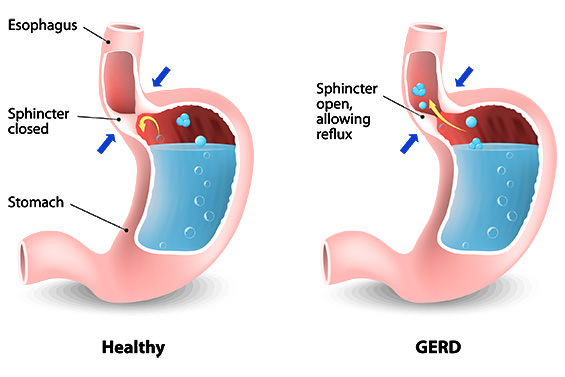
Acid reflux occurs when stomach acid backs up into the esophagus. It can cause a burning sensation in the chest (heartburn) and is a common symptom of gastroesophageal reflux disease (GERD). Acid reflux can be an occasional issue for many people, but for those with a hiatus hernia, it can be a more chronic problem.
Causes of Acid Reflux
Several factors can cause acid reflux. These include eating large meals or lying down right after a meal, being overweight or obese, eating a heavy meal and then lying on your back or bending over at the waist, snacking close to bedtime, eating certain foods (like citrus, tomato, chocolate, mint, garlic, onions, or spicy or fatty foods), drinking certain beverages (such as alcohol, carbonated drinks, coffee, or tea), smoking, and being pregnant.
Acid reflux, also known as gastroesophageal reflux disease (GERD) when it becomes chronic, occurs when stomach acid flows back into the esophagus, causing irritation. Several factors can contribute to acid reflux:
Dietary Habits: Eating large meals or lying down right after a meal. Consuming certain foods and beverages that can trigger reflux, such as fatty or fried foods, spicy foods, citrus fruits, tomatoes, garlic, onions, chocolate, mint, caffeine, alcohol, and carbonated drinks.
Obesity: Excess weight can put pressure on the stomach, pushing stomach contents into the esophagus.
Smoking: Smoking can weaken the lower esophageal sphincter (LES), the muscle that prevents stomach acid from flowing back into the esophagus.
Hiatus Hernia: A condition where part of the stomach pushes through the diaphragm into the chest cavity, which can disrupt the normal function of the LES.
Pregnancy: Hormonal changes and increased abdominal pressure during pregnancy can lead to acid reflux.
Medications: Certain medications can contribute to acid reflux, including aspirin, ibuprofen, certain muscle relaxers, and blood pressure medications.
Eating Habits: Eating too quickly or not chewing food thoroughly.
Lying Down After Eating: Lying down or going to bed soon after eating can make it easier for stomach acid to flow back into the esophagus.
Tight Clothing: Wearing tight belts or clothes around the waist can increase pressure on the abdomen and lower esophageal sphincter.
Stress: High levels of stress and lack of sleep can increase acid production in the stomach and cause reflux.
Underlying Medical Conditions: Conditions such as scleroderma, Zollinger-Ellison syndrome, and delayed stomach emptying (gastroparesis) can increase the risk of acid reflux.
Managing these factors through lifestyle changes, dietary modifications, and medical treatment can help alleviate the symptoms of acid reflux and improve overall digestive health.
Symptoms of Acid Reflux
The primary symptom of acid reflux is heartburn—a burning pain in the chest that usually occurs after eating and may be worse at night. Other symptoms include regurgitation of food or sour liquid, difficulty swallowing, chronic cough, laryngitis, new or worsening asthma, and disrupted sleep.
Acid reflux, or gastroesophageal reflux disease (GERD) when chronic, can present a variety of symptoms, including:
Heartburn: A burning sensation in the chest, usually after eating, which might be worse at night or when lying down.
Regurgitation: A sour or bitter-tasting acid backing up into the throat or mouth.
Difficulty Swallowing (Dysphagia): A sensation of food being stuck in the throat or chest.
Chest Pain: Sharp or burning pain in the chest that can mimic heart-related conditions, sometimes occurring after meals or when lying down.
Bloating: A feeling of fullness or swelling in the abdomen.
Nausea: Feeling nauseous, especially after meals.
Chronic Cough: A persistent cough, especially at night, which can be due to irritation from stomach acid.
Hoarseness or Sore Throat: Irritation of the vocal cords from stomach acid can cause a hoarse voice or a sore throat.
Laryngitis: Inflammation of the larynx causing voice changes, usually due to acid irritation.
Wheezing: Breathing difficulties or wheezing, particularly in individuals with asthma, can be exacerbated by acid reflux.
Hiccups: Persistent hiccups that are difficult to control.
Bad Breath: Chronic bad breath (halitosis) can occur due to acid and undigested food particles refluxing into the mouth.
These symptoms can vary in severity and frequency. Persistent or severe symptoms should be evaluated by a healthcare professional to determine appropriate treatment and management strategies.
Connection Between Hiatus Hernia & Acid Reflux
A hiatus hernia can weaken the lower esophageal sphincter (LES), the muscle that prevents acid from flowing back into the esophagus. When the LES doesn’t function correctly, acid reflux occurs more easily. Thus, people with a hiatus hernia are more likely to experience acid reflux and its symptoms.
There is a significant connection between hiatus hernia and acid reflux, primarily due to the anatomical changes that a hiatus hernia causes. Here’s how they are connected:
Altered Anatomy: In a hiatus hernia, part of the stomach pushes through the diaphragm into the chest cavity. This can disrupt the normal functioning of the lower esophageal sphincter (LES), the muscle that acts as a barrier to prevent stomach contents from flowing back into the esophagus.
Weakening of the Lower Esophageal Sphincter (LES): A hiatus hernia can weaken the LES, making it less effective at closing properly after food passes into the stomach. This can allow stomach acid to reflux into the esophagus more easily.
Increased Pressure: The herniated portion of the stomach can create additional pressure within the abdomen. This increased pressure can force stomach contents, including acid, back into the esophagus, leading to acid reflux symptoms.
Disruption of Diaphragmatic Support: The diaphragm normally helps the LES to function correctly by providing additional support. A hiatus hernia can interfere with this support, making the LES less effective.
Reduced Clearance of Acid: The hernia can impair the esophagus’s ability to clear acid effectively, prolonging the contact of acid with the esophageal lining and increasing the risk of symptoms and damage.
Delayed Gastric Emptying: Some individuals with a hiatus hernia may also experience delayed gastric emptying, where the stomach takes longer to empty its contents. This can increase the likelihood of reflux as there is more stomach content that can be pushed back into the esophagus.
Understanding this connection helps in managing both conditions effectively. Treatments often involve lifestyle changes, medications to reduce stomach acid, and, in some cases, surgical interventions to repair the hernia and improve the function of the LES.
Diagnosing Hiatus Hernia and Acid Reflux
Diagnosis of these conditions often involves several tests. These can include an endoscopy, where a thin tube with a camera is inserted down the throat to examine the esophagus and stomach, a barium swallow, where X-rays track the movement of swallowed barium through the digestive system, esophageal manometry, which measures the rhythmic muscle contractions of the esophagus, and pH monitoring to check for acid in the esophagus.
Treatment Options for Hiatus Hernia and Acid Reflux
Lifestyle and Dietary Changes
Making lifestyle and dietary changes can significantly improve symptoms. These changes include eating smaller meals, avoiding foods and beverages that trigger reflux, losing weight if necessary, quitting smoking, avoiding lying down immediately after meals, and elevating the head of the bed to prevent nighttime symptoms.
Medications
Several types of medications can help manage symptoms. These include antacids that neutralize stomach acid, H-2-receptor blockers that reduce acid production, proton pump inhibitors (PPIs) that block acid production and heal the esophagus, and medications to strengthen the lower esophageal sphincter.
Surgical Interventions
In severe cases or when other treatments fail, surgical options may be considered. These include laparoscopic surgery to repair the hiatus hernia and fundoplication, where the top of the stomach is wrapped around the lower esophagus to tighten the muscle and prevent reflux.
Alternative Therapies
Some people find relief through alternative therapies such as acupuncture, herbal remedies, and relaxation techniques. However, it is essential to consult a healthcare provider before trying these treatments.
Preventing Hiatus Hernia and Acid Reflux
Preventive measures focus on lifestyle modifications. Maintaining a healthy weight, eating a balanced diet, avoiding trigger foods, quitting smoking, and practicing good posture can help prevent the onset of these conditions. Regular exercise and stress management are also beneficial.
Living with Hiatus Hernia and Acid Reflux
Managing these conditions involves a combination of lifestyle changes, medications, and possibly surgical interventions. It is crucial to follow a treatment plan tailored to individual needs and to communicate regularly with healthcare providers to manage symptoms effectively.
Coping Strategies
Living with chronic conditions like hiatus hernia and acid reflux can be challenging. Developing coping strategies, such as stress reduction techniques, joining support groups, and staying informed about the conditions, can improve the quality of life.
Diet and Nutrition Tips
Adopting a diet that minimizes symptoms is vital. This includes eating smaller, more frequent meals, avoiding trigger foods, and incorporating foods that soothe the digestive system, such as oatmeal, ginger, and non-citrus fruits.
FAQs
What is the primary cause of a hiatus hernia? The primary cause of a hiatus hernia is a weakening of the muscle tissue, which can result from age-related changes, persistent pressure on the surrounding muscles, injury, or congenital abnormalities.
Can acid reflux be a sign of a more severe condition? Yes, chronic acid reflux can indicate GERD, a more severe form of acid reflux that can lead to complications like esophagitis, Barrett’s esophagus, and an increased risk of esophageal cancer.
Are there any long-term complications associated with hiatus hernia? Yes, if left untreated, a hiatus hernia can lead to complications such as esophagitis, esophageal stricture, Barrett’s esophagus, and an increased risk of esophageal cancer.
How can I prevent acid reflux at night? To prevent nighttime acid reflux, avoid eating late meals, elevate the head of your bed, and avoid foods and beverages that trigger reflux.
Is surgery always required for a hiatus hernia? No, surgery is not always required. Many people manage symptoms with lifestyle changes and medications. Surgery is considered when these measures fail or in cases of severe hernia.
Can dietary changes alone manage acid reflux? For some individuals, dietary changes can significantly reduce symptoms. However, others may require medications or additional treatments to manage acid reflux effectively.
Conclusion
Understanding the relationship between hiatus hernia and acid reflux is crucial for effective management and treatment. By adopting healthy lifestyle habits, seeking appropriate medical care, and staying informed about these conditions, individuals can significantly improve their quality of life and reduce the impact of symptoms. If you suspect you have a hiatus hernia or experience chronic acid reflux, consult a healthcare provider to develop a personalized treatment plan.
Meet Your Doctor
The Best Laparoscopic Surgeon in Indore
Dr. Nikunj Jain is a renowned Gastro & Minimal Access Laparoscopic Surgeon.
He is a Surgical Gastroenterologist, Consultant Surgeon at Apollo Hospital, Indore having expertise in laparoscopic, Laser, and Robotic Surgery.
You can be confident that with Dr. Nikunj Jain your well-being is in the capable hands of a highly-skilled Minimally Invasive Laparoscopic & Robotic Surgeon. Dr. Nikunj Jain strives to treat his patients with an honest, straightforward, and caring nature in a safe and comfortable environment.
Dr. Nikunj Jain has been awarded Dr. B. Ramamurthi National Gold Medal by National Board of Examination.
Email your reports
drnikunjjain@gmail.com
Call Now to book Appointment
+91-97114-59697
Head Quarter Building
3rd Floor, Satya Sai Square, Vijay Nagar, Indore – MP
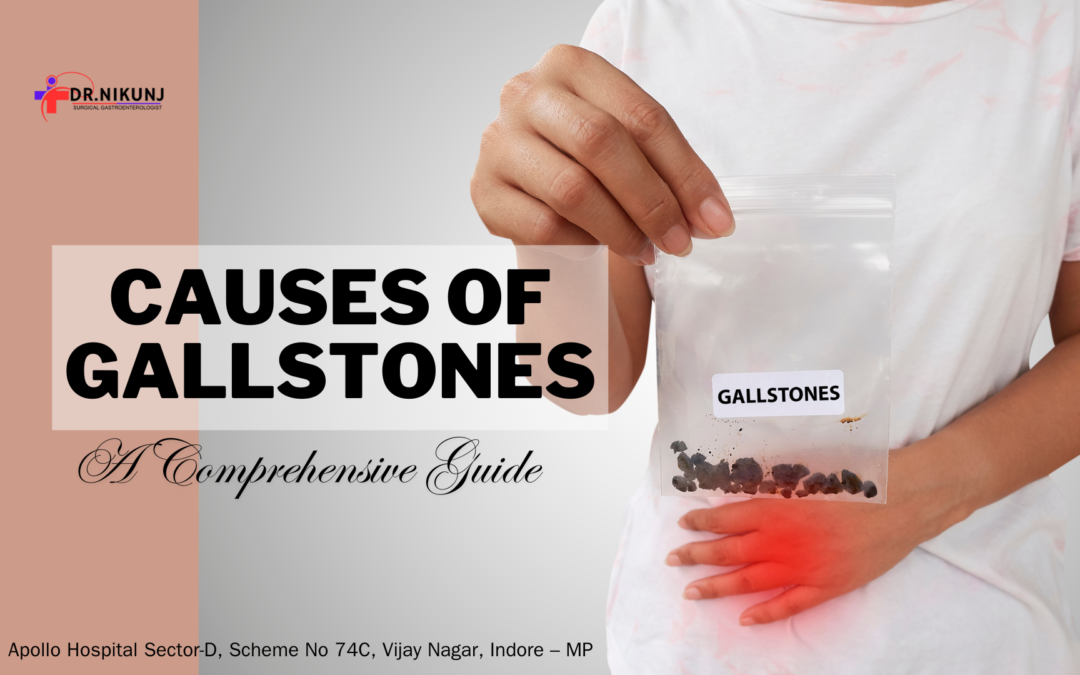
Gallstones are a common yet often misunderstood health condition that can cause significant discomfort and lead to severe complications if left untreated. Understanding what causes gallstones is crucial for prevention and effective management. This guide delves into the various factors that contribute to the formation of gallstones, offering insights into their underlying mechanisms and risk factors.
Introduction
Gallstones, or cholelithiasis, are solid particles that form in the gallbladder, a small organ located beneath the liver. These stones can vary in size and number, and they develop due to imbalances in the substances that make up bile, such as cholesterol, bilirubin, and bile salts. While many people with gallstones remain asymptomatic, others experience significant pain and complications that necessitate medical intervention. This article explores the primary causes of gallstones, shedding light on the intricate processes that lead to their formation.
The Gallbladder and Its Function
The gallbladder is a small, pear-shaped organ located under the liver on the right side of the abdomen. It serves a critical role in the digestive system by storing and concentrating bile, a digestive fluid produced by the liver. Understanding the function and significance of the gallbladder helps elucidate why gallstones form and how they affect the body.
Role of Bile in Digestion
Bile is a yellow-green fluid essential for the digestion and absorption of fats. It is composed of bile salts, cholesterol, bilirubin, water, and electrolytes. The liver continuously produces bile, which is then stored in the gallbladder between meals. When food, especially fatty food, enters the small intestine, the gallbladder contracts and releases bile through the bile ducts into the intestine. Bile emulsifies fats, breaking them down into smaller droplets that enzymes can more easily digest. This process is vital for the absorption of fat-soluble vitamins (A, D, E, and K) and other nutrients.
Bile Composition
Bile’s effectiveness in digesting fats depends on its composition and balance of its constituents. An imbalance in bile components can lead to the formation of gallstones. The main components of bile include:
Bile Salts: Derived from cholesterol, they aid in the emulsification of fats.
Cholesterol: While essential for bile production, excessive cholesterol can precipitate and form stones.
Bilirubin: A byproduct of red blood cell breakdown, excessive bilirubin can contribute to stone formation.
Water and Electrolytes: Maintain the fluidity and alkalinity of bile.
Gallbladder Function and Motility
The gallbladder’s ability to store and concentrate bile is crucial for efficient digestion. Between meals, bile is concentrated in the gallbladder, making it more potent for fat digestion. When food enters the digestive tract, hormones signal the gallbladder to contract and release bile into the small intestine. Proper gallbladder function and motility ensure that bile is delivered at the right time and in the right amount. However, if the gallbladder does not empty completely or effectively, bile can become overly concentrated, increasing the risk of gallstone formation.
Factors Affecting Gallbladder Function
The gallbladder is a small organ that stores and concentrates bile produced by the liver, releasing it into the small intestine to aid in the digestion of fats. Several factors can affect the function of the gallbladder, leading to conditions such as gallstones, cholecystitis (inflammation of the gallbladder), and biliary dyskinesia (abnormal gallbladder motility). Here are the factors affecting gallbladder function in detail:
1. Diet and Nutrition
High-Fat Diets: Diets rich in saturated fats can cause the liver to produce more cholesterol, which can lead to the formation of gallstones.
Low-Fiber Diets: A lack of dietary fiber can slow down digestion and affect bile flow, increasing the risk of gallstones.
Rapid Weight Loss: Losing weight quickly can cause the liver to secrete more cholesterol into bile, leading to gallstone formation.
2. Obesity
Obesity is a significant risk factor for gallbladder disease. Excess body weight increases the amount of cholesterol in bile, making it more likely that gallstones will form.
3. Hormonal Changes
Estrogen: High levels of estrogen, such as those during pregnancy, hormone replacement therapy, or oral contraceptive use, can increase cholesterol levels in bile and reduce gallbladder motility.
Progesterone: Progesterone can relax smooth muscle tissue, including that of the gallbladder, leading to decreased motility and potential bile stasis.
4. Age and Gender
Age: The risk of gallbladder disease increases with age. The gallbladder’s ability to contract and empty bile decreases over time.
Gender: Women are more likely to develop gallbladder disease than men, largely due to hormonal influences.
5. Genetics
A family history of gallbladder disease can increase an individual’s risk, suggesting a genetic predisposition to the formation of gallstones or other gallbladder conditions.
6. Medical Conditions
Diabetes: Diabetic patients have higher levels of triglycerides, which can contribute to gallstone formation.
Liver Cirrhosis: Cirrhosis can disrupt bile production and flow, leading to gallbladder problems.
Crohn’s Disease: Inflammatory bowel diseases can affect bile salt reabsorption, increasing the risk of gallstones.
Metabolic Syndrome: Conditions like insulin resistance, obesity, and hyperlipidemia are associated with a higher risk of gallbladder disease.
7. Medications
Certain medications can increase the risk of gallbladder disease. For example, cholesterol-lowering drugs can increase the amount of cholesterol in bile. Hormonal medications, such as birth control pills and hormone replacement therapy, can also affect gallbladder function.
8. Physical Activity
A sedentary lifestyle can contribute to obesity and poor cholesterol metabolism, which are risk factors for gallbladder disease. Regular physical activity helps maintain a healthy weight and promotes good digestive health.
9. Infections
Infections, such as those caused by bacteria like Salmonella, can lead to inflammation and infection of the gallbladder (cholecystitis).
10. Biliary Sludge
Biliary sludge is a mixture of particulate matter and mucus that can accumulate in the gallbladder. This sludge can impair gallbladder function and lead to the formation of gallstones.
11. Gallbladder Motility Disorders
Disorders such as biliary dyskinesia, where the gallbladder does not empty properly, can lead to bile stasis and the formation of gallstones.
12. Post-Surgical Changes
Surgeries, such as gastric bypass surgery for weight loss, can alter bile flow and increase the risk of gallstone formation.
Understanding these factors can help in the prevention and management of gallbladder diseases, ensuring better digestive health and overall well-being.
Understanding the gallbladder’s role in digestion and the factors affecting its function is essential for comprehending the causes of gallstones. This knowledge helps in adopting preventive measures and making informed decisions regarding treatment and lifestyle changes.
Types of Gallstones
Gallstones are categorized into two main types based on their composition: cholesterol stones and pigment stones. Each type has distinct characteristics and underlying causes.
Cholesterol Stones
Cholesterol stones are the most common type of gallstones, accounting for approximately 80% of cases. These stones are primarily composed of hardened cholesterol. Cholesterol is a normal component of bile, but when there is too much cholesterol and not enough bile salts to dissolve it, cholesterol can crystallize and form stones. Several factors contribute to the formation of cholesterol stones:
Supersaturation of Bile with Cholesterol: When bile contains too much cholesterol, it becomes supersaturated, leading to the formation of crystals that can grow into stones.
Gallbladder Stasis: If the gallbladder does not empty effectively, bile can become concentrated, promoting stone formation.
Diet and Lifestyle: High-fat diets, obesity, and rapid weight loss can increase cholesterol levels in bile, contributing to stone formation.
Cholesterol stones can vary in size and number, ranging from a single large stone to multiple smaller stones.
Pigment Stones
Pigment stones are less common than cholesterol stones and account for about 20% of gallstones. These stones are composed mainly of bilirubin, a yellow pigment produced from the breakdown of red blood cells. Pigment stones are further classified into two subtypes:
Black Pigment Stones: These stones are formed in sterile bile and are typically associated with chronic hemolytic conditions (e.g., sickle cell anemia) that increase bilirubin levels in bile.
Brown Pigment Stones: These stones form in infected bile and are often associated with biliary tract infections and conditions that cause bile stasis, such as bile duct strictures or parasites.
Pigment stones are usually smaller and darker than cholesterol stones. They can form in the gallbladder or bile ducts and are often associated with specific medical conditions or infections.
Mixed Stones
Some gallstones have characteristics of both cholesterol and pigment stones and are known as mixed stones. These stones contain varying proportions of cholesterol, bilirubin, and other substances found in bile. The formation of mixed stones can be influenced by a combination of factors that affect bile composition and gallbladder function.
Causes of Gallstones
The formation of gallstones is influenced by several factors, including bile composition, gallbladder function, genetic predisposition, and lifestyle choices. Here, we explore the primary causes in detail.
Excess Cholesterol in Bile
Cholesterol is a major component of bile, but when the liver excretes more cholesterol than bile can dissolve, the excess cholesterol can crystallize and form stones. Factors contributing to high cholesterol levels in bile include:
Diet: Diets high in cholesterol, saturated fats, and trans fats can increase the amount of cholesterol in bile.
Obesity: Excess body weight is associated with higher cholesterol levels in bile and reduced gallbladder motility.
Rapid Weight Loss: Rapid loss of weight, especially from crash diets or bariatric surgery, can cause the liver to excrete extra cholesterol into bile.
Bilirubin Excess
Bilirubin is a byproduct of the breakdown of red blood cells. Certain medical conditions cause the liver to produce excess bilirubin, which can contribute to gallstone formation. These conditions include:
Liver Cirrhosis: Scarring of the liver reduces its ability to process bilirubin effectively.
Hemolytic Anemia: Conditions like sickle cell anemia cause rapid breakdown of red blood cells, increasing bilirubin levels.
Infections: Certain infections of the bile ducts or liver can also increase bilirubin production.
Gallbladder Function and Motility
When the gallbladder doesn’t empty effectively or completely, bile can become overly concentrated, leading to the formation of gallstones. Factors affecting gallbladder motility include:
Pregnancy: Hormonal changes during pregnancy can slow down gallbladder emptying.
Hormone Therapy: Estrogen therapy, including birth control pills and hormone replacement therapy, can increase cholesterol levels in bile and reduce gallbladder motility.
Diabetes: People with diabetes often have higher triglyceride levels, which can affect gallbladder function.
Genetic and Familial Factors
Genetics play a significant role in gallstone formation. Individuals with a family history of gallstones are more likely to develop them. Certain ethnic groups, such as Native Americans and people of Hispanic descent, also have a higher prevalence of gallstones due to genetic predispositions.
Risk Factors for Gallstones
Gallstones, or cholelithiasis, are solid particles that form in the gallbladder from bile cholesterol and bilirubin. Various factors can increase the risk of developing gallstones, including:
Age and Gender:
Age: The risk of gallstones increases with age, particularly after the age of 40.
Gender: Women are more likely to develop gallstones than men, due to hormonal factors like estrogen, which can increase cholesterol levels in bile.
Obesity and Diet:
Obesity: Being overweight or obese increases the amount of cholesterol in bile, leading to gallstone formation.
Diet: High-fat, high-cholesterol, and low-fiber diets can contribute to the development of gallstones.
Rapid Weight Loss: Losing weight too quickly can cause the liver to secrete extra cholesterol into bile, increasing the risk of gallstones.
Pregnancy: Hormonal changes during pregnancy, particularly increased estrogen levels, can raise cholesterol levels in bile and reduce gallbladder motility, leading to gallstone formation.
Ethnicity: Certain ethnic groups, such as Native Americans and Mexican Americans, have a higher risk of gallstones.
Family History: A family history of gallstones increases the likelihood of developing the condition.
Certain Medical Conditions: Conditions such as diabetes, Crohn’s disease, and cirrhosis can increase the risk of gallstones. Metabolic syndrome, characterized by insulin resistance, hypertension, and dyslipidemia, is also associated with a higher risk of gallstones.
Medications: Certain medications, such as hormone replacement therapy (HRT) and birth control pills, can increase the risk of gallstones due to their effects on cholesterol metabolism. Drugs that lower cholesterol levels can also lead to gallstone formation by increasing the amount of cholesterol in bile.
Sedentary Lifestyle: A lack of physical activity can contribute to obesity and poor cholesterol metabolism, increasing the risk of gallstones.
Liver Disease: Diseases that affect liver function can lead to an imbalance in bile composition, promoting the formation of gallstones.
Addressing modifiable risk factors through lifestyle changes, such as maintaining a healthy weight, eating a balanced diet, and engaging in regular physical activity, can help reduce the risk of gallstones.
Prevention of Gallstones
Preventing gallstones involves adopting a healthy lifestyle and managing risk factors. Here are several strategies to help prevent the formation of gallstones:
Maintain a Healthy Weight: Aim to keep a healthy weight by balancing calorie intake with physical activity. Avoid rapid weight loss, as this can increase the risk of gallstones. Aim for a gradual weight loss of about 1-2 pounds per week.
Eat a Balanced Diet:
High-Fiber Foods: Incorporate plenty of fiber-rich foods like fruits, vegetables, and whole grains.
Healthy Fats: Include healthy fats in your diet, such as those found in fish, nuts, and olive oil, which can help keep bile cholesterol in check.
Reduce Saturated Fats: Limit intake of saturated fats found in red meat, butter, and other animal products.
Moderate Carbohydrates: Avoid excessive consumption of refined carbohydrates and sugary foods.
Regular Physical Activity: Engage in regular physical activity to maintain a healthy weight and improve overall health. Aim for at least 150 minutes of moderate-intensity exercise or 75 minutes of vigorous-intensity exercise per week.
Avoid Rapid Weight Loss: If you need to lose weight, do so gradually. Rapid weight loss can cause the liver to secrete more cholesterol into bile, increasing the risk of gallstones.
Stay Hydrated: Drink plenty of water to help keep bile thin and reduce the risk of gallstone formation.
Consider Medications: If you are at high risk for gallstones and other methods are not effective, your doctor may prescribe medications to help prevent gallstone formation, especially if you are undergoing rapid weight loss due to obesity surgery or other medical conditions.
Manage Chronic Conditions: Properly manage conditions such as diabetes, which can increase the risk of gallstones.
Limit Alcohol Consumption: Excessive alcohol intake can contribute to the development of gallstones. Moderate alcohol consumption is generally recommended.
Post-Surgery Care: If you have had weight-loss surgery or other surgeries that affect your digestive system, follow your doctor’s recommendations to prevent gallstones.
Regular Medical Check-ups: Regular check-ups can help detect and manage any health issues that may contribute to gallstone formation.
By incorporating these preventive measures into your lifestyle, you can significantly reduce the risk of developing gallstones and promote overall health.
FAQs
What are the primary causes of gallstones? The primary causes of gallstones include excess cholesterol in bile, excess bilirubin, and impaired gallbladder function. Genetic factors and certain medical conditions also play a role.
Can diet alone cause gallstones? While diet is a significant factor, it is not the sole cause. Gallstones form due to a combination of factors, including genetics, lifestyle, and underlying health conditions.
Is rapid weight loss a risk factor for gallstones? Yes, rapid weight loss can increase the risk of gallstones as it causes the liver to excrete more cholesterol into bile.
Are gallstones more common in women than men? Yes, women are more likely to develop gallstones due to hormonal factors, including pregnancy, birth control pills, and hormone replacement therapy.
Can gallstones be prevented? While not all gallstones can be prevented, adopting a healthy lifestyle, maintaining a healthy weight, and eating a balanced diet can significantly reduce the risk.
What is the role of genetics in gallstone formation? Genetics play a crucial role, with certain individuals and ethnic groups being more predisposed to gallstones. A family history of gallstones increases one’s risk.
Conclusion
Gallstones are a common but preventable condition. Understanding the causes and risk factors can help individuals take proactive steps to reduce their risk. By maintaining a healthy weight, eating a balanced diet, staying hydrated, and engaging in regular physical activity, one can significantly lower the chances of developing gallstones. Awareness and early intervention are key to managing and preventing this condition effectively.
Meet Your Doctor
The Best Laparoscopic Surgeon in Indore
Dr. Nikunj Jain is a renowned Gastro & Minimal Access Laparoscopic Surgeon.
He is a Surgical Gastroenterologist, Consultant Surgeon at Apollo Hospital, Indore having expertise in laparoscopic, Laser, and Robotic Surgery.
You can be confident that with Dr. Nikunj Jain your well-being is in the capable hands of a highly-skilled Minimally Invasive Laparoscopic & Robotic Surgeon. Dr. Nikunj Jain strives to treat his patients with an honest, straightforward, and caring nature in a safe and comfortable environment.
Dr. Nikunj Jain has been awarded Dr. B. Ramamurthi National Gold Medal by National Board of Examination.
piles doctor in indore vijay nagar
Email your reports
drnikunjjain@gmail.com
Call Now to book Appointment
+91-97114-59697
Head Quarter Building
3rd Floor, Satya Sai Square, Vijay Nagar, Indore – MP
Gallbladder stones, commonly known as gallstones, affect millions of people worldwide. These small, pebble-like formations in the gallbladder can cause significant discomfort and lead to serious health complications if not addressed. Understanding gallbladder stones, their causes, symptoms, and the available Gallbladder Stone Treatment Options is crucial for managing this condition effectively.
Introduction
Gallbladder stones are a prevalent condition that can disrupt daily life and lead to severe complications if untreated. These stones form when substances in the bile, such as cholesterol or bilirubin, harden. While many people with gallstones experience no symptoms, others may suffer from intense pain and require medical intervention. This guide delves into the various aspects of gallbladder stones, providing comprehensive insights into their causes, symptoms, diagnosis, and treatment options.
Understanding Gallbladder Stones
Gallbladder stones, or gallstones, are hardened deposits that form in the gallbladder, a small organ located beneath the liver. The gallbladder’s primary function is to store bile, a digestive fluid produced by the liver that helps break down fats. When the bile contains too much cholesterol or bilirubin, gallstones can form.
Types of Gallbladder Stones
Gallstones are generally classified into two primary types: cholesterol stones and pigment stones. Each type has distinct characteristics and underlying causes.
Cholesterol Stones
Cholesterol stones are the most prevalent type of gallbladder stones, accounting for approximately 80% of all cases in developed countries. These stones form when there is an imbalance in the substances that make up bile, particularly when there is too much cholesterol.
Characteristics
Composition: Primarily made of hardened cholesterol.
Appearance: Usually yellow-green in color.
Size: Can range from small, sand-like grains to large stones over an inch in diameter.
Causes
Several factors contribute to the formation of cholesterol stones:
Excess Cholesterol in Bile: When the liver excretes more cholesterol than bile can dissolve, the excess cholesterol may form crystals that grow into stones.
Incomplete Gallbladder Emptying: If the gallbladder does not empty completely or often enough, bile becomes concentrated, promoting stone formation.
Diet and Lifestyle: High-fat diets, obesity, and rapid weight loss can increase the risk of cholesterol stones.
Risk Factors
Gender: Women are more likely to develop cholesterol stones, possibly due to the effects of estrogen.
Age: The risk increases with age.
Family History: A family history of gallstones increases the likelihood of developing them.
Pregnancy: Hormonal changes during pregnancy can increase cholesterol levels in bile and decrease gallbladder motility.
Pigment Stones
Pigment stones are less common than cholesterol stones and are typically associated with specific medical conditions that affect bile composition.
Characteristics
Composition: Made primarily of bilirubin, a byproduct of red blood cell breakdown.
Appearance: Usually dark brown or black.
Size: Generally smaller than cholesterol stones.
Causes
Pigment stones form when there is an excess of bilirubin in the bile. This can occur due to:
Chronic Hemolysis: Conditions like sickle cell anemia or other hemolytic anemias increase the breakdown of red blood cells, raising bilirubin levels.
Liver Cirrhosis: Liver damage can alter bile composition, promoting stone formation.
Biliary Tract Infections: Infections can lead to increased bilirubin production and stone formation.
Risk Factors
Ethnicity: Pigment stones are more common in individuals of East Asian descent.
Chronic Liver Disease: Conditions affecting liver function increase the risk of pigment stones.
Parasitic Infections: In some regions, liver fluke infections are a common cause of pigment stones.
Causes and Risk Factors
Several factors contribute to the formation of gallstones, including:
Excess Cholesterol: When the liver excretes more cholesterol than bile can dissolve, the excess cholesterol may form crystals that eventually become stones.
Bilirubin Excess: Certain medical conditions cause the liver to produce too much bilirubin, leading to gallstone formation.
Gallbladder Function: If the gallbladder doesn’t empty effectively, bile may become concentrated and form stones.
Other risk factors include obesity, diabetes, a high-fat diet, certain medications, rapid weight loss, and a family history of gallstones.
Symptoms of Gallbladder Stones
The symptoms of gallbladder stones can vary depending on the type, size, and number of stones. Some individuals may remain asymptomatic, while others experience severe symptoms.
Common Symptoms
Biliary Colic: Intense pain in the upper right abdomen that may radiate to the back or right shoulder. Pain episodes can last from a few minutes to several hours.
Nausea and Vomiting: Often accompany pain episodes.
Jaundice: Yellowing of the skin and eyes indicates a stone blocking the bile duct.
Fever and Chills: Suggest an infection in the bile ducts or gallbladder.
Asymptomatic Stones
Many people with gallstones experience no symptoms and are unaware of their condition. These asymptomatic stones, or “silent stones,” often do not require treatment unless they cause problems.
Diagnosing Gallbladder Stones
Several diagnostic tools and procedures are used to detect gallbladder stones. These methods vary in their approach and level of invasiveness.
Ultrasound
Ultrasound is the most common and non-invasive method for diagnosing gallbladder stones. It uses sound waves to create images of the gallbladder and surrounding organs.
Procedure
Process: A technician applies a gel to the abdomen and moves a handheld device (transducer) over the area. The device emits sound waves that bounce off the organs and create images on a monitor.
Duration: The procedure typically takes about 30 minutes.
Comfort: It is painless and does not require any special preparation.
Effectiveness
Accuracy: Ultrasound is highly effective in detecting gallstones and assessing gallbladder function. It can identify stones as small as 2 mm.
Limitations: It may not detect stones in the bile ducts or provide detailed images of surrounding structures.
CT Scan
A CT scan (computed tomography) provides detailed cross-sectional images of the abdomen, including the gallbladder and bile ducts.
Procedure
Process: The patient lies on a table that slides into a large, circular scanner. The scanner takes multiple X-ray images from different angles, which are then combined by a computer to create detailed cross-sectional images.
Duration: The procedure typically takes about 10-30 minutes.
Comfort: It is painless, but some patients may feel claustrophobic in the scanner.
Effectiveness
Accuracy: CT scans are effective in detecting gallstones, especially those that are not visible on ultrasound. They also provide detailed images of surrounding structures.
Limitations: CT scans expose patients to a small amount of radiation and may not always be the first choice for pregnant women or young children.
MRI
MRI (magnetic resonance imaging) offers high-resolution images of the gallbladder and bile ducts using magnetic fields and radio waves.
Procedure
Process: The patient lies on a table that slides into a tube-like MRI machine. The machine uses powerful magnets and radio waves to generate detailed images.
Duration: The procedure can take 30-60 minutes.
Comfort: It is painless, but some patients may feel claustrophobic. Loud noises during the scan can be disruptive, but earplugs or headphones are usually provided.
Effectiveness
Accuracy: MRI is highly effective in detecting gallstones and assessing the biliary system. It is particularly useful for identifying stones in the bile ducts.
Limitations: MRI is more expensive and less widely available than ultrasound or CT scans. Patients with metal implants or certain medical devices may not be able to undergo an MRI.
HIDA Scan
A HIDA scan (hepatobiliary iminodiacetic acid scan) is a nuclear medicine test that tracks the production and flow of bile from the liver to the small intestine.
Procedure
Process: The patient receives an injection of a radioactive tracer. A special camera (gamma camera) takes images of the liver, gallbladder, bile ducts, and small intestine as the tracer moves through the biliary system.
Duration: The procedure can take 1-2 hours.
Comfort: It is minimally invasive and generally well-tolerated.
Effectiveness
Accuracy: HIDA scans are effective in evaluating gallbladder function and detecting blockages in the bile ducts. They can also assess gallbladder ejection fraction (the amount of bile released during contraction).
Limitations: Exposure to a small amount of radiation is a drawback, and the procedure may not be suitable for pregnant women.
ERCP is both a diagnostic and therapeutic procedure used to examine the bile ducts and remove stones if necessary.
Procedure
Process: The patient is sedated, and an endoscope (a flexible tube with a camera) is inserted through the mouth, esophagus, stomach, and into the small intestine. A dye is injected into the bile ducts, and X-rays are taken to visualize the ducts and stones.
Duration: The procedure typically takes 30-90 minutes.
Comfort: It is moderately invasive and requires sedation.
Effectiveness
Accuracy: ERCP is highly effective in diagnosing and treating gallstones in the bile ducts. Stones can be removed during the procedure.
Limitations: ERCP carries risks such as pancreatitis, infections, and bleeding. It is usually reserved for patients with confirmed or suspected bile duct stones.
Gallbladder Stone Treatment Options
Treatment for gallbladder stones depends on several factors, including the size and type of stones, the severity of symptoms, and the risk of complications. The primary treatment options can be divided into non-surgical and surgical approaches.
Non-Surgical Treatments
Non-surgical treatments are typically recommended for individuals with mild symptoms or asymptomatic gallstones. These treatments aim to manage symptoms and, in some cases, dissolve the stones.
Medications
Medications can be used to dissolve cholesterol gallstones, although this process can take several months to years. The most common medications include:
Ursodeoxycholic Acid (UDCA): This bile acid can dissolve cholesterol stones by reducing the cholesterol content in bile. It is typically prescribed for people who cannot undergo surgery or for those with small, non-calcified stones.
Chenodeoxycholic Acid: Another bile acid used to dissolve cholesterol stones, though it is less commonly prescribed due to potential side effects.
Extracorporeal Shock Wave Lithotripsy (ESWL)
ESWL uses shock waves to break gallstones into smaller pieces that can pass through the digestive tract. This treatment is rarely used and is generally reserved for patients who cannot undergo surgery or have stones that are difficult to remove surgically.
Procedure: ESWL is performed using a machine that generates shock waves directed at the gallstones. The process is non-invasive but may require anesthesia or sedation.
Effectiveness: ESWL is most effective for single, large cholesterol stones. However, there is a risk of recurrence, and the procedure may not be effective for all patients.
Lifestyle and Dietary Changes
Lifestyle and dietary modifications can play a significant role in managing gallbladder stones and preventing their recurrence. These changes include:
Dietary Adjustments: Reducing fat intake and avoiding high-cholesterol foods can help manage gallstone symptoms. A diet rich in fiber, fruits, vegetables, and whole grains is beneficial.
Weight Management: Maintaining a healthy weight through a balanced diet and regular exercise can reduce the risk of gallstone formation. Rapid weight loss should be avoided as it can increase the risk of gallstones.
Hydration: Drinking plenty of water helps maintain bile consistency and prevents bile from becoming too concentrated.
Surgical Treatments
Surgical interventions are often necessary for individuals with severe symptoms or complications such as inflammation, infection, or blockage of the bile ducts. The most common surgical treatments include laparoscopic and open cholecystectomy.
Laparoscopic Cholecystectomy
Laparoscopic cholecystectomy is the most common and preferred method for treating gallstones. It involves the removal of the gallbladder using minimally invasive techniques.
Procedure: Small incisions are made in the abdomen, and a laparoscope (a thin tube with a camera) is inserted. Surgical instruments are used to remove the gallbladder. The procedure typically lasts about one to two hours.
Recovery: Patients usually recover quickly, with most returning to normal activities within a week. Pain and scarring are minimal compared to open surgery.
Advantages: Laparoscopic cholecystectomy has a high success rate and low complication risk, making it the standard treatment for symptomatic gallstones.
Open Cholecystectomy
Open cholecystectomy is a traditional surgical method used when laparoscopic surgery is not feasible, such as in cases of severe inflammation, scarring from previous surgeries, or anatomical abnormalities.
Procedure: A larger incision is made in the upper right abdomen to access and remove the gallbladder. This procedure is more invasive than laparoscopic surgery.
Recovery: Recovery time is longer, typically requiring several weeks. Patients may experience more pain and a larger scar.
Considerations: Open cholecystectomy is generally reserved for complex cases where laparoscopic surgery is not an option.
Post-Surgical Care and Recovery
After gallbladder surgery, most individuals can lead normal lives without significant dietary restrictions. However, some may experience digestive changes and need to make dietary adjustments.
Immediate Post-Surgical Care
Pain Management: Pain and discomfort are common after surgery. Pain relievers and anti-inflammatory medications can help manage symptoms.
Wound Care: Proper care of surgical incisions is essential to prevent infection. Follow your surgeon’s instructions on cleaning and dressing the wounds.
Long-Term Care
Dietary Adjustments: Some people may need to avoid fatty foods and adopt a diet high in fiber to aid digestion. Introducing new foods gradually can help identify any that cause digestive discomfort.
Activity Levels: Light activities can typically be resumed within a few days, but strenuous activities should be avoided until fully healed. Follow your healthcare provider’s recommendations.
Monitoring and Follow-Up
Regular follow-up appointments are crucial to monitor recovery and address any complications. Discuss any persistent symptoms or concerns with your healthcare provider.
Living with Gallbladder Stones
Managing gallbladder stones involves not only medical treatment but also lifestyle changes to prevent recurrence and maintain overall health.
Dietary Adjustments
Adopting a healthy diet is crucial for those with gallstones. Key dietary changes include:
Reducing Fat Intake: Limiting saturated fats and avoiding fried foods can help reduce the risk of gallstone formation.
Increasing Fiber Intake: Foods rich in fiber, such as fruits, vegetables, and whole grains, promote healthy digestion.
Staying Hydrated: Drinking plenty of water aids digestion and helps prevent bile from becoming too concentrated.
Regular Physical Activity
Maintaining a healthy weight through regular exercise can lower the risk of gallstones. Aim for at least 30 minutes of moderate-intensity exercise most days of the week.
Monitoring and Regular Check-Ups
Regular medical check-ups and monitoring are essential for those with a history of gallstones. Early detection and management of new stones can prevent complications.
FAQs
What are the primary causes of gallbladder stones? Gallbladder stones form due to an imbalance in the substances that make up bile, often caused by excess cholesterol or bilirubin, and poor gallbladder function.
Can gallbladder stones go away on their own? In some cases, small gallstones may pass on their own without causing symptoms. However, larger stones often require medical treatment.
What dietary changes can help prevent gallbladder stones? Reducing fat intake, increasing fiber consumption, and staying hydrated are key dietary changes to help prevent gallstone formation.
Is surgery always required for gallbladder stones? Not always. Surgery is typically required for symptomatic or complicated cases, but asymptomatic stones may be managed with lifestyle changes and medication.
How is gallbladder stone pain managed? Pain from gallbladder stones can be managed with over-the-counter pain relievers, prescription medications, or medical procedures depending on the severity.
What is the recovery time for gallbladder surgery? Recovery time varies. Laparoscopic surgery usually requires a few weeks, while open surgery may require a longer recovery period.
Conclusion
Gallbladder stones can be a painful and disruptive condition, but with the right treatment and lifestyle changes, managing them is entirely possible. Understanding the causes, symptoms, and available treatments empowers individuals to make informed decisions about their health. Whether opting for non-surgical approaches or surgical interventions, consulting with healthcare professionals is essential for optimal management of gallbladder stones.
Meet Your Doctor
The Best Laparoscopic Surgeon in Indore
Dr. Nikunj Jain is a renowned Gastro & Minimal Access Laparoscopic Surgeon.
He is a Surgical Gastroenterologist, Consultant Surgeon at Apollo Hospital, Indore having expertise in laparoscopic, Laser, and Robotic Surgery.
You can be confident that with Dr. Nikunj Jain your well-being is in the capable hands of a highly-skilled Minimally Invasive Laparoscopic & Robotic Surgeon. Dr. Nikunj Jain strives to treat his patients with an honest, straightforward, and caring nature in a safe and comfortable environment.
Dr. Nikunj Jain has been awarded Dr. B. Ramamurthi National Gold Medal by National Board of Examination.
Email your reports
drnikunjjain@gmail.com
Call Now to book Appointment
+91-97114-59697
Head Quarter Building
3rd Floor, Satya Sai Square, Vijay Nagar, Indore – MP