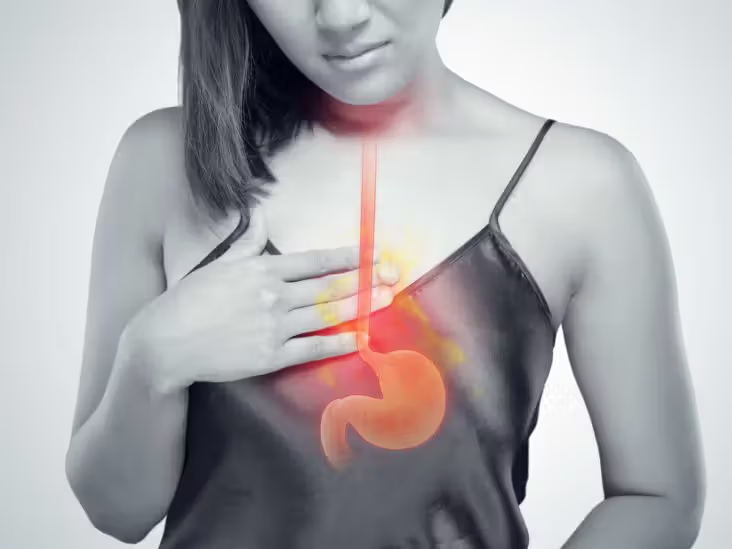
The throat is a critical component of the digestive system, acting as a conduit for food and liquids to travel from the mouth to the stomach. Throat Surgery in Indore is often necessary for treating severe conditions such as esophageal cancer, achalasia, or significant gastroesophageal reflux disease (GERD) that doesn’t respond to other treatments.
Headings
Sub-headings
Introduction
Importance of Esophagus Surgery, Why Choose Indore, Overview of Surgical Procedures
Understanding Esophagus Surgery
What is Esophagus Surgery?, Common Conditions Requiring Surgery, Symptoms Indicating Need for Surgery
Types of Esophagus Surgery
Open Esophagectomy, Minimally Invasive Esophagectomy (MIE), Endoscopic Procedures
Why Choose Indore for Esophagus Surgery
Leading Hospitals and Clinics, Experienced Surgeons, Cost-Effectiveness, Advanced Medical Technology
Top Hospitals for Esophagus Surgery in Indore
Medanta Hospital, CHL Hospitals, Bombay Hospital, Apollo Hospitals
Pre-Surgery Preparations
Medical Evaluations, Lifestyle Adjustments, Pre-Surgical Counseling
The Surgical Procedure
Preoperative Procedures, Steps of Esophagus Surgery, Postoperative Care
Post-Surgery Recovery
Immediate Postoperative Care, Long-term Recovery, Dietary Changes, Physical Therapy
Risks and Complications
Common Risks, Managing Complications, When to Seek Medical Help
Success Rates and Prognosis
Success Rates in Indore, Factors Affecting Prognosis, Patient Testimonials
Costs and Insurance Coverage
Surgery Costs in Indore, Insurance Options, Financing Surgery
Choosing the Right Surgeon
Qualifications to Look For, Questions to Ask Your Surgeon, Surgeon Profiles in Indore
Patient Care and Support
Emotional Support, Family Involvement, Patient Care Programs
Innovations in Esophagus Surgery
Latest Surgical Techniques, Role of Robotics, Future Prospects
Living After Esophagus Surgery
Adjusting to Lifestyle Changes, Long-term Health Monitoring, Support Groups
FAQs
Common Patient Questions, Answers to FAQs, Tips for Recovery
Conclusion
Summary of Key Points, Encouragement for Potential Patients, Contact Information for Hospitals in Indore
Why Choose Indore
Indore has emerged as a leading destination for Throat surgery due to its advanced healthcare infrastructure, skilled surgeons, and cost-effective medical care. This city in Madhya Pradesh, India, offers a blend of modern medical technology and traditional patient care, making it a preferred choice for both domestic and international patients.
Overview of Surgical Procedures
Throat surgery can range from minimally invasive procedures to major surgeries depending on the condition being treated. These procedures are designed to remove tumors, repair damaged tissue, or correct functional disorders of the esophagus.
Understanding ThroatSurgery
What is Esophagus Surgery?
Throat surgery encompasses a variety of procedures aimed at treating diseases and conditions affecting the esophagus. These can include resection of cancerous or non-cancerous growths, reconstruction of the esophageal passage, and correction of anatomical abnormalities.
Common Conditions Requiring Surgery
Esophageal Cancer: Tumors that form in the lining of the esophagus.
Achalasia: A condition where the esophagus loses the ability to move food toward the stomach.
Barrett’s Esophagus: A precursor to esophageal cancer involving changes in the esophageal lining due to chronic acid reflux.
Severe GERD: Chronic acid reflux that damages the esophagus and does not respond to medication.
Symptoms Indicating Need for Surgery
Symptoms that might necessitate esophagus surgery include difficulty swallowing (dysphagia), chronic heartburn, unexplained weight loss, chest pain, and persistent cough or hoarseness. Early diagnosis and timely surgical intervention can significantly improve outcomes.
Types of Throat Surgery
Open Esophagectomy
An open esophagectomy involves the removal of a portion or all of the esophagus through a large incision in the chest or abdomen. This traditional method provides the surgeon with direct access to the esophagus but requires a longer recovery period.
Minimally Invasive Esophagectomy (MIE)
MIE is a less invasive option where surgeons use small incisions and specialized instruments to remove the affected part of the esophagus. This technique usually results in shorter hospital stays, less pain, and quicker recovery times compared to open surgery.
Endoscopic Procedures
For early-stage cancers and precancerous conditions, endoscopic procedures such as endoscopic mucosal resection (EMR) or endoscopic submucosal dissection (ESD) can be effective. These techniques involve removing abnormal tissues using an endoscope inserted through the mouth.
Throat Surgery in Indore
Leading Hospitals and Clinics
Indore boasts several top-tier hospitals equipped with state-of-the-art facilities and highly trained medical staff. These institutions provide comprehensive care and ensure the best possible outcomes for patients undergoing esophagus surgery.
Experienced Surgeons
The city is home to some of the most experienced and skilled surgeons specializing in esophagus surgery. Their expertise is enhanced by continuous training and exposure to the latest advancements in medical science.
Cost-Effectiveness
Esophagus surgery in Indore is significantly more affordable compared to many Western countries without compromising on quality. This cost advantage, coupled with excellent medical care, makes Indore an attractive destination for medical tourists.
Advanced Medical Technology
Hospitals in Indore are equipped with the latest medical technology, including advanced imaging systems, robotic surgery platforms, and cutting-edge surgical instruments, ensuring high precision and better surgical outcomes.
Top Hospitals for Throat Surgery in Indore
Apollo Hospitals
Apollo Hospitals, a name synonymous with quality healthcare, provides world-class Throat surgery services in Indore. The hospital is known for its multidisciplinary approach and patient-centric care.
Medanta Hospital
Medanta is renowned for its multi-specialty services and cutting-edge technology. The hospital offers comprehensive esophagus surgery programs and boasts a team of highly experienced surgeons.
CHL Hospitals
CHL Hospitals provide top-notch medical care with a focus on patient safety and comfort. Their esophagus surgery department is known for its high success rates and patient satisfaction.
Bombay Hospital
With a legacy of medical excellence, Bombay Hospital in Indore offers specialized care for esophageal conditions. The hospital is equipped with advanced diagnostic and surgical facilities.
Pre-Surgery Preparations
Medical Evaluations
Before undergoing esophagus surgery, patients must undergo thorough medical evaluations including blood tests, imaging studies, and sometimes, endoscopic examinations. These evaluations help in planning the surgery and anticipating potential complications.
Lifestyle Adjustments
Patients are often advised to make lifestyle changes such as quitting smoking, adopting a healthier diet, and managing stress. These adjustments can improve surgical outcomes and speed up recovery.
Pre-Surgical Counseling
Pre-surgical counseling sessions are crucial in preparing patients mentally and emotionally for the surgery. These sessions provide detailed information about the procedure, recovery expectations, and potential risks.
The Surgical Procedure
Preoperative Procedures
On the day of surgery, preoperative procedures include fasting, administering anesthesia, and positioning the patient. The surgical team ensures that all protocols are followed to minimize risks.
Steps of Esophagus Surgery
The specific steps vary depending on the type of surgery but generally include making the necessary incisions, removing or repairing the affected part of the esophagus, and reconstructing the digestive tract as needed.
Postoperative Care
Immediate postoperative care involves monitoring vital signs, managing pain, and preventing infections. Patients are usually kept in the intensive care unit (ICU) for the first few days.
Post-Surgery Recovery
Immediate Postoperative Care
In the initial recovery phase, patients receive fluids through an IV, and feeding tubes might be used until they can eat normally. Pain management and infection prevention are critical during this time.
Long-term Recovery
Long-term recovery involves gradual reintroduction of solid foods, regular follow-ups, and physical therapy to regain strength. Patients need to adhere to dietary guidelines and avoid strenuous activities initially.
Dietary Changes
Post-surgery, dietary changes are essential. Patients are advised to eat smaller, more frequent meals and avoid foods that can irritate the esophagus. Maintaining proper nutrition is crucial for recovery.
Physical Therapy
Physical therapy helps in regaining mobility and strength after surgery. It includes exercises to improve breathing, posture, and overall physical condition.
Risks and Complications
Common Risks
Risks associated with esophagus surgery include infection, bleeding, anastomotic leak (leakage from the surgical connection), and respiratory complications. Prompt medical intervention can manage these risks effectively.
Managing Complications
Hospitals in Indore are equipped to handle complications with a dedicated team of specialists. Early detection and treatment of complications are critical to ensure a smooth recovery.
When to Seek Medical Help
Patients should seek immediate medical help if they experience symptoms such as severe chest pain, difficulty breathing, high fever, or signs of infection at the incision site.
Success Rates and Prognosis
Success Rates in Indore
The success rates for esophagus surgery in Indore are comparable to international standards. Factors contributing to high success rates include experienced surgeons, advanced medical facilities, and comprehensive post-surgical care.
Factors Affecting Prognosis
Prognosis depends on various factors such as the stage of the disease, patient’s overall health, and the type of surgery performed. Early diagnosis and treatment significantly improve the chances of a successful outcome.
Patient Testimonials
Many patients who have undergone esophagus surgery in Indore have shared positive experiences. Testimonials often highlight the quality of care, the expertise of surgeons, and the support received throughout the treatment process.
Costs and Insurance Coverage
Surgery Costs in Indore
The cost of esophagus surgery in Indore is significantly lower compared to Western countries. The affordability without compromising on quality attracts many patients from around the world.
Insurance Options
Many hospitals in Indore accept international insurance plans. It’s advisable to check with your insurance provider regarding coverage for esophagus surgery.
Financing Surgery
For those without insurance, hospitals offer various financing options and payment plans to make the surgery affordable. Consulting with hospital financial advisors can help patients explore these options.
Choosing the Right Surgeon
Qualifications to Look For
When choosing a surgeon, look for qualifications such as board certification, specialized training in esophagus surgery, and years of experience. A surgeon’s track record and patient reviews are also important.
Questions to Ask Your Surgeon
What is your experience with esophagus surgery?
What are the potential risks and complications?
How long will the recovery process take?
What should I expect in terms of pain management and postoperative care?
Surgeon Profiles in Indore
Indore has a pool of highly qualified surgeons specializing in esophagus surgery. Many of them have trained and practiced internationally, bringing a wealth of knowledge and expertise to their practice.
Patient Care and Support
Emotional Support
Undergoing surgery can be emotionally challenging. Hospitals in Indore provide counseling services and support groups to help patients and their families cope with the stress and anxiety related to surgery.
Family Involvement
Involving family members in the treatment process can significantly enhance patient recovery. Hospitals encourage family participation in pre-surgical counseling and postoperative care.
Patient Care Programs
Many hospitals offer comprehensive patient care programs that include nutritional counseling, physical therapy, and psychological support. These programs are designed to provide holistic care to patients.
Innovations in Throat Surgery
Latest Surgical Techniques
The field of Throat surgery is continually evolving with new techniques such as minimally invasive surgery, robotic-assisted surgery, and advanced endoscopic procedures improving patient outcomes.
Role of Robotics
Robotic-assisted surgery provides greater precision and control, leading to less trauma and quicker recovery times. Many hospitals in Indore are equipped with the latest robotic surgery systems.
Future Prospects
Ongoing research and technological advancements promise to further enhance the efficacy and safety of Throat surgery. Developments in imaging technology, surgical instruments, and postoperative care continue to improve patient outcomes.
Living After Throat Surgery
Adjusting to Lifestyle Changes
Post-surgery, patients need to adjust to lifestyle changes such as dietary modifications and regular health monitoring. These changes are essential for maintaining health and preventing complications.
Long-term Health Monitoring
Regular follow-ups and health screenings are crucial for monitoring recovery and detecting any recurrence of the disease. Patients should adhere to their doctor’s recommendations for long-term health.
Support Groups
Joining support groups can provide emotional and practical support. These groups offer a platform for sharing experiences, receiving advice, and gaining encouragement from others who have undergone similar surgeries.
FAQs
What is the typical recovery time after Throatsurgery?
Recovery time can vary depending on the type of surgery and the patient’s overall health. Generally, it takes about 4-6 weeks to recover from minimally invasive surgery and longer for open surgery.
Are there any dietary restrictions after Throat surgery?
Yes, patients are advised to follow a specific diet post-surgery. This includes eating smaller, more frequent meals and avoiding foods that can irritate the Throat.
What are the risks of Throat surgery?
Common risks include infection, bleeding, and anastomotic leak. However, with proper medical care, these risks can be managed effectively.
How do I choose the right surgeon for Throat surgery in Indore?
Look for a surgeon with board certification, specialized training in Throat surgery, and a good track record. Patient reviews and hospital affiliations can also provide useful information.
Is Throat surgery in Indore cost-effective?
Yes, Throat surgery in Indore is more affordable compared to Western countries without compromising on quality. This makes it a preferred destination for medical tourists.
Can I get insurance coverage for Throat surgery in Indore?
Many hospitals in Indore accept international insurance plans. It’s advisable to check with your insurance provider about coverage for Throat surgery.
Conclusion
Throat surgery is a critical intervention for treating severe esophageal conditions. Indore, with its advanced medical infrastructure, experienced surgeons, and cost-effective care, stands out as an excellent destination for this surgery. Patients can expect comprehensive care, from pre-surgical preparations to postoperative recovery, ensuring the best possible outcomes. If you or a loved one requires esophagus surgery, consider the high-quality medical services available in Indore.
Meet Your Doctor
The Best Laparoscopic Surgeon in Indore
Dr. Nikunj Jain is a renowned Gastro & Minimal Access Laparoscopic Surgeon. He is a Surgical Gastroenterologist, Consultant Surgeon at Apollo Hospital, Indore having expertise in laparoscopic, Laser, and Robotic Surgery.
You can be confident that with Dr. Nikunj Jain your well-being is in the capable hands of a highly-skilled Minimally Invasive Laparoscopic & Robotic Surgeon. Dr. Nikunj Jain strives to treat his patients with an honest, straightforward, and caring nature in a safe and comfortable environment.
Dr. Nikunj Jain has been awarded Dr. B. Ramamurthi National Gold Medal by National Board of Examination.
Call Now to book Appointment
+91-97114-59697
Head Quarter Building
3rd Floor, Satya Sai Square, Vijay Nagar, Indore – MP
Finding the right hernia surgeon can make all the difference in your treatment outcome. If you’re searching for “hernia surgeons near me,” it’s essential to understand the process of selecting the best specialist for your needs. This guide will delve into the crucial aspects of choosing a hernia surgeon, providing you with the knowledge and confidence to make an informed decision.
Introduction
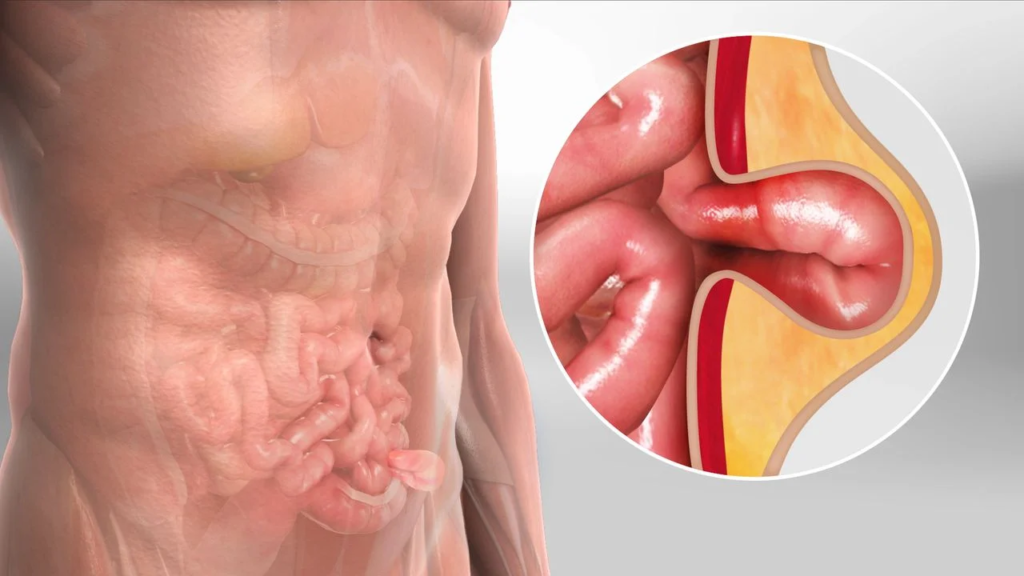
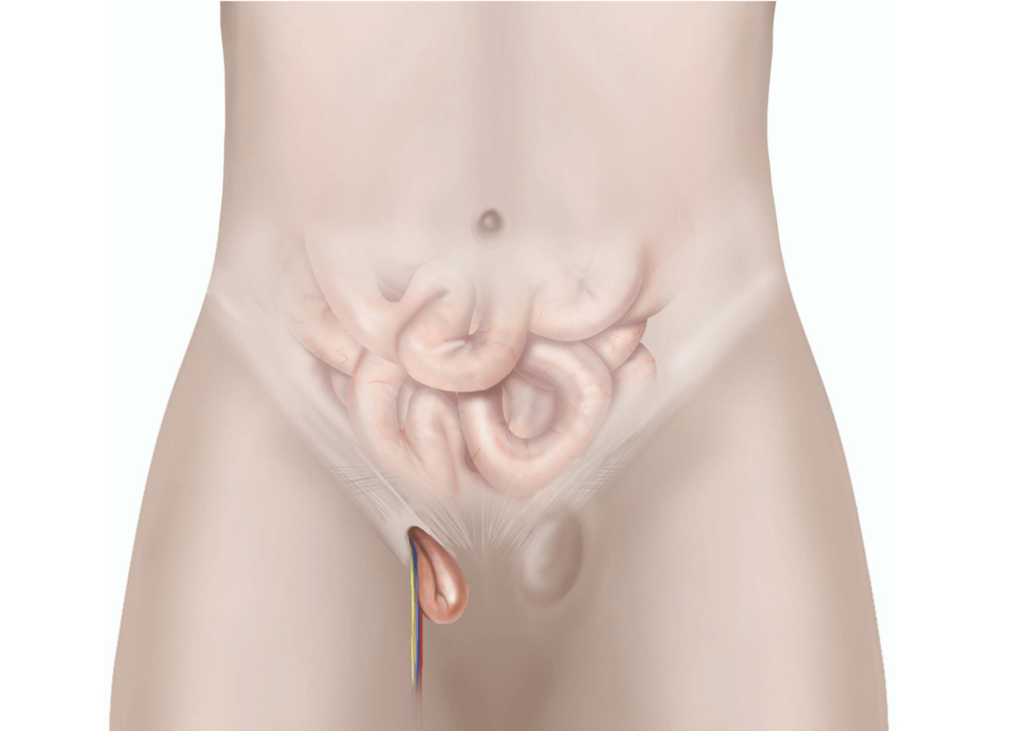
A hernia occurs when an internal part of the body pushes through a weakness in the muscle or surrounding tissue wall. Common types include inguinal, femoral, umbilical, and hiatal hernias. Surgery is often required to repair the hernia and prevent complications. The success of this surgery largely depends on the expertise of the surgeon. This guide will help you navigate the process of finding the best hernia surgeons near me, ensuring you receive top-notch care and treatment.
Understanding Hernia Surgery
What is a Hernia?
A hernia develops when an organ or tissue pushes through an opening in the muscle or tissue that holds it in place. Hernias are most commonly found in the abdomen, but they can also appear in the upper thigh, belly button, and groin areas.
Types of Hernias
Types of Hernias
Hernias can manifest in various forms, each with its unique characteristics and treatment requirements. Understanding the different types of hernias is crucial for accurate diagnosis and effective treatment. Here’s an in-depth look at the most common types of hernias:
Inguinal Hernia
Inguinal hernias are the most prevalent type of hernia, accounting for about 75% of all hernia cases. They occur when a portion of the intestine or abdominal tissue protrudes through a weak spot in the inguinal canal in the groin area. This type is more common in men due to the natural weakness in the area from the descent of the testes.
Symptoms of Inguinal Hernia:
A noticeable bulge in the groin area
Pain or discomfort, especially when bending over, coughing, or lifting
A heavy or dragging sensation in the groin
Weakness or pressure in the groin
Swelling around the testicles if the protruding intestine descends into the scrotum
Femoral Hernia
Femoral hernias are less common and typically occur in women, particularly those who are pregnant or obese. They develop when a portion of the intestine pushes through a weak spot in the femoral canal, located just below the inguinal ligament in the upper thigh.
Symptoms of Femoral Hernia:
A bulge near the upper thigh or groin
Severe pain and discomfort, particularly when standing, lifting heavy objects, or straining
Possible nausea and vomiting if the hernia becomes obstructed or strangulated
Umbilical Hernia
Umbilical hernias are common in infants but can also occur in adults. They happen when part of the intestine protrudes through the abdominal wall near the navel. In infants, these hernias often close on their own by age 1 or 2, but in adults, surgery is usually required to repair the hernia.
Symptoms of Umbilical Hernia:
A soft bulge near the navel, which may become more noticeable when the baby cries, coughs, or strains
In adults, a noticeable bulge at the belly button
Pain or tenderness around the navel
Hiatal Hernia
A hiatal hernia occurs when part of the stomach pushes up through the diaphragm into the chest cavity. The diaphragm is a muscle that helps with breathing and separates the chest from the abdomen. Hiatal hernias are categorized into two types: sliding and paraesophageal.
Symptoms of Hiatal Hernia:
Heartburn or acid reflux
Difficulty swallowing
Chest pain or discomfort
Regurgitation of food or liquids into the mouth
Shortness of breath
Incisional Hernia
Incisional hernias can develop at the site of a previous surgical incision in the abdomen. They occur when the tissue pushes through the weakened muscle wall due to the surgical cut. These hernias are more likely to happen if the surgical site didn’t heal properly, if there was an infection, or if there was excessive strain on the area.
Symptoms of Incisional Hernia:
A bulge near the site of a previous surgical incision
Discomfort or pain around the bulge, especially when lifting, coughing, or straining
Possible nausea and vomiting if the hernia becomes obstructed or strangulated
Epigastric Hernia
Epigastric hernias occur when fat tissue pushes through the abdominal wall between the navel and the lower part of the rib cage. These hernias are usually small and may not cause noticeable symptoms, but they can sometimes cause discomfort.
Symptoms of Epigastric Hernia:
A small bump in the upper abdomen
Pain or tenderness around the bulge
Nausea or vomiting if the hernia becomes strangulated
Spigelian Hernia
Spigelian hernias are rare and occur along the edge of the rectus abdominis muscle, which is located on the front of the abdomen. They are typically found lower down the abdomen and can be challenging to diagnose because they don’t always cause a noticeable bulge.
Symptoms of Spigelian Hernia:
Pain or discomfort in the lower abdomen
A bulge that may be difficult to see or feel
Symptoms that worsen with physical activity or strain
Obturator Hernia
Obturator hernias are also rare and occur when part of the intestine protrudes through the obturator foramen, an opening in the pelvic bone. This type of hernia is more common in women, particularly older women who have had multiple pregnancies.
Symptoms of Obturator Hernia:
Groin pain, particularly on the inner thigh
Bowel obstruction symptoms, such as nausea, vomiting, and constipation
Pain that worsens with leg movements
Diaphragmatic Hernia
A diaphragmatic hernia is a defect or hole in the diaphragm that allows abdominal organs to move into the chest cavity. This can be a congenital condition (present at birth) or acquired due to trauma. Congenital diaphragmatic hernias require immediate medical attention after birth.
Symptoms of Diaphragmatic Hernia:
Severe respiratory distress in newborns
Difficulty breathing
Chest pain
Gastrointestinal symptoms, such as nausea or vomiting
Recognizing the type of hernia you have is the first step towards effective treatment. Each type of hernia has its unique characteristics and may require different surgical approaches. If you’re experiencing any symptoms of a hernia, it’s essential to consult a healthcare professional who can provide a proper diagnosis and recommend the best treatment options. Whether it’s an inguinal, femoral, umbilical, or another type of hernia, understanding your condition will help you make informed decisions about your health and treatment options.
Why is Hernia Surgery Necessary?
Surgery is the most effective way to repair a hernia. Without treatment, hernias can lead to complications such as strangulation, where the blood supply to the trapped tissue is cut off, leading to tissue death. Hernia surgery aims to return the displaced tissue to its proper place and close the opening in the muscle wall.
Types of Hernia Surgery
Open Hernia Repair
In open hernia repair, the surgeon makes an incision near the hernia, pushes the protruding tissue back into place, and then repairs the muscle wall with sutures, mesh, or both. This method is effective and widely used.
Laparoscopic Hernia Repair
Laparoscopic surgery is a minimally invasive procedure. The surgeon makes small incisions and uses a laparoscope (a thin tube with a camera) to view and repair the hernia. This method typically results in less post-operative pain and a quicker recovery.
Robotic Hernia Repair
Robotic surgery is similar to laparoscopic surgery but uses robotic arms controlled by the surgeon. This approach allows for greater precision and flexibility.
Choosing the Right Hernia Surgeon
Qualifications and Experience
When looking for “hernia surgeons near me,” it’s vital to consider the surgeon’s qualifications and experience. Ensure the surgeon is board-certified and has extensive experience in hernia repair surgeries. Surgeons with specialized training and a high volume of hernia surgeries typically have better outcomes.
Reputation and Reviews
Online reviews and patient testimonials can provide insight into a surgeon’s reputation. Look for surgeons with positive feedback regarding their expertise, bedside manner, and post-operative care.
Hospital Affiliations
Consider the hospitals where the surgeon practices. Top-rated hospitals often have better resources, facilities, and support staff, contributing to higher success rates in surgeries.
Consultation Process
Schedule consultations with potential surgeons to discuss your condition, treatment options, and the surgeon’s approach. Use this opportunity to ask questions and gauge your comfort level with the surgeon.
Insurance and Costs
Verify that the surgeon accepts your insurance plan to avoid unexpected expenses. Discuss the costs associated with the surgery, including the surgeon’s fees, hospital charges, and any additional costs.
Top Hernia Surgeons Near Me
Dr. Nikunj Jain
Dr. Nikunj Jain is a renowned Gastro & Minimal Access Laparoscopic Surgeon. He is a Surgical Gastroenterologist, Consultant Surgeon at Apollo Hospital, Indore having expertise in laparoscopic, Laser, and Robotic Surgery. You can be confident that with Dr. Nikunj Jain your well-being is in the capable hands of a highly-skilled Minimally Invasive Laparoscopic & Robotic Surgeon. Dr. Nikunj Jain strives to treat his patients with an honest, straightforward, and caring nature in a safe and comfortable environment.
Dr. John Smith, MD
Dr. John Smith is a renowned hernia surgeon with over 20 years of experience. Board-certified and specializing in minimally invasive hernia repairs, Dr. Smith is known for his meticulous approach and high patient satisfaction rates. He practices at ABC Hospital, a top-rated medical center with state-of-the-art facilities.
Dr. Emily Davis, MD
Dr. Emily Davis has a stellar reputation in the field of hernia surgery. With a focus on laparoscopic and robotic hernia repairs, Dr. Davis has consistently achieved excellent outcomes. She is affiliated with XYZ Hospital, recognized for its advanced surgical technology and exceptional patient care.
Dr. Michael Brown, MD
Dr. Michael Brown is a highly experienced hernia surgeon specializing in complex cases. He combines his expertise in both open and laparoscopic techniques to provide personalized treatment plans. Dr. Brown practices at DEF Hospital, known for its comprehensive surgical services and dedicated staff.
Preparing for Hernia Surgery
Pre-Operative Instructions
Before surgery, your surgeon will provide specific instructions to ensure you are adequately prepared. This may include dietary restrictions, medication adjustments, and pre-surgical tests.
Understanding the Procedure
Make sure you fully understand the surgical procedure, including the risks and benefits. Discuss any concerns with your surgeon during the consultation.
Post-Operative Care
Recovery Time
Recovery time varies depending on the type of surgery performed. Laparoscopic and robotic surgeries typically have shorter recovery periods compared to open surgery.
Follow-Up Appointments
Attend all follow-up appointments to monitor your recovery progress. Your surgeon will check for any complications and provide guidance on resuming normal activities.
Lifestyle Adjustments
Adopting a healthy lifestyle can aid in recovery and prevent future hernias. This includes maintaining a healthy weight, avoiding heavy lifting, and practicing proper lifting techniques.
FAQs
What are the common symptoms of a hernia?
Common symptoms include a noticeable bulge, discomfort or pain at the site of the bulge, especially when bending over or lifting, and in some cases, nausea or vomiting.
How do I find the best hernia surgeons near me?
Research surgeons’ qualifications, experience, and patient reviews. Schedule consultations to discuss your condition and gauge your comfort level with the surgeon.
What should I expect during the recovery period?
Expect some discomfort and limited activity initially. Follow your surgeon’s post-operative instructions, attend follow-up appointments, and gradually resume normal activities as advised.
Can hernias recur after surgery?
While hernia repair surgeries are generally successful, there is a small risk of recurrence. Choosing an experienced surgeon and following post-operative care instructions can minimize this risk.
Are there non-surgical treatments for hernias?
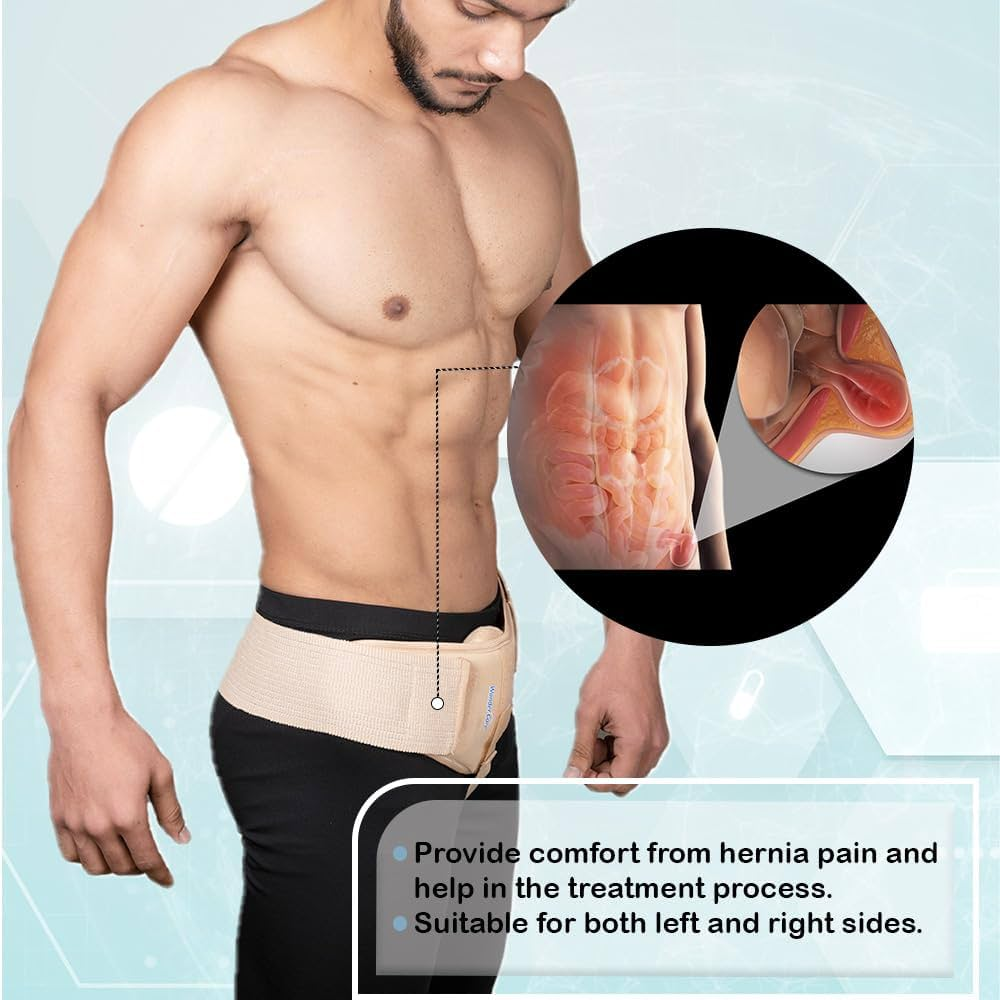
Non-surgical treatments, such as wearing a truss or belt, may provide temporary relief but do not address the underlying issue. Surgery is the most effective treatment for hernias.
How long does hernia surgery take?
The duration of hernia surgery varies depending on the type of surgery and the complexity of the case. Generally, it takes about one to two hours.
Conclusion
Choosing the right hernia surgeon is crucial for a successful outcome. By understanding the different types of hernias and surgeries, considering the qualifications and experience of surgeons, and preparing adequately for surgery, you can ensure a smooth and effective treatment process. Whether you’re dealing with an inguinal, umbilical, or another type of hernia, finding the best “hernia surgeons near me” is the first step towards a healthier, pain-free life.
Meet Your Doctor
The Best Laparoscopic Surgeon in Indore
Dr. Nikunj Jain is a renowned Gastro & Minimal Access Laparoscopic Surgeon. He is a Surgical Gastroenterologist, Consultant Surgeon at Apollo Hospital, Indore having expertise in laparoscopic, Laser, and Robotic Surgery.
You can be confident that with Dr. Nikunj Jain your well-being is in the capable hands of a highly-skilled Minimally Invasive Laparoscopic & Robotic Surgeon. Dr. Nikunj Jain strives to treat his patients with an honest, straightforward, and caring nature in a safe and comfortable environment.
Dr. Nikunj Jain has been awarded Dr. B. Ramamurthi National Gold Medal by National Board of Examination.
Email your reports
drnikunjjain@gmail.com
Call Now to book Appointment
+91-97114-59697
Head Quarter Building
3rd Floor, Satya Sai Square, Vijay Nagar, Indore – MP
Bariatric surgery has become a pivotal solution for individuals struggling with obesity. The procedure not only aids in significant weight loss but also helps alleviate associated health issues. If you are considering bariatric surgery in Indore, finding the right surgeon is crucial for a successful outcome. This article delves into the expertise, experience, and available procedures provided by Top Bariatric Surgeon in Indore: Your Path to Effective Weight Loss, ensuring you embark on your weight loss journey with confidence.
Understanding Bariatric Surgery
Bariatric Surgery: An Overview
Bariatric surgery encompasses a variety of procedures aimed at reducing weight by altering the digestive system. The most common types include gastric bypass, sleeve gastrectomy, adjustable gastric band, and biliopancreatic diversion with duodenal switch. These procedures are recommended for individuals with a Body Mass Index (BMI) of 40 or higher, or those with a BMI of 35 or higher accompanied by serious health conditions like diabetes or hypertension.
Benefits of Bariatric Surgery
The primary goal of bariatric surgery is to assist in weight loss. However, the benefits extend beyond just shedding pounds. Patients often experience improvements in obesity-related conditions such as type 2 diabetes, sleep apnea, heart disease, and joint pain. Additionally, many patients report an enhanced quality of life and psychological well-being post-surgery.
Top Bariatric Surgeon in Indore
Finding the Right Bariatric Surgeon in Indore
Expertise and Qualifications
Selecting a qualified bariatric surgeon is paramount. Look for a surgeon who is board-certified and has specialized training in bariatric procedures. Experience is another critical factor; a surgeon who has performed numerous bariatric surgeries is likely to have refined their skills and reduced the risk of complications.
Advanced Facilities and Technology
Top bariatric surgeons in Indore are typically affiliated with hospitals or clinics that boast state-of-the-art facilities. Advanced technology and equipment play a significant role in ensuring the safety and success of the surgery. From minimally invasive techniques to robotic-assisted surgeries, the use of cutting-edge technology enhances precision and recovery outcomes.
Top Bariatric Surgeons in Indore
Dr. Nikunj Jain
Dr. Nikunj Jain is a renowned Gastro & Minimal Access Laparoscopic Surgeon. He is a Surgical Gastroenterologist, Consultant Surgeon at Apollo Hospital, Indore having expertise in laparoscopic, Laser, and Robotic Surgery. You can be confident that with Dr. Nikunj Jain your well-being is in the capable hands of a highly-skilled Minimally Invasive Laparoscopic & Robotic Surgeon. Dr. Nikunj Jain strives to treat his patients with an honest, straightforward, and caring nature in a safe and comfortable environment. Dr. Nikunj Jain has been awarded Dr. B. Ramamurthi National Gold Medal by National Board of Examination.
Dr. Mohit Bhandari
Dr. Mohit Bhandari is a renowned name in the field of bariatric surgery in Indore. With extensive experience and numerous successful surgeries to his credit, Dr. Bhandari has established himself as a leading expert. He is known for his patient-centric approach and commitment to utilizing the latest surgical techniques.
Dr. Sanjay Agrawal
Another prominent bariatric surgeon in Indore is Dr. Sanjay Agrawal. With a focus on providing comprehensive care, Dr. Agrawal combines his surgical expertise with a holistic approach to weight loss, including nutritional counseling and post-surgery support.
Types of Bariatric Surgery Available in Indore
Gastric Bypass Surgery
Gastric bypass surgery involves creating a small pouch at the top of the stomach and connecting it directly to the small intestine. This limits the amount of food the stomach can hold and reduces calorie absorption. The procedure is highly effective for weight loss and is known to improve or resolve many obesity-related conditions.
Sleeve Gastrectomy
In a sleeve gastrectomy, a large portion of the stomach is removed, leaving a tube-like structure. This not only restricts food intake but also impacts hormones related to hunger, often resulting in significant weight loss. It is a popular choice due to its simplicity and effectiveness.
Adjustable Gastric Band
The adjustable gastric band procedure involves placing a band around the upper part of the stomach to create a small pouch. The band can be adjusted to control the amount of food intake. Although the weight loss results may be slower compared to other procedures, it is less invasive and reversible.
Biliopancreatic Diversion with Duodenal Switch
This complex procedure combines sleeve gastrectomy and a bypass of a large portion of the small intestine. It is typically recommended for individuals with severe obesity and related health conditions. The procedure results in significant weight loss and requires careful post-surgery monitoring and lifestyle adjustments.
Preparing for Bariatric Surgery
Pre-Surgery Evaluations
Before undergoing bariatric surgery, patients must undergo a comprehensive evaluation. This includes medical assessments, nutritional counseling, and psychological evaluations. These steps ensure that the patient is physically and mentally prepared for the surgery and the lifestyle changes that follow.
Lifestyle Modifications
Patients are often required to make lifestyle modifications before surgery, such as adopting a healthier diet and beginning an exercise regimen. These changes not only aid in pre-surgery weight loss but also set the stage for long-term success post-surgery.
Post-Surgery Care and Support
Immediate Post-Surgery Care
After bariatric surgery, patients need close monitoring to manage pain, ensure proper healing, and prevent complications. Most patients stay in the hospital for a few days, during which time they receive guidance on nutrition, physical activity, and medication.
Long-Term Follow-Up
Successful weight loss through bariatric surgery requires ongoing follow-up care. Regular visits with the surgeon and a dedicated healthcare team help monitor progress, manage any complications, and provide support for maintaining a healthy lifestyle. Nutritional counseling and support groups are often part of the long-term care plan.
The Role of Diet and Exercise
The Role of Diet and Exercise
The journey to successful weight loss through bariatric surgery extends far beyond the operating table. Post-surgery, diet and exercise play pivotal roles in ensuring long-term success and maintaining overall health. While bariatric surgery significantly reduces the capacity of the stomach, making it easier to consume fewer calories, adopting healthy dietary habits and engaging in regular physical activity are essential for achieving and sustaining weight loss. Let’s explore the vital roles that diet and exercise play in the life of a bariatric surgery patient.
Nutritional Guidelines Post-Surgery
Adopting a Nutrient-Dense Diet
Post-surgery, patients need to focus on nutrient-dense foods to ensure they receive adequate vitamins and minerals despite reduced food intake. The smaller stomach size means patients must choose their foods wisely to avoid deficiencies. High-protein foods, fruits, vegetables, whole grains, and healthy fats should form the cornerstone of the post-surgery diet. Protein is particularly crucial as it helps in wound healing, preserving muscle mass, and keeping patients satiated.
Avoiding Empty Calories
Empty calories from sugary drinks, sweets, and junk food should be avoided. These foods offer little nutritional value and can lead to weight regain. Patients are advised to limit their intake of high-calorie, low-nutrient foods to maximize the benefits of their reduced caloric intake. Instead, they should opt for foods rich in essential nutrients that support overall health and well-being.
Portion Control and Eating Habits
Smaller portion sizes are a given after bariatric surgery, but eating habits also need to change. Patients should eat slowly, chew their food thoroughly, and stop eating when they feel full to prevent discomfort and stretching of the stomach pouch. Mindful eating practices help patients tune into their hunger and fullness cues, promoting a healthier relationship with food.
Hydration is Key
Staying hydrated is crucial, but patients must avoid drinking fluids with meals, as this can cause the stomach to fill up quickly and lead to discomfort. Sipping water throughout the day, rather than gulping it down, is recommended. Adequate hydration aids digestion and helps maintain overall health, which is essential for recovery and long-term success.
Incorporating Physical Activity
Starting Slow and Steady
Exercise is an integral part of the weight loss journey post-bariatric surgery. Initially, patients should start with light activities such as walking. As they heal and gain strength, they can gradually increase the intensity and duration of their workouts. The key is to start slow and build up to more strenuous activities over time, ensuring they do not strain themselves too early in the recovery process.
Building a Routine
Establishing a regular exercise routine is essential for maintaining weight loss and improving overall fitness. A balanced workout plan that includes cardiovascular exercises, strength training, and flexibility exercises can enhance physical health, boost metabolism, and promote muscle mass retention. Consistency is vital; regular exercise helps in burning calories, building muscle, and improving cardiovascular health.
Strength Training
Incorporating strength training into the exercise routine is particularly beneficial for bariatric patients. As they lose weight, it’s important to build and maintain muscle mass, which can be compromised due to rapid weight loss. Strength training exercises help in toning muscles, improving metabolism, and ensuring a balanced body composition. Patients can start with light weights or resistance bands and gradually increase the intensity.
Flexibility and Balance
Flexibility and balance exercises, such as yoga or Pilates, can enhance overall fitness and prevent injuries. These exercises improve muscle elasticity, joint mobility, and balance, which are essential for daily activities and overall well-being. They also offer relaxation and stress-relief benefits, which contribute to emotional health.
The Psychological Impact of Diet and Exercise
Boosting Mental Health
Diet and exercise significantly impact mental health. Regular physical activity releases endorphins, which can improve mood and reduce symptoms of depression and anxiety. A balanced diet rich in nutrients also supports brain health and emotional stability. Post-surgery, many patients experience a boost in self-esteem and confidence as they see positive changes in their body and health.
Building a Support System
Having a support system is crucial for success. Engaging in group exercises, joining fitness classes, or participating in bariatric support groups can provide motivation, encouragement, and accountability. Sharing experiences and challenges with others who understand the journey can make a significant difference in maintaining a positive mindset and staying committed to the lifestyle changes.
Addressing Emotional Eating
Bariatric patients often need to address emotional eating habits. Stress, boredom, or other emotional triggers can lead to overeating, which counteracts the benefits of surgery. Developing healthy coping mechanisms, such as mindfulness practices, hobbies, or seeking professional counseling, can help patients manage their emotions without turning to food.
Long-Term Commitment to Health
Sustainable Lifestyle Changes
The success of bariatric surgery is not just about the immediate weight loss; it’s about making sustainable lifestyle changes. Patients must commit to their new eating habits and exercise routines for the long term. Regular follow-ups with healthcare providers, including dietitians and fitness trainers, can provide ongoing support and guidance to ensure lasting success.
Celebrating Milestones
Celebrating milestones and achievements along the way is important for maintaining motivation. Whether it’s losing a certain amount of weight, being able to participate in a new physical activity, or achieving a health-related goal, recognizing and rewarding progress can keep patients motivated and focused on their journey.
The Journey Ahead
Bariatric surgery is a life-changing decision that requires dedication to a healthy lifestyle. The roles of diet and exercise cannot be overstated; they are fundamental to achieving and maintaining weight loss, improving overall health, and enhancing quality of life. By embracing these changes and staying committed, patients can look forward to a healthier, more active, and fulfilling future.
Common Challenges and How to Overcome Them
Managing Food Cravings
One common challenge post-surgery is managing food cravings. Patients are advised to avoid high-calorie, sugary, and fatty foods. Developing healthy eating habits and finding alternatives to comfort foods can help overcome cravings.
Dealing with Emotional Changes
Weight loss surgery often triggers emotional changes. Patients may experience mood swings, depression, or anxiety. Seeking support from counselors or support groups can help address these emotional challenges and promote mental well-being.
The Future of Bariatric Surgery
Innovations and Advances
The field of bariatric surgery is continuously evolving. Innovations such as robotic-assisted surgery, enhanced recovery protocols, and personalized treatment plans are paving the way for safer, more effective procedures. Future advancements may include less invasive techniques and improved long-term outcomes.
Bariatric Surgery and Public Health
As obesity rates continue to rise globally, bariatric surgery is becoming an essential tool in public health strategies to combat obesity-related health issues. Increased awareness and accessibility to bariatric surgery can significantly impact public health outcomes.
Conclusion
Choosing the right bariatric surgeon in Indore is a critical step towards achieving successful weight loss and improved health. With expert surgeons, advanced technology, and comprehensive care, patients can embark on their weight loss journey with confidence. By understanding the different procedures, preparing adequately, and adhering to post-surgery guidelines, individuals can achieve lasting weight loss and a healthier, more fulfilling life.
Frequently Asked Questions
What is the recovery time after bariatric surgery?
Recovery time varies depending on the type of surgery. Generally, patients can return to normal activities within 4-6 weeks. However, full recovery and adaptation to new eating habits may take several months.
Are there any risks associated with bariatric surgery?
Like any surgery, bariatric surgery carries risks such as infection, bleeding, and complications related to anesthesia. However, the benefits often outweigh the risks for individuals struggling with severe obesity.
How much weight can I expect to lose after bariatric surgery?
Weight loss varies depending on the type of surgery and individual factors. On average, patients lose 50-70% of their excess weight within the first year post-surgery.
Will I need to take vitamins and supplements after surgery?
Yes, most patients need to take vitamins and supplements to prevent nutritional deficiencies due to reduced food intake and absorption. A healthcare provider will recommend the appropriate supplements based on individual needs.
Can bariatric surgery be reversed?
Some types of bariatric surgery, like adjustable gastric banding, are reversible. However, procedures like gastric bypass and sleeve gastrectomy are typically permanent and irreversible.
How soon can I start exercising after bariatric surgery?
Patients can usually start light exercises, such as walking, a few days after surgery. More strenuous activities should be gradually introduced as per the surgeon’s advice, typically within 4-6 weeks post-surgery.
Meet Your Doctor
The Best Laparoscopic Surgeon in Indore
Dr. Nikunj Jain is a renowned Gastro & Minimal Access Laparoscopic Surgeon. He is a Surgical Gastroenterologist, Consultant Surgeon at Apollo Hospital, Indore having expertise in laparoscopic, Laser, and Robotic Surgery.
You can be confident that with Dr. Nikunj Jain your well-being is in the capable hands of a highly-skilled Minimally Invasive Laparoscopic & Robotic Surgeon. Dr. Nikunj Jain strives to treat his patients with an honest, straightforward, and caring nature in a safe and comfortable environment.
Dr. Nikunj Jain has been awarded Dr. B. Ramamurthi National Gold Medal by National Board of Examination.
Email your reports
drnikunjjain@gmail.com
Call Now to book Appointment
+91-97114-59697
Head Quarter Building
3rd Floor, Satya Sai Square, Vijay Nagar, Indore – MP
Acid reflux, a common yet distressing condition, affects a significant portion of the population in Indore. Characterized by the backward flow of stomach acid into the esophagus, it can lead to discomfort and more severe health issues if left untreated. This comprehensive guide delves into the causes, symptoms, and treatment options for acid reflux, tailored specifically for residents of Indore.
What is Acid Reflux?
Acid reflux, also known as gastroesophageal reflux disease (GERD), occurs when the lower esophageal sphincter (LES) fails to close properly after food passes into the stomach. This malfunction allows stomach acid to escape into the esophagus, causing irritation and inflammation.
Common Causes of Acid Reflux in Indore
Understanding the underlying causes of acid reflux is crucial for effective management. Several factors contribute to this condition, including:
Dietary Habits: Indore’s rich and spicy cuisine, while delicious, can trigger acid reflux in many individuals. Foods high in fat, spices, and acidity can exacerbate symptoms.
Lifestyle Factors: Certain lifestyle choices, such as smoking, alcohol consumption, and irregular eating patterns, are significant contributors to acid reflux. Late-night meals and lying down immediately after eating can worsen the condition.
Obesity: Carrying excess weight, especially around the abdomen, increases pressure on the stomach, promoting acid reflux. Indore’s increasing rates of obesity are directly linked to rising cases of acid reflux.
Medical Conditions: Conditions such as hiatal hernia, pregnancy, and diabetes can increase the likelihood of developing acid reflux. These conditions alter the normal functioning of the LES or increase abdominal pressure.
Symptoms of Acid Reflux
Recognizing the symptoms of acid reflux is the first step towards seeking appropriate treatment. Common symptoms include:
Heartburn: A burning sensation in the chest, often after eating, which might worsen at night or when lying down.
Regurgitation: A sour or bitter-tasting acid backing up into the throat or mouth.
Dysphagia: Difficulty swallowing, accompanied by a sensation of food being stuck in the throat.
Chronic Cough: A persistent cough that doesn’t seem to be linked to a respiratory condition.
Hoarseness and Sore Throat: Acid can irritate the vocal cords and throat, leading to a hoarse voice or sore throat.
Diagnosis of Acid Reflux in Indore
When experiencing persistent symptoms, it’s essential to seek medical advice. Healthcare providers in Indore use several methods to diagnose acid reflux, including:
Clinical Evaluation: A thorough review of symptoms and medical history to identify potential triggers and lifestyle factors contributing to acid reflux.
Endoscopy: A flexible tube with a camera is inserted through the mouth to examine the esophagus and stomach, checking for signs of inflammation or damage.
pH Monitoring: This test measures the frequency and duration of acid reflux episodes by placing a small probe in the esophagus.
Barium Swallow: Patients swallow a barium solution, and X-rays are taken to visualize the esophagus and stomach, identifying any structural abnormalities.
Treatment Options for Acid Reflux in Indore
Several effective treatment options are available in Indore to manage acid reflux. These range from lifestyle modifications to medical interventions:
Proton Pump Inhibitors (PPIs): Block acid production and allow time for damaged esophageal tissue to heal.
Surgical Interventions: In severe cases, surgical procedures may be necessary. These include:
Fundoplication: The top of the stomach is wrapped around the LES to strengthen it and prevent acid reflux.
LINX Device: A ring of magnetic beads is placed around the LES to enhance its function.
Natural Remedies for Acid Reflux
Many residents of Indore turn to natural remedies to manage acid reflux symptoms. These include:
Aloe Vera Juice: Known for its soothing properties, aloe vera juice can help reduce inflammation in the esophagus.
Ginger: Incorporating ginger into meals or consuming ginger tea can aid digestion and reduce acid reflux symptoms.
Chamomile Tea: Chamomile tea can help soothe the digestive tract and reduce acid production.
Apple Cider Vinegar: A small amount of apple cider vinegar diluted in water before meals can improve digestion and prevent reflux.
Preventive Measures for Acid Reflux
Acid reflux, while manageable, can significantly impact daily life if not properly addressed. Preventive measures are essential in minimizing the frequency and severity of symptoms. Here are effective strategies to prevent acid reflux and promote digestive health:
Healthy Eating Habits
Adopting a balanced and mindful approach to eating can greatly reduce the risk of acid reflux. Here are some dietary guidelines to follow:
Eat Small, Frequent Meals: Consuming smaller, more frequent meals throughout the day can prevent overloading the stomach, which reduces the pressure on the lower esophageal sphincter (LES) and minimizes the likelihood of acid reflux.
Avoid Trigger Foods Certain foods are known to trigger acid reflux symptoms. These include:
Spicy Foods: Chili peppers, hot sauces, and other spicy ingredients can irritate the esophagus.
Fatty Foods: High-fat foods like fried items, cheese, and certain meats slow down digestion and increase the risk of reflux.
Acidic Foods: Citrus fruits, tomatoes, and vinegar-based products can exacerbate symptoms.
Chocolate and Caffeine: Both can relax the LES, making it easier for stomach acid to escape.
Carbonated Beverages: The bubbles can expand in the stomach, increasing pressure and promoting acid reflux.
Chew Food Thoroughly: Taking the time to chew food thoroughly aids digestion and reduces the risk of acid reflux. Eating slowly also allows you to recognize when you’re full, preventing overeating.
Stay Upright After Eating: Avoid lying down or reclining immediately after meals. Remaining upright for at least two to three hours post-meal helps gravity keep stomach acid from rising into the esophagus.
Healthy Lifestyle Choices
Making certain lifestyle adjustments can significantly impact your overall digestive health and reduce the risk of acid reflux:
Maintain a Healthy Weight: Excess weight, particularly around the abdomen, can increase pressure on the stomach and LES. Engaging in regular physical activity and following a balanced diet can help achieve and maintain a healthy weight, reducing the incidence of acid reflux.
Avoid Smoking and Limit Alcohol: Smoking can weaken the LES, while alcohol can increase stomach acid production and relax the LES. Avoiding smoking and limiting alcohol consumption can help prevent acid reflux.
Wear Loose Clothing: Tight clothing, especially around the waist, can put pressure on the stomach and LES. Opt for loose-fitting garments to minimize this risk.
Manage Stress: Stress can exacerbate acid reflux symptoms. Incorporate stress-reducing activities such as yoga, meditation, deep breathing exercises, or hobbies into your daily routine to maintain a calm and balanced lifestyle.
Sleep Position and Habits
Adjusting your sleeping habits and environment can help prevent nighttime acid reflux:
Elevate the Head of Your Bed: Raise the head of your bed by about 6-8 inches using blocks or a wedge pillow. This elevation helps prevent stomach acid from flowing back into the esophagus during sleep.
Sleep on Your Left Side: Sleeping on your left side can reduce the risk of acid reflux. The position helps keep the LES above the level of stomach acid, reducing the chance of acid rising into the esophagus.
Avoid Late-Night Meals and Snacks: Finish your last meal at least three hours before bedtime to ensure your stomach is relatively empty when you lie down. This practice reduces the likelihood of acid reflux during sleep.
Hydration and Fluid Management
Proper hydration is crucial for overall health, including digestive health. However, fluid management is key to preventing acid reflux:
Drink Plenty of Water: Staying well-hydrated aids digestion and helps dilute stomach acid. Aim to drink water throughout the day, but avoid consuming large amounts of fluid during meals to prevent overfilling the stomach.
Limit Carbonated and Caffeinated Beverages: Both carbonated and caffeinated beverages can contribute to acid reflux. Choose water, herbal teas, and other non-caffeinated, non-carbonated drinks instead.
Regular Exercise
Engaging in regular physical activity can help maintain a healthy weight and promote good digestion:
Incorporate Moderate Exercise: Activities such as walking, cycling, and swimming can aid digestion and reduce the risk of acid reflux. Aim for at least 30 minutes of moderate exercise most days of the week.
Avoid Strenuous Exercise Immediately After Eating: Intense physical activity right after meals can increase the risk of acid reflux. Wait at least two hours after eating before engaging in strenuous exercise.
Monitor and Adjust Medications
Certain medications can contribute to acid reflux. If you suspect your medications are affecting your digestive health, consult with your healthcare provider:
Review Medications with Your Doctor: Some medications, including NSAIDs, certain muscle relaxants, and blood pressure drugs, can relax the LES or irritate the esophagus. Discuss alternatives or adjustments with your doctor if you experience acid reflux symptoms related to medication.
Use Over-the-Counter Remedies Wisely: While antacids and H2 blockers can provide relief, they should be used as directed and not relied upon long-term without medical supervision. If you frequently need these medications, seek medical advice for a more comprehensive treatment plan.
Implementing these preventive measures can significantly reduce the risk of acid reflux and improve your overall digestive health. By adopting healthy eating habits, making mindful lifestyle choices, adjusting sleep habits, managing stress, staying hydrated, engaging in regular exercise, and monitoring medications, you can effectively prevent and manage acid reflux. Remember, consistency is key, and small, gradual changes can lead to significant improvements in your quality of life.
Choosing the Right Doctor for Acid Reflux Treatment in Indore
Selecting a healthcare provider experienced in treating acid reflux is crucial for effective management. Consider the following when choosing a doctor in Indore:
Qualifications and Experience: Look for a gastroenterologist with extensive experience in diagnosing and treating acid reflux.
Patient Reviews: Check online reviews and ask for recommendations from friends and family to find a reputable doctor.
Treatment Approach: Choose a doctor who offers a comprehensive treatment plan, including lifestyle advice, medications, and, if necessary, surgical options.
Living with Acid Reflux: Tips for Daily Management
Living with acid reflux can be challenging, but with the right strategies, it’s possible to manage the symptoms effectively and maintain a good quality of life. Here are some practical tips for daily management of acid reflux:
Keep a Food Diary: Tracking what you eat and noting any symptoms that occur can help identify specific foods and drinks that trigger your acid reflux. A food diary can reveal patterns and help you make informed dietary choices. Record the time of your meals, the types of food and drink consumed, and any symptoms experienced. Over time, this can provide valuable insights into your body’s responses.
Wear Loose Clothing: Tight clothing, especially around the abdomen, can increase pressure on your stomach and exacerbate acid reflux. Opt for loose-fitting garments that do not constrict your waist. This small adjustment can make a significant difference in managing symptoms throughout the day.
Avoid Lying Down After Eating: Wait at least three hours after eating before lying down or going to bed. When you lie down immediately after eating, gravity no longer helps keep the stomach acid in the stomach, which can lead to acid reflux. If you need to rest or sleep, consider elevating the head of your bed by about 6-8 inches to keep your head and chest above your stomach.
Practice Relaxation Techniques: Stress can worsen acid reflux symptoms. Incorporate relaxation techniques such as deep breathing, meditation, or yoga into your daily routine. These practices can help reduce stress levels and improve overall well-being, which can, in turn, help manage acid reflux.
Eat Smaller, More Frequent Meals: Instead of three large meals, aim to eat smaller, more frequent meals throughout the day. Overeating can put additional pressure on the LES and increase the likelihood of acid reflux. Smaller meals can help reduce this pressure and keep symptoms at bay.
Stay Hydrated: Drinking plenty of water throughout the day can help dilute stomach acid and aid digestion. However, it’s best to avoid drinking large amounts of water during meals, as this can increase stomach volume and pressure. Instead, sip water between meals to stay hydrated.
Chew Gum: Chewing gum after meals can stimulate saliva production, which helps neutralize stomach acid and wash it back down into the stomach. Choose sugar-free gum to avoid additional health issues and chew for about 30 minutes after eating.
Avoid Smoking and Alcohol: Both smoking and alcohol can weaken the LES, making acid reflux more likely. If you smoke, seek help to quit, and limit or avoid alcohol consumption to manage your symptoms more effectively.
Elevate the Head of Your Bed: If nighttime acid reflux is a problem, try elevating the head of your bed. Use bed risers or a wedge pillow to raise the head of the bed by 6-8 inches. This elevation helps prevent stomach acid from flowing back into the esophagus while you sleep.
Maintain a Healthy Weight: Excess weight, particularly around the abdomen, can increase pressure on the stomach and lead to acid reflux. Engaging in regular physical activity and following a balanced diet can help achieve and maintain a healthy weight, reducing the frequency and severity of acid reflux episodes.
Monitor and Manage Stress: Stress can exacerbate acid reflux symptoms, so it’s important to find effective ways to manage stress. Activities such as regular exercise, mindfulness meditation, deep breathing exercises, and hobbies can help reduce stress levels. Additionally, ensuring you get enough sleep and maintaining a healthy work-life balance are crucial for stress management.
Use Over-the-Counter Medications Wisely: Over-the-counter antacids and H2 blockers can provide quick relief from acid reflux symptoms. However, it’s important to use these medications as directed and not rely on them long-term without consulting a healthcare provider. If you find yourself using these medications frequently, it may be time to seek medical advice for more comprehensive treatment options.
Avoid Eating Before Bed: Eating too close to bedtime can trigger acid reflux, as lying down with a full stomach increases the risk of acid backflow. Aim to finish your last meal at least three hours before going to bed. If you need a snack, choose something light and non-acidic, like a banana or a small portion of oatmeal.
Consult a Healthcare Provider: Regular check-ins with a healthcare provider can help monitor your condition and adjust your treatment plan as needed. If lifestyle changes and over-the-counter medications are not enough to manage your symptoms, a healthcare provider can recommend prescription medications or other treatments.
Living with acid reflux requires ongoing attention and adjustments to your lifestyle. By incorporating these daily management tips, you can significantly reduce your symptoms and improve your quality of life. Remember, what works for one person may not work for another, so it’s important to find the strategies that work best for you and stick with them consistently.
Acid Reflux Treatment Centers in Indore
Indore offers several specialized centers for the treatment of acid reflux. These centers provide comprehensive care, including diagnosis, treatment, and follow-up:
Apollo Hospitals Indore: A renowned healthcare provider offering advanced diagnostic and treatment options for acid reflux, including endoscopy and surgical interventions.
CHL Hospital: Known for its experienced gastroenterology department, CHL Hospital provides personalized treatment plans for acid reflux patients.
Bombay Hospital: With a team of skilled gastroenterologists, Bombay Hospital offers a range of treatments, from lifestyle advice to surgical options.
FAQs
What foods should I avoid to prevent acid reflux? Avoid spicy, fatty, and acidic foods, as well as chocolate, caffeine, and alcohol. These can trigger acid reflux symptoms.
Can acid reflux be cured completely? While acid reflux can be managed effectively with lifestyle changes and medication, it may not be completely curable for everyone. Ongoing management is often required.
Is acid reflux common in Indore? Yes, due to dietary habits and lifestyle factors, acid reflux is relatively common in Indore.
What is the best natural remedy for acid reflux? Ginger and aloe vera juice are popular natural remedies known to soothe the digestive tract and reduce acid reflux symptoms.
How do I choose a good doctor for acid reflux treatment in Indore? Look for a gastroenterologist with experience in treating acid reflux, check patient reviews, and consider their treatment approach.
Can weight loss help reduce acid reflux symptoms? Yes, losing excess weight can significantly reduce the pressure on the stomach and decrease acid reflux symptoms.
Conclusion
Understanding acid reflux and its management is essential for those affected by this condition in Indore. By recognizing the causes and symptoms, seeking timely diagnosis, and implementing effective treatment options, individuals can lead a healthier, more comfortable life. Whether through lifestyle changes, medication, or professional medical intervention, managing acid reflux is within reach. Embrace the available resources and expert advice to navigate this condition successfully.
Meet Your Doctor
The Best Laparoscopic Surgeon in Indore
Dr. Nikunj Jain is a renowned Gastro & Minimal Access Laparoscopic Surgeon. He is a Surgical Gastroenterologist, Consultant Surgeon at Apollo Hospital, Indore having expertise in laparoscopic, Laser, and Robotic Surgery.
You can be confident that with Dr. Nikunj Jain your well-being is in the capable hands of a highly-skilled Minimally Invasive Laparoscopic & Robotic Surgeon. Dr. Nikunj Jain strives to treat his patients with an honest, straightforward, and caring nature in a safe and comfortable environment.
Dr. Nikunj Jain has been awarded Dr. B. Ramamurthi National Gold Medal by National Board of Examination.
Email your reports
drnikunjjain@gmail.com
Call Now to book Appointment
+91-97114-59697
Head Quarter Building
3rd Floor, Satya Sai Square, Vijay Nagar, Indore – MP
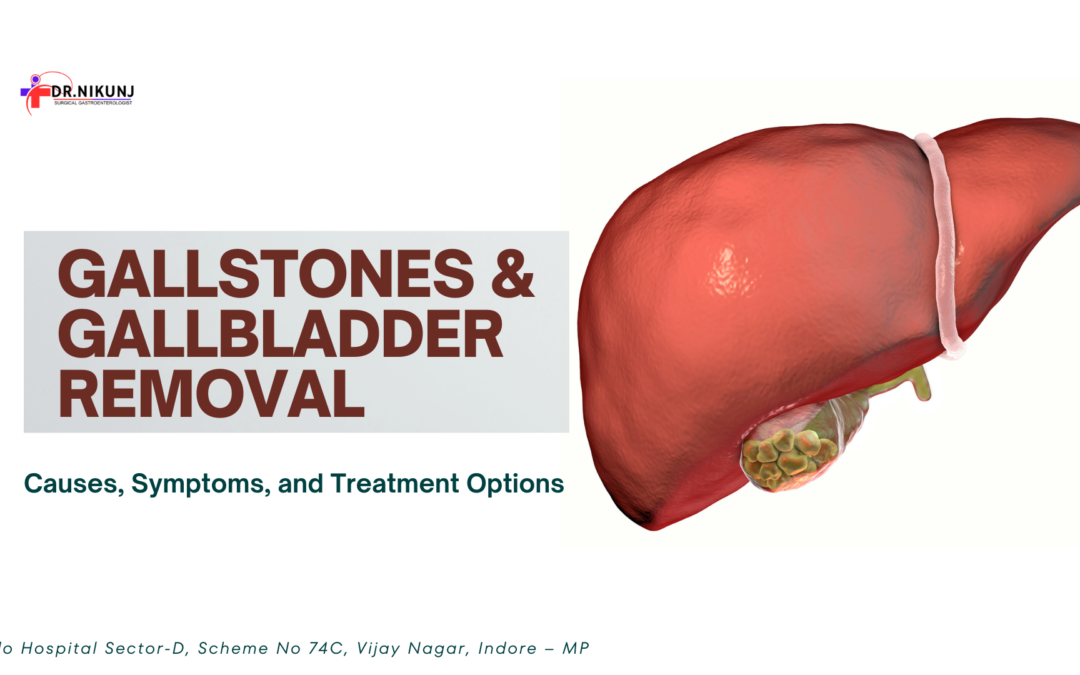
Gallstones are solid particles that form in the gallbladder, a small organ located beneath the liver. These stones can vary in size and composition, causing a range of health issues from mild discomfort to severe complications. Understanding the nature of gallstones, their causes, symptoms, and treatment options is crucial for effective management and prevention.
What are Gallstones?
Gallstones are hardened deposits of digestive fluid that can form in your gallbladder. They can be as small as a grain of sand or as large as a golf ball. Some people develop just one gallstone, while others may develop many at the same time.
The Role of the Gallbladder
The gallbladder plays a vital role in digestion by storing and concentrating bile, a digestive enzyme produced by the liver. Bile helps in the digestion of fats and is released into the small intestine when needed. The gallbladder’s function is to regulate bile flow and ensure that it is released at the right time during digestion.
Function of the Gallbladder in Digestion
The gallbladder stores bile produced by the liver and releases it into the small intestine. This release is triggered by the presence of fatty foods in the stomach. Bile emulsifies fats, making them easier to digest and absorb. Without the gallbladder, bile flows directly from the liver to the small intestine in a continuous, slow drip, which can affect the digestion of fats.
The gallbladder plays a crucial role in the digestive system by storing and concentrating bile, a digestive fluid produced by the liver. This small, pear-shaped organ is located beneath the liver and is part of the biliary system, which is essential for digesting fats and disposing of certain waste products from the body.
Bile Production and Storage
Bile is a yellow-green fluid composed of bile salts, cholesterol, bilirubin, and other substances. It is produced continuously by the liver and serves several key functions in digestion. While the liver secretes bile into the bile ducts, the gallbladder stores and concentrates it between meals. This process involves removing water and electrolytes from the bile, making it more potent.
Release of Bile
When you eat, especially fatty foods, your digestive system sends signals to the gallbladder to release stored bile into the small intestine. This release is triggered by the hormone cholecystokinin (CCK), which is produced by the small intestine in response to the presence of fats. The gallbladder contracts, pushing bile through the cystic duct and into the common bile duct, which then delivers it to the small intestine.
Role of Bile in Digestion
Bile has several important functions in the digestion of fats:
Emulsification of Fats: Bile salts break down large fat globules into smaller droplets, a process known as emulsification. This increases the surface area of the fats, making them more accessible to digestive enzymes.
Facilitation of Enzyme Action: By emulsifying fats, bile enhances the action of lipase, an enzyme produced by the pancreas that breaks down fats into fatty acids and glycerol.
Absorption of Fat-Soluble Vitamins: Bile aids in the absorption of fat-soluble vitamins (A, D, E, and K) and other essential nutrients from the diet.
Elimination of Waste Products: Bile helps in the excretion of waste products, including bilirubin (a byproduct of the breakdown of red blood cells) and excess cholesterol, through the digestive tract.
Impact of Gallbladder Removal on Digestion
When the gallbladder is removed (a procedure known as cholecystectomy), the body adapts to the absence of this organ. Bile produced by the liver flows directly into the small intestine via the bile ducts, rather than being stored and concentrated in the gallbladder. This can lead to a continuous, slow trickle of bile into the intestine, which may affect the digestion of fats.
Most people can digest fats adequately after gallbladder removal, but some may experience digestive issues such as diarrhea or fatty stools. Adopting a low-fat diet and eating smaller, more frequent meals can help manage these symptoms and improve digestion.
The gallbladder’s role in digestion is to store, concentrate, and release bile, facilitating the efficient digestion and absorption of fats and fat-soluble vitamins. While the removal of the gallbladder can impact bile storage and release, the body typically adapts well, and most individuals can maintain normal digestive function with some dietary adjustments. Understanding the function of the gallbladder highlights its importance in the digestive process and the body’s ability to compensate when this organ is no longer present.
Causes of Gallstones
Gallstones form when there is an imbalance in the substances that make up bile. When these substances, such as cholesterol or bilirubin, become too concentrated, they can crystallize and form stones. Understanding the underlying causes is essential for prevention and treatment.
Gallstones form when there’s an imbalance in the substances that make up bile, leading to the crystallization and hardening of these substances within the gallbladder. Understanding the various causes of gallstones helps in identifying risk factors and implementing preventive measures. Below are the primary causes and contributing factors to the development of gallstones.
Cholesterol Imbalance
The most common type of gallstones, cholesterol gallstones, forms when bile contains too much cholesterol. Normally, bile contains enough chemicals to dissolve cholesterol excreted by the liver. However, if the liver produces more cholesterol than bile can dissolve, the excess cholesterol may form crystals and eventually stones. Factors contributing to this imbalance include:
Diet: High intake of cholesterol-rich foods and saturated fats can increase cholesterol levels in bile.
Obesity: Excess body weight, particularly around the abdomen, is linked to higher cholesterol levels in bile, reducing bile salt activity, which helps dissolve cholesterol.
Rapid Weight Loss: Losing weight quickly can cause the liver to secrete extra cholesterol into bile, leading to the formation of gallstones.
Bilirubin Overproduction
Bilirubin is a yellow pigment produced from the breakdown of red blood cells. Certain medical conditions can cause the liver to produce excess bilirubin, which contributes to the formation of pigment gallstones. Conditions associated with increased bilirubin production include:
Liver Cirrhosis: Scarring of the liver reduces its ability to process and excrete bilirubin properly.
Biliary Tract Infections: Infections in the bile ducts or gallbladder can increase bilirubin production.
Hemolytic Anemia: Conditions like sickle cell anemia and other blood disorders cause rapid breakdown of red blood cells, increasing bilirubin levels.
Bile Concentration
When the gallbladder fails to empty properly or frequently enough, bile becomes overly concentrated. This concentration can lead to the precipitation of cholesterol or bilirubin, forming stones. Factors influencing bile concentration include:
Gallbladder Function: Impaired gallbladder motility, which can occur due to prolonged fasting, pregnancy, or certain medications, leads to bile stasis and concentration.
Pregnancy: Hormonal changes during pregnancy slow gallbladder motility, contributing to bile concentration and stone formation.
Genetic Factors
A family history of gallstones increases the likelihood of developing them. Genetic predisposition can affect bile composition and gallbladder motility, making some individuals more prone to gallstone formation.
Gender and Hormonal Influence
Women are more likely to develop gallstones than men, primarily due to the effects of estrogen. Factors that increase estrogen levels, such as:
Pregnancy: Elevated estrogen levels during pregnancy increase cholesterol in bile.
Hormone Replacement Therapy: Postmenopausal women undergoing hormone replacement therapy have a higher risk of developing gallstones.
Oral Contraceptives: Birth control pills containing estrogen can increase cholesterol levels in bile.
Diabetes and Insulin Resistance
People with diabetes are at an increased risk of developing gallstones. Insulin resistance, common in type 2 diabetes, can raise cholesterol levels in bile. Additionally, diabetic neuropathy can impair gallbladder function, leading to stasis and concentration of bile.
Dietary Factors
Certain dietary habits can increase the risk of gallstone formation:
High-fat Diet: Consuming a diet high in saturated fats and cholesterol can lead to increased cholesterol levels in bile.
Low-fiber Diet: A lack of dietary fiber can affect bile acid metabolism and increase the risk of gallstones.
Rapid Weight Loss Diets: Diets that promote quick weight loss can trigger an increase in cholesterol secretion by the liver.
Medications
Some medications can increase the risk of gallstones by altering bile composition or affecting gallbladder function. These include:
Cholesterol-lowering Drugs: Certain medications that lower cholesterol levels in the blood can increase cholesterol levels in bile.
Hormonal Medications: Hormone therapy and oral contraceptives can raise cholesterol levels in bile.
Gallstones are caused by a complex interplay of factors, including cholesterol and bilirubin imbalances, gallbladder motility issues, genetic predisposition, and hormonal influences. Recognizing and understanding these causes can help in implementing effective prevention strategies, such as maintaining a healthy diet, managing weight, and addressing underlying medical conditions. By identifying the specific risk factors that apply to an individual, healthcare providers can offer personalized advice to reduce the likelihood of gallstone formation.
Formation of Gallstones
Gallstones form when the bile contains too much cholesterol or bilirubin, or not enough bile salts. These imbalances can cause cholesterol or bilirubin to precipitate and form crystals. Over time, these crystals grow and form gallstones.
Gallstones form when substances in bile, such as cholesterol and bilirubin, become imbalanced and harden into stones within the gallbladder. This process is influenced by several factors, including the composition of bile, gallbladder motility, and the presence of certain risk factors. Here’s a detailed look at how gallstones develop.
Imbalance in Bile Composition
Bile is a digestive fluid produced by the liver and stored in the gallbladder. It contains bile salts, cholesterol, bilirubin, water, and other substances. The balance of these components is crucial for preventing stone formation.
Cholesterol Supersaturation: When the liver secretes more cholesterol than bile can dissolve, the excess cholesterol can crystallize and form stones. Normally, bile salts and lecithin help keep cholesterol dissolved, but an oversaturation can lead to crystallization.
Factors contributing to cholesterol supersaturation include a high-cholesterol diet, obesity, rapid weight loss, and certain medications that increase cholesterol levels in bile.
Excess Bilirubin: Bilirubin is a byproduct of red blood cell breakdown. Conditions that cause excessive breakdown of red blood cells, such as hemolytic anemia, liver cirrhosis, and certain infections, increase bilirubin levels in bile. Elevated bilirubin can lead to the formation of pigment gallstones, which are typically small, dark stones.
Insufficient Bile Salts: Bile salts help dissolve cholesterol. If the liver does not produce enough bile salts, or if they are excessively reabsorbed in the intestines, cholesterol can precipitate out of the bile and form stones. This insufficiency can be due to genetic factors, certain intestinal diseases, or surgical procedures affecting bile salt reabsorption.
Crystallization and Stone Formation
The process of gallstone formation begins with the crystallization of cholesterol or bilirubin in the bile. This process involves several steps:
Nucleation: Tiny crystals of cholesterol or bilirubin form in the supersaturated bile. These initial crystals act as a nucleus for further stone growth. This nucleation can occur when there is an imbalance in the bile composition, such as high cholesterol or bilirubin levels.
Formation of Gallstones: As crystals continue to grow and aggregate, they form larger stones that can range in size from tiny grains of sand to large golf-ball-sized stones. The stones can remain in the gallbladder or migrate into the bile ducts, potentially causing blockages and complications.
Role of Gallbladder Motility
The gallbladder’s function is to store and concentrate bile, releasing it into the small intestine during digestion. Proper motility ensures regular emptying of bile, preventing stasis and concentration of bile, which can lead to stone formation.
Gallbladder Stasis: Conditions that impair gallbladder emptying, such as prolonged fasting, pregnancy, or certain medications, can lead to bile stasis. This stasis allows cholesterol or bilirubin to concentrate and precipitate out of the bile, forming stones. Hormonal changes during pregnancy or hormone replacement therapy can also slow gallbladder motility.
Gallbladder Dysfunction: Gallbladder dyskinesia, a condition where the gallbladder does not contract properly, can lead to incomplete emptying of bile. This dysfunction increases the risk of stone formation due to prolonged bile concentration in the gallbladder.
The formation of gallstones is a complex process involving the crystallization and aggregation of cholesterol or bilirubin in bile. This process is influenced by an imbalance in bile composition, impaired gallbladder motility, and various risk factors. Understanding these factors can help in identifying individuals at risk and implementing preventive measures to reduce the likelihood of gallstone development. Regular monitoring, a healthy diet, and managing underlying medical conditions are essential steps in preventing gallstones and maintaining optimal gallbladder health.
Types of Gallstones
There are three main types of gallstones: cholesterol gallstones, pigment gallstones, and mixed gallstones. Each type has distinct characteristics and risk factors.
Cholesterol Gallstones: Cholesterol gallstones are the most common type, accounting for about 80% of all gallstones. They are usually yellow-green in color and are primarily made of hardened cholesterol. These stones form when there is too much cholesterol in the bile.
Pigment Gallstones: Pigment gallstones are smaller and darker and are made of bilirubin, a substance produced from the breakdown of red blood cells. They occur when the body produces too much bilirubin due to conditions like liver cirrhosis, biliary tract infections, or certain blood disorders.
Mixed Gallstones: Mixed gallstones contain both cholesterol and bilirubin. They can form under conditions where there are imbalances in multiple components of bile. These stones can vary in appearance and composition.
Risk Factors for Gallstones
Several risk factors can increase the likelihood of developing gallstones. These include age, gender, genetics, and lifestyle factors.
Age and Gender: Gallstones are more common in people over 40 and in women. Women are more prone to developing gallstones due to the influence of estrogen, which increases cholesterol levels in bile. Pregnancy and hormone replacement therapy can also elevate the risk.
Genetic Predisposition: A family history of gallstones increases the risk of developing them. Certain genetic factors can affect bile composition, making some individuals more susceptible to gallstones.
Lifestyle Factors: Lifestyle factors such as obesity, rapid weight loss, and a diet high in fat and cholesterol can contribute to the formation of gallstones. Maintaining a healthy weight and balanced diet can help reduce the risk.
Symptoms of Gallstones
Gallstones may not always cause symptoms. When they do, the symptoms can range from mild discomfort to severe pain and complications.
Asymptomatic Gallstones: Many people with gallstones do not experience any symptoms and may not know they have them. These asymptomatic gallstones are often discovered incidentally during imaging tests for other conditions.
Pain and Discomfort: When gallstones cause symptoms, the most common is pain in the upper right abdomen. This pain, known as biliary colic, can be intermittent and vary in intensity. It often occurs after eating fatty meals.
Biliary Colic: Biliary colic is characterized by sudden, intense pain in the upper right abdomen that can radiate to the back or right shoulder. The pain typically lasts from a few minutes to several hours and can be accompanied by nausea and vomiting.
Complications from Gallstones
Untreated gallstones can lead to severe complications, including acute cholecystitis, gallstone pancreatitis, and even gallbladder cancer.
Acute Cholecystitis: Acute cholecystitis is inflammation of the gallbladder caused by a gallstone blocking the cystic duct. This condition can cause severe pain, fever, and infection, requiring immediate medical attention.
Gallstone Pancreatitis: Gallstone pancreatitis occurs when a gallstone blocks the pancreatic duct, leading to inflammation of the pancreas. This condition can be life-threatening and requires prompt treatment.
Gallbladder Cancer: Although rare, gallstones can increase the risk of gallbladder cancer. Chronic inflammation of the gallbladder due to gallstones is a risk factor for this type of cancer.
Diagnosing Gallstones
Diagnosing gallstones involves a combination of physical examinations, imaging techniques, and blood tests to confirm their presence and assess any complications.
Physical Examination: A physical examination may reveal tenderness in the upper right abdomen, a sign of gallbladder inflammation or infection. Your doctor will also review your medical history and symptoms.
Imaging Techniques: Imaging techniques such as ultrasound and CT scans are commonly used to detect gallstones. Ultrasound is the preferred method due to its accuracy and non-invasiveness.
Ultrasound and CT Scans: An ultrasound uses sound waves to create images of the gallbladder and detect stones. A CT scan provides detailed cross-sectional images of the abdomen and can identify complications like inflammation or blockage.
Blood Tests: Blood tests, including liver function tests, can help assess the impact of gallstones on liver and pancreatic function. Elevated liver enzymes may indicate a blockage or inflammation.
Treatment Options for Gallstones
Treatment for gallstones depends on the severity of symptoms and the presence of complications. Options range from watchful waiting to medications and surgical interventions.
Watchful Waiting: If gallstones are asymptomatic, watchful waiting is often recommended. Regular monitoring ensures that any changes or the onset of symptoms can be addressed promptly.
Medications: Medications can dissolve cholesterol gallstones, but this approach is less common and suitable only for specific cases. Ursodeoxycholic acid can help dissolve small stones, but the process can take months to years.
Non-surgical Methods: Non-surgical methods include lithotripsy, which uses shock waves to break up gallstones, and endoscopic procedures to remove stones from the bile ducts.
Surgical Treatment: Surgery is the most effective treatment for symptomatic gallstones and complications. The two main types of gallbladder removal surgery are laparoscopic cholecystectomy and open cholecystectomy.
Laparoscopic Cholecystectomy: Laparoscopic cholecystectomy is a minimally invasive procedure that involves removing the gallbladder through small incisions using a camera and specialized instruments. It has a shorter recovery time and fewer complications compared to open surgery.
Open Cholecystectomy: Open cholecystectomy involves a larger incision in the abdomen to remove the gallbladder. This approach is used when laparoscopic surgery is not feasible due to complications or anatomical considerations.
Recovery Process
Recovery from gallbladder removal surgery typically involves a few days of hospital stay and several weeks of rest. Most patients can resume normal activities within a few weeks, although dietary adjustments may be necessary.
Living Without a Gallbladder
Living without a gallbladder is manageable with some dietary and lifestyle adjustments. The body adapts to the continuous flow of bile directly from the liver to the small intestine.
Dietary Adjustments
After gallbladder removal, it’s essential to adopt a low-fat diet to help with digestion. Smaller, more frequent meals can also aid in managing digestive changes.
Long-term Health Considerations
Long-term health considerations include maintaining a healthy diet, regular exercise, and monitoring for any digestive issues. Most people live a normal life without a gallbladder with few complications.
Prevention of Gallstones
Preventing gallstones involves lifestyle changes and dietary adjustments to reduce the risk factors associated with their formation.
Healthy Diet: A healthy diet rich in fiber, fruits, and vegetables, and low in saturated fats and cholesterol can help prevent gallstones. Staying hydrated and avoiding rapid weight loss are also important.
Regular Exercise: Regular exercise helps maintain a healthy weight and reduces the risk of gallstones. Aim for at least 30 minutes of moderate exercise most days of the week.
Frequently Asked Questions
What are the symptoms of gallstones?
The symptoms of gallstones include sudden and intense pain in the upper right abdomen, nausea, vomiting, and bloating. Pain may radiate to the back or right shoulder.
Can gallstones go away on their own?
In some cases, small gallstones can pass through the bile ducts and be excreted. However, larger stones typically require medical treatment or surgical removal.
Is surgery the only option for gallstones?
Surgery is the most effective treatment for symptomatic gallstones. However, medications and non-surgical methods like lithotripsy may be options for certain patients.
What can I eat after gallbladder removal?
After gallbladder removal, it’s advisable to follow a low-fat diet and eat smaller, more frequent meals. Avoiding fatty and fried foods can help prevent digestive issues.
How long is the recovery from gallbladder surgery?
Recovery from laparoscopic gallbladder surgery typically takes about 1 to 2 weeks, while recovery from open surgery may take 4 to 6 weeks.
Can gallstones cause other health problems?
Yes, untreated gallstones can lead to complications such as acute cholecystitis, pancreatitis, and, rarely, gallbladder cancer.
Conclusion
Gallstones and gallbladder removal are significant health concerns that require careful management and treatment. Understanding the causes, symptoms, and treatment options can help individuals make informed decisions about their health. Whether through lifestyle changes, medical treatments, or surgical interventions, managing gallstones effectively can lead to improved quality of life and prevention of complications.
Meet Your Doctor
The Best Laparoscopic Surgeon in Indore
Dr. Nikunj Jain is a renowned Gastro & Minimal Access Laparoscopic Surgeon. He is a Surgical Gastroenterologist, Consultant Surgeon at Apollo Hospital, Indore having expertise in laparoscopic, Laser, and Robotic Surgery.
You can be confident that with Dr. Nikunj Jain your well-being is in the capable hands of a highly-skilled Minimally Invasive Laparoscopic & Robotic Surgeon. Dr. Nikunj Jain strives to treat his patients with an honest, straightforward, and caring nature in a safe and comfortable environment.
Dr. Nikunj Jain has been awarded Dr. B. Ramamurthi National Gold Medal by National Board of Examination.
Email your reports
drnikunjjain@gmail.com
Call Now to book Appointment
+91-97114-59697
Head Quarter Building
3rd Floor, Satya Sai Square, Vijay Nagar, Indore – MP