Acidity and reflux problems, known medically as gastroesophageal reflux disease (GERD), are common ailments that plague millions of people worldwide. While lifestyle changes and medications are the first line of defense, many individuals suffer from chronic conditions that are resistant to these conventional treatments. For such patients, laparoscopic surgery offers a promising, minimally invasive solution that can effectively manage and even cure these debilitating issues. In cities like Indore, specialists are increasingly turning to Role of Laparoscopic Surgery in Treating Acidity and Reflux Problems
Role of Laparoscopic Surgery in Treating Acidity and Reflux Problems
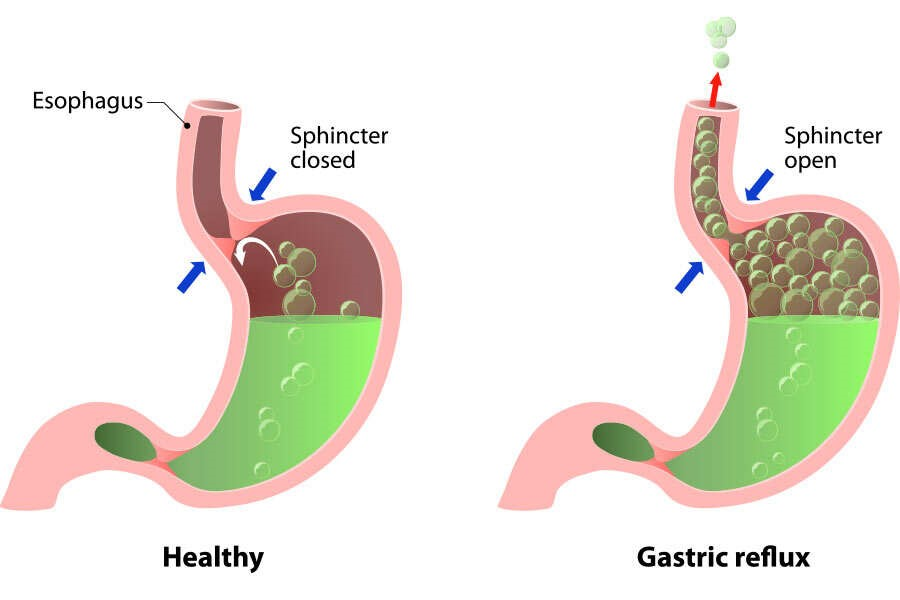
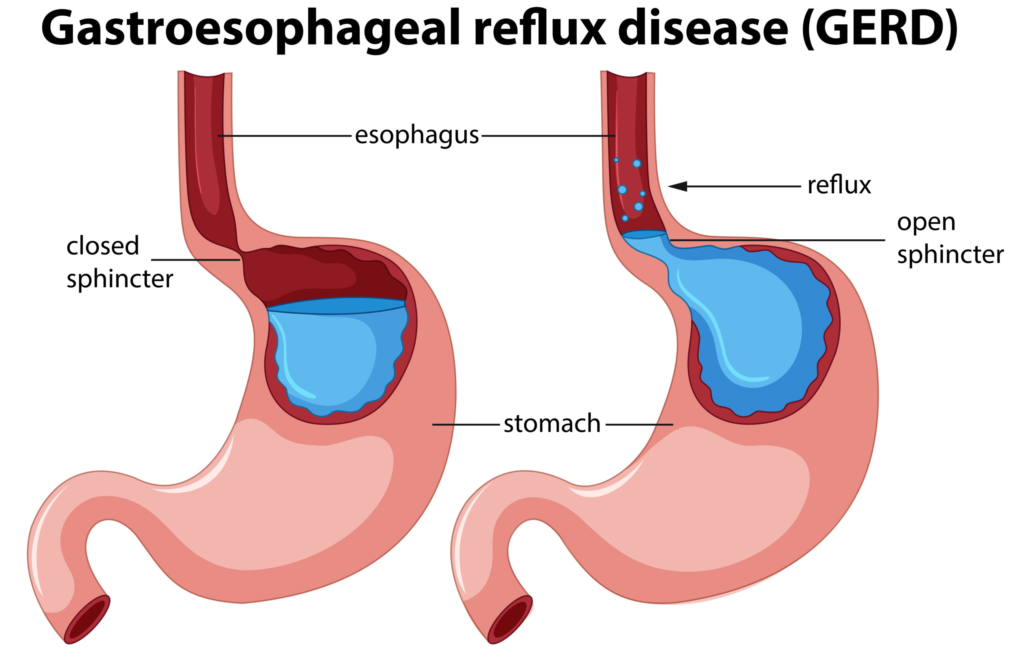
Acidity, often referred to as heartburn, occurs when stomach acid flows back into the esophagus, causing irritation and discomfort. When this happens frequently, it can lead to gastroesophageal reflux disease (GERD). This chronic condition not only results in persistent discomfort but can also cause serious complications, including esophageal damage, ulcers, and even an increased risk of esophageal cancer.
People who suffer from GERD often experience a variety of symptoms, such as:
Burning sensation in the chest (heartburn)
Regurgitation of food or sour liquid
Difficulty swallowing
Chronic cough or throat irritation
A sensation of a lump in the throat
For many, these symptoms can be managed with antacids, proton pump inhibitors (PPIs), and other medications. However, for those whose symptoms persist despite these treatments, laparoscopic surgery offers an effective alternative.
Laparoscopic Surgery: A Minimally Invasive Solution
Laparoscopic surgery, also known as keyhole surgery, is a technique that involves making small incisions through which a camera and surgical instruments are inserted. This method offers several advantages over traditional open surgery, including reduced pain, shorter hospital stays, faster recovery times, and minimal scarring.
When it comes to treating acidity and reflux problems, laparoscopic surgery often involves a procedure known as Nissen fundoplication. During this operation, the surgeon wraps the top part of the stomach around the lower esophagus to strengthen the esophageal sphincter, which prevents acid from flowing back into the esophagus. This not only reduces symptoms of GERD but can also help heal any damage caused by the acid reflux.
Why Laparoscopic Surgery is Effective for Acidity and Reflux Problems
Laparoscopic surgery is particularly effective for treating chronic acidity and reflux problems because it addresses the root cause of GERD – a weak lower esophageal sphincter. Unlike medications that simply neutralize or reduce stomach acid, surgery provides a long-term solution by physically preventing acid from refluxing into the esophagus. Studies have shown that more than 90% of patients who undergo laparoscopic surgery for GERD experience significant relief from their symptoms, with many achieving complete remission.
In addition to treating GERD, laparoscopic surgery can also be used to repair hiatal hernias, which often contribute to acid reflux. By repositioning the stomach and reinforcing the diaphragm, the surgery prevents the hernia from recurring and further exacerbating reflux symptoms.
High Success Rate: Laparoscopic surgery boasts a success rate of over 90% for patients with GERD, making it one of the most reliable treatment options available.
Quick Recovery: Most patients can return to their normal activities within a few days to a week after surgery, compared to several weeks with traditional surgery.
Minimal Scarring: The small incisions used in laparoscopic surgery result in minimal scarring, which is a significant cosmetic advantage for many patients.
Lower Risk of Complications: The precise nature of laparoscopic surgery reduces the risk of complications such as infections or excessive bleeding.
Indore: A Hub for Laparoscopic Surgery
Indore has emerged as a leading destination for laparoscopic surgery in India, particularly for the treatment of acidity and reflux problems. The city is home to several renowned specialists who are highly experienced in performing these procedures. With state-of-the-art medical facilities and a focus on patient care, Indore offers an excellent environment for individuals seeking relief from chronic GERD through surgery.
Leading Laparoscopic Surgeon in Indore
Indore’s healthcare sector is bolstered by a number of top-tier hospitals and clinics that specialize in laparoscopic surgery for GERD and related conditions.
Dr. Nikunj Jain – He is a renowned Gastro & Minimal Access Laparoscopic Surgeon. He is a Surgical Gastroenterologist, Consultant Surgeon at Apollo Hospital, Indore having expertise in laparoscopic, Laser, and Robotic Surgery. You can be confident that with Dr. Nikunj Jain your well-being is in the capable hands of a highly-skilled Minimally Invasive Laparoscopic & Robotic Surgeon. Dr. Nikunj Jain strives to treat his patients with an honest, straightforward, and caring nature in a safe and comfortable environment. Dr. Nikunj Jain has been awarded Dr. B. Ramamurthi National Gold Medal by the National Board of Examination.
Recovering from laparoscopic surgery for acidity and reflux problems is generally straightforward, but it requires careful adherence to your surgeon’s instructions to ensure optimal results. Immediately after surgery, you may experience some discomfort, but this is usually manageable with pain relief medication. Most patients can start consuming liquids within a few hours post-surgery and gradually progress to a soft diet as recommended by the doctor.
Diet: Following a soft diet initially to allow the stomach and esophagus to heal properly.
Activity: While you’ll be encouraged to move around soon after surgery, avoid strenuous activities for a few weeks.
Follow-Up Visits: Regular follow-ups with your surgeon are crucial to monitor your recovery and address any concerns.
Long-term, the majority of patients report a significant improvement in their quality of life, with a marked reduction in symptoms of acidity and reflux problems. The need for medication typically decreases, and in many cases, patients can stop taking GERD medications altogether.
Is Laparoscopic Surgery the Right Option for You?
If you’ve been struggling with chronic acidity and reflux problems that don’t respond to medication or lifestyle changes, laparoscopic surgery might be a viable option. However, it’s important to consult with a specialist to determine if you’re a suitable candidate for the procedure. Factors such as the severity of your GERD, the presence of a hiatal hernia, and your overall health will play a significant role in this decision.
For those who qualify, laparoscopic surgery offers a chance to regain control over their health and dramatically improve their quality of life.
Laparoscopic surgery has revolutionized the treatment of chronic acidity and reflux problems, providing a minimally invasive yet highly effective solution for those suffering from GERD. With its high success rate, quick recovery time, and lasting benefits, this surgical option is increasingly being chosen by patients around the world, including in Indore, where some of the country’s best surgeons offer their expertise.
If you’re considering laparoscopic surgery to treat your acidity and reflux problems, Indore presents an excellent choice for accessing world-class medical care. Consult with a specialist today to explore how this procedure could help you live a more comfortable, symptom-free life.
FAQs
What is the success rate of laparoscopic surgery for treating GERD?
Laparoscopic surgery for GERD has a success rate of over 90%, with many patients experiencing significant relief from symptoms and some achieving complete remission.
How long is the recovery period after laparoscopic surgery for reflux problems?
Most patients can return to their normal activities within a few days to a week after laparoscopic surgery, although full recovery may take a few weeks.
Are there any risks associated with laparoscopic surgery for acidity and reflux?
While laparoscopic surgery is generally safe, like any surgical procedure, it carries some risks, including infection, bleeding, and complications related to anesthesia. However, these risks are minimized due to the minimally invasive nature of the surgery.
Is laparoscopic surgery a permanent solution for GERD?
For many patients, laparoscopic surgery offers a long-term or even permanent solution to GERD, especially when combined with lifestyle modifications.
Can I stop taking GERD medications after laparoscopic surgery?
Many patients find that they can reduce or completely stop taking GERD medications after successful laparoscopic surgery, but this should be done under the guidance of a healthcare provider.
How do I know if I’m a good candidate for laparoscopic surgery for GERD?
To determine if you’re a suitable candidate for laparoscopic surgery, you should consult with a gastroenterologist or a surgeon who specializes in this procedure. They will evaluate your condition, medical history, and overall health to make a recommendation.
Discover the Best Bariatric Surgery Options in Indore – Meet Expert Surgeon
Indore has emerged as a leading destination for bariatric surgery in recent years, attracting patients from across the country seeking expert care. Bariatric Surgery in Indore: Meet the Best Surgeon and Understand Your Options, a proven method for long-term weight loss, involves various procedures designed to help individuals struggling with obesity achieve a healthier lifestyle. With advancements in medical technology and the availability of highly skilled surgeons, Indore offers a range of bariatric surgery options to cater to diverse patient needs. In this article, we will explore the different types of bariatric surgery, discuss the benefits of each procedure, and introduce some of the top bariatric surgeons in Indore, including the renowned Dr. Nikunj Jain.
Table of Contents
Understanding Bariatric Surgery: Your Path to a Healthier Life
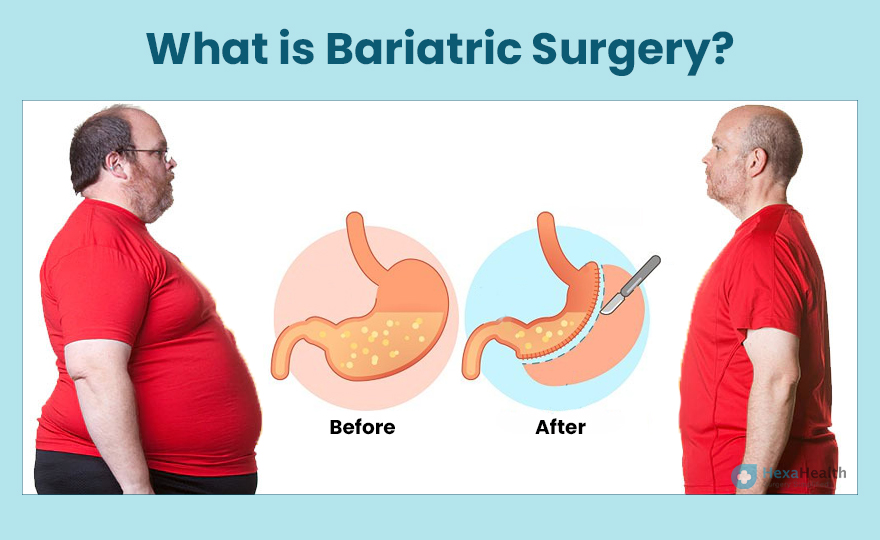
Bariatric surgery refers to a group of surgical procedures aimed at facilitating weight loss by altering the digestive system. These surgeries are typically recommended for individuals with a Body Mass Index (BMI) of 40 or higher, or those with a BMI of 35 or higher who suffer from obesity-related health conditions such as type 2 diabetes, hypertension, or sleep apnea. The primary goal of bariatric surgery is to help patients achieve significant weight loss and improve or resolve obesity-related health issues.
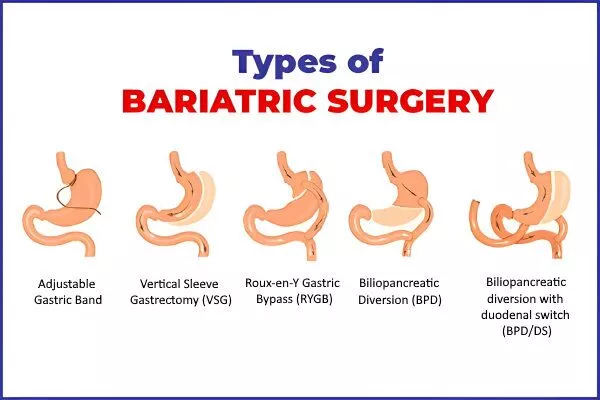
When considering bariatric surgery in Indore, it’s essential to understand the various types of procedures available. Each type of surgery has its unique approach and benefits, allowing patients and their surgeons to choose the most suitable option based on individual needs and health conditions.
Gastric Bypass Surgery
Gastric bypass surgery is one of the most common and effective bariatric procedures. During this surgery, the stomach is divided into a small upper pouch and a larger lower pouch. The small intestine is then rearranged to connect to both pouches, allowing food to bypass most of the stomach and the upper part of the small intestine. This procedure not only limits food intake but also reduces the absorption of calories and nutrients.
Benefits:
Significant long-term weight loss (60-80% of excess weight)
Improvement or resolution of obesity-related conditions such as type 2 diabetes, hypertension, and sleep apnea
Reduction in appetite due to hormonal changes
Sleeve Gastrectomy
In sleeve gastrectomy, approximately 80% of the stomach is removed, leaving a tube-shaped stomach (or “sleeve”). This smaller stomach restricts food intake and significantly reduces the production of the hunger hormone ghrelin, which helps decrease appetite.
Benefits:
Significant weight loss (50-70% of excess weight)
Reduced hunger and appetite
Shorter hospital stay compared to gastric bypass
Lower risk of nutrient deficiencies since the intestines remain intact
Adjustable gastric banding involves placing a silicone band around the upper part of the stomach to create a small pouch. This pouch limits food intake, making patients feel full sooner. The band can be adjusted to control the rate of weight loss by adding or removing saline through a port under the skin.
Benefits:
Adjustable and reversible procedure
Gradual weight loss (40-50% of excess weight)
Shorter recovery time and hospital stay
No cutting or removal of stomach tissue
Biliopancreatic Diversion with Duodenal Switch (BPD/DS)
The BPD/DS is a more complex bariatric surgery that combines a sleeve gastrectomy with a bypass of a large portion of the small intestine. This procedure significantly restricts food intake and reduces nutrient absorption, leading to substantial weight loss.
Benefits:
Highest average weight loss (70-90% of excess weight)
Effective for severe obesity and obesity-related conditions
Long-term maintenance of weight loss
Improvement in metabolic conditions such as diabetes
The success of bariatric surgery largely depends on the expertise of the surgeon performing the procedure. In Indore, patients have access to some of the best bariatric surgeons in the country, known for their skill, experience, and patient care. Among these esteemed professionals is Dr. Nikunj Jain, a leading bariatric surgeon in Indore.
Dr. Nikunj Jain: A Leader in Bariatric Surgery
Dr. Nikunj Jain is a highly respected and experienced bariatric surgeon in Indore, with a reputation for delivering excellent results. He has performed numerous successful bariatric surgeries and is known for his patient-centric approach. Dr. Jain’s expertise spans a wide range of weight loss surgeries, including gastric bypass, sleeve gastrectomy, and adjustable gastric banding. He is also recognized for his commitment to patient education, ensuring that his patients are fully informed about their options and the potential outcomes of their surgery.
Why Choose Dr. Nikunj Jain?
Extensive experience in performing complex bariatric surgeries
High success rates and patient satisfaction
Personalized care tailored to individual patient needs
Advanced surgical techniques and minimally invasive procedures
Read More:
Benefits of Bariatric Surgery
Bariatric surgery offers numerous benefits beyond significant weight loss. These benefits can have a profound impact on a patient’s overall health, quality of life, and longevity. Here are some of the key benefits:
Improved Health and Resolution of Obesity-Related Conditions
One of the most significant benefits of bariatric surgery is the improvement or resolution of obesity-related health conditions. Many patients experience a reduction or complete remission of conditions such as type 2 diabetes, hypertension, sleep apnea, and heart disease after surgery. This not only improves their quality of life but also reduces their dependence on medications and lowers the risk of serious health complications.
Enhanced Quality of Life
Weight loss achieved through bariatric surgery often leads to an improved quality of life. Patients report increased mobility, higher energy levels, and a greater ability to engage in physical activities. This enhanced mobility and energy can lead to a more active lifestyle, further supporting long-term weight management and overall well-being.
Psychological Benefits
Bariatric surgery can also have positive psychological effects. Many patients experience a boost in self-esteem and confidence as they achieve their weight loss goals. The reduction in weight-related stigma and the ability to participate more fully in social and professional activities contribute to improved mental health and emotional well-being.
Long-Term Weight Loss Success
While traditional weight loss methods such as diet and exercise can be effective, they often result in temporary or modest weight loss. Bariatric surgery offers a more permanent solution, with most patients maintaining significant weight loss over the long term. This sustained weight loss is essential for reducing the risk of obesity-related conditions and improving overall health.
Preparing for Bariatric Surgery in Indore
Undergoing bariatric surgery is a significant decision that requires careful consideration and preparation. Patients considering bariatric surgery in Indore should take several steps to ensure they are ready for the procedure and the lifestyle changes that follow.
Comprehensive Evaluation and Consultation
The first step in preparing for bariatric surgery is a comprehensive evaluation by a qualified bariatric surgeon. During this consultation, the surgeon will assess the patient’s overall health, medical history, and weight loss goals. This evaluation helps determine the most appropriate type of surgery and whether the patient is a good candidate for the procedure.
Pre-Surgery Lifestyle Changes
Patients are often advised to make lifestyle changes before undergoing bariatric surgery. These changes may include adopting a healthier diet, increasing physical activity, and quitting smoking. Theselifestyle modifications not only improve surgical outcomes but also help patients develop habits that will support long-term weight management after surgery.
Understanding the Risks and Benefits
It’s essential for patients to have a clear understanding of the risks and benefits of bariatric surgery. While the benefits are significant, there are also potential risks and complications associated with the procedure. Patients should discuss these with their surgeon and weigh the potential outcomes before making a decision.
Conclusion
Bariatric surgery in Indore offers individuals struggling with obesity a powerful tool to achieve long-term weight loss and improve their overall health. With several types of bariatric surgery available, patients can choose the procedure that best suits their needs and health conditions. In Indore, Dr. Nikunj Jain stands out as one of the top bariatric surgeons, known for his expertise and dedication to patient care. If you’re considering bariatric surgery, take the time to consult with Dr. Nikunj Jain and explore your options. With the right surgeon and procedure, you can embark on a transformative journey towards a healthier, happier life.
FAQs
What is bariatric surgery? Bariatric surgery refers to various surgical procedures designed to help with weight loss by altering the digestive system. It is typically recommended for individuals with severe obesity or obesity-related health conditions.
Who is a candidate for bariatric surgery in Indore? Candidates for bariatric surgery are usually individuals with a BMI of 40 or higher or those with a BMI of 35 or higher who have obesity-related health conditions such as diabetes or hypertension.
What types of bariatric surgery are available in Indore? Common types of bariatric surgery in Indore include gastric bypass, sleeve gastrectomy, adjustable gastric banding, and biliopancreatic diversion with duodenal switch (BPD/DS).
How much weight can I expect to lose after bariatric surgery? The amount of weight loss varies depending on the type of surgery and individual factors. On average, patients can expect to lose 50-90% of their excess weight over time.
Is bariatric surgery safe? Bariatric surgery is generally safe when performed by an experienced surgeon. However, like any surgery, it carries risks. It’s essential to discuss these risks with your surgeon.
Why choose Dr. Nikunj Jain for bariatric surgery in Indore? Dr. Nikunj Jain is a leading bariatric surgeon in Indore with extensive experience and a high success rate. He offers personalized care and uses advanced surgical techniques to achieve the best outcomes for his patients.
When it comes to delicate health conditions like fissures, fistulas, and hemorrhoids, finding the right doctor is critical for both your physical and emotional well-being. These conditions can cause significant discomfort and may lead to severe complications if not treated properly. Indore, a burgeoning healthcare hub in Madhya Pradesh, offers several excellent treatment options. This guide will help you navigate your choices and Finding the Right Doctor for fissures, fistulas, and hemorrhoids.
Understanding Fissures, Fistulas, and Hemorrhoids
Before diving into how to find the right doctor in Indore, it’s important to understand these conditions.
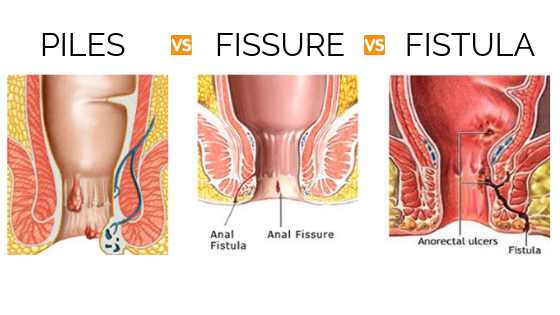
Anal fissures are small tears in the lining of the anus, causing pain and bleeding during bowel movements. They are typically caused by constipation or passing large, hard stools.
Fistulas, on the other hand, are abnormal connections between two body parts, such as between the anus and the skin. They often develop due to infections, previous surgeries, or chronic inflammatory conditions.
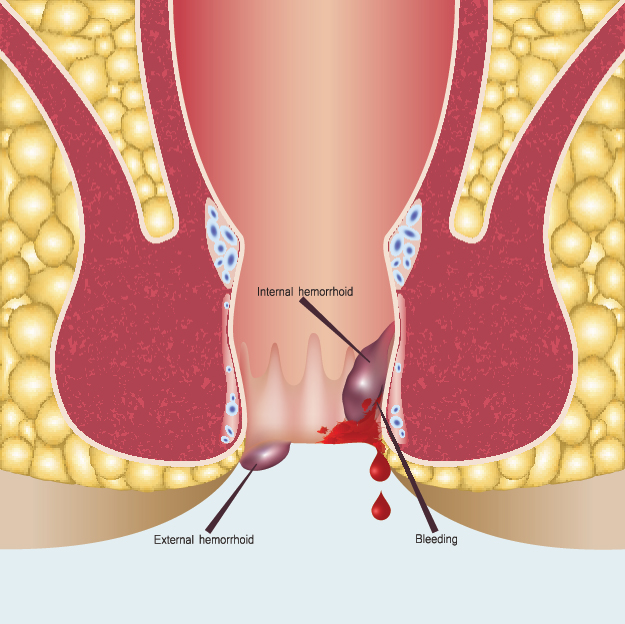
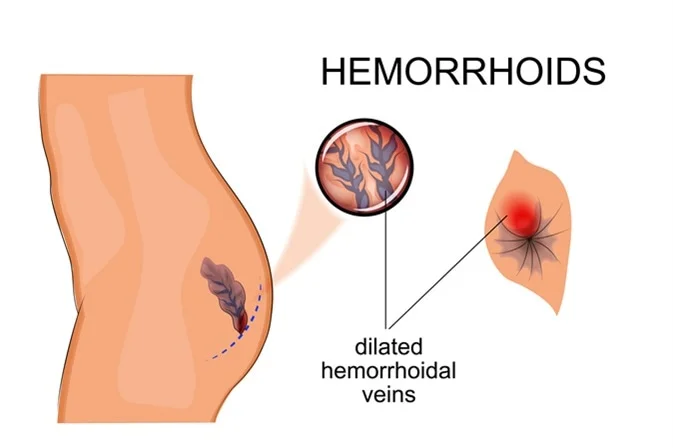
Hemorrhoids are swollen blood vessels in the rectum or anus, often associated with straining during bowel movements, pregnancy, or aging.
All these conditions, while distinct, share common symptoms such as pain, bleeding, and discomfort in the anal region. Given their complexity and the discomfort they cause, consulting with a specialist in Indore is crucial.
Why It’s Important to See a Specialist
Treating fissures, fistulas, and hemorrhoids requires a nuanced approach that balances immediate symptom relief with long-term management. While general practitioners can offer basic treatment, a specialist—typically a proctologist or colorectal surgeon—is better equipped to provide comprehensive care.
Specialists like Dr. Nikunj Jain, a leading proctologist in Indore, have the expertise to accurately diagnose these conditions, recommend the best course of treatment, and perform necessary surgical procedures with precision. Dr. Jain, known for his patient-centered approach, combines advanced medical knowledge with compassionate care, making him one of the top choices in Indore.
Key Considerations When Choosing a Doctor in Indore
Finding the right doctor in Indore for fissures, fistulas, and hemorrhoids involves considering several factors:
Experience and Expertise: Look for doctors who specialize in treating these conditions. Experience matters—doctors who have performed numerous surgeries or treatments are more likely to deliver better outcomes.
Reputation: Patient reviews and testimonials are invaluable. Look for doctors who have a reputation for successful treatments and positive patient experiences. Dr. Nikunj Jain, for instance, has received excellent reviews for his effective treatments and compassionate care.
Treatment Options: A good doctor should offer a range of treatment options, from conservative therapies to advanced surgical techniques. Dr. Jain, for example, is known for utilizing both traditional and modern methods, including laser treatments for hemorrhoids, which offer quicker recovery times and less pain.
Consultation and Communication: Choose a doctor who takes the time to explain your condition, the treatment options, and what you can expect during recovery. Open communication is key to feeling comfortable and confident in your treatment plan.
Facility Quality: The quality of the medical facility where the doctor practices is also important. Ensure that the hospital or clinic is well-equipped, clean, and staffed with competent healthcare professionals.
Indore is home to a variety of treatment options for fissures, fistulas, and hemorrhoids, ranging from conservative methods to advanced surgical procedures.
Conservative Treatments: For mild cases, doctors may recommend lifestyle changes such as increased fiber intake, adequate hydration, and over-the-counter medications to ease symptoms. Sitz baths, topical ointments, and stool softeners can also provide relief.
Medication: Prescription medications, including topical creams, pain relievers, and anti-inflammatory drugs, may be used to reduce symptoms and promote healing. These are typically recommended for less severe cases.
Minimally Invasive Procedures: For more persistent or severe cases, doctors may suggest minimally invasive procedures. These include rubber band ligation for hemorrhoids, which involves tying off the hemorrhoid to cut off its blood supply, and sclerotherapy, where a solution is injected into the hemorrhoid to shrink it.
Laser Treatments: Laser treatment is an increasingly popular option, especially for hemorrhoids and fistulas. It is less painful than traditional surgery, offers quicker recovery times, and has a lower risk of complications. Dr. Nikunj Jain is among the few specialists in Indore who offer this advanced treatment option.
Surgical Interventions: In cases where conservative treatments and minimally invasive procedures are not effective, surgery may be necessary. Options include hemorrhoidectomy, fissurectomy, and fistulotomy, depending on the specific condition. These procedures are typically performed by colorectal surgeons or proctologists like Dr. Nikunj Jain.
Advanced Treatment Techniques: Dr. Jain utilizes the latest techniques, including laser surgery, to ensure patients receive the best possible care with minimal discomfort and downtime.
Patient-Centered Care: Known for his empathetic approach, Dr. Jain ensures that his patients are well-informed and comfortable throughout their treatment journey. His ability to explain complex medical conditions in a way that is easy to understand helps patients feel at ease.
State-of-the-Art Facilities: Dr. Jain practices at some of the best-equipped medical facilities in Indore, ensuring that his patients receive top-notch care in a safe and comfortable environment.
Positive Patient Outcomes: Many of Dr. Jain’s patients have reported significant improvement in their conditions following treatment, with minimal recurrence of symptoms. His commitment to achieving the best possible outcomes for his patients is a testament to his expertise and dedication.
How to Prepare for Your Appointment
Once you have chosen a doctor, such as Dr. Nikunj Jain, preparing for your appointment can help you get the most out of your consultation.
Medical History: Bring a comprehensive medical history, including any previous treatments for fissures, fistulas, or hemorrhoids, as well as any other relevant health conditions.
Symptom Diary: Keeping a diary of your symptoms can be incredibly helpful. Note when your symptoms occur, their severity, and any factors that seem to exacerbate or alleviate them.
Questions: Prepare a list of questions to ask your doctor. This might include inquiries about treatment options, the risks and benefits of different procedures, recovery times, and what you can expect after treatment.
Insurance Information: Make sure to bring your insurance information and confirm with the doctor’s office that they accept your insurance plan. Understanding your coverage will help you avoid any unexpected costs.
The treatment process for fissures, fistulas, and hemorrhoids can vary significantly depending on the severity of the condition and the treatment method chosen.
Initial Consultation: During your first visit, the doctor will review your medical history, perform a physical examination, and may recommend additional tests, such as a colonoscopy or imaging studies, to get a better understanding of your condition.
Treatment Plan: Based on the diagnosis, your doctor will develop a treatment plan tailored to your needs. This plan may include lifestyle modifications, medication, or a recommendation for surgery.
Procedure: If a surgical procedure is required, your doctor will explain the process in detail, including how to prepare, what the surgery entails, and what to expect during recovery. Minimally invasive procedures like laser treatment typically involve less pain and quicker recovery compared to traditional surgery.
Recovery: Recovery times can vary depending on the procedure performed. Your doctor will provide specific instructions on post-operative care, including pain management, dietary guidelines, and activity restrictions.
Follow-Up: Regular follow-up visits are important to monitor your recovery and ensure that the treatment has been effective. Your doctor may recommend additional treatments or lifestyle changes to prevent recurrence.
Conclusion
Finding the right doctor in Indore for treating fissures, fistulas, and hemorrhoids is crucial for ensuring effective treatment and a smooth recovery. By considering factors such as experience, reputation, and available treatment options, you can make an informed choice. Dr. Nikunj Jain is a top choice in Indore, offering advanced treatment options and patient-centered care. Whether you require conservative management or a surgical procedure, Dr. Jain’s expertise can help you achieve the best possible outcome.
FAQs
What are the symptoms of fissures, fistulas, and hemorrhoids? Common symptoms include pain during bowel movements, bleeding, itching, and swelling in the anal area. Fistulas may also cause discharge or infection.
How do I know if I need surgery for my condition? Surgery is usually recommended when conservative treatments fail to provide relief, or if the condition is severe. Your doctor will assess your situation and recommend the best treatment option.
Can fissures, fistulas, and hemorrhoids be treated with medication alone? In mild cases, medication and lifestyle changes may be sufficient. However, more severe cases may require surgical intervention.
Is laser treatment effective for hemorrhoids and fistulas? Yes, laser treatment is a minimally invasive option that is effective for treating both hemorrhoids and fistulas. It offers quicker recovery times and less pain compared to traditional surgery.
What should I expect during my first consultation with Dr. Nikunj Jain? During your first consultation, Dr. Jain will review your medical history, conduct a physical examination, and discuss your symptoms. He will then recommend a treatment plan tailored to your needs.
How long does it take to recover from surgery for fissures, fistulas, or hemorrhoids? Recovery times vary depending on the procedure. Minimally invasive procedures may require only a few days of recovery, while more extensive surgeries may take several weeks.
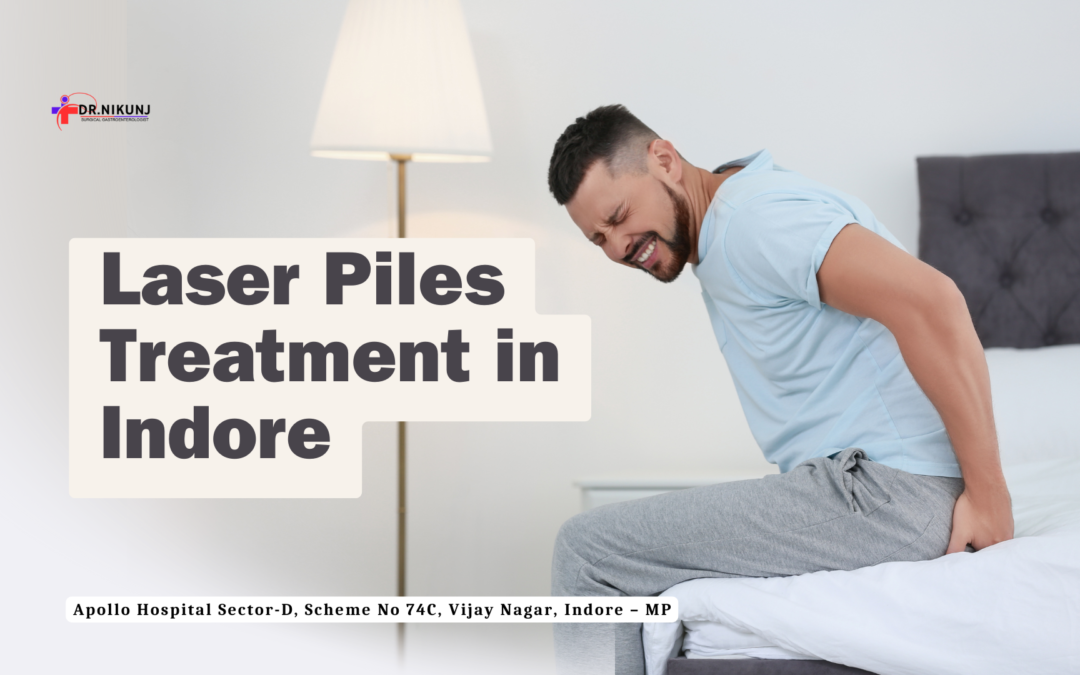
Hemorrhoids, commonly known as piles, are a widespread condition that can cause significant discomfort and pain. Traditionally, treatments for piles ranged from dietary changes and medications to more invasive surgeries. However, with advancements in medical technology, laser treatment has emerged as a revolutionary method offering effective relief with minimal discomfort. For those seeking Laser Piles Treatment in Indore, understanding the procedure, its benefits, and the leading specialists in the city is crucial to making an informed decision.
Laser Piles treatment near me: The Advanced Solution for Lasting Relief
Laser piles treatment is a minimally invasive procedure that uses focused laser energy to treat piles. The laser targets the affected tissues, causing them to shrink and eventually disappear. This approach is highly precise, which minimizes damage to surrounding tissues and results in a quicker recovery time compared to traditional surgical methods.
During the procedure, a laser beam is directed at the hemorrhoidal mass, causing the blood supply to the hemorrhoid to be cut off. This leads to the shrinking of the hemorrhoid, and in most cases, it will naturally fall off within a few days. The entire procedure typically takes about 30 to 45 minutes and can be performed on an outpatient basis, meaning patients can return home the same day.
How Does Laser Piles Treatment Work?
The Laser Piles Treatment in Indore process begins with a thorough consultation with a specialist. During this initial visit, the doctor will assess the severity of the hemorrhoids and determine whether laser treatment is the most appropriate course of action. If laser treatment is recommended, the patient will be provided with detailed pre-procedure instructions.
On the day of the procedure, local anesthesia is administered to the area to ensure the patient is comfortable. The laser device is then carefully positioned, and the surgeon uses short bursts of laser energy to target the hemorrhoids. The laser’s precision ensures that only the affected tissue is treated, reducing the risk of complications such as bleeding or infection.
Post-procedure, patients may experience mild discomfort, which can be managed with over-the-counter pain relievers. Recovery time is generally quick, with most patients resuming normal activities within a few days.
The popularity of Laser Piles Treatment in Indore is due to its numerous benefits, which include:
Minimally Invasive: The procedure involves no cuts or stitches, significantly reducing the risk of infection and other complications.
Reduced Pain: Since the laser specifically targets the hemorrhoidal tissue, there is minimal damage to surrounding areas, leading to less post-operative pain.
Quick Recovery: Most patients are able to return to their regular routines within a few days, making it a convenient option for those with busy schedules.
Outpatient Procedure: The treatment is usually performed on an outpatient basis, meaning patients can return home the same day without the need for a hospital stay.
Lower Recurrence Rates: The precise nature of the laser treatment reduces the chances of hemorrhoid recurrence, providing long-term relief.
Who is a Candidate for Laser Piles Treatment?
Laser Piles Treatment in Indore is suitable for individuals suffering from internal or external hemorrhoids that have not responded to conservative treatments such as diet modifications, medications, or non-invasive procedures like sclerotherapy. It is also a preferred option for patients looking for a quick and less painful alternative to traditional hemorrhoidectomy.
However, not all patients are ideal candidates for this procedure. Those with complex or large hemorrhoids may require a different treatment approach. A consultation with a specialized surgeon is necessary to determine the most appropriate treatment plan.
Recovery from Laser Piles Treatment in Indore is typically smooth and swift. Immediately after the procedure, patients may experience some mild discomfort or a sensation of fullness in the treated area. This is normal and usually subsides within a few hours.
Patients are generally advised to rest for the first 24 hours following the procedure. Light activities can be resumed the next day, but strenuous activities and heavy lifting should be avoided for at least a week. The doctor may prescribe medications to manage pain and prevent infection.
It is important to follow post-operative instructions carefully to ensure a successful recovery. This includes maintaining a high-fiber diet to avoid constipation, staying hydrated, and avoiding straining during bowel movements. Most patients can expect to fully recover within 1-2 weeks.
Why Choose Indore for Laser Piles Treatment?
Indore has emerged as a hub for advanced medical treatments, including Laser Piles Treatment. The city is home to several renowned specialists who are experienced in performing this procedure with a high success rate. The availability of state-of-the-art medical facilities and the expertise of local doctors make Indore an excellent choice for patients seeking effective and affordable treatment for piles.
Leading Specialist in Indore for Laser Piles Treatment
If you’re considering Laser Piles Treatment in Indore, it’s essential to choose a qualified and experienced surgeon. Here is one of the leading doctor in Indore who specialize in this advanced procedure:
Dr. Nikunj Jain:Dr. Nikunj Jain is a renowned Gastro & Minimal Access Laparoscopic Surgeon. He is a Surgical Gastroenterologist, Consultant Surgeon at Apollo Hospital, Indore having expertise in laparoscopic, Laser, and Robotic Surgery. You can be confident that with Dr. Nikunj Jain your well-being is in the capable hands of a highly-skilled Minimally Invasive Laparoscopic & Robotic Surgeon. Dr. Nikunj Jain strives to treat his patients with an honest, straightforward, and caring nature in a safe and comfortable environment. Dr. Nikunj Jain has been awarded Dr. B. Ramamurthi National Gold Medal by the National Board of Examination.
Cost of Laser Piles Treatment in Indore
The cost of Laser Piles Treatment in Indore can vary depending on several factors, including the severity of the condition, the hospital or clinic chosen, and the experience of the surgeon. On average, patients can expect to pay between INR 50,000 to INR 1,20,000 for the procedure. While this may seem like a significant investment, the long-term benefits and reduced recurrence rates make it a cost-effective option for many patients.
Additionally, many hospitals in Indore offer flexible payment options and accept insurance, which can help manage the financial burden. It’s advisable to consult with your healthcare provider and insurance company to understand your coverage and potential out-of-pocket costs.
Conclusion: A New Era of Relief with Laser Piles Treatment
Laser Piles Treatment in Indore represents a significant advancement in the management of hemorrhoids. This minimally invasive procedure offers numerous benefits, including reduced pain, quicker recovery, and long-term relief. With several highly qualified specialists available in Indore, patients can confidently choose this advanced treatment option to regain their quality of life.
If you’re struggling with the discomfort and pain of piles, consulting with a laser treatment specialist in Indore could be the first step towards effective and lasting relief. With the right treatment and expert care, you can look forward to a life free from the burden of hemorrhoids.
FAQs
What is the success rate of laser piles treatment in Indore? Laser piles treatment in Indore boasts a high success rate, with many patients experiencing significant relief and a low recurrence of symptoms.
Is laser treatment for piles painful? Laser treatment is generally less painful than traditional surgical methods. Patients may experience mild discomfort, but it is usually manageable with over-the-counter pain relievers.
How long does it take to recover from laser piles treatment? Recovery time is typically short, with most patients resuming normal activities within a few days. Full recovery usually occurs within 1-2 weeks.
Can all types of hemorrhoids be treated with laser? Laser treatment is effective for most internal and external hemorrhoids, but complex or very large hemorrhoids may require alternative treatments.
Are there any side effects of laser piles treatment? Side effects are rare but can include mild discomfort, swelling, or bleeding. These usually resolve quickly with proper post-operative care.
Is laser piles treatment covered by insurance? Many insurance plans cover laser piles treatment. It’s important to check with your provider to understand your coverage and any potential out-of-pocket costs.
When you’re grappling with the intense discomfort of gallstones, finding the right medical professional is paramount. Gallstones can disrupt your daily life with sudden, severe pain and potentially lead to more serious health issues if left untreated. Thankfully, if you’re in Indore, you’re in good hands. The city boasts some of the Top Gallstones Doctors in Indore, known for their expertise in diagnosing and treating this condition with precision and care.
Understanding Gallstones: Causes, Symptoms, and Risks
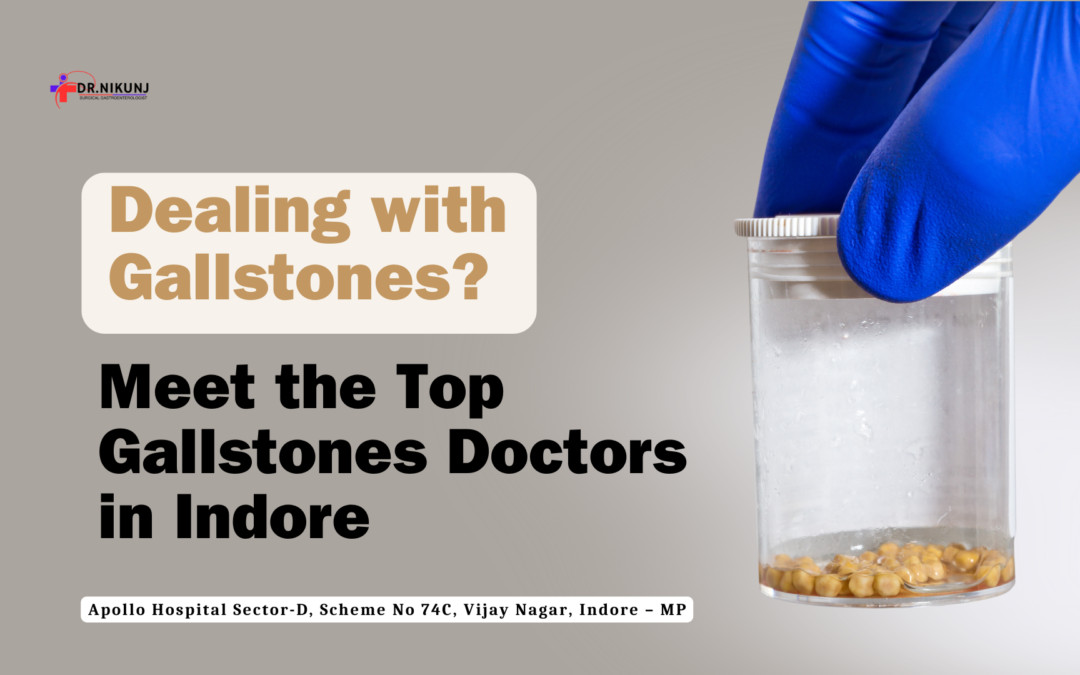
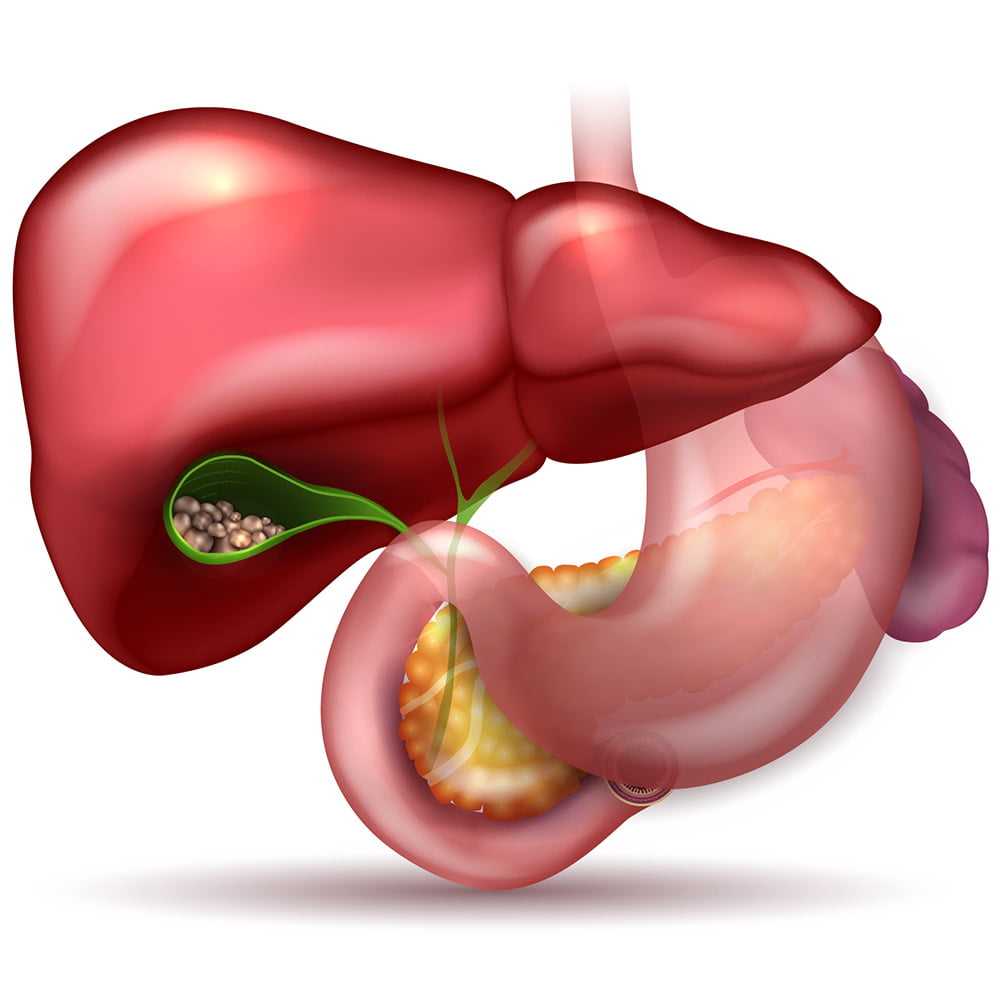
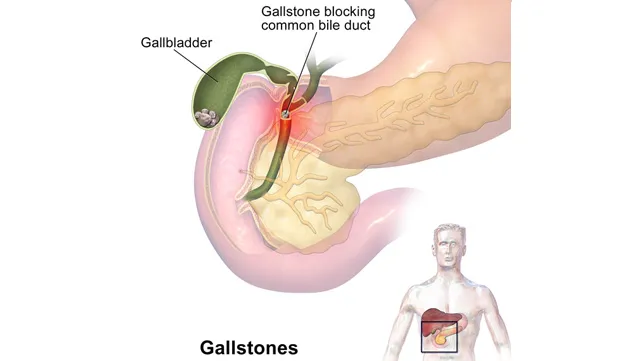
Before diving into the profiles of the top gallstones doctors in Indore, it’s essential to understand what gallstones are and why they occur. Gallstones are hardened deposits of digestive fluid that form in your gallbladder. They can range in size from as small as a grain of sand to as large as a golf ball. While some people with gallstones never experience symptoms, others might suffer from sudden, severe pain in the abdomen, nausea, vomiting, and even jaundice.
Risk factors for gallstones include obesity, a high-fat diet, a sedentary lifestyle, and a family history of the condition. Women, particularly those who are pregnant or using hormone replacement therapy, are also more susceptible. If you experience any of these symptoms, seeking professional advice is crucial, as untreated gallstones can lead to complications such as cholecystitis, pancreatitis, or bile duct obstruction.
Why Choose the Top Gallstones Doctors in Indore?
When it comes to gallstone treatment, the expertise of your doctor makes all the difference. The best gallstones doctors in Indore are not only highly qualified but also bring a wealth of experience and a compassionate approach to patient care. They employ advanced diagnostic tools and a range of treatment options, from medication to minimally invasive surgery, ensuring that each patient receives the most appropriate and effective care.
Meet Dr. Nikunj Jain: A Leading Gallstones Specialist in Indore
Among the top gallstones doctors in Indore, Dr. Nikunj Jain stands out for his exceptional skills and dedication to patient welfare. With years of experience in treating gallstones, Dr. Jain has helped countless patients reclaim their lives from the pain and discomfort associated with this condition.
Expertise and Diagnostic Approach
Dr. Nikunj Jain’s approach to gallstone treatment begins with a comprehensive diagnostic process. He utilizes state-of-the-art imaging technologies, including ultrasound and MRCP (Magnetic Resonance Cholangiopancreatography), to accurately identify the size, type, and location of gallstones. His attention to detail in diagnosing the root cause of the symptoms ensures that each patient receives a personalized treatment plan.
Depending on the severity of the condition, Dr. Nikunj Jain offers a range of treatment options. For patients with small, asymptomatic gallstones, he may recommend a watch-and-wait approach, coupled with lifestyle modifications to prevent future complications. For those suffering from significant pain or complications, Dr. Jain is skilled in performing both non-surgical and surgical treatments.
Non-Surgical Treatments: For some patients, medication can be an effective way to dissolve gallstones. Dr. Jain prescribes bile acid pills that gradually dissolve cholesterol stones over several months. This option is particularly suitable for patients who cannot undergo surgery due to other health conditions.
Surgical Treatments: When surgery is necessary, Dr. Jain specializes in minimally invasive techniques, such as laparoscopic cholecystectomy. This procedure involves the removal of the gallbladder through small incisions, leading to a faster recovery, less postoperative pain, and minimal scarring. Dr. Jain’s expertise in this procedure ensures that patients receive the highest standard of care with the best possible outcomes.
Patient Testimonials: Real Stories, Real Relief
The true measure of a doctor’s expertise lies in the satisfaction and relief experienced by their patients. Dr. Nikunj Jain has a track record of successful treatments, and his patients are eager to share their positive experiences.
One patient, Mrs. Shalini Verma, shares, “I had been suffering from excruciating pain for months due to gallstones. Dr. Jain not only diagnosed my condition quickly but also explained the entire process to me in a way I could understand. After my laparoscopic surgery, I felt like a new person. The recovery was swift, and I’m now completely pain-free.”
Another patient, Mr. Rakesh Gupta, states, “I was very anxious about undergoing surgery, but Dr. Jain’s calm demeanor and thorough explanations put me at ease. The surgery was a success, and I was able to return to work much sooner than I expected. I’m grateful for his expertise and care.”
Selecting the right doctor is crucial for effective treatment and peace of mind. When choosing a gallstones doctor in Indore, consider factors such as the doctor’s experience, patient reviews, the availability of advanced diagnostic and treatment options, and the overall comfort and communication style of the doctor.
Advanced Treatment Facilities in Indore
Indore’s medical landscape is equipped with cutting-edge facilities, ensuring that patients receive world-class care. Leading hospitals and clinics in the city offer a range of diagnostic and treatment options, including:
High-Resolution Imaging: To ensure accurate diagnosis, Indore’s top hospitals are equipped with high-resolution ultrasound machines and advanced MRI scanners.
Laparoscopic Surgery Units: Minimally invasive surgery is the gold standard for gallstone removal, and Indore’s hospitals boast fully equipped laparoscopic surgery units with highly trained staff.
Comprehensive Postoperative Care: After surgery, proper care and monitoring are crucial for a smooth recovery. Indore’s leading medical centers provide comprehensive postoperative care, including pain management, dietary counseling, and regular follow-up appointments to ensure the best outcomes.
Gallstones, if left untreated, can lead to serious complications. These can include inflammation of the gallbladder (cholecystitis), blockage of the common bile duct, or even pancreatitis, a potentially life-threatening condition. Early treatment not only alleviates pain but also prevents these complications, making it essential to seek medical attention at the first sign of symptoms.
Lifestyle Modifications for Gallstone Prevention
While genetic factors and certain medical conditions may predispose individuals to gallstones, lifestyle modifications can significantly reduce the risk. A diet low in saturated fats and cholesterol, regular exercise, and maintaining a healthy weight are crucial in preventing gallstone formation. Additionally, staying hydrated and incorporating plenty of fiber-rich foods into your diet can promote healthy digestion and reduce the risk of gallstones.
Treat Gallstones with diet
Increase Fiber Intake: Incorporate more fruits, vegetables, and whole grains into your diet to promote healthy digestion and prevent gallstone formation.
Reduce Fatty Foods: Limit consumption of fatty and fried foods to avoid triggering gallbladder attacks.
Maintain Healthy Weight: Focus on a balanced diet and regular exercise to reduce the risk of developing gallstones.
Stay Hydrated: Drink plenty of water to support overall digestive health and gallbladder function.
Avoid Rapid Weight Loss: Gradual weight loss is safer and helps prevent gallstone formation.
Consult a Healthcare Provider: For personalized dietary recommendations, seek advice from a medical professional.
List of foods you can eat with gallstones
High-fiber fruits and vegetables: Apples, pears, berries, leafy greens.
Whole grains: Brown rice, oats, whole-wheat bread.
Healthy fats (in moderation): Avocados, nuts, olive oil.
Hydration: Plenty of water to support digestion and gallbladder health.
Conclusion: Take Charge of Your Health
Gallstones can be a painful and disruptive condition, but with the right care, they can be effectively managed or even cured. The top gallstones doctors in Indore, including Dr. Nikunj Jain, offer the expertise, advanced treatments, and compassionate care needed to help you reclaim your quality of life. Don’t let gallstones control your life—reach out to one of these specialists today and take the first step toward relief.
FAQs
What are the most common symptoms of gallstones?
Common symptoms include severe abdominal pain, nausea, vomiting, and jaundice. If you experience any of these symptoms, it’s important to consult a doctor immediately.
How are gallstones diagnosed?
Gallstones are typically diagnosed using imaging tests such as ultrasound, MRI, or CT scans. These tests help doctors determine the size, type, and location of the gallstones.
What is the most effective treatment for gallstones?
The treatment depends on the severity of the condition. Small, asymptomatic gallstones may not require treatment, while larger or symptomatic stones may necessitate medication or surgery.
Is surgery always necessary for gallstones?
No, not always. Surgery is usually recommended for symptomatic gallstones or those causing complications. However, small, asymptomatic gallstones can sometimes be managed with medication or lifestyle changes.
How long does recovery take after gallstone surgery?
Recovery times vary depending on the type of surgery performed. Laparoscopic surgery typically allows for a quicker recovery, with most patients returning to normal activities within a week or two.
Can gallstones recur after treatment?
While gallstones can recur, the likelihood is reduced if the gallbladder is removed. For those treated with medication, lifestyle modifications can help prevent recurrence.