
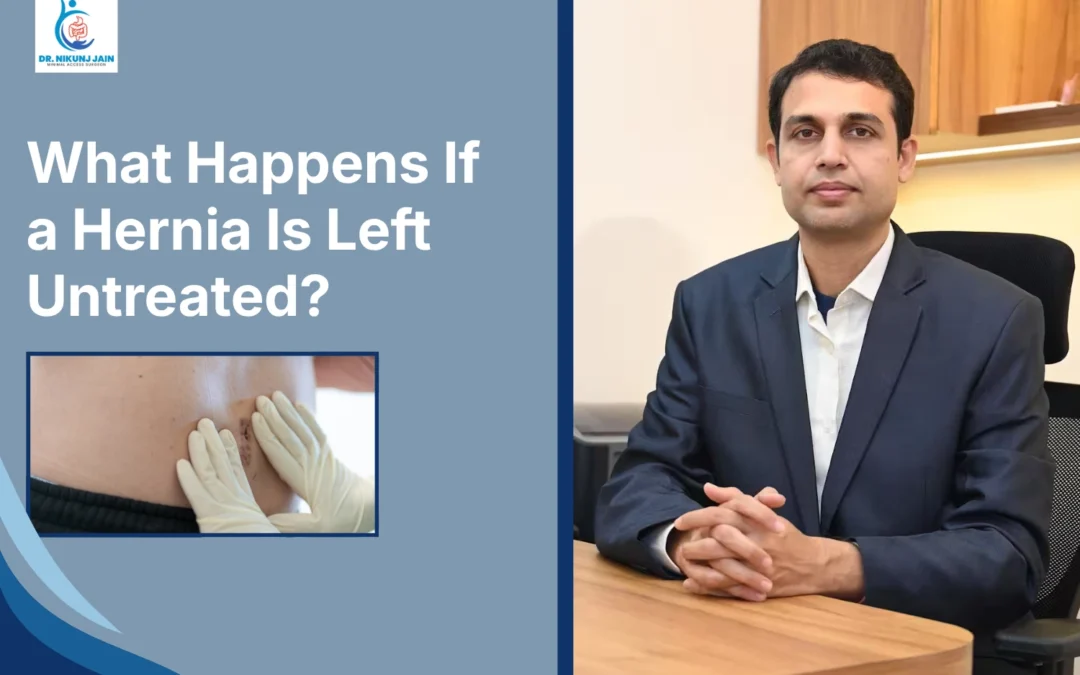
A hernia is a swelling that can appear near your abdomen, groin or belly button. Many people think it will go away on its own. It usually does not heal without proper treatment.
Dr. Nikunj Jain, best hernia doctor in Indore, explains that early diagnosis and timely care can prevent it from becoming a painful and serious problem. It happens when an internal organ or tissue pushes through a spot in the muscle wall.
- It may appear as a lump that becomes more visible while coughing, lifting weight standing for long hours or straining during bowel movements.
- Some hernias may cause discomfort while others can become painful over time.
The biggest mistake many patients make is waiting long. They feel that if there is no pain there is no major issue. An untreated hernia can slowly increase in size and may create complications later.
Table of Contents
Can a Hernia Heal on Its Own?
No, a hernia usually does not heal naturally. The weakness in the muscle wall remains there. With time the opening can become bigger. Medicines, belts or lifestyle changes may reduce discomfort for some time. They cannot close the hernia permanently.
This is why medical evaluation is important. A doctor can check the size, type and seriousness of the hernia and suggest the right treatment plan.
What Happens If a Hernia Is Ignored?
When a hernia is left untreated,it can gradually become larger. A small swelling that appears only while coughing may become a bulge. This can make daily activities uncomfortable, especially walking, bending, exercising or lifting objects.
Pain may also increase over time. Some patients feel heaviness or a pulling sensation in the area. Others may feel burning, pressure or discomfort after meals or physical activity. As the hernia grows it can affect the quality of life and make normal movement difficult.
Risk of Incarcerated Hernia
One of the risks of an untreated hernia is incarceration. This means the tissue or intestine gets stuck inside the hernia opening and cannot go in. When this happens, the swelling may become painful and hard.
An incarcerated hernia needs medical attention because it can lead to further complications. The patient may experience increasing pain, nausea, vomiting or difficulty passing stool. If ignored at this stage the condition may become more dangerous.
Risk of Strangulated Hernia
A strangulated hernia is a medical emergency which happens when the blood supply to the trapped tissue or intestine gets blocked. Without blood supply the tissue can become damaged.
Symptoms of a strangulated hernia may include pain, redness or darkening of the swelling, fever, vomiting, weakness and a bulge that does not go back inside. This condition should not be delayed because it may require emergency surgery. This is one of the reasons why a hernia should not be left untreated for a long time.
Digestive Problems Can Increase
Some hernias can affect the intestine. When the intestine gets involved, patients may face bloating, constipation, nausea or vomiting. In some cases, the passage of food and stool may get blocked.
This can become very painful and risky. Rather than waiting for symptoms to become severe, it is always better to get a hernia checked early.
Pain and Discomfort May Affect Daily Life
A hernia can slowly interfere with your daily activities. Patients may avoid exercise, walking, working, traveling or lifting light objects because of fear of pain. In some cases, the discomfort becomes worse by the end of the day.
Men with a groin hernia may feel pain while standing for hours or doing physical work. Women may feel pressure or discomfort during household activities. Over time, this can affect both comfort and mental peace.
Surgery May Become More Complicated Later
When a hernia is diagnosed, early treatment can often be planned properly. But when patients delay treatment for months or years, the hernia may grow bigger, and tissues may become weaker.
A larger or complicated hernia may need careful surgery and a longer recovery. Early treatment can help reduce the chances of emergency situations and make recovery smoother.
When Should You See a Doctor?
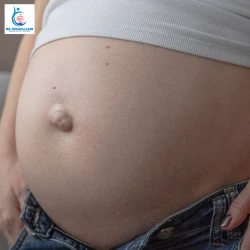
You should see a hernia doctor in Indore if you notice a swelling in the abdomen, groin, belly button or previous surgery area. You should also seek advice if the swelling increases while coughing, standing or lifting weights.
Do not delay hernia treatment if you have pain, vomiting, fever, redness, swelling over the bulge, or if the swelling does not go inside. These may be warning signs of a hernia complication.
A hernia may seem small at first. Leaving it untreated can lead to pain, swelling, digestive issues, and emergency complications like incarceration or strangulation. The safest step is to get it checked early and understand the treatment option. Dr. Nikunj Jain is the best hernia doctor in Indore and provides care for hernia diagnosis and treatment. He helps patients avoid risks and recover with confidence.
FAQ’s
Q1. What happens if a hernia is left untreated?
If a hernia is left untreated, it can slowly increase in size and cause pain, swelling, discomfort and digestive problems. In some cases, it may become an emergency if the tissue gets trapped.
Q2. Can a hernia heal without surgery?
A hernia usually does not heal on its own because the weak muscle opening remains there. Dr. Nikunj Jain in Indore suggests proper medical evaluation to understand the right treatment option.
Q3. When should I worry about a hernia?
You should worry if the hernia becomes painful, hard, red, swollen or does not go back inside. Vomiting, fever and severe pain can also be warning signs.
Q4. Is untreated hernia dangerous?
Yes, an untreated hernia can become dangerous if it leads to incarceration or strangulation. These conditions can block blood supply and may require emergency surgery.
Q5. What are the symptoms of a serious hernia?
Serious hernia symptoms include severe pain, nausea, vomiting, fever, redness over the bulge, constipation and a swelling that cannot be pushed back in.
Q6. Can I exercise with a hernia?
Light activity may be possible in some cases, but heavy lifting, intense workouts and straining can make a hernia worse. It is better to consult Dr. Nikunj Jain in Indore before continuing exercise.
Q7. What is a strangulated hernia?
A strangulated hernia happens when the blood supply to the trapped tissue or intestine is blocked. This is a medical emergency and needs immediate treatment.
Q8. Does every hernia need surgery?
Not every hernia needs immediate surgery, but many hernias eventually require surgical repair. The decision depends on the size, symptoms and risk of complications.
Q9. Who is the best doctor for hernia treatment in Indore?
For hernia diagnosis and treatment in Indore, patients can consult Dr. Nikunj Jain, who provides guidance for hernia care, laparoscopic surgery and safe treatment planning.
Q10. How can I prevent a hernia from getting worse?
Avoid heavy lifting, treat constipation, maintain a healthy weight and do not ignore swelling or pain. Early consultation in Indore can help prevent hernia complications.