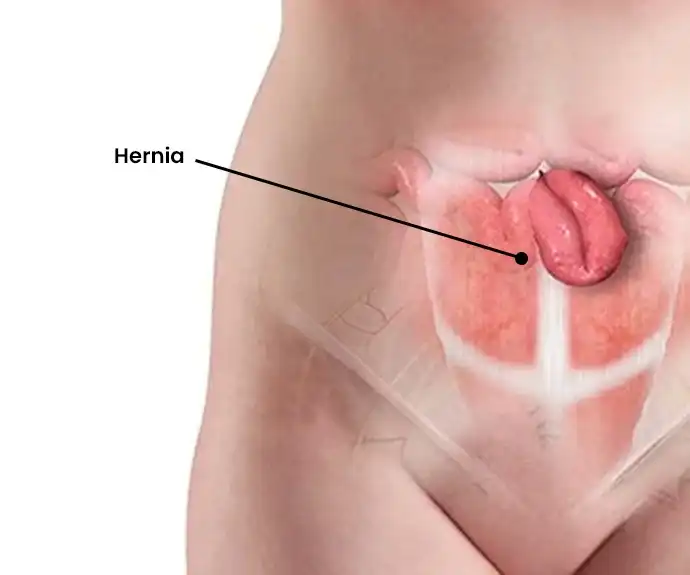
A hernia is a common medical condition that many people ignore in the early stages and understanding hernia is very important. However, delaying treatment can lead to serious complications. Understanding what a hernia is, its types, symptoms, risks, and modern treatment options can help patients make timely and informed decisions for their health. As a highly skilled laparoscopic GI surgeon in Indore, Dr. Nikunj Jain specializes in modern hernia repair methods that prioritize faster healing, reduced pain, and improved patient comfort.
Table of Contents
Understanding Hernia
A hernia occurs when an internal organ or tissue pushes through a weak spot in the surrounding muscle or connective tissue. It most commonly affects the abdominal wall but can occur in other areas as well. Hernias do not heal on their own and usually worsen over time if left untreated.
Common Types of Hernia
Hernias are classified based on their location and cause. Some of the most commonly seen types include:
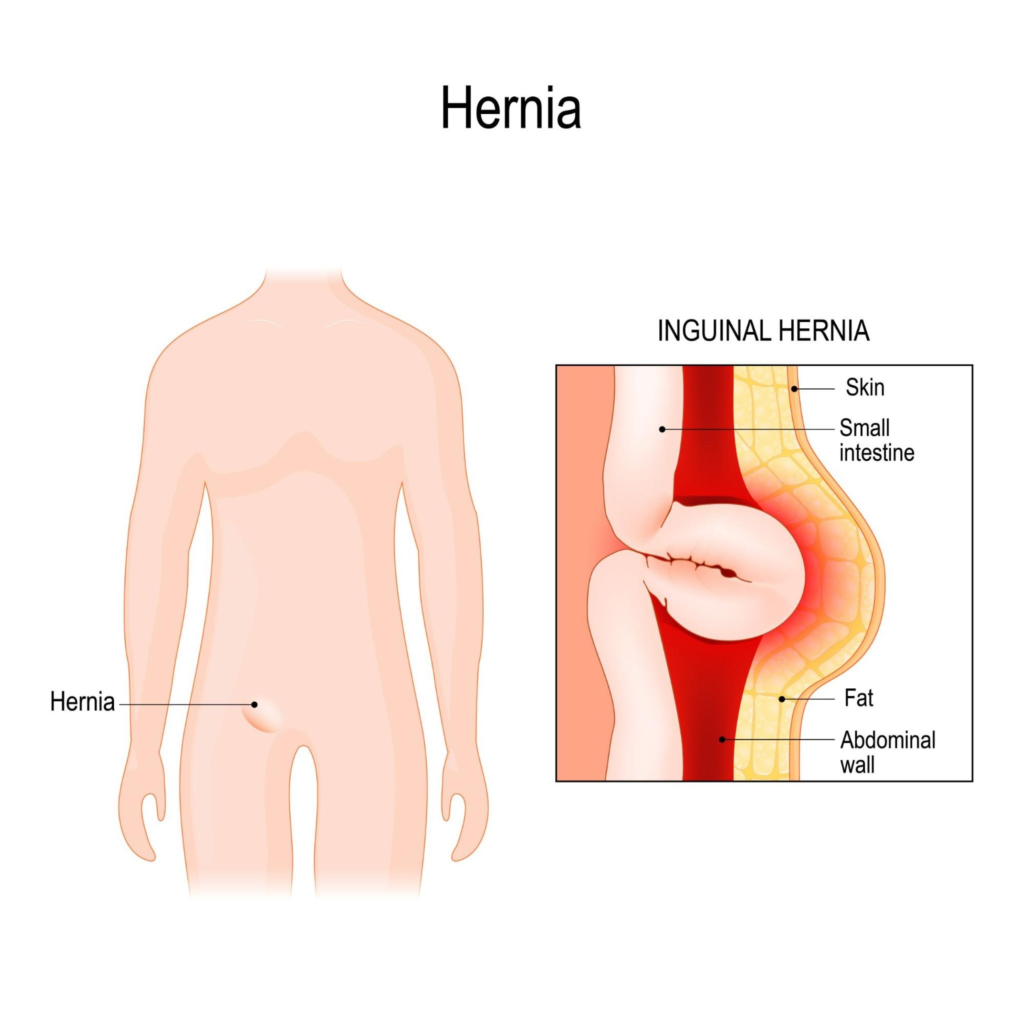
Inguinal Hernia: This is the most common type, especially in men. It occurs when part of the intestine or fat pushes through the lower abdominal wall into the groin area.
Umbilical Hernia: Seen around the belly button, this type is common in infants but can also affect adults, particularly due to obesity or multiple pregnancies.
Femoral Hernia: More common in women, this hernia appears just below the groin and has a higher risk of complications if untreated.
Hiatal Hernia: In this condition, part of the stomach pushes upward into the chest through the diaphragm, often causing acid reflux and heartburn.
Incisional Hernia: This can develop at the site of a previous surgical incision due to weakness in the abdominal wall.
Symptoms of Hernia
Symptoms may vary depending on the type and size of the hernia. Common signs include:
A visible bulge in the abdomen or groin area
Pain or discomfort while lifting, coughing, or standing for long periods
A feeling of heaviness or pressure in the affected area
Burning or aching sensation
Acid reflux or chest discomfort (in hiatal hernia)
In some cases, hernias may be painless initially, which is why they are often ignored until complications arise.
Risks of Ignoring a Hernia
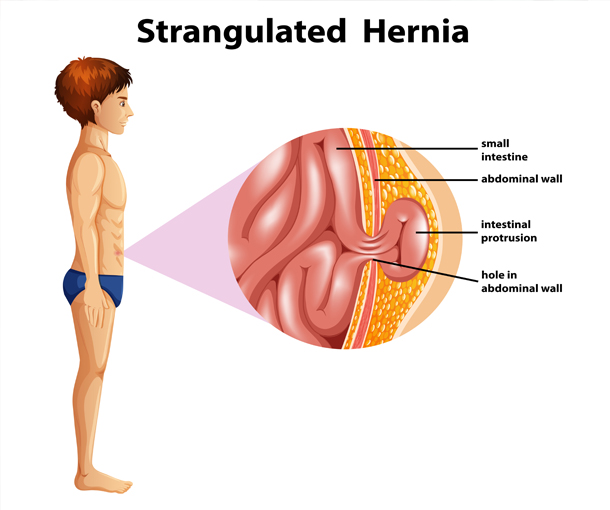
Leaving a hernia untreated can be dangerous. Over time, the hernia may increase in size and cause severe pain. One of the most serious complications is strangulation, where the blood supply to the trapped tissue is cut off. This is a medical emergency and requires immediate surgery.
Other risks include bowel obstruction, infection, and reduced quality of life due to persistent discomfort and activity limitations.
When Should You See a Doctor?
If you notice a bulge, persistent pain, or discomfort that worsens with activity, it is important to consult a specialist. Early diagnosis allows for planned and safer treatment, avoiding emergency situations.
Laparoscopic Treatment for Hernia
Surgery is the only permanent solution for a hernia. Today, laparoscopic hernia surgery is considered one of the most advanced and patient-friendly treatment options.
Laparoscopic surgery is a minimally invasive technique performed through small incisions using a camera and specialized instruments. A surgical mesh is often placed to strengthen the weakened area and reduce the chances of recurrence.
Benefits of Laparoscopic Hernia Surgery
Smaller incisions and minimal scarring
Less post-operative pain
Faster recovery and return to daily activities
Shorter hospital stay
Lower risk of infection
Due to these advantages, laparoscopic repair is commonly recommended for suitable patients.
Recovery After Hernia Surgery
Most patients can resume light activities within a few days after surgery. Complete recovery typically takes a few weeks, depending on the type of hernia and the overall health of the patient. Following post-surgery guidelines, such as avoiding heavy lifting and maintaining a healthy weight, is essential for long-term success.
Conclusion
A hernia should never be ignored, even if the symptoms seem mild. Early evaluation and timely surgical treatment can prevent complications and help you return to a pain-free, active life. Choosing an experienced specialist and opting for modern minimally invasive techniques plays a key role in long-term success.
Dr. Nikunj Jain, Best Hernia Doctor in Indore, is known for his expertise in diagnosing and managing various types of hernias with advanced surgical techniques. With a patient-focused approach and emphasis on minimally invasive care, he ensures safe and effective outcomes.
If you or a loved one is experiencing symptoms of a hernia, consulting a qualified specialist at the right time can make all the difference.
Hernias can be a real hassle for those experiencing them, leading to pain, discomfort, and disruption to daily life. While they’re common, many people are unaware of what exactly a hernia is and how it can affect the body. This blog aims to demystify hernia hassles by discussing its causes, types, symptoms, and treatment options, helping you better understand this health condition.
What is a Hernia?
A hernia occurs when an internal organ or tissue pushes through a weak spot in the surrounding muscle or connective tissue. This protrusion often results in a noticeable bulge and may cause pain or discomfort, especially during activities like lifting, coughing, or bending. Hernias are most common in the abdomen but can also occur in the groin, upper thigh, and belly button areas.
Table of Contents
Types of Hernias and Their Hassles
1. Inguinal Hernia
The inguinal hernia is one of the most common types and occurs when tissue pushes through a weak spot in the abdominal muscles, usually near the groin. It’s more common in men and can cause a bulge, pain, and discomfort, particularly when lifting heavy objects or standing for long periods.
2. Femoral Hernia
Femoral hernias often occur in women and are located in the upper thigh near the groin. The hassles include pain around the groin area, especially when coughing, bending over, or lifting heavy items. They can be more dangerous than inguinal hernias because they have a higher risk of complications, such as strangulation (when the blood supply is cut off to the affected tissue).
3. Umbilical Hernia
An umbilical hernia happens when part of the intestine protrudes through the abdominal muscles near the belly button. It is more common in infants but can also affect adults, particularly women who have had multiple pregnancies. Hernia hassles in this case involve a visible bulge near the navel, discomfort, and sometimes pain, particularly when straining.
4. Hiatal Hernia
This type of hernia occurs when the stomach bulges through the diaphragm into the chest cavity. The hassles associated with a hiatal hernia include heartburn, acid reflux, and chest pain. These symptoms can be quite bothersome and may worsen after meals.
5. Incisional Hernia
Incisional hernias occur when the intestines push through the site of a previous surgical incision in the abdomen. The hassles include a noticeable bulge, discomfort, and pain around the incision site, especially during physical activity. They often develop after abdominal surgery and can be challenging to manage.
Understanding the causes of hernias can help in prevention and early detection. Here are some factors that contribute to the development of hernias:
Muscle Weakness: A primary cause of hernias is weak muscles or connective tissues, which can be congenital (present from birth) or acquired over time due to factors like aging or injury.
Straining and Heavy Lifting: Activities that put strain on the abdominal area, such as lifting heavy objects, can increase the risk of hernias.
Obesity: Excess body weight puts pressure on the abdominal wall and can lead to the formation of hernias.
Chronic Cough or Constipation: Persistent coughing or straining during bowel movements can weaken the abdominal muscles, making them more susceptible to hernias.
Pregnancy: Pregnancy stretches and weakens the abdominal muscles, which can lead to hernias, particularly umbilical hernias.
Hernias can be asymptomatic in some cases, but they often present with the following symptoms:
Bulge or Lump: A visible bulge or lump in the affected area, which may increase in size when standing, coughing, or straining.
Pain and Discomfort: Mild to severe pain or discomfort around the hernia site, which worsens with physical activity or lifting.
Burning or Aching Sensation: A burning, aching, or heavy feeling in the area of the hernia.
Digestive Issues: Hiatal hernias may cause heartburn, acid reflux, or difficulty swallowing.
If left untreated, hernia hassles can lead to complications, including obstruction (when a portion of the intestine gets stuck) and strangulation (cutting off blood supply), both of which require immediate medical attention.
Diagnosing a Hernia
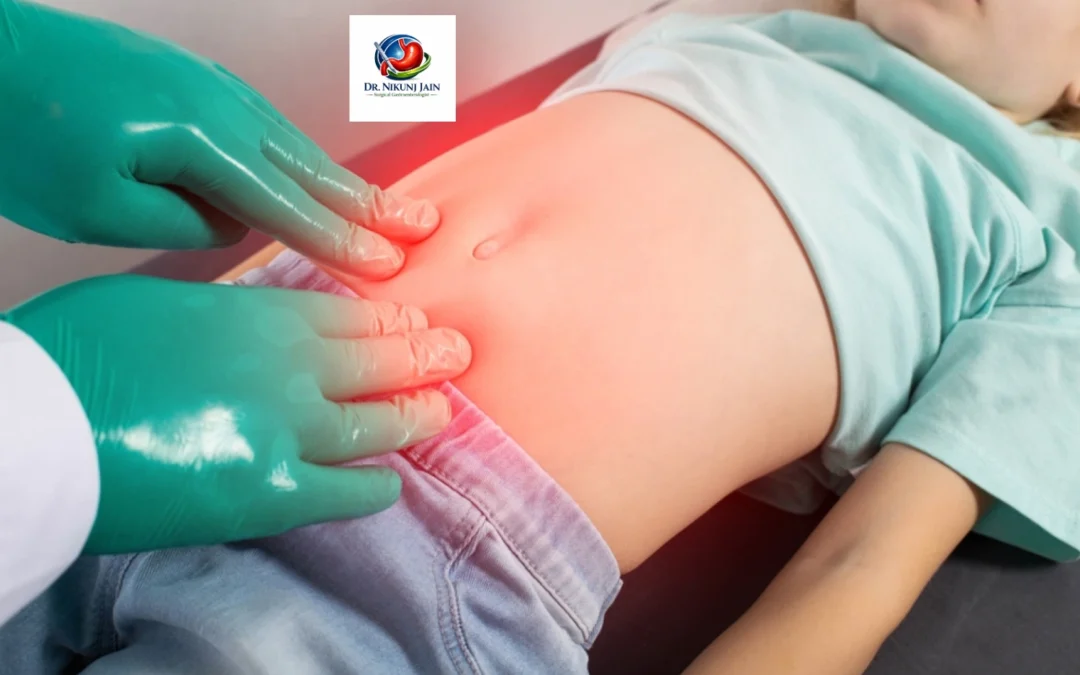
To diagnose a hernia, a healthcare provider will usually conduct a physical examination to identify any visible bulges or lumps. Additional diagnostic tests may include:
Ultrasound: Imaging to confirm the presence and type of hernia.
CT Scan or MRI: These advanced imaging techniques help in detecting hernias that are difficult to diagnose through a physical exam, such as hiatal hernias.
Endoscopy: For hiatal hernias, an endoscope may be used to view the inside of the stomach and esophagus.
The treatment of hernias depends on their type, size, and severity. Here are the main treatment options:
Watchful Waiting
For small, asymptomatic hernias, watchful waiting might be recommended. Regular monitoring helps ensure that the hernia does not worsen or lead to complications.
Lifestyle Modifications
Lifestyle changes, such as losing weight, avoiding heavy lifting, and managing chronic cough or constipation, can help manage hernia hassles and prevent worsening.
Medications
For hernias like hiatal hernias that cause acid reflux, medications to reduce stomach acid can help alleviate symptoms.
Hernia Surgery
The most effective treatment for hernias is surgical repair. There are two main types:
Open Hernia Repair: Involves a single incision over the hernia site to push the protruding tissue back into place and repair the muscle wall.
Laparoscopic Hernia Repair: A minimally invasive surgery using small incisions and a camera to guide the repair process. This method usually has a shorter recovery time and less postoperative pain.
Preventing Hernia Hassles
While not all hernias are preventable, certain steps can reduce the risk:
Maintain a Healthy Weight: Keeping a healthy weight reduces pressure on the abdominal muscles.
Lift Correctly: Use proper lifting techniques to prevent straining the abdominal area.
Strengthen Core Muscles: Regular exercise can help strengthen the abdominal muscles, providing better support.
Treat Chronic Cough and Constipation: Managing these conditions can reduce the strain on abdominal muscles.
Recovery After Hernia Surgery
Recovery from hernia surgery varies based on the type of surgery and the patient’s overall health. Typically, it includes:
Rest and Limited Activity: Rest is crucial for healing. Avoid heavy lifting and strenuous activities for several weeks.
Pain Management: Pain or discomfort is common after surgery and can be managed with prescribed medications.
Gradual Return to Normal Activities: Slowly reintroducing physical activities and exercises will help regain strength without straining the repaired area.
When to See a Doctor?
If you notice a bulge or lump in your abdomen or groin area, experience pain or discomfort, or have symptoms of a hiatal hernia like severe heartburn, it’s essential to see a healthcare professional. Early diagnosis and treatment can prevent hernia hassles from escalating into more severe health issues.
FAQs
What causes hernias to develop? Hernias can develop due to muscle weakness, strain from lifting heavy objects, obesity, chronic cough, constipation, or pregnancy.
Is surgery always necessary for hernias? Not always. Small, asymptomatic hernias may be monitored, but surgery is recommended if the hernia is large, causes pain, or has a risk of complications.
Can hernias go away on their own? No, hernias typically do not heal by themselves and may require treatment to prevent complications.
Are all hernia surgeries the same? No, there are different types of hernia surgeries, such as open repair and laparoscopic repair. The choice depends on the type of hernia and the patient’s condition.
What are the risks of not treating a hernia? Untreated hernias can lead to complications like bowel obstruction or strangulation, which require emergency surgery.
Can a hernia come back after surgery? Yes, there is a chance of recurrence, particularly if the abdominal muscles are weak, or if preventive measures are not followed after surgery.
Conclusion
Hernia hassles can be inconvenient and sometimes painful, but understanding the causes, symptoms, and treatment options can make managing this condition easier. If you suspect you have a hernia, seeking medical advice is crucial for proper diagnosis and treatment. With early intervention and proper care, you can reduce the impact of hernia hassles on your life and prevent complications.
A hernia is an abnormal bulge in the abdomen that occurs when an organ or tissue passes through a weakened area in the abdominal wall. It is most commonly seen in the groin area, but can also occur in the abdominal wall or near the navel. Hernias can be congenital (present at birth) or acquired later in life.
Hernias are among the most common surgical conditions and affect people of all ages. In fact, hernias are the third most common surgical condition after appendicitis and gallbladder disease. Hernias can cause a variety of symptoms, including pain, discomfort, and a feeling of heaviness or fullness in the abdomen.
The most common cause of hernias is a weak spot in the abdominal wall. This can occur due to a congenital defect, a muscle strain or tear, or a surgical incision. Certain activities, such as heavy lifting or straining, can also increase the risk of it.
The treatment of hernias depends on the type and severity of the hernia, as well as the patient’s overall health. In some cases, it may be treated with lifestyle changes and medications. In other cases, surgery may be required to repair the hernia. It’s surgery can involve the placement of a mesh patch to reinforce the weakened area of the abdominal wall.
It is important to see a doctor if you experience any symptoms of a hernia, as the condition can lead to serious complications if left untreated. Early diagnosis and treatment can help prevent the hernia from worsening and can help reduce the risk of complications.
How to fix Hernia
Hernias are a common problem and can be quite uncomfortable and even debilitating in some cases. Fortunately, there are many ways to treat hernias, including surgery. If you have been diagnosed with a hernia and are considering surgery, it is important to understand what the procedure entails and how it can help you.
The first step in hernia repair surgery is to make a small incision in the area of the hernia. This will allow your surgeon to access the hernia and repair it. Depending on the type of hernia you have, the technique used to repair the hernia can vary. For example, if you have an inguinal hernia, your surgeon may use a mesh patch to close the hernia. This is often done with laparoscopic surgery, which uses small incisions and a camera to view the hernia. Other types of it’s repairs may include sutures, staples, or a combination of both.
Once the hernia is repaired, your surgeon will close the incision with sutures or staples.
This is done to ensure it stays closed and doesn’t reopen. You may also need to wear a special support garment for a few weeks after the surgery. This will help keep it closed and reduce the risk of it reopening.
It’s repair surgery is generally safe and effective. However, as with any surgery, there are some risks. These include infection, bleeding, and pain. There is also a risk of the it’s reopening and needing to be repaired again. Your doctor will discuss these risks with you before the surgery.
If you’re considering it’s repair surgery, it’s important to talk to your doctor about the best treatment option for you. Surgery is often the best option for hernias that are large, painful, or causing other problems. However, if your hernia is small and not causing any problems, your doctor may suggest other treatments such as wearing a support garment or taking medications to reduce the size of the it.
No matter what type of treatment you choose for your hernia, it’s important to follow your doctor’s instructions for recovery. This includes getting plenty of rest, taking pain medications as prescribed, and avoiding strenuous activities until your hernia has healed. With the right care and treatment, you can recover from it’s repair surgery and reduce the risk of complications.