
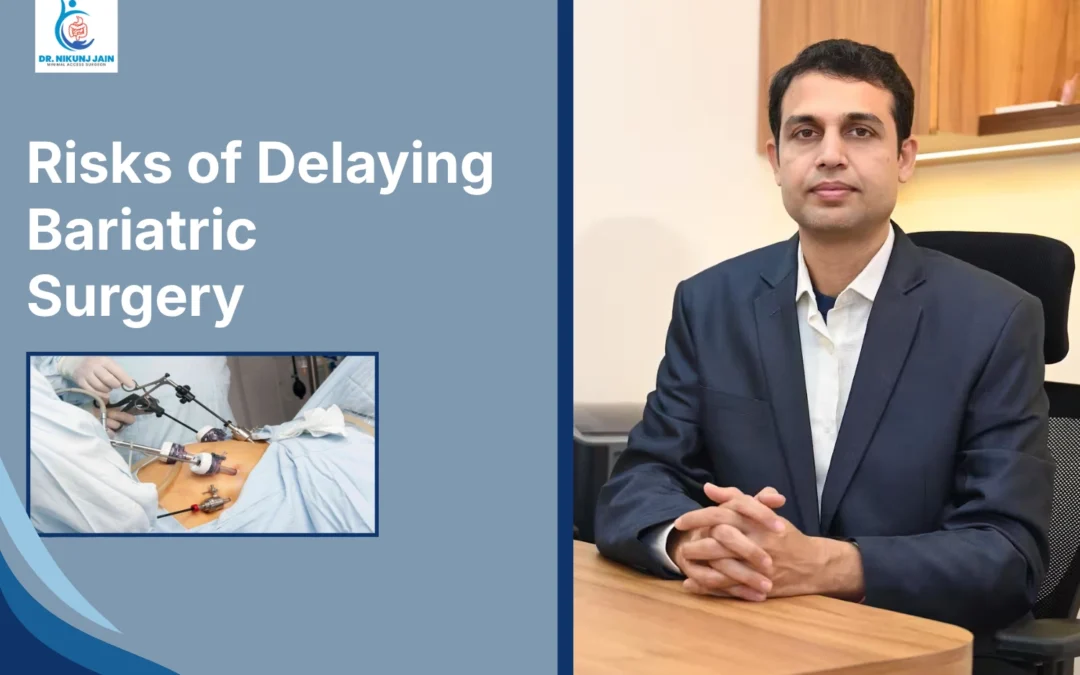
Obesity is a problem that goes beyond just weight; it is a serious medical issue that can affect almost every part of the body. For people who are struggling with severe obesity, bariatric surgery is an effective and long-term solution. According to Dr. Nikunj Jain, best bariatric surgeon in Indore, many people delay surgery for years because they are afraid or they do not have the right information or they think that diet and exercise will work on their own. While it is good to make lifestyle changes, delaying a recommended bariatric procedure can sometimes lead to more serious health problems.
Understanding the risks of delaying bariatric surgery can help people make informed decisions about their health and future. It is a decision but it can be very helpful for people who are struggling with severe obesity.
Table of Contents
Worsening of Obesity-Related Health Conditions
One of the risks of delaying weight loss surgery is that obesity-related diseases can get worse. Conditions like type 2 diabetes, high blood pressure, sleep apnea or fatty liver disease can get worse over time if the excess weight is not treated.
Bariatric surgery can even reverse some of these conditions if it is done early. However the longer a person waits, the more damage these diseases can cause to the body. For example, diabetes that has been present for years can lead to complications like nerve damage, kidney problems or vision loss. It can help people with obesity-related health conditions.
Reduced Effectiveness of Treatment
Weight Loss surgery works best when it is performed before obesity-related diseases become severe. When a patient waits long the body may already have developed advanced complications that are harder to reverse.
For instance diabetes that has been present for years may not go away even after successful surgery. Similarly long-term heart disease or joint damage may continue to affect the patient after significant weight loss. This is why many specialists recommend considering surgery rather than waiting until health problems become critical. It is more effective when it is done early.
Increased Risk During Surgery
Another factor to consider is that delaying weight loss surgery may increase surgical risk. As obesity-related conditions progress the body becomes more vulnerable.
People with diabetes, severe sleep apnea or heart disease may face higher risks during any surgical procedure. Excess weight can also put strain on the lungs and heart making anesthesia and recovery more complicated. Bariatric surgery can be risky if it is delayed.
Impact on Mental and Emotional Health
Obesity does not only affect health it can also have a deep impact on mental well-being. Many individuals struggling with obesity experience low self-esteem, anxiety or depression.
When it is delayed, these emotional challenges can even worsen. People may feel frustrated after repeated attempts at weight loss that do not lead to results. Weight loss surgery can often bring psychological changes, including improved confidence, better social interactions and a renewed sense of control over health. It can help people with emotional health issues.
Mobility and Joint Damage
Carrying weight places constant stress on the joints, particularly the knees, hips and lower back. Over time this can lead to pain, reduced mobility and conditions like osteoarthritis.
If weight loss surgery is delayed the continued pressure on joints may cause damage. After significant weight loss, severe joint problems may remain and sometimes require additional treatments such as joint replacement surgery. Bariatric surgery can help people with mobility and joint damage issues.
Declining Quality of Life
Many people living with obesity experience limitations in everyday life. Activities like walking distances, climbing stairs or even performing daily tasks can become difficult.
As time passes these limitations often increase. Energy levels may drop, social participation may. Overall quality of life may decline. Weight Loss surgery can help individuals regain mobility, increase energy and participate actively in daily life. Acting at the time can make a big difference in long-term outcomes. It can improve quality of life.
Conclusion
Choosing surgery is a personal decision and it is normal for people to take time to evaluate their options. However, understanding the risks of delaying treatment is important.
With proper medical guidance from an expert bariatric surgeon in Indore, bariatric surgery can be a safe and life-changing option for individuals struggling with severe obesity. An experienced specialist can evaluate each patient’s condition and recommend the most suitable treatment plan. If you are considering weight loss surgery in Indore, consulting an expert like Dr. Nikunj Jain can help you understand the benefits, risks and the right timing for the procedure. It can be an option for people who are struggling with severe obesity.
FAQ’s
Q1. Who is considered one of the best doctors for bariatric surgery in Indore?
Many patients looking for weight loss treatment consult Dr. Nikunj Jain in Indore for advanced bariatric surgery and personalized obesity management.
Q2. What is bariatric surgery and how does it help?
Bariatric surgery is a weight loss procedure that helps reduce excess body weight and improve obesity-related health conditions like diabetes, high blood pressure, and sleep apnea.
Q3. Is bariatric surgery safe in Indore?
Yes, bariatric surgery in Indore is generally considered safe when performed by an experienced bariatric surgeon like Dr. Nikunj Jain using proper medical standards and modern techniques.
Q4. When should a person consider bariatric surgery?
People with severe obesity, uncontrolled weight gain, or obesity-related health problems may consider bariatric surgery after consulting a qualified bariatric surgeon in Indore.
Q5. Can bariatric surgery help with diabetes and blood pressure?
Yes, bariatric surgery can help improve or even reverse conditions like type 2 diabetes, high blood pressure, fatty liver disease, and sleep apnea in many patients.
Q6. What are the risks of delaying bariatric surgery?
Delaying bariatric surgery may lead to worsening obesity-related diseases, joint damage, mobility problems, and increased surgical risks in the future.
Q7. How long is the recovery after bariatric surgery?
Recovery time varies from person to person, but many patients can return to normal daily activities within a few weeks after bariatric surgery.
Q8. Will bariatric surgery improve quality of life?
Many patients experience improved confidence, better mobility, increased energy levels, and an overall better quality of life after successful bariatric surgery.
Q9. Does Dr. Nikunj Jain provide consultation for weight loss surgery in Indore?
Yes, Dr. Nikunj Jain in Indore provides consultation for bariatric and weight loss surgery, helping patients understand suitable treatment options based on their condition.
Q10. How do I choose the right bariatric surgeon in Indore?
While choosing a bariatric surgeon in Indore, look for experience, patient care, surgical expertise, hospital facilities, and guidance throughout the weight loss journey.